When Edelbrock Made Marine Exhaust Manifolds
Finding information about When Edelbrock Made Marine Exhaust Manifolds can sometimes feel like searching for a hidden treasure. For folks new to this specific bit of automotive and marine history, it can be a bit confusing to know where to start. Don’t worry, though!
We’re going to break it all down super simply. This guide will walk you through everything you need to know, step by step. Get ready to learn all about this unique chapter in Edelbrock’s story.
Edelbrock’s Foray Into Marine Exhaust
This section looks at the initial reasons and the historical context behind Edelbrock’s decision to produce exhaust manifolds specifically for marine applications. It explores the market conditions at the time and how Edelbrock, known for performance parts, saw an opportunity or a need to fill. We will discuss the general challenges and considerations that differentiate marine exhaust systems from automotive ones, setting the stage for Edelbrock’s involvement.
The Edelbrock Brand and Its Reputation
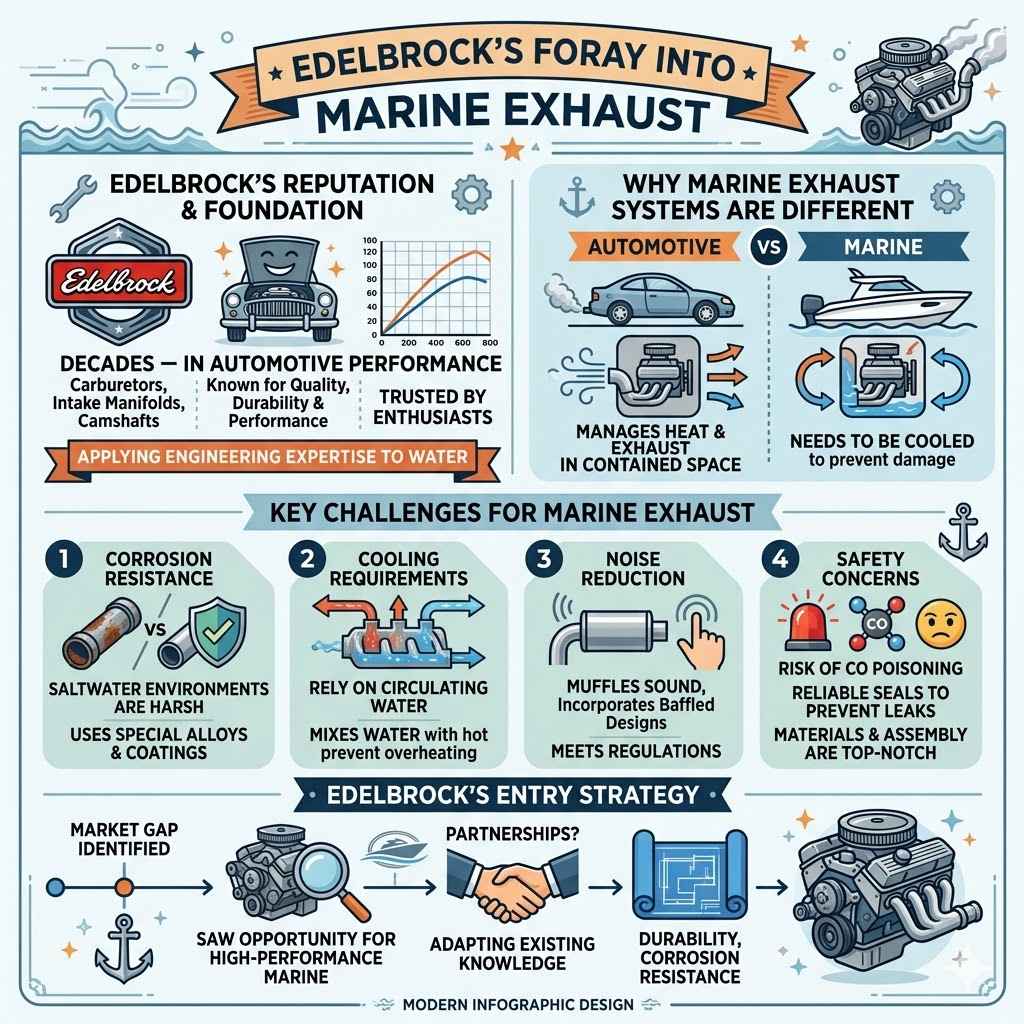
Edelbrock has built a strong name over many decades, primarily in the performance automotive parts industry. They are famous for carburetors, intake manifolds, and camshafts that help engines run faster and better. This reputation for quality and performance is important.
It suggests that when they decided to make marine exhaust manifolds, they likely brought that same commitment to engineering and power to the water.
Edelbrock’s core business revolved around enhancing engine performance. This focus meant their parts were designed for speed and efficiency in cars. Their engineering team was skilled at designing components that could handle high temperatures and pressures found in engines.
This expertise was a solid foundation for venturing into new product lines.
The company’s commitment to racing and performance tuning meant they understood the demands placed on engine components. They were known for creating parts that were both durable and effective. This made them a trusted brand for enthusiasts looking to upgrade their vehicles.
This trust would be valuable when they introduced products for a different environment.
Early in their history, Edelbrock products were often seen as premium options. They were not always the cheapest, but they delivered noticeable improvements. This perception of quality and results helped them carve out a significant market share.
It also meant customers expected high standards from any new products, including marine items.
Why Marine Exhaust Systems Are Different
Marine exhaust systems are designed to work in a very different environment than car exhausts. Cars vent hot gases into the open air. Boats, however, need to manage heat and exhaust in a contained space, often near sensitive components and people.
The exhaust also needs to be cooled to prevent damage and fire hazards. This is typically done by mixing exhaust gases with water.
Corrosion Resistance: Saltwater environments are incredibly harsh. The constant exposure to salt, moisture, and varying temperatures can cause rapid corrosion in metal components. Marine exhaust manifolds must be made from materials that can withstand these conditions.
This often means using special alloys or coatings that are not common in automotive applications.
Cooling Requirements: Unlike automotive exhausts that rely on airflow, marine exhausts are usually cooled by circulating water. This water is mixed with the hot exhaust gases before they are expelled from the vessel. Proper cooling is vital to prevent overheating of the engine, the exhaust system itself, and surrounding boat parts.
It also helps reduce the noise and temperature of the exhaust exiting the boat.
Noise Reduction: Boat engines can be loud. Exhaust systems play a role in muffling the sound. Marine manifolds are often designed with this in mind, sometimes incorporating baffled designs or specific outlet configurations.
The goal is to meet regulations and improve the overall boating experience for passengers and others on the water.
Safety Concerns: Exhaust leaks on a boat can be particularly dangerous. Carbon monoxide poisoning is a significant risk if exhaust fumes enter the cabin. Therefore, marine exhaust systems require extremely reliable seals and construction to prevent any leaks.
The materials and assembly must be top-notch to ensure safety.
Edelbrock’s Entry Strategy
Edelbrock likely saw a market gap or an opportunity to apply their engineering prowess to the marine sector. They might have partnered with boat manufacturers or aftermarket suppliers. Their strategy would have involved adapting their existing knowledge of high-performance engines to the specific demands of the marine environment.
This would mean focusing on durability, corrosion resistance, and efficient exhaust gas management.
The Edelbrock Marine Exhaust Manifold Product Line
This part details what Edelbrock’s marine exhaust manifolds were like. We’ll cover the types of engines they were designed for, the materials used, and any unique features that set them apart. Understanding the specifics of their product offerings will help clarify their role in the marine industry during their production period.
Materials and Construction
When Edelbrock produced marine exhaust manifolds, they had to select materials that could handle the tough conditions of the water. This wasn’t like making parts for a car that stays on dry land. They needed metals that wouldn’t rust away quickly or crack under heat and stress.
Cast Iron: A common material for exhaust manifolds, cast iron is durable and can withstand high temperatures. For marine use, specific grades of cast iron were likely chosen for better corrosion resistance. Even so, it would require careful maintenance in saltwater environments.
Stainless Steel: While more expensive, stainless steel offers superior corrosion resistance, especially in saltwater. It’s a popular choice for marine exhaust systems because it lasts much longer and requires less upkeep. Edelbrock might have offered stainless steel options for premium applications or specific models.
Special Coatings: Some marine components are treated with specialized coatings to further enhance their protection against the elements. These coatings can act as a barrier against salt and moisture, extending the life of the manifold. Edelbrock could have utilized such coatings to improve the performance and longevity of their products.
Design Features and Benefits
Edelbrock’s background in performance parts suggests their marine manifolds would have aimed for improved engine efficiency and reliability. They likely focused on features that optimized exhaust flow and heat dissipation, which are critical for marine engines operating under load for extended periods.
Optimized Exhaust Flow: Good exhaust flow helps an engine breathe better. This means it can expel burnt gases more efficiently, allowing more fresh air and fuel to enter. Edelbrock’s designs would have aimed to reduce backpressure and smooth out the exhaust path.
This could lead to better engine performance and fuel economy.
Efficient Cooling Systems: Marine manifolds need to integrate with the boat’s raw water cooling system. Edelbrock would have designed their manifolds to ensure proper water flow around the exhaust passages. This prevents the manifold from overheating and protects nearby engine components and the hull structure.
Effective cooling is also key to reducing noise.
Durability for Marine Use: Designed to withstand constant vibration, high temperatures, and the corrosive marine environment, these manifolds were built to last. Edelbrock’s reputation for quality meant they would have prioritized robust construction. This ensures they could handle the rigors of being on the water season after season.
Common Engine Applications
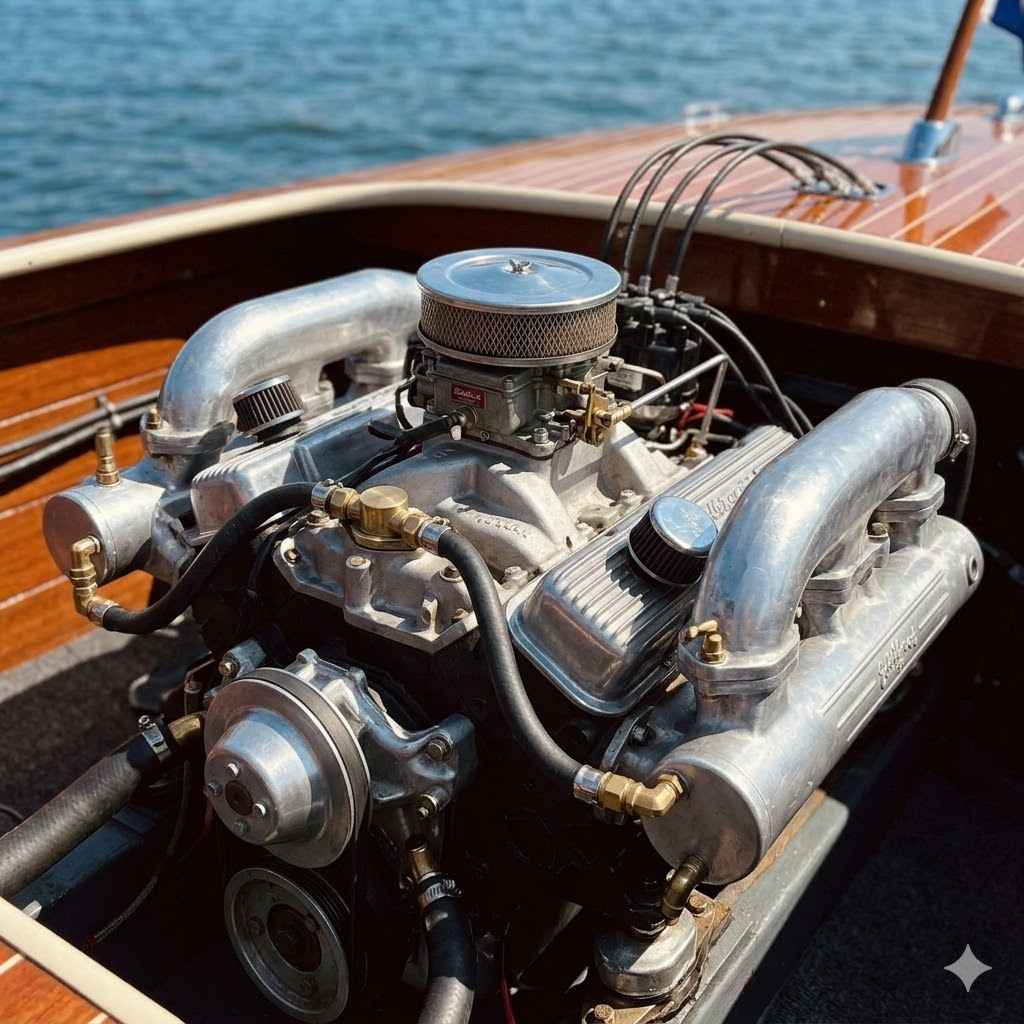
Edelbrock’s marine exhaust manifolds would have been designed to fit a range of popular marine engine blocks. This includes engines commonly found in recreational boats, such as V8 engines derived from automotive platforms. They would have offered manifolds for both port and starboard sides of the engine to ensure proper exhaust routing.
For example, many performance boat engines are based on Ford or Chevrolet V8 blocks. Edelbrock likely developed manifolds that were direct replacements or performance upgrades for these common engine families. This would have made their products accessible to a wide range of boat owners looking to maintain or enhance their vessels.
The Impact and Legacy of Edelbrock Marine Exhausts
This section will assess the success and lasting impression of Edelbrock’s marine exhaust manifold offerings. It will touch upon their place in the market, customer reception, and how they are remembered by enthusiasts and professionals in the marine industry today.
Market Reception and Competition
When Edelbrock entered the marine exhaust market, they faced established competitors. Brands like GLM, Barr, and Fineline have long been dominant players. Edelbrock’s entry would have been judged on its performance, durability, and value against these established names.
Customer reviews and sales figures would indicate how well their products were received.
Performance Boost: Many users likely purchased Edelbrock products expecting a performance edge. If their manifolds offered improved exhaust flow, it could translate into better power delivery. This would have been a significant selling point, especially for performance-oriented boaters.
The brand name itself carried weight.
Durability in Saltwater: The true test for marine parts is longevity in harsh conditions. Edelbrock’s marine exhaust manifolds would have been evaluated on their ability to resist rust and degradation over time. Success here would solidify their reputation in this specialized market.
Failures could quickly damage brand trust.
Price Point Considerations: Marine parts can be expensive. Edelbrock would have had to balance premium quality with a competitive price. If their offerings were significantly more expensive than competitors without a clear advantage, sales might have been limited.
Conversely, a good balance could attract a loyal customer base.
Examples of Edelbrock Marine Exhausts in Use
Imagine a classic speed boat from the 1970s or 1980s. These boats often featured powerful V8 engines, and owners might have sought performance upgrades. If an owner was already a fan of Edelbrock performance parts for their car, they might have looked for Edelbrock exhaust manifolds for their boat’s engine.
- A boater restoring a vintage Chris-Craft might choose Edelbrock marine exhaust manifolds to complement other performance upgrades they are making to the engine. They are looking for parts that fit the era and offer a slight improvement in power and reliability.
- Another example could be a boater with a Mercruiser engine who wants to upgrade their exhaust system for better sound and performance. They might research which Edelbrock manifolds are compatible with their specific engine model, seeking a brand known for quality and power.
The End of an Era
Like many specialized product lines, Edelbrock eventually ceased production of their marine exhaust manifolds. This could have been due to a variety of factors, including shifting market demands, the high cost of specialized marine manufacturing, or a strategic decision to focus on their core automotive markets. While no longer in production, the parts that were made still represent a unique part of Edelbrock’s history.
The decision to stop making these specific parts doesn’t diminish their significance. It simply marks a phase in the company’s long operational history. The legacy remains in the parts still found on boats and in the memory of those who used them.
Maintaining Edelbrock Marine Exhaust Manifolds
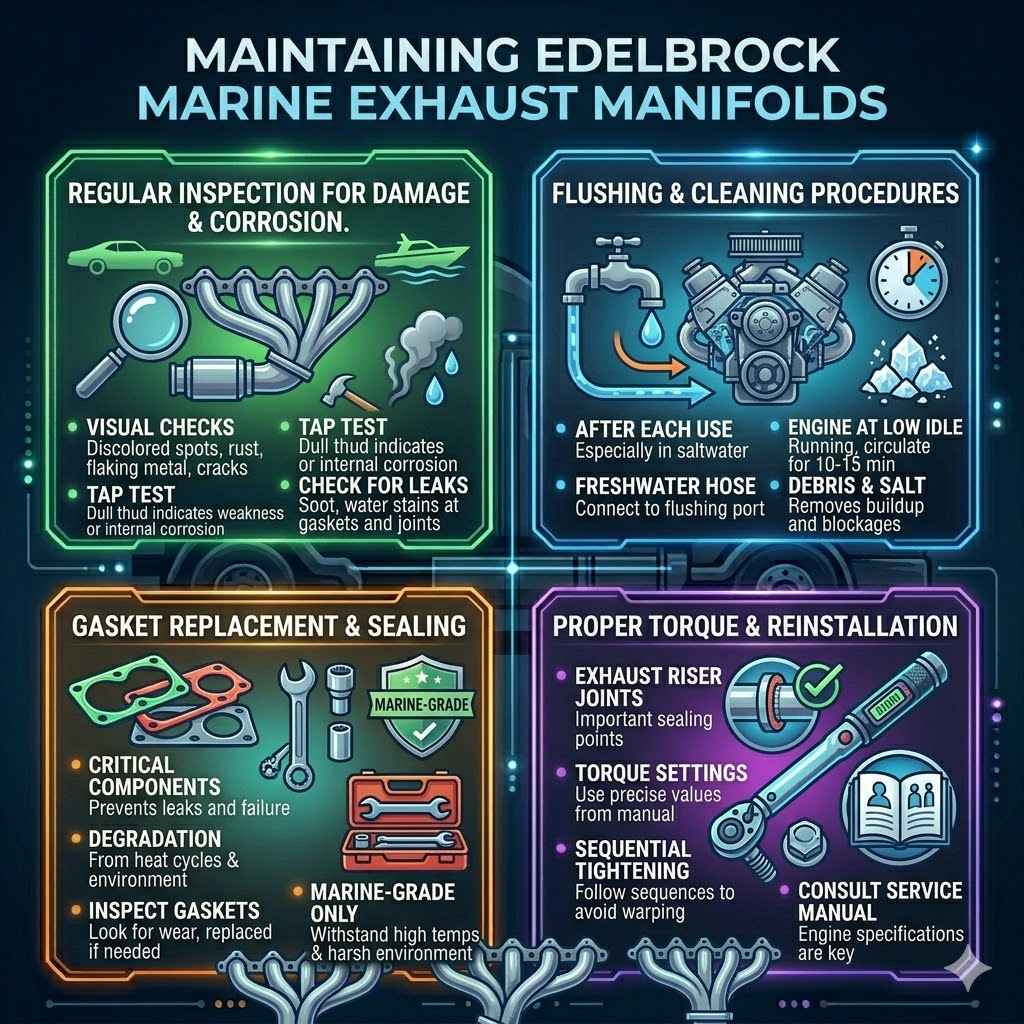
Even though Edelbrock marine exhaust manifolds are no longer made, many are still in use. For owners of boats with these components, knowing how to maintain them is key to their longevity. Proper care can prevent premature failure and ensure safe operation.
Regular Inspection for Damage and Corrosion
The most critical aspect of maintaining marine exhaust manifolds is regular inspection. Saltwater is highly corrosive. You need to look for signs of rust, pitting, or cracks.
Pay close attention to the areas where water and exhaust gases meet, as well as the mounting points.
Visual Checks: Walk around the engine and look closely at the manifolds. Are there any discolored spots that look like rust? Is the metal flaking away?
Are there any obvious cracks or holes, especially where the manifold connects to other exhaust components or the engine?
Tap Test: Gently tap the manifold with a small, non-marring hammer. A solid, metallic sound indicates good structural integrity. If you hear a dull thud, it could mean internal corrosion or weakening of the metal.
This might require more in-depth examination.
Check for Leaks: Look for any signs of exhaust soot or water stains around the gasket surfaces or any joints in the exhaust system. These could indicate leaks, which are not only inefficient but also a safety hazard due to carbon monoxide.
Flushing and Cleaning Procedures
After each use, especially in saltwater, flushing the cooling passages of the exhaust manifolds is crucial. This removes salt, silt, and other debris that can build up and cause blockages or corrosion over time. Most boats have a flushing system integrated into the engine.
- Connect a freshwater hose to the designated flushing port on your engine. Ensure the engine is running at a low idle speed.
- Allow freshwater to circulate through the engine’s cooling system, including the exhaust manifolds, for at least 10-15 minutes. You should see freshwater exiting the exhaust outlets.
- Turn off the engine and disconnect the hose. This process helps remove corrosive salt deposits and keeps the cooling passages clear for efficient operation.
Gasket Replacement and Sealing
The gaskets between the exhaust manifold and the exhaust riser, or between the manifold and the engine block, are critical for preventing leaks. Over time, these gaskets can degrade, especially from heat cycles and exposure to the marine environment.
- Inspect Gaskets: When you remove an exhaust manifold for any reason, always inspect the old gaskets. Look for signs of cracking, crumbling, or oil/soot leaks around the edges. If they look worn, they should be replaced.
- Use Marine-Grade Gaskets: It’s essential to use gaskets specifically designed for marine exhaust applications. These are made from materials that can withstand higher temperatures and the harsh marine environment better than standard automotive gaskets. Using the wrong gasket can lead to early failure.
- Proper Torque Settings: When reinstalling exhaust manifolds and risers, it is important to use the correct torque specifications. Over-tightening can warp the manifold or riser, leading to leaks. Under-tightening can also cause leaks.
Always consult your engine’s service manual for precise torque values and tightening sequences.
Frequently Asked Questions
Question: Are Edelbrock marine exhaust manifolds still made today
Answer: No, Edelbrock no longer manufactures marine exhaust manifolds. They discontinued this product line some time ago, and they are not currently available as new items from the company.
Question: What kind of engines did Edelbrock marine exhaust manifolds fit
Answer: Edelbrock marine exhaust manifolds were designed to fit common marine engine blocks, particularly V8 engines, often derived from automotive platforms like Chevrolet and Ford. They would have offered specific models for different engine displacements and configurations.
Question: Are Edelbrock marine exhaust manifolds better than stock
Answer: Edelbrock’s reputation is built on performance. Their marine exhaust manifolds likely offered improved exhaust flow compared to stock manifolds, potentially leading to better engine performance and efficiency. However, the specific benefits would depend on the exact model and application.
Question: Where can I find used Edelbrock marine exhaust manifolds
Answer: You might find used Edelbrock marine exhaust manifolds through online marketplaces like eBay, marine salvage yards, or specialized forums for classic boats and performance engines. Availability will vary greatly.
Question: How do I identify if my boat has Edelbrock marine exhaust manifolds
Answer: Look for the Edelbrock brand name cast or stamped onto the manifolds themselves. They often have distinctive styling or part numbers that can be cross-referenced. If unsure, consult your boat’s documentation or a marine mechanic.
Summary
This exploration into When Edelbrock Made Marine Exhaust Manifolds shows a unique period in their manufacturing history. They applied their performance engineering to a demanding marine environment. While these parts are no longer produced, their existence highlights Edelbrock’s commitment to diverse engine applications.
Maintaining them requires attention to corrosion and proper cooling. Finding and caring for these components ensures their continued use on the water.