Do Stainless Steel Exhaust Manifolds Run Cooler? Essential Guide
Stainless steel exhaust manifolds generally do not inherently run cooler than standard cast iron manifolds; in fact, their high-temperature performance often means they radiate heat effectively. The key difference lies in their material properties, such as heat retention, durability, and how quickly they dissipate heat after the engine is shut off, which can affect under-hood temperatures.

A-Premium
A-Premium New Stainless Steel Exhaust Manifold Kit…
- [Vehicle Fitment]: Compatible with Jeep Grand Cherokee 1993-1998 L6 4.0L, Cherokee 1991-1999 L6 4.0L, Comanche 1991-1992 L6 4.0L,…
- [Reference Number]: 674-196, 674196, 33007072, 4883385 --- Please use Amazon's "Confirm Fit" tool above to verify compatibility wi…
- [Specifications]: ①Color: Natural ②Product Included: with 1x Exhaust Manifold & 1x Manifold Gasket & 1x Flange Gasket & 2x Bolts &…
As an Amazon Associate I earn from qualifying purchases.
Welcome! Dealing with engine heat can feel tricky, especially when you are looking at upgrading parts like the exhaust manifold. Many car owners wonder if switching materials makes a real difference in how hot things get under the hood. Heat is the enemy of performance and longevity, so keeping it managed is crucial. You might have heard that stainless steel runs cooler than the heavy, dark cast iron parts you are used to seeing. That sounds great, but is it true? I’m Monowar Shohag, and I’m here to break down exactly how stainless steel manifolds manage heat compared to other types. We will look at the science in a simple way so you can make the best choice for your vehicle, ensuring safety and great performance. Stick with me, and we’ll demystify exhaust manifold temperatures together!
Understanding the Exhaust Manifold and Heat Transfer
The exhaust manifold is one of the hardest-working—and hottest—parts of your engine. Its job is simple: collect hot exhaust gases from each cylinder and funnel them into a single stream leading to the rest of your exhaust system. Because it sits right next to the engine block, it absorbs tremendous heat. How a manifold handles this heat directly impacts how long your engine bay components (like hoses and sensors) last, and how efficiently your engine breathes.
To understand if stainless steel runs cooler, we first need to know the two main types of manifolds you’ll encounter:
- Cast Iron Manifolds: These are the heavy, thick, traditional parts. They are very common because they are cheap to mass-produce and offer good durability.
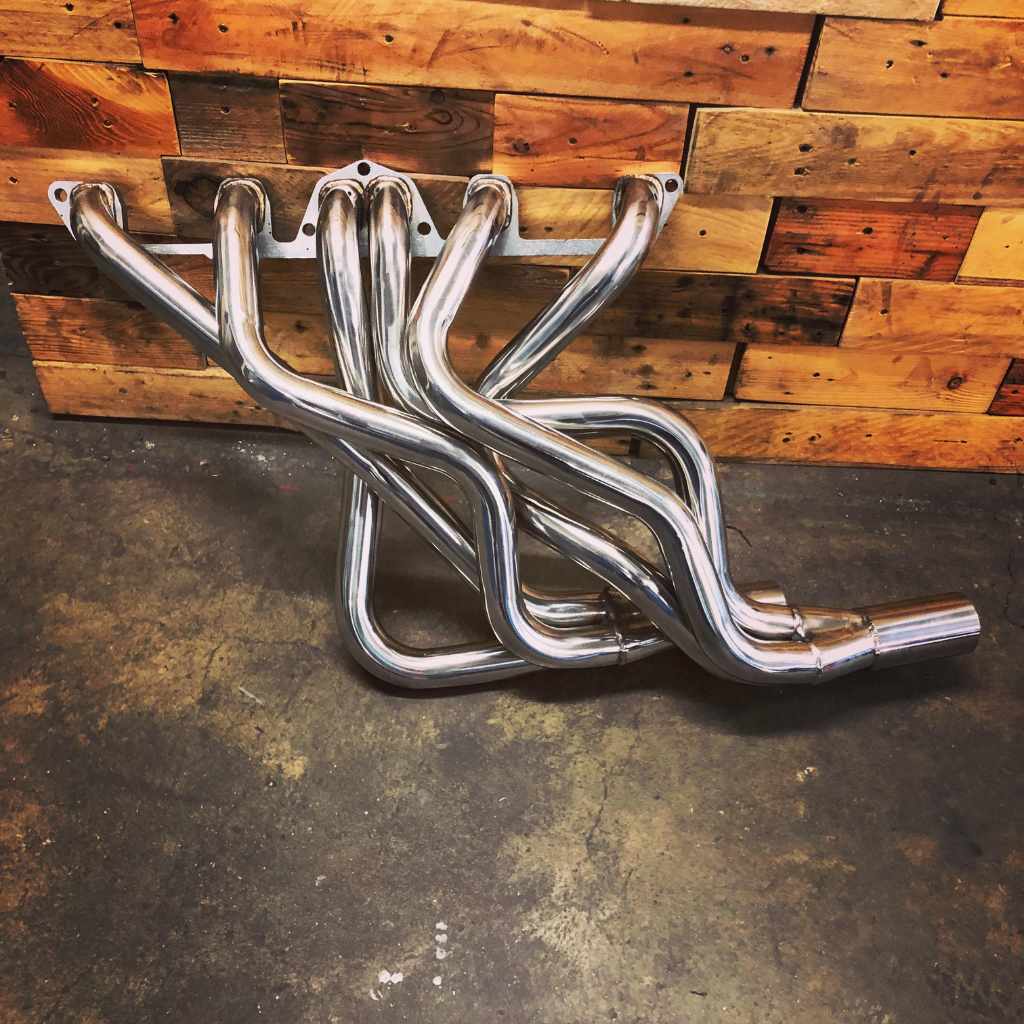
- Tubular Stainless Steel Headers: These are often used in performance applications. They usually consist of several tubes welded together.
The real question isn’t just about the material’s temperature when the engine is running, but how that material manages the heat energy it absorbs.
The Science of Heat Transfer: Conduction, Convection, and Radiation
Heat moves in three primary ways. Understanding these concepts helps us see why stainless steel behaves differently than cast iron:
- Conduction: Heat traveling directly through a solid material. Thicker, denser materials (like cast iron) are good at conducting heat throughout their mass.
- Convection: Heat moving through fluids (like air or coolant). The hotter the manifold surface, the more heat it transfers to the surrounding engine bay air.
- Radiation: Heat being given off as infrared energy. Bright or polished surfaces reflect radiation, while dark, dull surfaces emit it readily.
When people ask if stainless steel runs cooler, they are usually asking about surface temperature (convection/radiation) or how it affects the engine bay temperature after the engine is off. The answer is more nuanced than a simple yes or no.
Stainless Steel vs. Cast Iron: A Head-to-Head Heat Comparison
Material science plays a huge role here. We need to compare the physical properties of the typical stainless steel used (often 304 grade) against the gray cast iron used for stock manifolds.
Thermal Conductivity (How Fast Heat Moves Through the Metal)
Thermal conductivity measures how quickly heat passes through a material. A higher number means heat travels through the material faster.
| Material | Approximate Thermal Conductivity (W/m·K) |
|---|---|
| Gray Cast Iron (Typical) | 45 – 55 |
| 304 Stainless Steel (Typical) | 15 – 20 |
What this table tells us: Cast iron conducts heat through its bulk much faster—about two to three times faster—than stainless steel. If heat is conducted faster through the cast iron, it will heat up the entire surface area of the manifold more evenly and potentially radiate that heat out more quickly.
Specific Heat Capacity (How Much Heat a Material Can Store)
Specific heat capacity is the amount of heat energy required to raise the temperature of a certain mass of material by one degree. Stainless steel has a lower density and specific heat capacity than dense cast iron.
This means stainless steel heats up faster initially because it stores less thermal energy relative to its mass compared to thick cast iron. However, once stainless steel reaches operating temperature, because it has lower conductivity, the hottest spots on the tubing might remain very hot, while heavy cast iron spreads that heat more uniformly over its large surface.
Surface Finish and Radiation
This is where stainless steel often appears to run cooler, though this is mostly superficial.
- Polished/Bright Stainless Steel: Reflects a significant amount of radiant heat. This shiny surface will radiate less heat outward toward surrounding engine components compared to a dull, dark cast iron manifold.
- Bare/Tumbled Stainless Steel: Will radiate heat far more effectively than a polished piece, sometimes as effectively as dark cast iron.
Answering the Core Question: Do They Run Cooler?
So, to directly answer: Do stainless steel exhaust manifolds run cooler?
Not necessarily while the engine is running at full throttle. In many high-performance scenarios, well-designed stainless steel headers can reach very high surface temperatures due to their thin walls and direct exposure to exhaust gas flow.
However, stainless steel setups can lead to a cooler overall engine bay because of two crucial factors:
- Lower Mass: Headers are lighter and feature thinner primary tubes than heavy cast iron manifolds, meaning there is less total metal mass absorbing and retaining heat after shutdown.
- Better Heat Management (When Coated): High-quality aftermarket stainless steel headers are often ceramic coated. These coatings are specifically designed to trap heat inside the exhaust tube and send it out the back of the car, rather than letting it seep into the engine bay. This is a massive advantage for under-hood temperatures.
Think of it this way: Cast iron soaks up heat like a sponge and holds onto it for a long time. Stainless steel, especially if coated, acts more like a fast-transfer pipe that gets the heat out the door quickly. The surface may be just as hot, but the overall thermal profile might be better managed.
The Role of Coatings in Temperature Reduction
If cooling the engine bay is your main goal, looking beyond the base material to the coating is essential. Coatings are arguably more important than the base material choice itself when controlling surface radiant heat.
Ceramic Coatings
Ceramic coatings are very popular for performance exhausts. They chemically bond to the metal surface and act as an insulator.
- Function: They dramatically slow down the transfer of heat from the inside of the pipe wall to the outside surface.
- Benefit: This keeps exhaust gas velocity higher (good for performance) and reduces the amount of heat radiating into nearby plastic clips, wiring harnesses, and hoses. While the coating itself gets hot, it manages where the heat goes—out the tailpipe, not into the engine compartment.
Heat Shielding and Wrapping
Whether you use a stainless steel or cast iron manifold, adding external heat shielding is the most direct way to reduce engine bay temperatures.
Exhaust Wrap: This material (often fiberglass or titanium wrap) is wrapped directly around the manifold or headers. It traps heat inside the exhaust runners, similar to a ceramic coating, but externally. This is highly effective at lowering immediate surrounding temperatures. For more on proper heat wrapping techniques, resources detailing high-temperature insulation materials, like those reviewed by engineering standards organizations, emphasize insulation layers for safety.
Heat Shields: These are typically metal shrouds placed physically above or next to the hot manifold. They work by blocking direct radiant heat transfer. Many modern vehicles come stock with factory heat shields precisely for this reason.
Benefits and Drawbacks: Stainless Steel Exhaust Manifolds
Choosing stainless steel often means choosing an upgrade, but it comes with trade-offs compared to the stock setup. Here is a clear breakdown:
Pros of Stainless Steel Manifolds (Headers)
- Durability and Rust Resistance: Stainless steel (especially higher grades like 304) resists corrosion significantly better than standard mild steel or even some lower-quality cast iron, especially in damp or salty environments.
- Weight Savings: They are generally lighter than heavy cast iron manifolds.
- Performance Potential: Tubular designs (headers) are optimized for gas flow, leading to better scavenging and, potentially, more horsepower/torque.
- Aesthetics: Many enthusiasts prefer the clean, bright look of stainless steel, even if it’s hidden under the hood.
Cons of Stainless Steel Manifolds
- Cost: Stainless steel headers are significantly more expensive than factory replacement cast iron manifolds.
- Risk of Cracking: Thin-wall stainless steel, if rapidly heated and cooled (thermal shock), can potentially crack, especially at weld points, unless it’s a high-quality, thick-walled design.
- Initial Adjustment: They might take slightly longer to heat up initially because they have less mass to absorb ambient heat, which can slightly affect emissions control during cold start if the oxygen sensors aren’t located optimally.
When Stainless Steel Might Mean Cooler Running (Context Matters!)
There are specific scenarios where switching to stainless steel will result in a demonstrably cooler operating environment, even if the material itself doesn’t intrinsically run at a lower temperature.
1. Replacing Damaged, Cracked Cast Iron
A stock cast iron manifold that has developed a crack allows hot exhaust gases to escape directly into the engine compartment. This dumped heat severely increases the ambient temperature around sensors, belts, and wiring harnesses. Replacing this cracked iron piece with a brand-new, perfectly sealed stainless steel header eliminates this uncontrolled leak, drastically lowering the chaotic heat source.
2. Upgrading to Coated Headers
If you move from an uncoated, older, oxidized cast iron manifold to a new, professionally ceramic-coated stainless steel header, the difference in radiant heat rejection will be noticeable. The coating acts as a thermal barrier, pushing heat downstream immediately.
3. Vehicle Application (Performance vs. Daily Driver)
For a dedicated race car where maximum flow is paramount and engine bay temps are less critical, thin-wall stainless steel can be beneficial. For a daily driver where reliability and low-stress part operation are key, a thick, quality cast iron manifold might actually offer more consistent, predictable heat dissipation over decades of use, even if it radiates more heat locally.
Installation Considerations for Managing Heat
If you decide to upgrade to stainless steel manifolds (headers), proper installation is your first defense against future heat-related issues. As an automotive guide, I always stress that connecting the new manifold correctly is part of the cooling strategy.
Tools You Might Need:
- Basic Metric/SAE Socket Set and Ratchets
- Torque Wrench (Crucial for flange sealing)
- Penetrating Oil (Essential for old bolts!)
- Gasket Scraper
- Safety Glasses and Gloves
Step-by-Step Guide to Ensuring a Tight Seal:
A leaky flange on any manifold dumps raw, extremely hot exhaust gas directly onto nearby components. A good seal is the #1 prevention technique.
- Preparation: Once the old manifold is off, carefully clean the cylinder head sealing surface. Remove all traces of old gasket material without gouging the aluminum or iron surface of the head.
- New Gaskets: Never reuse an old manifold gasket. Use high-quality multi-layer steel (MLS) or specialized graphite gaskets recommended for your stainless manifold.
- Torque Sequence: Install the new manifold loosely. Then, follow the manufacturer’s specified tightening pattern (usually starting from the center bolts and working outward) and use a calibrated torque wrench.
- Final Check: After the engine runs for about 10 minutes (once the metal has expanded), shut it off, let it cool slightly, and re-torque all the manifold bolts to specification. This accounts for initial settling and ensures long-term sealing. See manufacturer guides for specific torque specs for your material. (You can often find general tightening procedures on reliable automotive repair databases.)
Stainless Steel Manifold Maintenance: Keeping Them Healthy
Stainless steel is low-maintenance, but not zero-maintenance, especially when subjected to extreme heat cycles.
Visual Inspection Points:
Regularly check your stainless steel parts for signs of stress:
- Cracks: Look closely around the weld joints (where the runners meet the collector or flange). Even small cracks can cause leaks and excessive noise.
- Discoloration: Expect exhaust manifolds to change color! Blue, gold, or straw-colored discoloration is normal as the material heats up. Excessive black soot or oil staining indicates a leak.
- Loose Bolts: Periodically check the manifold flange bolts, especially after hard driving or if you’ve experienced a loud exhaust note.
Cleaning Tip for Aesthetics
If you want to maintain that “new” look, specialized stainless steel polish can clean off surface oxidation stains. Avoid harsh abrasives, especially if your steel has a protective coating.
Frequently Asked Questions (FAQ) for Beginners
Q1: Will stainless steel headers improve my gas mileage noticeably?
A: Not directly. While better exhaust flow might allow the engine to breathe easier, leading to slight efficiency gains, the primary benefit of stainless headers is usually increased horsepower and torque potential, not significant fuel savings.
Q2: How long do stainless steel exhaust manifolds typically last?
A: High-quality 304 or 321 grade stainless steel manifolds often last the life of the vehicle, easily exceeding 15–20 years, provided they are not exposed to extreme, abusive thermal shock or cheap, thin materials.
Q3: Can I wrap thin stainless steel headers to keep them cooler?
A: Yes, wrapping thin stainless headers is very common. It helps maintain gas velocity and keeps radiant heat contained. Just ensure you use high-quality wrap material rated for those temperatures.
Q4: What is the difference between “headers” and an “exhaust manifold”?
A: An exhaust manifold is the factory part, usually heavy cast iron. Headers are aftermarket replacements made of tubular stainless steel designed specifically for maximizing exhaust flow efficiency, often featuring equal-length runners.
Q5: Is it safe to install stainless steel headers on a stock engine?
A: Yes, it is perfectly safe. If your engine computer (ECU) is stock, it will likely adapt to the minor changes in exhaust flow. You might need professional tuning if you install headers alongside a cold air intake and a high-flow cat-back system to maximize gains.
Q6: Why do my new stainless steel headers turn gold or blue?
A: This is expected! As the metal heats up, the thin layer of oxidation changes slightly, causing an iridescent color shift. Gold/amber usually means temperatures around 800°F to 900°F, while blue indicates higher heat. It’s a sign they are working.
Q7: Do I need a special type of gasket with stainless headers?
A: Absolutely. You should always use new gaskets rated for high heat and the specific flange design of the header. Reusing old gaskets will almost certainly lead to an exhaust leak.
Conclusion: Making the Right Choice for Your Engine Bay
When asking if stainless steel exhaust manifolds run cooler, the best takeaway for any beginner is this: Stainless steel does not magically run at ambient temperature. It conducts and radiates heat just like any other metal.
However, the overall impact on your engine bay temperature depends heavily on configuration and coating. A high-quality, coated stainless steel system manages heat energy more effectively by keeping it internalized and moving downstream quickly, often resulting in a cooler engine bay environment compared to a leaking, ancient cast iron unit.
If you are repairing a leak, stick with high-quality cast iron for simplicity and durability. If you are seeking a performance upgrade, investing in ceramic-coated stainless steel headers provides the best thermal management combined with flow benefits, helping protect your surrounding components from excessive radiated heat. Always prioritize a perfect seal and consider external wraps or shields for the absolute best protection against under-hood heat soak. By understanding these principles, you can confidently maintain or upgrade your exhaust system like a seasoned pro.
Related pick: Check today's price on Amazon