Do Exhaust Manifolds Make a Difference on a Cummins? Essential Guide
Do Exhaust Manifolds Make a Difference on a Cummins? Yes, they absolutely can! Upgrading your exhaust manifold can improve performance, efficiency, and even the sound of your Cummins engine. This guide will help you understand how and why.
Ever heard a rumble from a Cummins engine and wondered what makes it sound so powerful? A big part of that is the exhaust system, and right at its start is the exhaust manifold. If you’re new to car parts, this might sound a bit technical, but stick with me! We’ll break down exactly what an exhaust manifold does and whether changing it on your Cummins truck is worth it. You’ll learn what to look for and why it’s an important piece of your engine’s puzzle. Let’s get your Cummins running and sounding its best!
What is an Exhaust Manifold and What Does It Do?
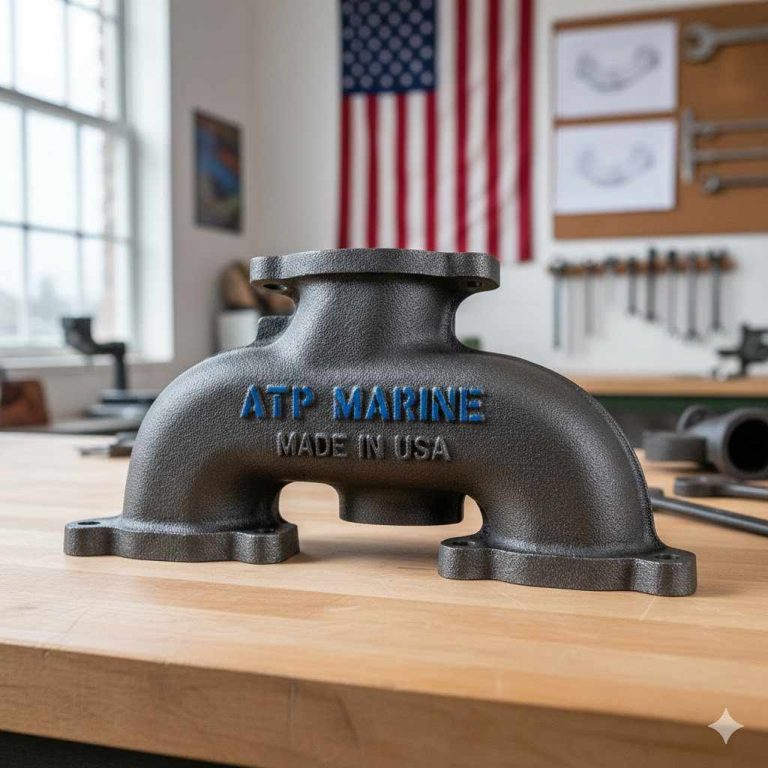
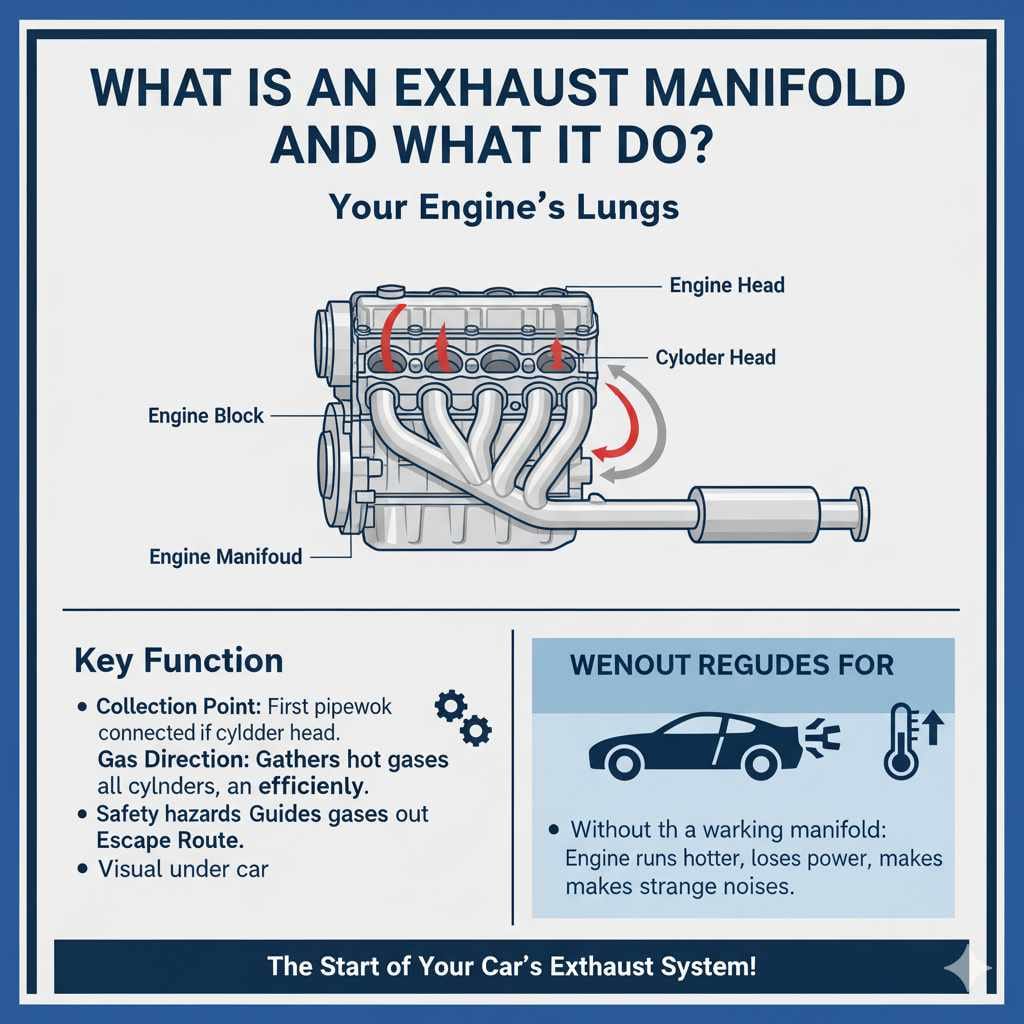
Think of your engine like a hardworking machine that creates power by burning fuel. This burning makes exhaust gases, which are hot and need a way to escape. The exhaust manifold is like the engine’s “lungs,” collecting these hot gases from each cylinder and directing them into a single pipe, usually leading to the rest of your exhaust system.
Here’s a simple breakdown:
Collection Point: It’s the first big piece of pipework connected to your cylinder head.
Gas Direction: It gathers exhaust gases from all the cylinders.
Escape Route: It guides these gases out of the engine efficiently.
Without a properly working exhaust manifold, the exhaust gases wouldn’t be able to leave the engine smoothly. This can cause all sorts of problems, like your engine running hotter, losing power, and even making strange noises.
Why the Exhaust Manifold Matters for a Cummins
Cummins engines are known for their toughness and pulling power. They work hard, and their exhaust systems need to keep up. The stock, or original, exhaust manifold that comes with your Cummins is designed for everyday use and often to meet strict emissions rules. This means it’s usually built to be durable and quiet, but not necessarily for peak performance.
Here’s why the stock manifold might not be ideal for everyone:
Designed for Compromise: Manufacturers balance cost, noise, emissions, and performance. The stock manifold is often a compromise that favors silence and emissions over maximum power.
Flow Restrictions: The stock manifold’s design might create “bottlenecks” where exhaust gases can’t flow as freely as they could. This can lead to reduced engine efficiency and power.
Heat Management: Hot exhaust gases can build up pressure and heat. A less efficient manifold can hold onto this heat, potentially stressing engine components over time.
Do Exhaust Manifolds Make a Difference on a Cummins? The Benefits Explained
So, do exhaust manifolds make a difference on a Cummins? The answer is a definite yes! Upgrading your exhaust manifold can lead to several noticeable improvements, especially if you’re looking to get more out of your truck.
Here are the main ways an aftermarket exhaust manifold can benefit your Cummins:
Improved Exhaust Flow
This is the biggest reason people upgrade. Aftermarket manifolds are often designed with smoother bends and larger internal volumes.
Smoother Bends: Instead of sharp turns that can slow down exhaust gases, performance manifolds use gentler curves. Imagine trying to run through a hallway with lots of sharp corners versus a straight, open path – the second is much easier!
Less Backpressure: When exhaust gases can exit the engine more easily, there’s less “backpressure.” This means the engine doesn’t have to work as hard to push the exhaust out. Lower backpressure often translates to more power.
Potential for Increased Horsepower and Torque
With better exhaust flow, your Cummins engine can breathe more freely. This allows it to take in more air and fuel, leading to a more powerful combustion.
Engine “Breathing”: Think of your engine needing to exhale efficiently. When it exhales better, it can inhale more fresh air for the next power stroke.
Performance Gains: While an exhaust manifold alone won’t magically add hundreds of horsepower, it’s a crucial part of a system that can unlock more power, especially when combined with other upgrades.
Better Engine Efficiency and Fuel Economy
When your engine doesn’t have to fight against high backpressure, it can run more efficiently.
Less Effort, More Work: Less effort to push out exhaust means the engine uses less energy for this task, which can free up energy for moving your truck.
Subtle Improvements: Don’t expect massive jumps in MPG, but a well-designed manifold can contribute to slightly better fuel economy, especially under load or during towing.
Improved Engine Temperatures
By helping exhaust gases escape faster and with less resistance, an aftermarket manifold can help reduce the overall temperature within the engine bay and the exhaust system itself.
Heat Dissipation: Efficiently moving hot gases away from the cylinders helps prevent heat from building up around critical engine components.
Long-Term Engine Health: Lower operating temperatures can contribute to the longevity of yourCummins engine and its parts.
Enhanced Exhaust Sound
While not always the primary goal, changing the exhaust manifold can subtly alter the sound of your Cummins.
Deeper Tone: Often, performance exhaust systems, including manifolds, can produce a deeper, more aggressive-sounding exhaust note. This is due to smoother flow and less muffling from restrictive stock designs.
Driver Experience: For many truck enthusiasts, the sound of their Cummins is as important as its power.
Types of Exhaust Manifolds for Cummins
When you start looking at aftermarket exhaust manifolds for your Cummins, you’ll generally find two main types:
1. Stock Replacement Manifolds
These are designed to be a direct replacement for your original manifold. They often look similar but might be made from stronger materials or have slight design improvements for better durability.
Pros: Easy installation, similar performance to stock, good for replacing a cracked or failing original manifold.
Cons: Limited performance gains compared to performance designs.
2. Performance/Turbo Downpipe Style Manifolds
These are engineered specifically to improve exhaust flow and reduce backpressure. They often have a different design, sometimes relocating the turbo or featuring a larger diameter. Many performance manifolds are designed to work optimally with upgraded turbochargers.
Pros: Significant improvements in exhaust flow, potential for noticeable power gains, can help reduce exhaust gas temperatures.
Cons: Can be more expensive, might require other supporting modifications (like a new downpipe), installation can be more complex, and may affect emissions compliance or vehicle sound.
A key consideration for many Cummins owners is the manifold’s design for turbocharger placement. Many high-performance Cummins setups use a “turbo manifold” which is integrated with the turbocharger housing or designed to feed the turbocharger exhaust more directly and efficiently.
Factors to Consider When Choosing a Cummins Exhaust Manifold
When you’re ready to upgrade, it’s not just about picking the flashiest-looking part. Several factors will help you choose the right exhaust manifold for your Cummins:
Your Truck’s Year and Model: Cummins engines have evolved over the years. Compatibility is crucial. Always check that the manifold is designed for your specific year and engine configuration (e.g., 5.9L, 6.7L, specific emissions controls).
Intended Use: Are you towing heavy loads, participating in diesel performance events, or just looking for a slight improvement for daily driving? Your needs will guide your choice.
Material: Most exhaust manifolds are made from cast iron or stainless steel.
Cast Iron: Durable and cost-effective, often used for stock replacements. Can be prone to cracking under extreme heat cycles.
Stainless Steel: More resistant to corrosion and cracking, often used in high-performance applications. Can be more expensive.
Design for Flow: Look for manifolds with smooth, mandrel-bent tubing and larger diámetro applications if performance is your main goal.
Turbocharger Compatibility: If you plan to upgrade your turbo, ensure the new manifold is compatible with your existing or chosen turbo setup. Some performance manifolds are designed to work with specific turbo flanges. For example, many aftermarket manifolds are designed to be a direct replacement for the stock turbocharger connection.
Emissions Compliance: This is important. Some aftermarket manifolds might not be legal for use in areas with strict emissions testing. Always check local regulations. For those in California, for example, you’ll want to ensure any part is CARB-exempt if required.
Budget: Performance parts can range in price. Determine how much you’re willing to spend.
Installation: A Beginner’s Guide
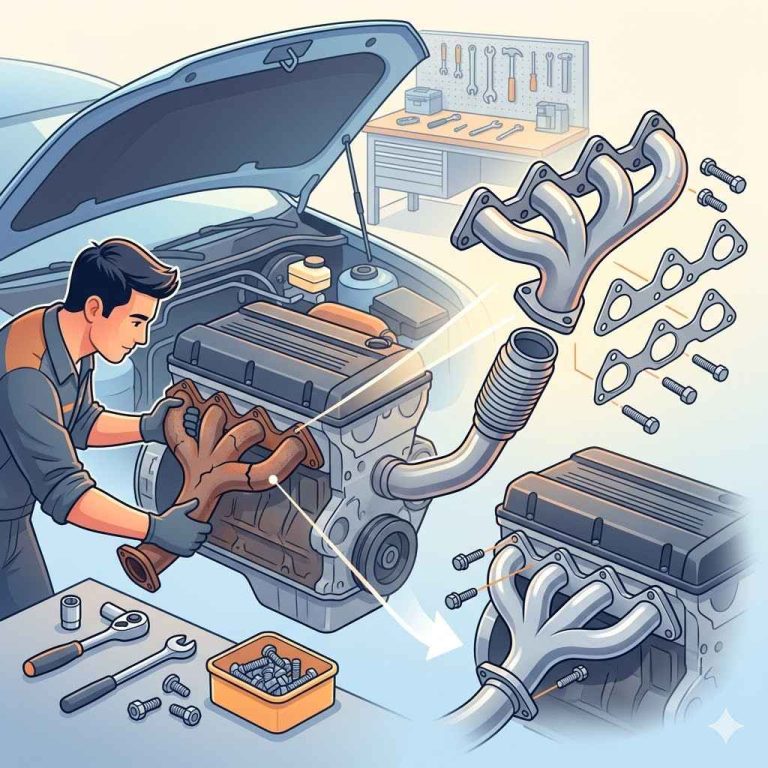
Installing an exhaust manifold can be a rewarding DIY project if you’re mechanically inclined and have the right tools. However, if you’re unsure, it’s always best to consult a professional mechanic.
Disclaimer: Working on your exhaust system involves dealing with hot components and potentially heavy parts. Always ensure the engine has cooled completely before starting, disconnect the battery, and wear appropriate safety gear.
Tools You Might Need:
Here’s a list of common tools for this job:
Socket set and wrenches (metric and/or standard, depending on your truck)
Breaker bar (for stubborn bolts)
Torque wrench (essential for proper tightening)
Penetrating oil (like PB Blaster or WD-40) to loosen rusty bolts
Wire brush (for cleaning surfaces)
Gasket scraper
Shop rags and cleaner
Gloves and safety glasses
Jack and jack stands (if you need to lift the truck for access)
Exhaust joint sealant (optional, but can help seal connections)
New exhaust manifold gasket(s)
New nuts and bolts (recommended, as old ones can be corroded)
Step-by-Step Installation (General Guide):
1.Cool Down and Disconnect: Ensure the engine is completely cool. Disconnect the negative battery terminal.
2. Access the Manifold: You may need to remove other components to get to the exhaust manifold. This could include skid plates, heat shields, or parts of the intake system.
3. Loosen Exhaust Connections: Identify where the exhaust manifold connects to the rest of your exhaust system (usually a downpipe or collector pipe). Loosen these bolts or clamps. They are often very tight and rusted.
4. Remove Manifold Bolts: Start by applying penetrating oil to all the bolts holding the manifold to the cylinder head. Let it soak for at least 15-30 minutes, or even overnight if the bolts are heavily rusted.
5. Unbolt the Manifold: Work systematically to remove the nuts or bolts. It’s often best to loosen them a bit at a time, moving back and forth to apply even pressure. If a bolt breaks, you may need specialized tools or professional help to extract it.
6. Remove the Old Manifold: Carefully take off the old manifold. It might be stuck to the gasket.
7. Clean the Cylinder Head Surface: Thoroughly clean the surface of the cylinder head where the manifold mounts. Remove all traces of the old gasket material and any corrosion. A clean, flat surface is crucial for a good seal. You can use a gasket scraper and a wire brush.
8. Prepare the New Manifold: Ensure your new manifold is clean. If it comes with new hardware, use that. Check if a new gasket is included or if you need to purchase one separately.
9. Install the New Manifold: Place the new gasket onto the cylinder head or manifold. Position the new exhaust manifold and start threading the nuts or bolts by hand to avoid cross-threading.
10. Tighten Bolts (Crucial Step): Do NOT just tighten everything as much as possible. Exhaust manifolds need to be tightened in a specific sequence and to a specific torque value. Consult your new manifold’s instructions or a service manual for your Cummins. This usually involves tightening in stages, working in a crossing pattern. A torque wrench is essential here. Overtightening can warp the manifold or damage the head; undertightening can lead to leaks.
11. Reconnect Exhaust System: Reattach the exhaust pipe to the new manifold. Use new gaskets or sealant if recommended.
12. Reinstall Removed Components: Put back any skid plates, heat shields, or other parts you removed.
13. Reconnect Battery: Reconnect the negative battery terminal.
14. Start and Check for Leaks: Start the engine and let it idle. Listen and feel for any exhaust leaks around the manifold and connections. A small puff of smoky air or a hissing sound can indicate a leak. Properly tightened bolts and a good gasket should prevent this. If leaks are present, you may need to re-check your work and torque specs.
For more detailed instructions specific to your Cummins model, it’s always best to refer to a service manual or a reputable online resource like Cummins’ official technical documentation.
Pros and Cons of Upgrading Your Cummins Exhaust Manifold
Like any vehicle modification, upgrading your exhaust manifold comes with its own set of advantages and disadvantages.
Pros:
Performance Boost: Enhanced exhaust flow can lead to noticeable gains in horsepower and torque.
Improved Efficiency: Reduced backpressure can contribute to better fuel economy.
Lower Engine Temps: Helps dissipate heat more effectively, benefiting engine longevity.
Aggressive Sound: Can provide a more desirable exhaust note for enthusiasts.
Durability: High-quality aftermarket materials can offer better resistance to cracking and corrosion.
Foundation for Other Mods: A better manifold is a great base for other performance upgrades like turbochargers and exhaust systems.
Cons:
Cost: Performance manifolds can be a significant investment.
Installation Complexity: Can be a challenging DIY job, potentially leading to mechanic costs.
Emissions Concerns: May impact emissions performance and legality in certain regions.
Noise Increase: While some like the sound, others may find it too loud for daily driving.
Potential Need for Supporting Mods:** To get the most benefit, you might need to upgrade other exhaust components (like the downpipe) or even tuning.

Frequently Asked Questions (FAQ)
1. Will a new exhaust manifold void my Cummins warranty?
It’s possible. Modifying your exhaust system, especially with aftermarket parts, can sometimes be grounds for voiding related warranty claims. It’s a good idea to check your vehicle’s warranty documentation or speak with your dealership to understand the specifics for your Cummins.
2. How long does a Cummins exhaust manifold typically last?
Stock cast iron manifolds can last a very long time, often hundreds of thousands of miles, but they can be prone to cracking due to repeated heating and cooling cycles, especially under heavy loads or after many years. Aftermarket stainless steel manifolds are generally more durable and resistant to cracking.
3. Can I install an exhaust manifold myself?
Yes, if you have basic mechanical knowledge, the right tools (including a torque wrench), and a bit of patience. However, dealing with rusted bolts and ensuring correct torque can be challenging. If you’re uncomfortable, it’s best to have a professional mechanic perform the installation.
4. What’s the difference between exhaust manifold and turbo manifold?
The main difference is their primary function and design. A standard exhaust manifold collects gases from cylinders. A turbo manifold is specifically designed to efficiently channel exhaust gases into a turbocharger’s turbine to create boost. Often, high-performance turbo manifolds are integrated with the turbo housing or designed to feed the turbo directly with minimal restriction.
5. Do I need to upgrade my downpipe when I get a new exhaust manifold?
It depends on the manifold design. Many performance manifolds are designed to work with specific downpipes. If your new manifold has a different outlet flange or is designed for much higher flow, you may need a corresponding downpipe to fully realize the performance benefits and avoid creating a new restriction. Always check the manufacturer’s recommendations.
6. Will a new manifold make my Cummins louder?
Often, yes. Performance manifolds tend to have smoother, less restrictive designs that can lead to a more noticeable exhaust sound. The increase might be subtle or more pronounced depending on the manifold and the rest of your exhaust system. If quiet operation is essential, you’ll want to look for designs that still offer a good seal and consider muffler upgrades.
Conclusion
So, to wrap things up, do exhaust manifolds make a difference on a Cummins? Absolutely! When you’re dealing with the robust power and demands placed on a Cummins engine, upgrading the exhaust manifold can be a highly effective way to unlock more performance, improve efficiency, and enhance durability.
From better flow and reduced backpressure to potential gains in horsepower and torque, the benefits are clear for those looking to push their truck a little further. While the stock manifold serves its purpose, an aftermarket option can be a smart investment for anyone serious about their Cummins’ capabilities.
Remember to always consider your specific truck model, your intended use, and local regulations when choosing and installing a new manifold. With the right research and careful installation, you can confidently make an upgrade that pays off in both performance