Is It Necessary to Cool Boat Exhaust Manifolds?
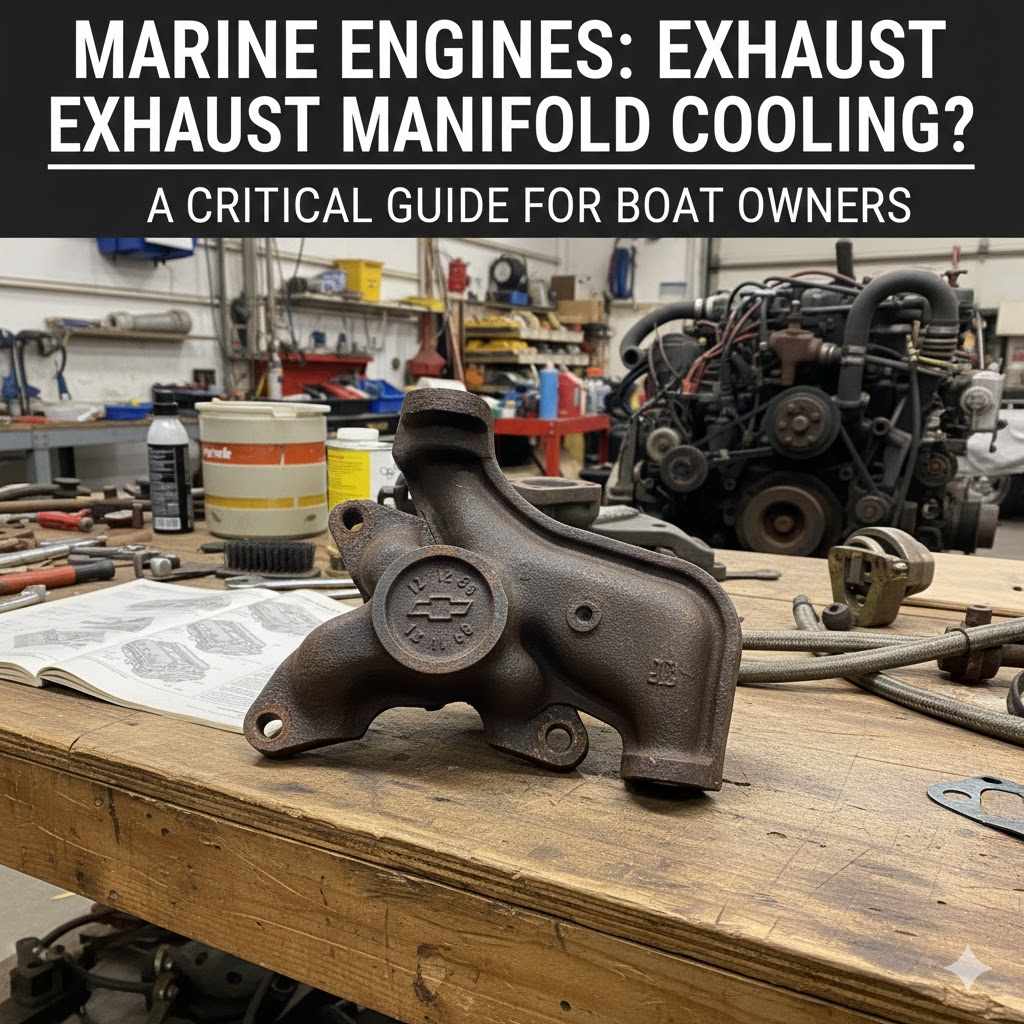
Many boat owners wonder, “Is It Necessary to Cool Boat Exhaust Manifolds?” This is a common question, especially for those new to boat maintenance. The exhaust system on a boat works hard and gets very hot. Knowing if and how to cool these parts is important for safety and the life of your engine. Don’t worry if this seems a bit confusing. We’ll break it down into simple steps to help you understand it clearly.
Why Boat Exhaust Manifolds Need Cooling
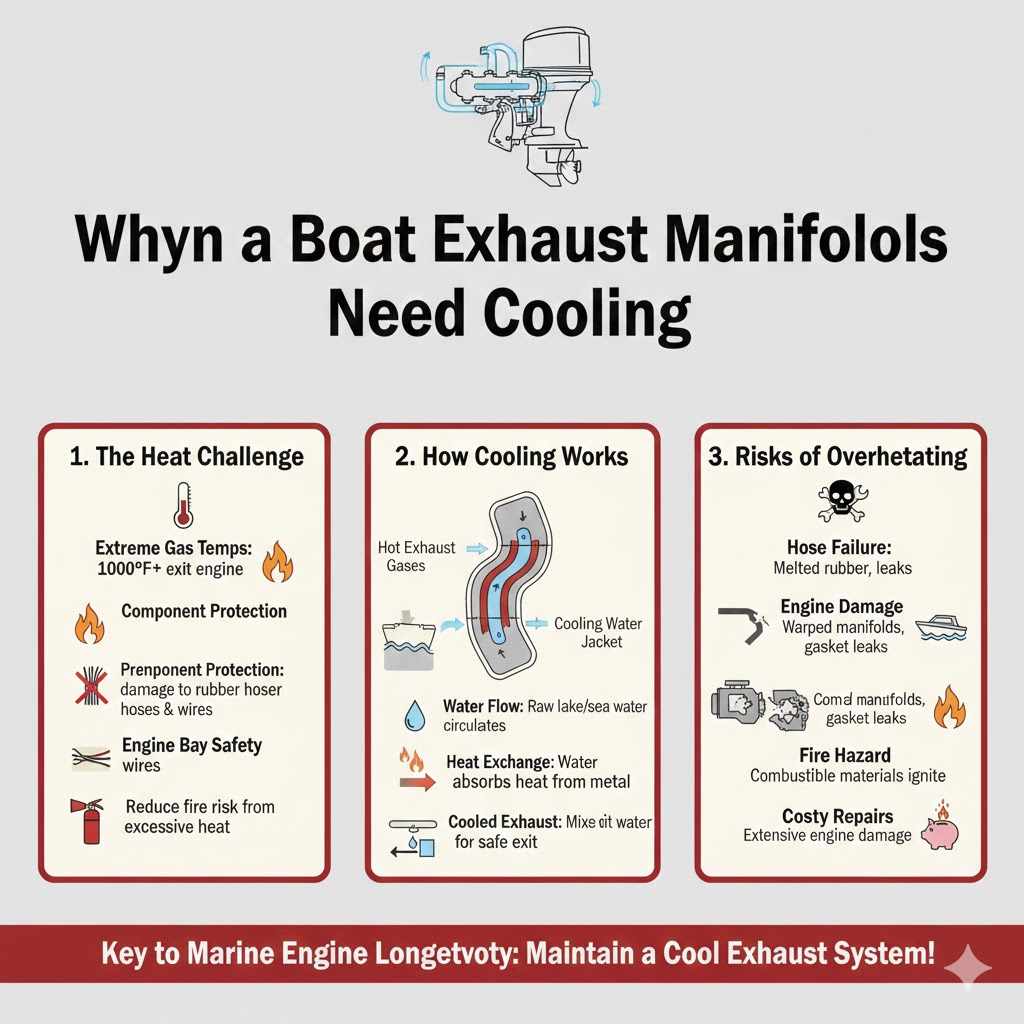
Boat exhaust manifolds are critical engine components that handle the hot gases leaving your engine. These gases are extremely hot, often reaching temperatures well over 1000 degrees Fahrenheit. If these manifolds get too hot, it can lead to serious problems. This section will explore why keeping them at a safe temperature is vital for your boat’s performance and longevity. We will look at the heat generated, the materials used in manifolds, and the risks associated with overheating. Understanding these basics is the first step to proper maintenance.
The Heat Factor Exhaust Manifolds Endure
The combustion process inside an engine creates a tremendous amount of heat. This heat is transferred to the exhaust gases. These gases then flow through the exhaust manifold. The manifold’s job is to collect these gases and direct them out of the boat.
Because of the constant flow of super-hot gases, the manifold itself gets very hot. This extreme heat can stress the metal, leading to expansion and contraction cycles. Over time, these cycles can cause cracks or leaks. Protecting the manifold from this intense heat is therefore a primary concern for engine health.
Materials and Heat Tolerance
Exhaust manifolds are typically made from cast iron or stainless steel. Cast iron is a common choice because it’s strong and can handle high temperatures reasonably well. Stainless steel offers better corrosion resistance and can sometimes handle even higher temperatures, but it is also more expensive. Regardless of the material, there are limits to how much heat they can withstand before they start to degrade. The cooling system plays a direct role in keeping the manifold within its safe operating temperature range, preventing premature failure.
Risks of Overheated Manifolds
When exhaust manifolds overheat, several issues can arise. One of the most common is gasket failure. The seals between the manifold and the engine, or the manifold and the exhaust pipe, can burn out. This leads to exhaust leaks, which can be dangerous. Leaked exhaust gases contain carbon monoxide, a deadly gas that can enter the boat’s cabin. Overheating can also warp the manifold itself, leading to cracks. This can cause coolant to leak into the exhaust or exhaust gases to leak into the cooling system, both of which are serious problems.
How Boat Exhaust Cooling Systems Work
Most boat exhaust systems rely on a water cooling system to manage the heat. This system uses the surrounding water (from a lake, river, or ocean) to cool down the hot exhaust gases and the manifold itself. This is typically done by circulating cool water through passages or jackets around the exhaust manifold and then into the exhaust pipe. This section will explain the different types of cooling systems used and how they effectively reduce the temperature of the exhaust components. We will cover raw water cooling and freshwater cooling systems as they apply to manifolds.
Raw Water Cooling
Raw water cooling systems, also known as open cooling systems, use the surrounding body of water directly to cool the engine and its exhaust. In this setup, a raw water pump draws water from outside the boat and pumps it through a heat exchanger. This heated water then flows through the exhaust manifold and pipe, absorbing heat. After passing through the exhaust system, the water is expelled back into the environment. This is a simple and effective method for cooling, but it means that the exhaust components are constantly exposed to potentially corrosive water.
Freshwater Cooling Systems
Freshwater cooling systems, also known as closed cooling systems, use a mixture of antifreeze and distilled water to cool the engine’s internal components, including the cylinder block and cylinder heads. A separate heat exchanger is then used to cool this internal coolant using raw water from outside the boat. The exhaust manifold in a freshwater-cooled system is typically cooled by the raw water circuit. This means that while the engine block is protected by a closed system, the exhaust manifold still receives direct cooling from raw water.
The Role of the Exhaust Elbow
The exhaust elbow is a crucial part of the cooling system. It’s the section of the exhaust pipe that connects the manifold to the rest of the exhaust system, often directing the flow downwards and out of the boat. These elbows are designed with internal passages that allow cooling water to flow through them. This water absorbs heat from the exhaust gases and the elbow itself before the mixture is expelled. Many exhaust elbow failures are due to corrosion or blockage from debris, which can compromise cooling.
Signs of Exhaust Manifold Problems
Recognizing the signs of a failing or improperly cooled exhaust manifold is essential for preventing major engine damage. Early detection can save you a lot of money and potential headaches. This section will detail the common symptoms boaters might notice, from unusual noises to visible signs of damage. We will also discuss how to perform basic checks to ensure your exhaust system is functioning as it should. Paying attention to these indicators can make a significant difference in boat safety and reliability.
Visible Signs of Damage
One of the first things to look for are any visible signs of leaks or corrosion on the exhaust manifold and elbow. This can include rust streaks, water stains, or even small cracks. You might also notice a white or chalky residue, which is often mineral deposits from cooling water that has evaporated. Check the gaskets where the manifold connects to the engine and the exhaust pipe for signs of burning or deterioration. These visual cues can indicate a problem that needs immediate attention before it worsens.
Audible Clues and Smells
Unusual noises coming from the engine compartment can also point to exhaust manifold issues. A hissing or puffing sound might indicate an exhaust leak. You might also notice a strong smell of exhaust fumes in the engine room or even in the boat’s cockpit. This is a clear sign that hot, potentially dangerous gases are escaping. The smell of burning oil or rubber can also be related, as extreme heat can cause nearby components to overheat and degrade. Always investigate such smells and sounds promptly.
Performance Changes in the Engine
A malfunctioning exhaust manifold can affect your engine’s performance. You might notice a loss of power, rough idling, or even engine overheating. If the cooling water is not circulating properly through the manifold, it can’t dissipate the heat effectively. This can cause the engine to run hotter than it should. Similarly, exhaust leaks can disrupt the proper flow of gases, leading to backpressure issues that reduce engine efficiency and power output.
Maintenance and Prevention Strategies
Keeping your exhaust manifolds in good condition is key to a reliable boating experience. Regular maintenance is the best way to prevent costly repairs and ensure safety. This section will provide practical advice on how to maintain your exhaust system, including flushing, inspecting, and replacing worn parts. We will cover best practices for different types of cooling systems and highlight the importance of using the correct parts and materials. Proactive care is always better than reactive repair.
Regular Flushing of Cooling Systems
For boats that use raw water cooling, regularly flushing the system is vital. This helps to remove salt, sediment, and other debris that can build up inside the manifold and exhaust elbow. Flushing can be done with fresh water after each use, especially if you are boating in saltwater. For engines with freshwater cooling, the raw water side of the heat exchanger and the exhaust components should also be flushed periodically to prevent blockages and corrosion.
Inspection of Gaskets and Seals
Gaskets and seals are the weak points in any engine system, and exhaust manifolds are no exception. Regularly inspect all gaskets and seals for signs of wear, cracking, or hardening. If you notice any damage, it’s best to replace them immediately. Using the correct type of high-temperature gasket material is crucial for ensuring a good seal and preventing leaks. Don’t wait until you have an exhaust leak to think about these critical components.
Timely Replacement of Exhaust Components
Exhaust manifolds and elbows are wear items and will eventually need to be replaced. The lifespan of these parts depends on many factors, including the type of boat, how often it’s used, and the water conditions. A general guideline is to inspect them for signs of corrosion or damage every few years. If you see significant pitting, thinning of the metal, or cracks, it’s time for a replacement. Many mechanics recommend replacing both the manifold and elbow at the same time.
Using Quality Replacement Parts
When it’s time to
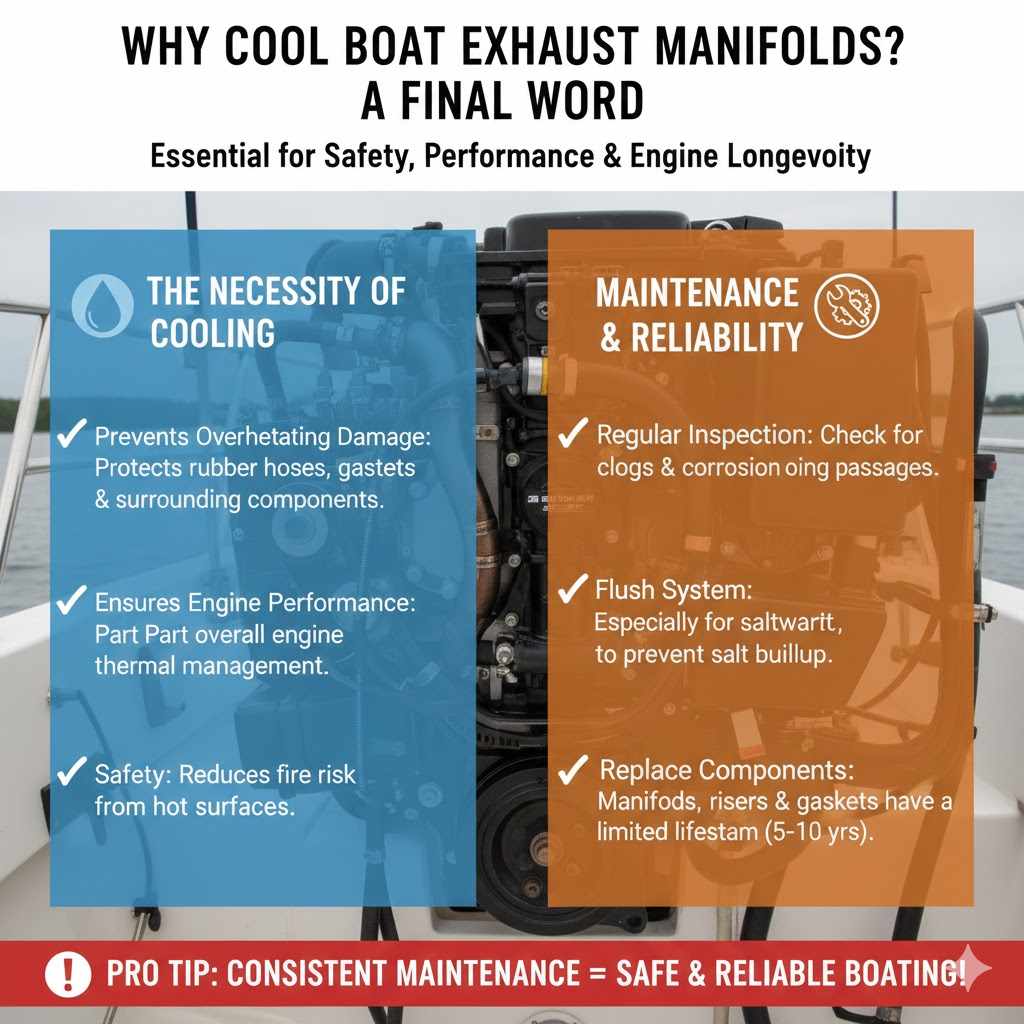
Is It Necessary to Cool Boat Exhaust Manifolds? A Final Word
Yes, it is absolutely necessary to cool boat exhaust manifolds. They are designed to work within specific temperature ranges, and their cooling is integral to the overall engine cooling system. Ignoring this can lead to dangerous situations and costly damage. By understanding how the cooling systems work and performing regular maintenance, you can ensure your boat’s exhaust system remains safe and reliable.
Frequently Asked Questions
Question: Can I run my boat if the exhaust manifold is leaking
Answer: It is not recommended to run your boat with a leaking exhaust manifold. Leaks can allow dangerous carbon monoxide fumes into the boat and can also indicate internal engine problems. It is best to address the leak before operating the boat.
Question: How often should I replace my exhaust manifolds
Answer: The replacement interval for exhaust manifolds varies. Typically, they should be inspected every few years, and replaced when signs of corrosion, thinning metal, or cracks appear. Some sources suggest a replacement every 5-7 years as a preventative measure, but visual inspection is key.
Question: What happens if the exhaust manifold is not cooled
Answer: If the exhaust manifold is not adequately cooled, it can overheat. This can lead to gasket failure, warping of the manifold, cracking, and potential leaks of exhaust fumes or coolant. It can also cause stress on other engine components.
Question: Is raw water cooling better than freshwater cooling for manifolds
Answer: Neither system is definitively “better” for manifolds; they serve different purposes. Freshwater cooling protects the engine block, while raw water typically cools the exhaust components. The key is that the exhaust manifold must receive adequate cooling, usually from raw water, regardless of the main engine cooling system.
Question: Can I use a general automotive exhaust manifold on a boat
Answer: No, you should never use a general automotive exhaust manifold on a boat. Marine exhaust systems are designed to handle different environmental conditions and operate differently, often requiring specialized materials and cooling passages that automotive parts do not have.
Summary
Yes, cooling boat exhaust manifolds is essential for safety and engine longevity. These components endure extreme heat, and their cooling system prevents overheating, which can cause dangerous leaks and costly damage. Regular inspections, flushing, and timely replacement of worn parts ensure your exhaust system functions correctly. Prioritizing this maintenance keeps your boat reliable and your engine running smoothly.