
Are Car Exhaust Fumes Heavier Than Air? Shocking Facts Revealed
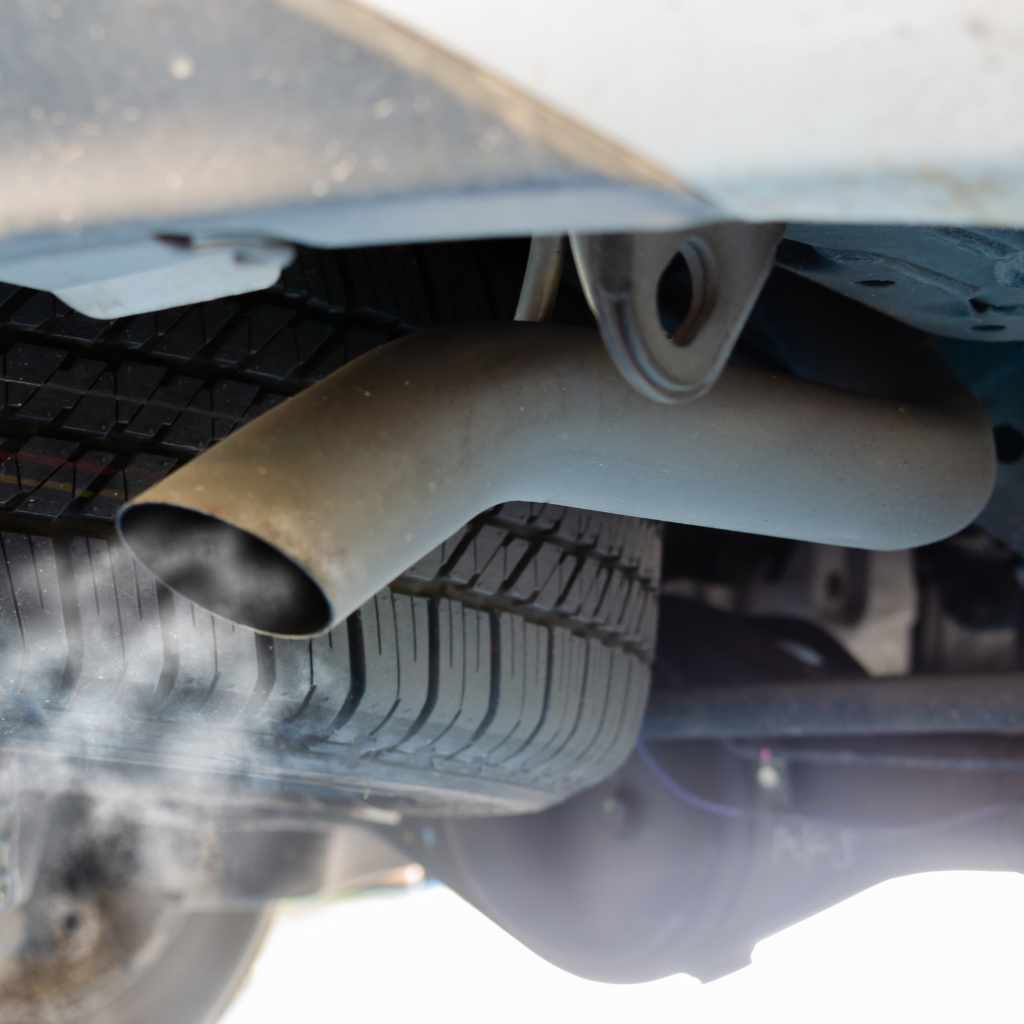
Have you ever wondered what happens to car exhaust fumes after they leave the tailpipe? Are these fumes heavier than the air around you, or do they rise and disappear quickly?
Understanding this can help you stay safer when you’re near busy roads or in a garage. You’ll discover surprising facts about car exhaust fumes and how their weight affects the air you breathe. Keep reading—you might be more at risk than you think.
Composition Of Car Exhaust Fumes
Car exhaust fumes come from burning fuel inside the engine. These fumes contain many gases and tiny particles. The mix changes based on the fuel type and engine condition.
Understanding what is in exhaust helps us know how it affects air and health.
Main Components And Their Properties
Car exhaust mainly has gases like carbon dioxide, carbon monoxide, nitrogen oxides, and water vapor. It also contains tiny solid particles called soot. Most gases are invisible and colorless. Some gases can smell bad or be harmful.
Each gas has a different weight and behavior in the air. This affects how the fumes spread and settle.
Carbon Dioxide And Its Density
Carbon dioxide (CO2) is a big part of car exhaust. It is heavier than air. Air’s average density is about 1.225 kg/m³. CO2’s density is about 1.977 kg/m³ at room temperature.
This means CO2 can sink close to the ground in calm air. It does not mix quickly with lighter air.
Other Gases Present In Exhaust
Car exhaust also has nitrogen oxides (NOx), carbon monoxide (CO), and hydrocarbons (HC). Nitrogen oxides are slightly heavier than air. Carbon monoxide is almost as heavy as air. Hydrocarbons vary but often are heavier too.
Water vapor in exhaust is lighter than air and rises fast. The mix of gases changes with engine speed and fuel type.
Density Comparison With Air
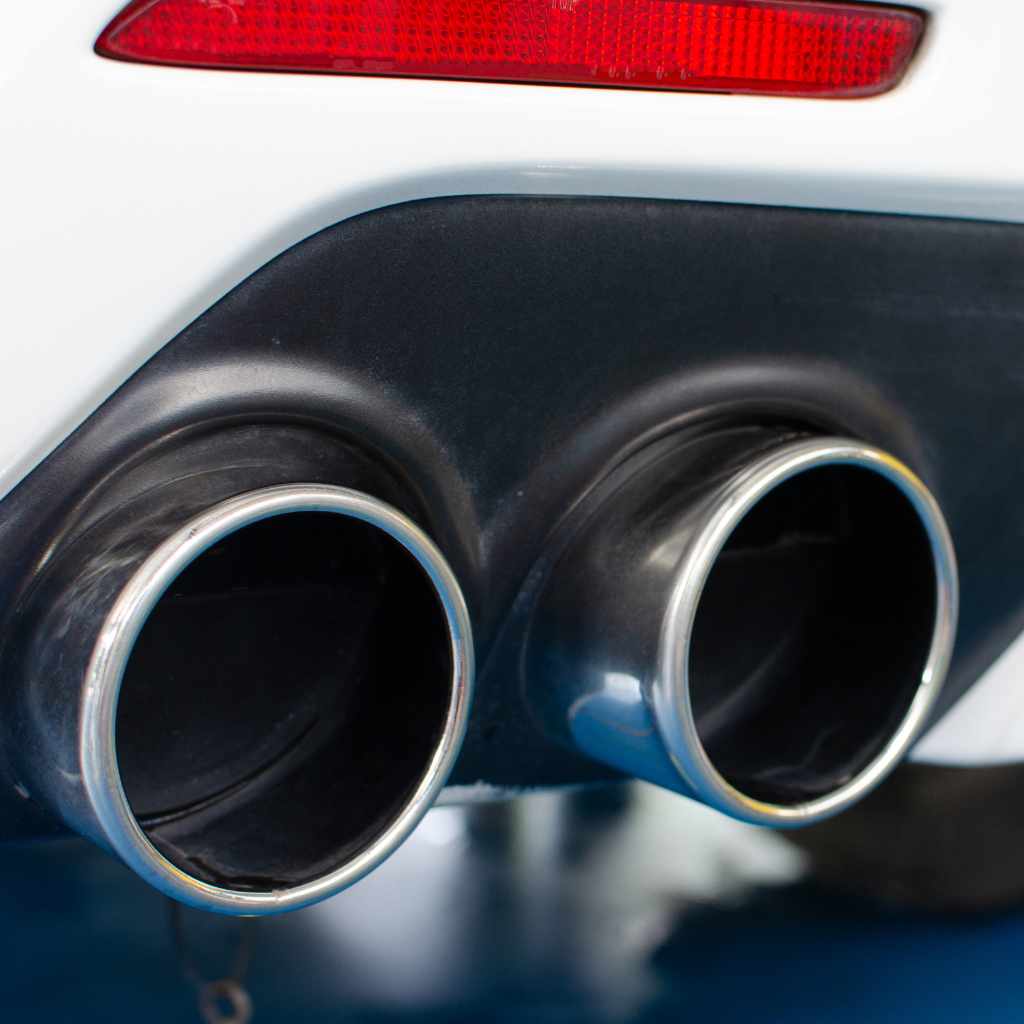
Understanding the density of car exhaust fumes compared to air helps explain how these gases behave outdoors. Density affects whether fumes stay close to the ground or rise up. It also impacts how pollutants spread in the environment.
This section explores the factors that make air heavier or lighter, compares exhaust gases to air, and shows how temperature changes gas density.
What Makes Air Heavier Or Lighter
Air density depends on its components. Nitrogen and oxygen make up most of the air. Other gases, like carbon dioxide and water vapor, change its weight.
Cold air is denser because molecules are closer together. Warm air is lighter since molecules spread out more. Moist air is lighter than dry air because water vapor weighs less than nitrogen or oxygen.
How Exhaust Gases Stack Up
Car exhaust contains carbon dioxide, water vapor, nitrogen oxides, and small particles. Carbon dioxide is heavier than air. Water vapor is lighter than air.
Overall, exhaust fumes tend to be slightly heavier than air. This means they can stay low near roads or ground for some time before mixing with the air.
Impact Of Temperature On Gas Density
Temperature changes the density of both air and exhaust gases. Warm exhaust gases expand and become lighter. Cold conditions make gases denser and heavier.
Hot exhaust fumes may rise quickly. Cooler fumes fall or linger near the surface. Temperature shapes how exhaust gases move and spread outdoors.
Behavior Of Exhaust Fumes Outdoors
Car exhaust fumes behave differently outside than inside. They mix with the open air and move with the wind. Their weight compared to air affects how they spread. Understanding this helps us see how fumes can impact health and safety.
Dispersion Patterns
Exhaust fumes spread out as they leave the tailpipe. Heavier gases tend to stay low, near the ground. Lighter gases rise and mix with the air above. The mix of gases creates different patterns depending on conditions.
Effects Of Wind And Weather
Wind plays a big role in moving exhaust fumes. A strong breeze pushes fumes away quickly. On calm days, fumes may linger longer near the source. Weather like rain or cold air can slow the spread and keep fumes close.
Risks Near Ground Level
Heavier exhaust gases can settle near the ground. This increases the risk for people nearby, especially children and pets. Breathing these gases can cause health problems. Staying away from idling cars helps reduce this risk.
Health Risks Linked To Exhaust Exposure
Car exhaust fumes contain many harmful gases. Breathing these fumes can cause health problems. The risks depend on how much and how long you breathe them. Exhaust fumes are a mix of toxic chemicals and tiny particles.
These pollutants can affect your lungs, heart, and overall health. Understanding the health risks helps protect yourself and others. Below are some effects of exposure to car exhaust fumes.
Short-term Effects
Breathing exhaust fumes for a short time can cause headaches and dizziness. Some people feel nausea or eye irritation. Breathing problems like coughing or wheezing may happen. These effects often go away when fresh air is available.
High exposure, like in traffic jams, can worsen asthma or allergies. Short-term exposure can make breathing hard for some people. It may also lower your ability to concentrate.
Long-term Health Concerns
Long-term breathing of exhaust fumes can cause serious health issues. Lung diseases like bronchitis and asthma may develop over time. Exposure increases the risk of heart disease and stroke. Some chemicals in exhaust fumes are linked to cancer.
Repeated exposure can damage lung tissue and reduce lung function. Children and adults with long-term exposure often face chronic breathing problems. The risk grows higher with more exposure over years.
Vulnerable Populations
Children breathe faster and take in more pollutants. Their lungs and immune systems are still developing. Older adults may have weaker lungs and heart conditions. People with asthma or lung disease are more sensitive to fumes.
Pregnant women exposed to exhaust fumes risk health problems for the baby. Workers near heavy traffic or engines face higher exposure. Protecting these groups from exhaust fumes is very important.
Ways To Minimize Exposure
Car exhaust fumes can be harmful to health. Reducing exposure is important for safety. Simple steps can help lower the risk of breathing in these fumes. This section explores easy ways to minimize exposure to car exhaust.
Ventilation And Airflow Tips
Good airflow helps keep exhaust fumes away. Open windows and doors when near running vehicles. Use fans to move air in enclosed spaces. Avoid staying in areas with poor ventilation. Fresh air reduces the concentration of harmful gases.
Vehicle Maintenance And Emission Controls
Regular car check-ups reduce exhaust pollution. Fix leaks and ensure the exhaust system works well. Use emission control devices like catalytic converters. Clean filters and change oil on time. Proper maintenance lowers harmful gas release.
Alternatives To Traditional Combustion Engines
Electric cars produce no exhaust fumes. Hybrid vehicles reduce fuel use and emissions. Using public transport or biking cuts pollution too. Choosing cleaner options helps protect air quality. These alternatives reduce overall exposure to fumes.
Surprising Facts About Exhaust Gases
Exhaust gases from cars are more complex than most people think. These gases contain many substances that affect air quality and health. Understanding what makes up car exhaust can help us see its true impact on the environment and people.
Unexpected Components
Car exhaust is not just smoke and carbon dioxide. It contains water vapor, nitrogen oxides, carbon monoxide, and tiny particles. Some gases, like nitrogen oxides, cause smog and acid rain. Others, like carbon monoxide, are harmful to humans even in small amounts.
Myths About Weight And Danger
Many believe exhaust fumes are heavier than air and fall to the ground. Actually, some gases are heavier, some lighter. They mix with air and move around. Danger depends more on gas type and concentration, not weight. This means fumes can spread far and affect larger areas.
Technological Advances In Emission Reduction
Car makers improve engines to reduce harmful gases. Catalytic converters change dangerous gases into less harmful ones. New filters catch tiny particles before they leave the exhaust. Cleaner fuels also help lower emissions. These changes make exhaust less damaging to health and nature.
Frequently Asked Questions
Are Car Exhaust Fumes Denser Than Air?
Yes, car exhaust fumes are generally denser than air. They contain heavier gases like carbon dioxide and nitrogen oxides. This causes the fumes to settle closer to the ground, posing health risks when inhaled.
Why Do Exhaust Fumes Accumulate Near The Ground?
Exhaust fumes accumulate near the ground because they are heavier than air. The denser gases do not disperse quickly, increasing exposure risk, especially in low-lying areas or poorly ventilated spaces.
How Do Exhaust Fumes Affect Air Quality?
Exhaust fumes release pollutants like carbon monoxide and nitrogen oxides. These reduce air quality, causing respiratory issues and environmental harm. Proper ventilation and emission controls help minimize their impact.
Can Heavier Exhaust Fumes Cause Health Problems?
Yes, inhaling heavier exhaust fumes can cause headaches, dizziness, and respiratory problems. Prolonged exposure increases risks of serious conditions like lung disease and carbon monoxide poisoning.
Conclusion
Car exhaust fumes are generally heavier than air. They tend to stay close to the ground. This can make them dangerous in enclosed spaces. Breathing in these fumes can harm your health. Always ensure good ventilation near running vehicles. Keep children and pets away from exhaust areas.
Knowing this helps you stay safe and alert. Clean air is important for everyone’s well-being. Stay aware and protect yourself from harmful gases.


