

Are Car Exhaust Fumes a Fine Particulate: Hidden Health Risks Revealed
Have you ever stopped to wonder what exactly is in the smoke coming out of car exhausts? You might be surprised to learn that these fumes are more than just invisible gases—they contain tiny particles called fine particulates.

Simachine
Car Muffler Turbo Whistle Exhaust Pipe Roar…
- Durable Aluminum Alloy Design – High-quality rustproof and corrosion-resistant material ensures longevity under high temperatures…
- Turbocharged Sound Effect – Simulates turbine or blow-off valve sounds to enhance your vehicle’s sporty roar (sound intensity depe…
- Universal Fit – 12*3.5cm ( Length*Diameter ) approx XL. fits most cars, trucks, motorcycles with straight exhaust pipes (displacem…
As an Amazon Associate I earn from qualifying purchases.
These microscopic bits can sneak into your lungs and affect your health in ways you might not expect. If you want to understand how car exhaust fumes impact your air quality and well-being, keep reading. This article will uncover the truth behind those fumes and what they mean for you every time you breathe near traffic.
Car Exhaust Composition
Car exhaust is a mix of gases and tiny particles released when fuel burns. This mixture affects air quality and human health. Understanding what makes up car exhaust helps us see its impact on the environment.
Chemical Components
Car exhaust contains several harmful chemicals. Carbon monoxide (CO) is one of the main gases. It is colorless and odorless but very dangerous. Nitrogen oxides (NOx) come from burning fuel at high temperatures. These gases contribute to smog and acid rain. Hydrocarbons are unburned fuel particles. They react with sunlight and cause ozone formation. Carbon dioxide (CO2) is also present and adds to global warming.
Particulate Matter In Exhaust
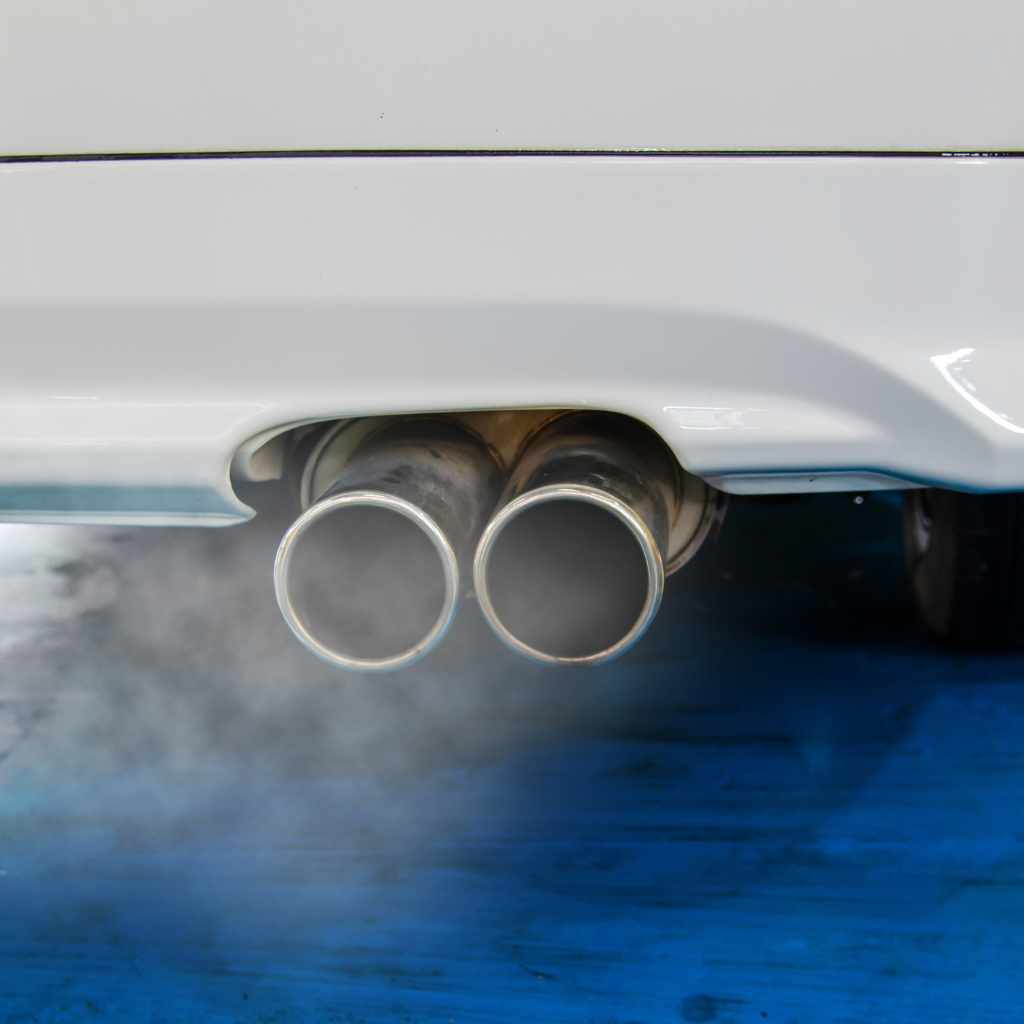
Particulate matter (PM) is tiny solid or liquid particles in exhaust. These particles are so small they can enter the lungs. Diesel engines produce a lot of fine particles called PM2.5. These fine particles are harmful to health. They can cause breathing problems and heart disease. Exhaust also contains soot, which is black carbon. Soot affects air quality and visibility. Reducing particulate matter is important for cleaner air.
Fine Particulates Explained
Fine particulates are tiny particles in the air. They are small enough to enter the lungs and cause health problems. These particles come from many sources, including car exhaust fumes. Understanding their size and where they come from helps us see why they matter.
Size And Characteristics
Fine particulates are smaller than 2.5 micrometers in diameter. To imagine this, a human hair is about 30 micrometers thick. Because of their tiny size, these particles can stay in the air for a long time. They can travel deep into the lungs and even enter the bloodstream. This makes them dangerous to human health. Fine particulates are often made of chemicals, metals, and organic materials. Their makeup depends on the source and the environment.
Sources Beyond Vehicles
Vehicles are a major source of fine particulates, but not the only one. Factories and power plants release many tiny particles into the air. Burning wood and trash also produce fine dust. Natural events, like wildfires and dust storms, add to the particle load. Even cooking and smoking indoors create fine particles. Knowing these sources helps people reduce exposure and protect their health.
Health Effects Of Fine Particulates
Fine particulates in car exhaust fumes pose serious health risks. These tiny particles enter the lungs easily and spread through the body. Understanding their health effects helps protect yourself and your loved ones.
Respiratory Issues
Fine particulates irritate the airways and lungs. They cause coughing, wheezing, and shortness of breath. People with asthma or bronchitis often suffer more. Prolonged exposure increases the risk of lung infections and chronic lung diseases.
Cardiovascular Risks
Fine particles can enter the bloodstream through the lungs. This triggers inflammation and damages blood vessels. It raises the chances of heart attacks and strokes. High pollution areas report more heart-related hospital visits and deaths.
Long-term Exposure Consequences
Continuous exposure to fine particulates harms health over time. It can lead to chronic bronchitis, reduced lung function, and heart disease. Children and elderly people face higher risks. Protecting air quality is essential to reduce these dangers.
Car Exhaust And Fine Particulate Levels
Car exhaust contains many tiny particles. These are called fine particulates or PM2.5. They are so small that they can enter the lungs and cause health problems. Understanding how much fine particulate comes from car exhaust helps us protect our air quality and health.
Fine particulate levels vary depending on many factors. These include the type of car, fuel used, and emission rules. Let’s explore how these factors affect the amount of fine particulate in car exhaust.
Emission Standards And Variations
Emission standards control how much pollution cars can release. These rules aim to reduce fine particulate levels from exhaust. Different countries have different standards. Some have strict limits, while others are less strict.
Newer cars usually meet tighter emission rules. They have better filters and cleaner engines. Older cars often emit more fine particles. Areas with strong regulations see less pollution from cars.
Impact Of Engine Types And Fuel
Engine type affects the amount of fine particulate released. Diesel engines produce more fine particles than gasoline engines. Gasoline cars still emit some fine particulate, but less than diesel.
The kind of fuel also matters. Cleaner fuels create fewer fine particles. For example, low-sulfur diesel reduces particulate emissions. Alternative fuels like electric power produce no exhaust particles at all.
Regular maintenance keeps engines running cleanly. Poorly maintained engines emit more fine particulate. Proper care helps reduce pollution and protect air quality.
Hidden Dangers In Urban Areas
Urban areas hide many dangers from car exhaust fumes. These fumes release tiny particles into the air. These particles are so small they can enter lungs and bloodstream. This can cause serious health problems over time. Understanding where these dangers are worst helps protect health.
Exposure Hotspots
Busy roads and highways are top spots for high exhaust fumes. People near traffic lights and bus stops breathe more polluted air. Crowded parking lots also trap these harmful particles. Indoor areas next to heavy traffic can have poor air quality. These hotspots increase the risk of breathing in fine particles.
Vulnerable Populations
Children breathe faster and take in more air for their size. This makes them more vulnerable to exhaust fumes. Older adults often have weaker lungs and heart issues. People with asthma or lung diseases face greater risks. Living or working near heavy traffic puts these groups at higher danger.
Mitigation And Prevention
Car exhaust fumes release tiny particles that harm air quality and health. Reducing these fine particles needs action from technology, policy, and individuals. Everyone plays a role in cutting pollution from car emissions.
Technological Innovations
New car engines burn fuel more cleanly. Filters in exhaust systems catch fine particles before release. Electric cars produce no exhaust fumes at all. Hybrid cars use less fuel and emit fewer particles. Advances in fuel types also reduce harmful emissions.
Policy Measures
Governments set rules to limit car pollution. Emission standards force cleaner vehicle designs. Cities create low-emission zones to protect air quality. Incentives help buyers choose electric or hybrid cars. Public transport improvements reduce the number of cars on roads.
Personal Protection Tips
Keep your car well-maintained to reduce emissions. Avoid idling your engine for long periods. Walk, bike, or use public transport often. Choose routes with less traffic to avoid heavy fumes. Use masks during high pollution days for extra safety.
Frequently Asked Questions
What Are Car Exhaust Fumes Made Of?
Car exhaust fumes contain gases like carbon monoxide, nitrogen oxides, hydrocarbons, and fine particulate matter. These particles are tiny solids or liquid droplets suspended in the air. They result from incomplete fuel combustion and contribute to air pollution and health risks.
Are Car Exhaust Fumes Considered Fine Particulate Matter?
Yes, car exhaust fumes include fine particulate matter (PM2. 5). These particles are smaller than 2. 5 micrometers and can penetrate deep into lungs. PM2. 5 from exhaust poses serious health hazards like respiratory and cardiovascular diseases.
How Do Fine Particulates Affect Human Health?
Fine particulates can enter the lungs and bloodstream, causing inflammation and damage. Long-term exposure increases risks of asthma, heart disease, and lung cancer. Children, elderly, and those with pre-existing conditions are especially vulnerable.
Can Car Exhaust Fumes Impact Air Quality?
Car exhaust is a significant source of urban air pollution. It releases nitrogen oxides and fine particulates that degrade air quality. Poor air quality affects visibility and increases respiratory problems in populations near traffic.
Conclusion
Car exhaust fumes contain tiny particles that affect air quality. These fine particles can harm lungs and cause health problems. Reducing exposure helps protect your health and the environment. Staying informed about air pollution makes a difference. Clean air benefits everyone, especially children and the elderly.
Small changes, like using cleaner fuels, can lower pollution. Everyone plays a role in keeping the air safe and clean.
Related pick: Check today's price on Amazon


