Are Cat Back Exhaust Legal in Maryland: What You Must Know
Are you thinking about installing a cat back exhaust on your car in Maryland? Before you make any changes, it’s important to know if these exhaust systems are legal where you live.
You don’t want to invest in an upgrade only to face fines or trouble with the law. You’ll discover the key facts about Maryland’s rules on cat back exhausts. By the end, you’ll know exactly what’s allowed and what isn’t, helping you make the best choice for your vehicle and peace of mind.
Keep reading to protect your ride and avoid costly mistakes.
Maryland Exhaust Laws
Maryland has clear rules about vehicle exhaust systems. These laws protect air quality and reduce noise pollution. Understanding these rules helps car owners keep their vehicles legal and safe on the road.
Exhaust systems, like cat-back setups, must follow specific state laws. These laws cover noise levels, emissions, and vehicle inspections. Knowing these details is key before modifying your exhaust in Maryland.
State Noise Regulations
Maryland limits how loud a vehicle can be. The state measures noise near the vehicle while it runs. Loud exhaust systems may break the law. Cat-back exhausts must not exceed the allowed decibel level. Police can ticket vehicles that are too noisy.
Emission Standards
Maryland requires all vehicles to meet clean air standards. The exhaust system must not increase pollution. Cat-back exhausts must keep emissions within legal limits. Removing or altering parts like the catalytic converter is illegal. Staying within these rules helps reduce harmful gases.
Inspection Requirements
Maryland requires regular vehicle inspections. During these, exhaust systems are checked. Inspectors look for proper emissions control and noise levels. A cat-back exhaust must pass these inspections to keep your car legal. Failing inspections means you must fix the exhaust system.
What Is A Cat Back Exhaust?
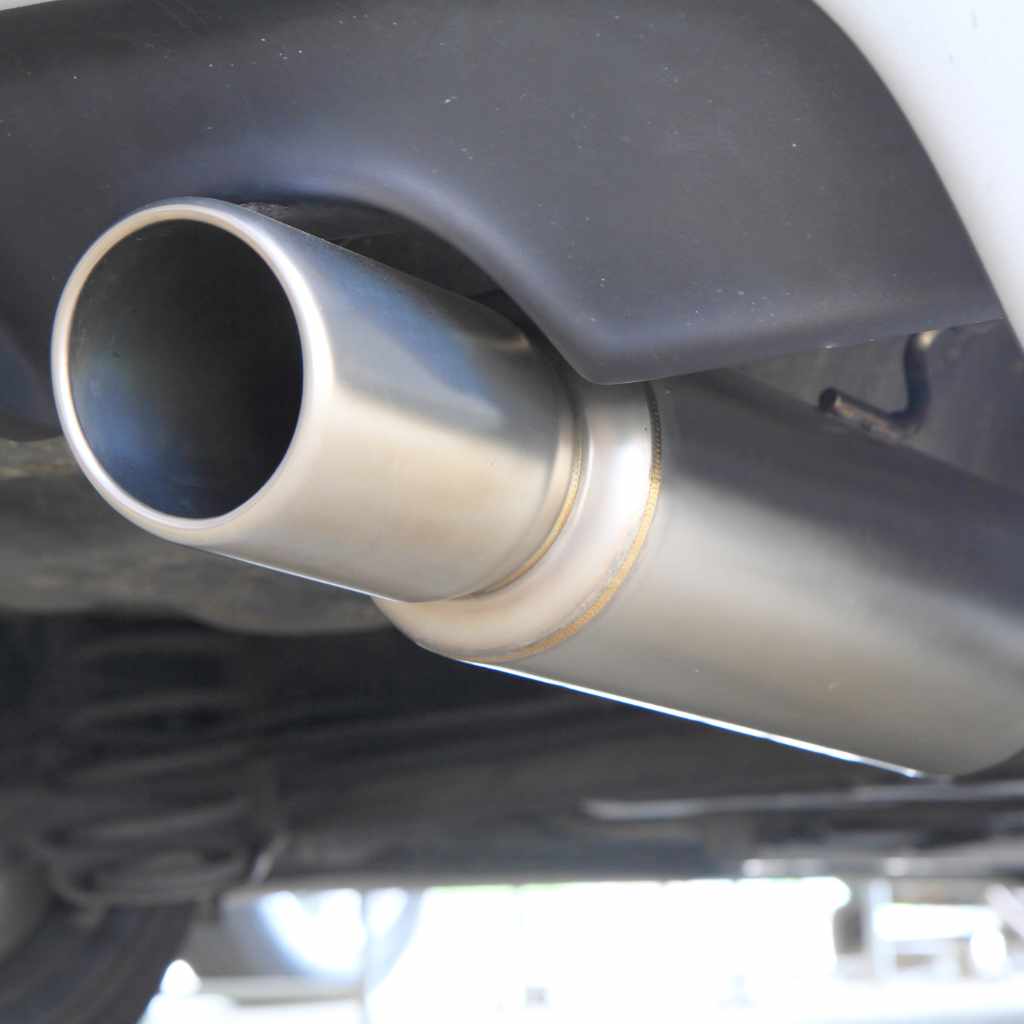
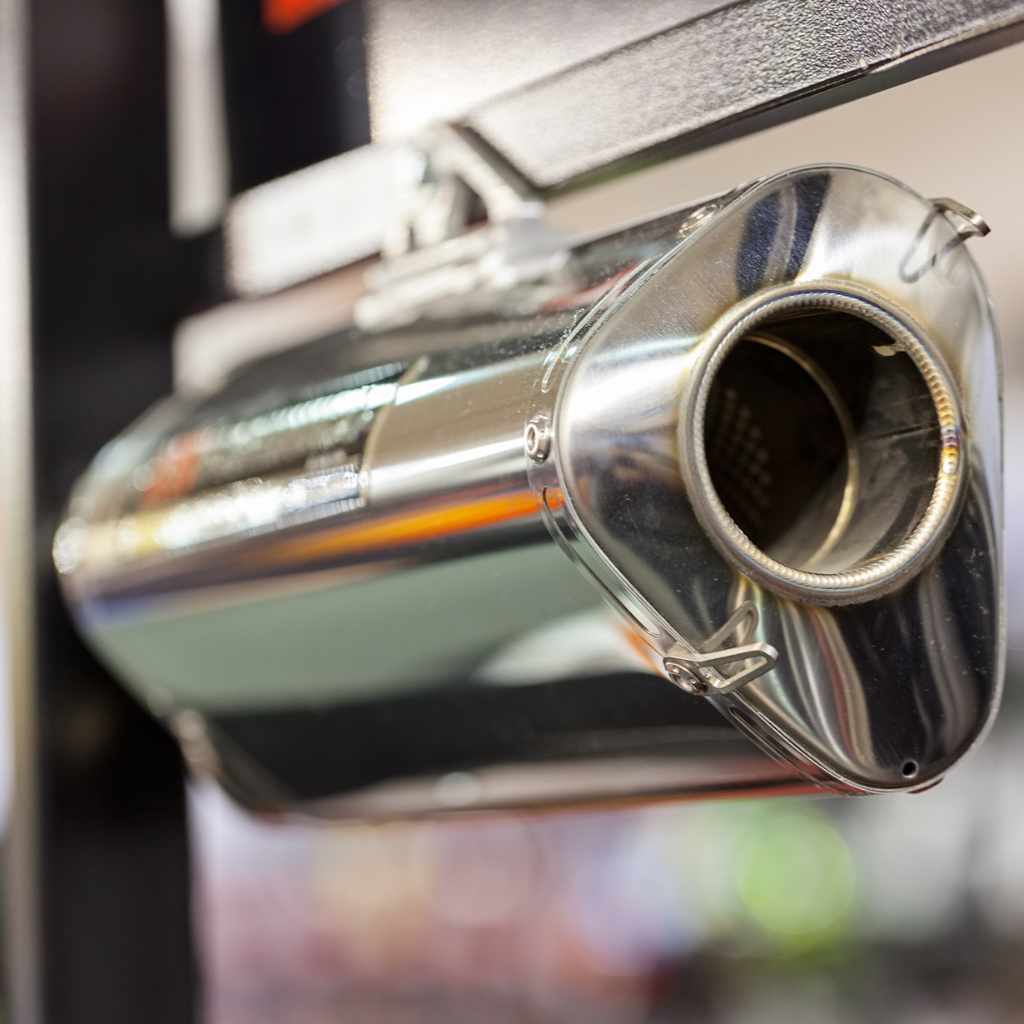
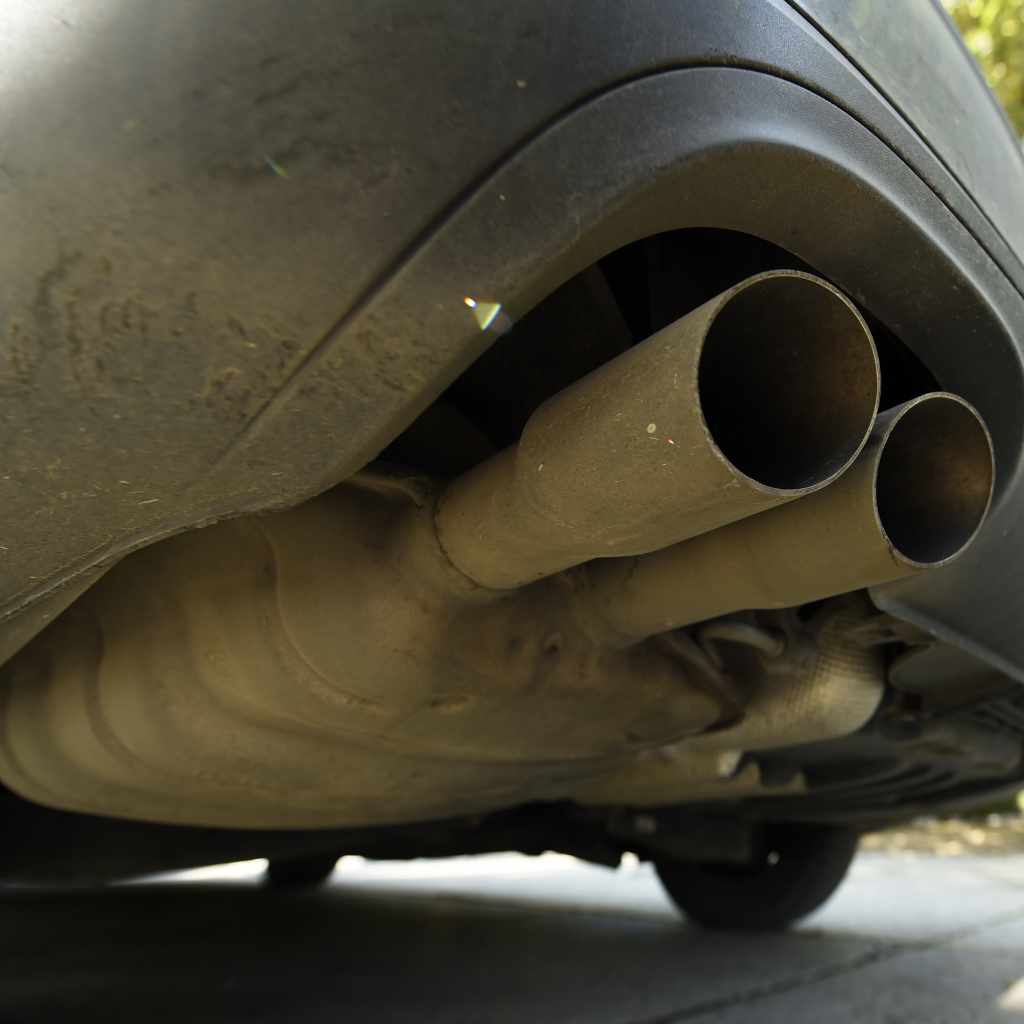
A cat back exhaust is a popular upgrade for many car owners. It starts right after the catalytic converter and runs to the rear of the vehicle. This system replaces the exhaust pipe, muffler, and tailpipe. It helps improve the sound and performance of the car. Many drivers want to know what parts are included and how it can benefit their vehicle.
Components Included
A cat back exhaust includes the pipe after the catalytic converter. It also contains the muffler and the tailpipe. These parts work together to move exhaust gases out quickly. The system does not change the catalytic converter itself. It only replaces the parts behind it.
Performance Benefits
This exhaust system can improve engine power. It reduces backpressure, allowing exhaust gases to flow freely. This helps the engine breathe better and run more efficiently. Many drivers notice a deeper, louder exhaust sound. It also can improve fuel efficiency slightly in some cases.
Common Materials
Cat back exhausts come in different materials. Stainless steel is popular for its strength and rust resistance. Aluminum is lighter but less durable. Mild steel is cheaper but may rust faster. Choosing the right material affects the system’s lifespan and performance.
Legality Of Cat Back Exhausts In Maryland
The legality of cat back exhaust systems in Maryland is a key concern for many car owners. These exhausts replace the system from the catalytic converter to the rear of the vehicle. They can improve performance and sound. But Maryland has specific rules to keep vehicles safe and quiet. Understanding these laws helps avoid fines and trouble with police.
Noise Limit Compliance
Maryland sets strict noise limits for vehicles. Cat back exhausts often increase sound levels. The law requires exhaust noise to stay below certain decibel levels. Vehicles that are too loud can be fined. Testing may occur during inspections or if a complaint is made. Choose an exhaust that meets these noise rules to stay legal.
Emission Compliance
Exhaust systems must not affect emission controls. The catalytic converter must stay in place and work properly. Cat back exhausts only replace parts after the converter. Maryland enforces strict emission standards to protect air quality. Removing or damaging emission parts can lead to penalties. Make sure your cat back exhaust does not change emission output.
Aftermarket Modifications Rules
Maryland allows some aftermarket exhaust modifications. But the changes must not break noise or emission laws. Modifications should keep the vehicle street-legal. Custom parts need to pass inspection. Selling or installing illegal exhaust parts is against the law. Always verify that your exhaust system follows Maryland’s aftermarket rules.
Consequences Of Illegal Exhaust Systems
Using an illegal exhaust system, like a cat-back exhaust not allowed in Maryland, can lead to serious problems. These systems often break noise and emission rules. Owners face trouble beyond just the initial cost. Knowing the consequences helps avoid costly mistakes.
Fines And Penalties
Maryland law enforces strict fines for illegal exhausts. Police may stop drivers for loud or modified exhausts. Fines can reach hundreds of dollars. Repeat offenses bring higher penalties. Paying fines hurts your wallet and peace of mind.
Vehicle Inspection Failures
Maryland requires regular vehicle inspections. Illegal exhausts often cause a car to fail. Failed inspections mean no registration renewal. You cannot legally drive without passing inspection. Repairing or replacing the exhaust adds unexpected costs.
Impact On Resale Value
Cars with illegal exhaust systems lose value. Buyers want vehicles that meet state laws. Illegal modifications scare potential buyers away. Selling becomes harder and takes longer. A legal exhaust system protects your investment better.
How To Ensure Your Cat Back Exhaust Is Legal
Ensuring your cat back exhaust is legal in Maryland protects you from fines and vehicle issues. It requires choosing the right parts, proper fitting, and keeping your system in good shape. Following these steps helps you enjoy your car without legal trouble.
Choosing Certified Products
Pick cat back exhaust parts that meet Maryland’s state rules. Look for certification labels on the packaging. These products are tested for sound and emissions. Using certified parts reduces the risk of breaking laws.
Professional Installation
Have a skilled mechanic install your cat back exhaust. Proper fitting avoids leaks and noise problems. Experts know local rules and can ensure your system passes inspections. Poor installation can cause legal issues and damage your car.
Regular Maintenance
Check your exhaust system often for damage or wear. Clean and repair parts to keep noise and emissions low. Regular upkeep keeps your cat back exhaust legal and working well. Ignoring maintenance can lead to fines and costly repairs.
Alternative Exhaust Options For Maryland Drivers
Maryland drivers have several ways to upgrade their exhaust systems while staying legal. Choosing the right exhaust can improve performance, sound, and fuel efficiency. It also helps meet state noise and emissions rules.
Exploring alternative options can save money and avoid fines. Different choices fit different needs and budgets. Here are some common alternatives to cat-back exhaust systems in Maryland.
Oem Replacement Parts
OEM parts match the original equipment on your vehicle. They keep your car running smoothly and meet Maryland’s legal standards. Using OEM parts ensures compliance with emissions and noise laws.
These parts are easy to find and install. They offer reliable performance without risking legal trouble. OEM replacements maintain your car’s warranty and resale value.
Muffler Upgrades
Upgrading your muffler can enhance your car’s sound and reduce noise. Many mufflers are designed to meet Maryland’s noise limits. Some models improve exhaust flow and engine efficiency.
Muffler upgrades often cost less than full exhaust systems. They are simpler to install and legal if they meet state standards. Choose mufflers labeled as street-legal or noise-compliant.
Eco-friendly Exhaust Systems
Eco-friendly exhausts reduce harmful emissions and improve fuel economy. These systems often use advanced catalytic converters and filters. Maryland supports clean air with strict emissions rules.
Installing eco-friendly exhaust parts helps your car pass inspections. They are a smart choice for drivers who want to protect the environment. These systems work well with hybrid and gasoline cars alike.
Frequently Asked Questions
Are Cat-back Exhaust Systems Legal In Maryland?
Yes, cat-back exhaust systems are legal in Maryland if they comply with state noise and emissions laws. They must not exceed noise limits or alter emissions controls.
Do Maryland Laws Regulate Exhaust Noise Levels?
Yes, Maryland enforces noise limits on vehicle exhausts. Modified exhausts must meet these standards to avoid fines or penalties.
Can Cat-back Exhaust Affect Maryland Vehicle Inspections?
No, cat-back exhaust systems generally do not affect Maryland vehicle inspections if emissions components remain intact and operational.
Are There Specific Restrictions On Aftermarket Exhausts In Maryland?
Maryland restricts exhaust modifications that increase noise or emissions beyond legal limits. Always check local regulations before installation.
Conclusion
Cat back exhaust systems in Maryland must meet state rules. They should not increase noise beyond legal limits. Emissions must stay within allowed levels to pass inspections. Always check local laws before installing any exhaust parts. Staying informed helps you avoid fines or problems.
Choose parts that fit your car and follow regulations. Safe driving includes using legal car modifications. Keep your vehicle running well and within Maryland’s rules. This way, you enjoy your ride without worry or trouble.