Are Cat Back Exhaust Carb Legal: Essential Facts You Must Know
Are you thinking about upgrading your ride with a cat back exhaust? You’ve probably heard great things about the sound and performance boost it offers.
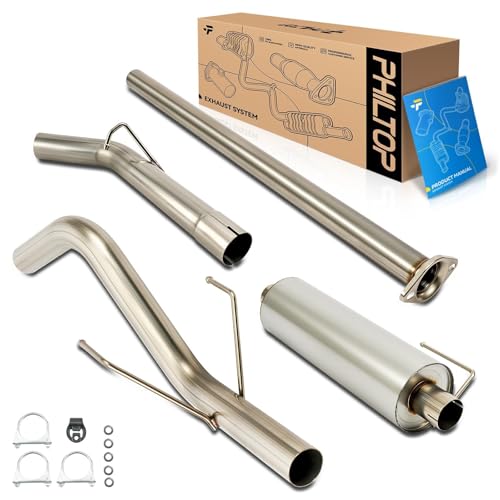
PHILTOP
PHILTOP Cat-Back System Fit for 2005-2009 2011-2015…
- Vehicle Fitment - The Catback System exhaust kit compatible with 2005-2009 2011-2015 Toyota Tacoma 4.0L V6
- Engineering Excellence - Vehicles are all about dependability and capability, which is why MagnaFlow engineers every one of our du…
- Reduce Noise - The larger pipes, low-restriction mufflers, and tuned resonators of a well-designed performance exhaust system can…
As an Amazon Associate I earn from qualifying purchases.
But before you make the switch, one big question might be on your mind: Is a cat back exhaust carb legal? This isn’t just a technical detail—it could affect your ability to drive legally and avoid fines. Keep reading to find out exactly what you need to know to stay on the right side of the law while enjoying your car’s new roar.
Cat Back Exhaust Basics
Understanding the basics of a cat back exhaust helps to know its role in a vehicle. It is a common upgrade for many car owners. It affects sound, performance, and sometimes legality. Knowing what it is and how it works is important before buying one.
What Is A Cat Back Exhaust
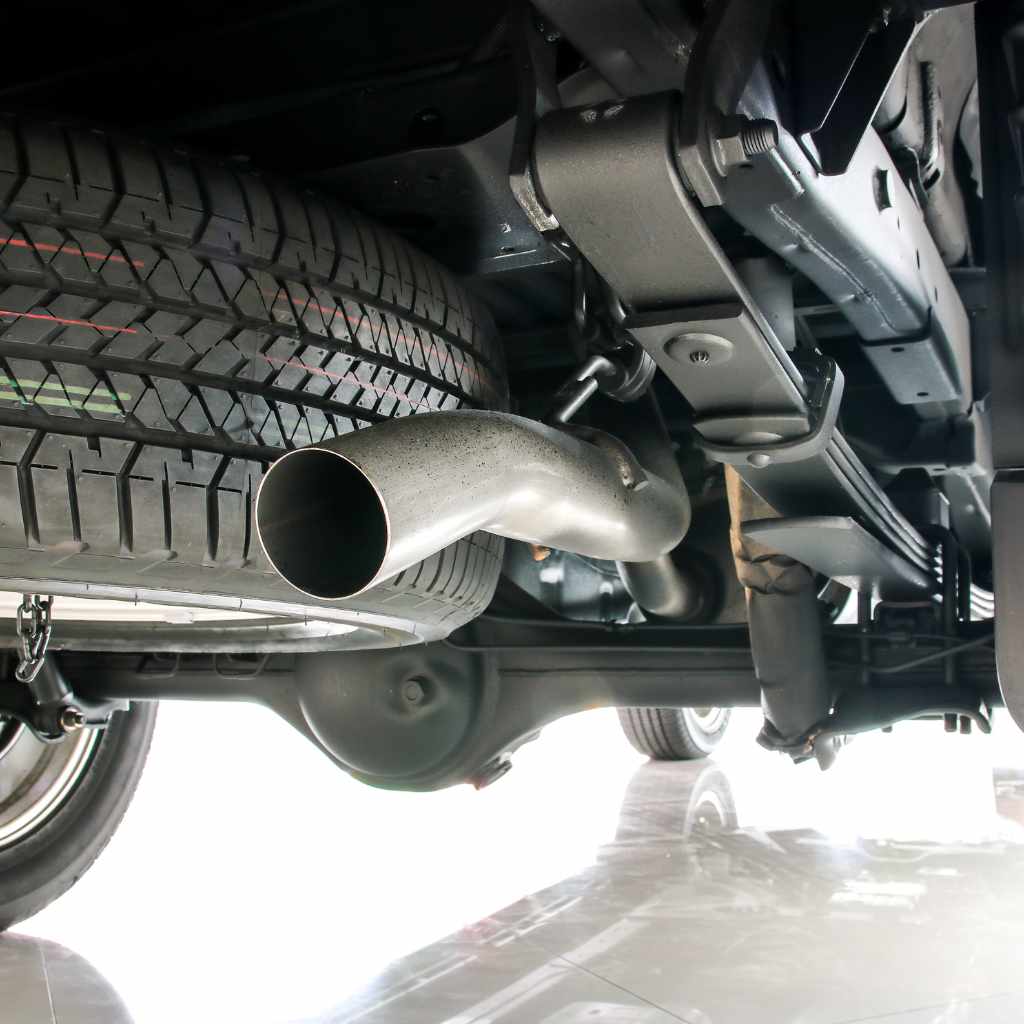
A cat back exhaust is the part of the exhaust system. It starts after the catalytic converter. It includes the pipes, muffler, and tailpipe. It does not include the catalytic converter itself. It helps to move exhaust gases out of the car.
This system replaces the stock parts from the converter back. It changes the sound and flow of exhaust gases. Many people install it to get a deeper sound or better looks. It is a popular upgrade for trucks and sports cars.
How It Affects Vehicle Performance
A cat back exhaust can improve engine performance. It allows exhaust gases to flow more freely. This reduces back pressure and helps the engine breathe better. As a result, the engine can produce more power and torque.
It may also improve fuel efficiency slightly. The engine works more efficiently with less restriction. The sound of the car becomes louder and more aggressive. This is a reason many car lovers choose a cat back system.
Keep in mind, the actual gain depends on the car and setup. Some cars see a small improvement, while others may notice more. The quality of the cat back exhaust also matters for performance.

Carb Regulations And Emissions
Carb regulations and emissions control play a key role in vehicle exhaust legality. These rules ensure cars release fewer harmful gases. Understanding these regulations helps explain if cat back exhausts meet legal standards.
Role Of Catalytic Converters
Catalytic converters reduce harmful emissions from car engines. They change toxic gases into less harmful ones before release. Without them, cars emit dangerous pollutants. Cat back exhausts usually keep the catalytic converter in place. This helps maintain emission control and legal compliance.
Emission Standards Overview
Emission standards set limits on harmful gases from vehicles. These include carbon monoxide, nitrogen oxides, and hydrocarbons. Standards vary by country and state. Cat back exhausts must meet these limits to be legal. Removing or bypassing emissions parts breaks these rules. Compliance ensures safer air and legal driving.
Legality Of Cat Back Exhausts
The legality of cat back exhaust systems depends on various rules. These rules vary by location and authority. Understanding these laws helps avoid fines and penalties. Knowing the difference between federal and state laws is key. Also, common restrictions may apply to your vehicle.
Federal Vs State Laws
Federal laws set basic standards for exhaust systems. They focus mainly on emissions and noise levels. The Environmental Protection Agency (EPA) enforces these rules. States can add their own rules, which may be stricter. Some states require special inspections or certifications. Always check local laws before installing a cat back exhaust.
Common Legal Restrictions
Noise limits are common legal restrictions for exhausts. Many states have rules on how loud your exhaust can be. Some states ban modifications that increase noise too much. Emissions rules may also restrict certain exhaust parts. Removing catalytic converters is illegal in most places. Some areas require the exhaust to keep pollution controls intact. Ignoring these rules can result in fines or your vehicle failing inspection.
Impact On Carbureted Engines
The impact of a cat back exhaust on carbureted engines varies based on design and engine setup. Carbureted engines rely on precise air-fuel mixtures for smooth running. Changes in exhaust flow can alter this balance, leading to issues. Understanding these effects helps maintain engine health and performance.
Compatibility Issues
Cat back exhaust systems may not fit all carbureted engines perfectly. Some systems cause back pressure changes that affect carburetor tuning. This can lead to rough idling and poor acceleration. Adjustments to the carburetor or additional tuning might be necessary. Using a system designed for carbureted engines reduces compatibility problems.
Effect On Emission Controls
Carbureted engines often use basic emission controls compared to modern fuel-injected engines. A cat back exhaust can change exhaust flow and temperature. This may affect catalytic converter efficiency and emission sensors. Poor emission control can cause higher pollution and possible legal issues. It is important to check local laws and emission standards before installation.
Inspection And Compliance Tips
Ensuring your cat back exhaust is legal requires careful inspection and compliance. This process helps avoid fines and keeps your vehicle safe. Regular checks and proper choices matter most. Here are key tips to guide you.