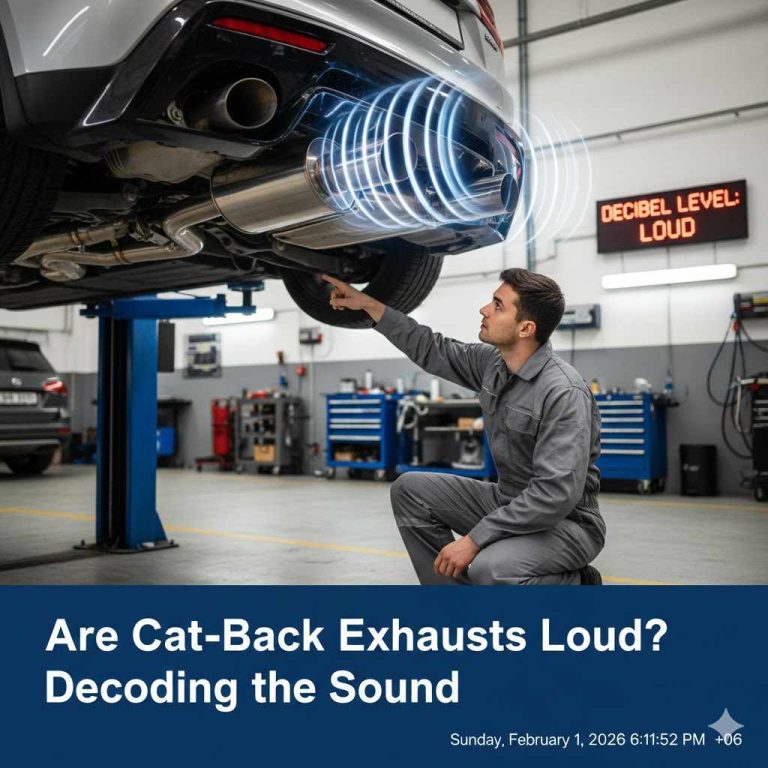
Are Cars With Loud Exhausts Legal: What You Must Know Now
Have you ever wondered if your car’s loud exhaust is actually legal? Maybe you love the roar that turns heads, but you’re not sure where the law stands.
You’re not alone—many drivers ask the same question. Knowing the rules can save you from fines and trouble with the police. You’ll discover exactly what the law says about loud exhausts, why it matters for you, and how to keep your ride both exciting and legal.
Keep reading to find out if your car’s sound is crossing the line.
Legal Limits On Exhaust Noise
Cars with loud exhausts often raise questions about their legality. Laws set limits on the noise vehicles can make. These rules protect public peace and reduce noise pollution. Understanding these legal limits helps drivers avoid fines and penalties. It also guides car enthusiasts who want louder exhausts without breaking laws.
Noise Regulations By Region
Different regions have different rules for exhaust noise. Some places allow louder sounds in rural areas. Cities often have stricter limits to keep noise down. Countries may also vary in their standards. Knowing the local rules is important before modifying exhausts. Lawmakers balance vehicle noise with community comfort.
Decibel Limits Explained
Decibels (dB) measure how loud a sound is. Legal limits usually range from 80 to 95 dB. Some regions set lower limits for new cars. Others allow higher noise for older vehicles. Limits depend on engine size and vehicle type. Measuring is done near the exhaust pipe or at a set distance. Staying under the limit keeps you legal.
Enforcement Agencies
Several agencies enforce exhaust noise laws. Police officers often check noise levels during traffic stops. Some countries have special vehicle inspection centers. Environmental agencies may also monitor noise pollution. These groups issue fines or require fixes for loud exhausts. Enforcement helps keep roads quieter and safer for everyone.

Common Loud Exhaust Modifications
Cars with loud exhausts often use specific modifications to increase sound. These changes can make the car louder and more noticeable on the road. Many drivers choose these mods for style or performance reasons. Understanding common loud exhaust modifications helps explain why some cars sound so loud.
Each modification changes the way exhaust gases flow and how sound is produced. Some parts are removed or replaced to reduce noise control. Here are three popular loud exhaust modifications used by car owners.
Aftermarket Mufflers
Aftermarket mufflers replace the stock muffler with a louder version. They allow exhaust gases to pass through more freely. This change creates a deeper and louder exhaust note. These mufflers come in many designs and sound levels. They are popular because they improve sound without major engine changes.
Removed Resonators
Resonators help reduce certain sound frequencies in exhaust noise. Removing them makes the exhaust sound sharper and louder. Without resonators, exhaust noise can become more aggressive. This mod is common among drivers wanting a louder and more raw sound. It is simple but can increase noise significantly.
Straight Pipes
Straight pipes remove all mufflers and resonators from the exhaust system. This allows exhaust gases to flow without obstruction. The result is very loud and free-flowing exhaust noise. Straight pipes are often used in racing or off-road vehicles. They are the loudest modification and usually not street legal in many areas.
Safety And Environmental Impact
Cars with loud exhausts often raise safety and environmental concerns. These vehicles can affect people and nature in many ways. Understanding these impacts helps explain why laws exist about exhaust noise and emissions.
Exhaust noise is not just a nuisance. It can cause real harm to health and the environment. The next sections explore noise pollution, emissions, and effects on wildlife.
Noise Pollution Effects
Loud exhausts increase noise pollution in cities and neighborhoods. This noise can cause stress and disturb sleep for many people. Prolonged exposure to loud sounds may lead to hearing loss. Noise pollution also reduces quality of life and can make areas less pleasant.
Emission Concerns
Many loud exhausts come from modified systems that change emissions. These changes can increase harmful gases released into the air. Pollutants like carbon monoxide and nitrogen oxides harm human health. They contribute to smog, breathing problems, and heart disease. Clean air laws regulate these emissions to protect public health.
Impact On Wildlife
Loud exhaust noise can disturb animals and their habitats. Sudden or constant noise scares wildlife and changes their behavior. It may cause animals to leave safe areas or stop feeding. Noise pollution can harm bird communication and breeding. Protecting wildlife requires controlling loud noises near natural habitats.
Penalties For Illegal Exhaust Noise
Cars with loud exhausts may attract attention. But loud noise often breaks the law. Authorities set rules to control exhaust noise. Penalties exist to discourage illegal modifications. Understanding these penalties helps avoid trouble.
Fines And Tickets
Drivers caught with illegal exhaust noise face fines. These fines vary by location and offense severity. Police issue tickets on the spot or by mail. Fines can range from small amounts to hundreds of dollars. Repeat offenses lead to higher fines. Paying the fine is mandatory to avoid more problems.
Vehicle Impoundment
In some cases, authorities may impound the vehicle. Impoundment happens if noise levels are extremely high. It also occurs if the driver ignores warnings. The car stays in custody until repairs are made. Owners must pay fees to get the vehicle back. This penalty causes inconvenience and extra costs.