Are Jeep Downstream Oxygen Sensors the Same? Find Out!
Have you ever wondered whether all Jeep downstream oxygen sensors are created equal? This might seem like a trivial question, but the answer could have a significant impact on your vehicle’s performance and efficiency.

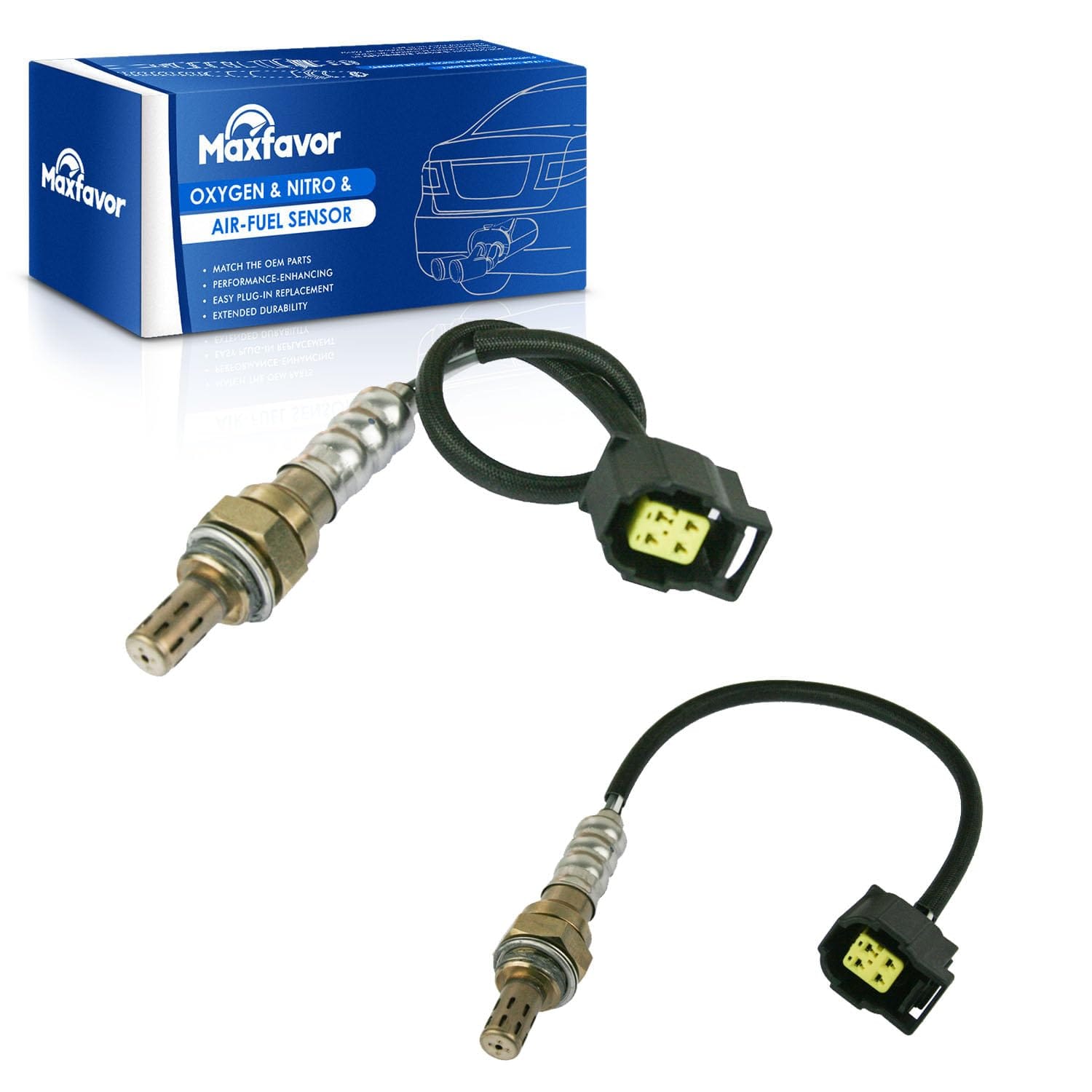
QIYBONE
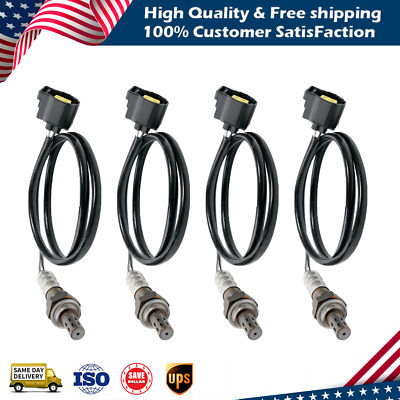
4PCS Oxygen O2 Sensor Upstream Downstream 234-4587…
- 【Vehicle Fitment for Jeep】Compatible With Jeep Cherokee 3.2L 2014-2022; Jeep Commander 3.7L 4.7L 5.7L 2006-2010; Jeep Compass 2.0L…
- 【Vehicle Fitment for Dodge】Compatible With Dodge Avenger 2.0L 2.4L 2.7L 3.5L 3.6L 2008-2014; Caravan 2.4L 3.3L 2004-2007; Caliber…
- 【Vehicle Fitment for Chrysler】Compatible With Chrysler 200 2.4L 3.6L 2011-2017; Chrysler 300 2.7L 3.5L 3.6L 5.7L 6.1L 6.4L 2005-20…
As an Amazon Associate I earn from qualifying purchases.
As a Jeep owner, you rely on your vehicle to get you from point A to B with ease and reliability. But what if a small component like the oxygen sensor is the key to maintaining that dependability? We will delve into the world of Jeep downstream oxygen sensors, exploring whether they are indeed the same, and what that means for you and your beloved ride.
Understanding this could save you time, money, and unnecessary stress. So, if you’re ready to ensure your Jeep runs at its best, keep reading to uncover the truth behind these essential components.
Understanding Downstream Oxygen Sensors
Understanding downstream oxygen sensors is crucial for anyone looking to maintain their Jeep’s performance and efficiency. These sensors play a vital role in monitoring and regulating the vehicle’s emissions system. They ensure your Jeep runs smoothly while minimizing its environmental impact. But what exactly do they do, and why should you care?
Function In Emission Systems
Downstream oxygen sensors are located in the exhaust system, usually after the catalytic converter. Their primary function is to measure the oxygen levels in the exhaust gases exiting your Jeep. This information is crucial because it helps the vehicle’s computer system adjust the air-fuel ratio, ensuring efficient combustion and reducing harmful emissions.
Imagine taking a breathalyzer test, but for your Jeep. The sensor reads the “breath” of your vehicle, checking if it’s polluting too much. If the oxygen levels are off, it signals that something might be wrong, prompting adjustments to keep your emissions in check.
Importance For Engine Performance
These sensors are not just about keeping emissions low; they also impact engine performance. A faulty downstream oxygen sensor can lead to incorrect air-fuel mixtures, which may cause your engine to run inefficiently. This inefficiency can result in poor acceleration, decreased fuel economy, and even engine damage over time.
Imagine driving up a steep hill and feeling your Jeep struggle. It could be a sign that your oxygen sensor isn’t doing its job. Replacing or maintaining these sensors can help restore that lost power and ensure your Jeep runs at its best.
Do you recall a time when your vehicle’s check engine light came on unexpectedly? Often, a faulty oxygen sensor is the culprit behind that persistent warning. Regular checks and timely replacements can save you from costly repairs down the line and keep your Jeep running like a dream.
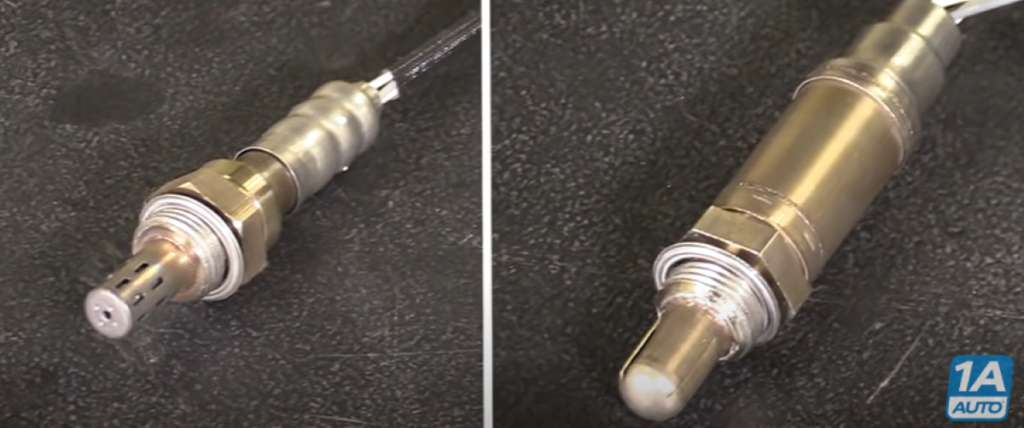
Credit: blog.1aauto.com
Jeep Models And Sensor Compatibility
Jeep enthusiasts know the thrill of off-road adventures and the importance of maintaining their vehicles for peak performance. One crucial component in your Jeep’s engine is the downstream oxygen sensor. This sensor plays a vital role in monitoring and optimizing fuel efficiency and emissions. But are all Jeep downstream oxygen sensors the same? Understanding the compatibility between different Jeep models and their sensors can save you time, money, and potential headaches.
Different Jeep Models
Jeep has a rich lineup, from the rugged Wrangler to the versatile Cherokee and the luxurious Grand Cherokee. Each model may have unique specifications and requirements for parts like the downstream oxygen sensor.
For instance, a 2010 Jeep Wrangler may not use the same sensor as a 2015 Jeep Grand Cherokee. Models can vary not only in size and power but also in technology and emissions standards. Knowing your specific Jeep model and its sensor needs is the first step in ensuring proper maintenance.
Oem Vs Aftermarket Sensors
When replacing your oxygen sensor, you face a choice: Original Equipment Manufacturer (OEM) or aftermarket. OEM sensors are made by the same company that produced your Jeep’s original parts. They guarantee a perfect fit and reliability.
On the other hand, aftermarket sensors are produced by third-party companies and may offer cost savings. However, quality can vary widely, and not all aftermarket parts provide the same performance as OEM. Have you ever tried an aftermarket product that didn’t live up to expectations?
Choosing between OEM and aftermarket depends on your priorities—whether you value guaranteed quality or are looking for a budget-friendly option. Weighing the pros and cons of each option will help you make an informed decision.
Next time you’re under the hood, consider the compatibility and quality of your Jeep’s oxygen sensor. Have you checked if your Jeep’s sensor is due for replacement? Understanding the nuances of your specific model and the available sensor options can keep your Jeep running smoothly on any terrain.
Factors Affecting Sensor Compatibility
Understanding the compatibility of Jeep downstream oxygen sensors can be complex. These sensors play a vital role in monitoring emissions and ensuring optimal engine performance. Various factors influence their compatibility, which is essential for maintaining vehicle efficiency. This section explores key elements that affect sensor compatibility in Jeeps, focusing on engine types and vehicle age.
Engine Types And Configurations
Different Jeep models have unique engine types. Each engine type might require specific oxygen sensors. The configuration of the engine often dictates sensor compatibility. V6 engines might need different sensors compared to V8 engines. Turbocharged engines may have distinct requirements. The arrangement of exhaust systems also affects sensor type. This diversity means not all sensors are interchangeable. Always check engine specifications before purchasing sensors.
Impact Of Vehicle Age
The age of a Jeep impacts sensor compatibility significantly. Older models might use sensors with outdated technology. Newer models often have advanced systems requiring modern sensors. As technology evolves, sensor designs change. Older vehicles may not support newer sensor designs. Compatibility issues can arise when retrofitting old models. Always consider the manufacturing year of your Jeep. Verify sensor compatibility for models from different eras.
Identifying Correct Oxygen Sensors
Jeep downstream oxygen sensors differ in design and compatibility. It’s crucial to identify the correct sensor for optimal performance. Wrong sensors can lead to inefficiency and increased emissions. Always check vehicle specifications before purchasing replacements.
Identifying the correct oxygen sensors for your Jeep can be a bit tricky. You might wonder if all downstream oxygen sensors are the same, but the reality is more complex. Choosing the right sensor is essential for optimal vehicle performance and emissions control. Misidentifying them can lead to poor fuel efficiency or even damage to your Jeep’s engine.
Checking Part Numbers
A quick way to ensure you’re selecting the correct oxygen sensor is by checking the part numbers. The part number is your best friend in this process. It can typically be found in your vehicle’s manual or on the existing sensor itself. You might think all sensors are interchangeable, but they’re not. Each Jeep model and year can have different requirements. Always compare the part number of your existing sensor with the new one.
Visual Inspection Techniques
Visual inspection can be your next step if part numbers are unclear or missing. Sometimes, manufacturers place helpful identifiers directly on the sensor. Look for unique markings or shapes that match the sensor you’re replacing. Consider the wire length and connector type. An incorrect match can lead to installation issues. Have you ever tried fitting a puzzle piece where it doesn’t belong? That’s what it feels like when the connectors don’t match. Inspect for any visible damage or wear on the current sensor.
This can help indicate whether a replacement is needed. Remember, a faulty sensor can lead to engine performance issues. Identifying the right oxygen sensor isn’t rocket science, but it requires attention to detail. Have you ever mistakenly bought the wrong part for your vehicle? Share your experiences and tips in the comments below!
Installation Tips For Jeep Owners
Installing a downstream oxygen sensor in your Jeep can improve engine performance. Correct installation is vital for accurate emissions readings and fuel efficiency. For Jeep owners, knowing installation tips can save time and prevent errors. Follow these steps to ensure a smooth and easy installation process.
Preparation Steps
Begin by gathering the necessary tools. A socket wrench and oxygen sensor socket are essential. Check your Jeep’s manual for sensor specifications. This ensures you have the right part. Disconnect your battery to avoid electrical shorts. Wait for the engine to cool before starting work. This prevents burns and injuries. Place your Jeep on a stable lift or jack stands. Secure it properly to prevent accidents. Locate the downstream oxygen sensor underneath your Jeep. It is usually near the catalytic converter.
Common Mistakes To Avoid
Avoid using excessive force when removing the old sensor. It can damage the threads. Use penetrating oil to loosen stubborn sensors. Do not apply too much anti-seize compound on the new sensor. Excess can cause sensor malfunction. Ensure proper alignment when installing the new sensor. Misalignment may lead to leaks or incorrect readings. Reconnect the battery only after completing the installation. Skipping this step can cause electrical issues. Finally, avoid rushing the process. Take your time to ensure everything is done correctly.
Credit: www.ebay.com
Troubleshooting Sensor Issues
Jeep owners often face challenges with downstream oxygen sensors. These sensors help monitor emissions and fuel efficiency. Faulty sensors can affect engine performance and cause more serious problems. Knowing how to identify and resolve these issues is crucial.
Symptoms Of Faulty Sensors
Several signs indicate problems with oxygen sensors. Poor fuel economy is one common symptom. Engine misfires or rough idling may also occur. The check engine light might turn on. These issues can lead to costly repairs if ignored.
Diagnostic Tools And Techniques
Diagnosing sensor issues requires specific tools. An OBD-II scanner helps identify trouble codes. These codes reveal sensor problems. Visual inspection is also useful. Check for loose connections or damaged wiring. A multimeter can measure sensor voltage. This helps confirm sensor functionality. With these tools, troubleshooting becomes simpler.
Credit: wranglertjforum.com
Frequently Asked Questions
What Is A Downstream Oxygen Sensor?
A downstream oxygen sensor monitors exhaust gases after they pass through the catalytic converter. It helps ensure efficient emissions control. This sensor plays a crucial role in maintaining optimal engine performance and reducing environmental impact. It complements the upstream sensor, which checks oxygen levels before gases enter the converter.
Are Jeep Downstream Sensors Interchangeable?
Not all Jeep downstream sensors are interchangeable. Compatibility depends on the model and year of your Jeep. It’s essential to use the correct sensor for your vehicle to ensure proper functionality. Using a non-compatible sensor can lead to poor engine performance and increased emissions.
How Do Jeep Oxygen Sensors Affect Performance?
Jeep oxygen sensors affect engine performance by monitoring air-fuel mixture. Proper sensor function ensures efficient combustion and optimal fuel economy. Faulty sensors can cause rough idling, increased fuel consumption, and higher emissions. Regular sensor checks can help maintain your Jeep’s engine performance and longevity.
Can A Faulty Sensor Cause Emissions Issues?
Yes, a faulty sensor can lead to increased emissions. It affects the air-fuel ratio, causing inefficient combustion. This results in higher pollutant output, potentially failing emissions tests. Regular maintenance and timely sensor replacement can prevent these issues and ensure compliance with environmental standards.
Conclusion
Understanding Jeep oxygen sensors is crucial for vehicle performance. Not all sensors are the same. Differences exist in design and function. Knowing these can save time and money. Always refer to your vehicle’s manual. This ensures the right fit and function.
Proper maintenance extends the life of your Jeep. Regular checks can prevent future issues. If unsure, consult a professional mechanic. They can provide expert advice. Keep your Jeep running smoothly with the right components. Your vehicle deserves the best care and attention.
Related pick: Check today's price on Amazon