Are Exhaust Pipes Aluminum: Unveiling Material Myths
Have you ever wondered about the materials used in your car’s exhaust system? If you’re curious whether exhaust pipes are made of aluminum, you’re not alone.
SKYMIRO
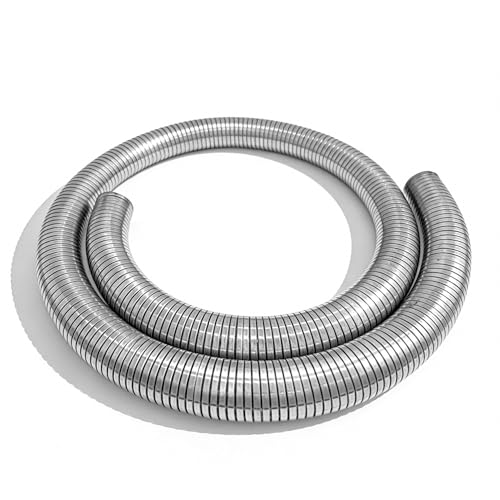
SKYMIRO 1.5 In Exhaust Flex Pipe, 304…
- Premium 304 Stainless Steel: Our exhaust flex pipe is constructed with authentic 304 stainless steel for superior corrosion resist…
- Engineered Durability: The flex pipe exhaust has single-roll-band construction and multi-layer design ensure leak-proof performanc…
- Vibration Absorption: Our flexible exhaust pipe has flex-lock technology that dampens engine vibrations and movement, protecting e…
As an Amazon Associate I earn from qualifying purchases.
Understanding what goes into your vehicle can help you make smarter decisions about maintenance and upgrades. Imagine having the knowledge to improve your car’s performance and longevity. Wouldn’t that be empowering? We’ll uncover the truth behind exhaust pipe materials, particularly focusing on aluminum.
By the end, you’ll have a clear picture of how your car’s exhaust system works and what choices might be best for you. Ready to dive into the details? Let’s go!

Credit: www.youtube.com
Exhaust Pipe Materials
Choosing the right material for your exhaust pipe is crucial. The material affects durability, performance, and aesthetics. Different materials offer unique benefits. Each has its pros and cons. This section will explore common materials used in exhaust pipes. It also highlights aluminum characteristics.
Common Materials Used
Exhaust pipes come in various materials. Steel is popular for its strength. Stainless steel resists rust and lasts longer. Titanium offers lightweight and high performance. Aluminum is also used for its unique properties. Each material serves specific needs.
Aluminum Characteristics
Aluminum is lightweight, aiding in vehicle efficiency. It helps reduce overall weight. This can improve fuel economy. Aluminum resists corrosion, extending exhaust life. It maintains a sleek appearance over time. It also conducts heat well, aiding heat dissipation. However, it may not be as strong as steel. It’s often used in specific applications. Aluminum offers a balance of durability and efficiency.
Aluminum In Exhaust Systems
Aluminum has found its way into various automotive components, and exhaust systems are no exception. Its lightweight nature and durability make it an attractive choice for car manufacturers. However, like any material, aluminum has its set of advantages and drawbacks in the context of exhaust systems.
Benefits Of Aluminum
Aluminum is known for being lightweight, which can significantly reduce the overall weight of your vehicle. This reduction not only enhances fuel efficiency but also improves handling and performance. Picture this: driving a car that feels agile and responsive, all because of a lighter exhaust system.
The material also offers excellent resistance to corrosion. This means your exhaust system is likely to last longer without succumbing to rust. For someone who lives in a region with harsh winters, this can be a game-changer, saving you from frequent replacements.
Additionally, aluminum is relatively easy to work with, making it a cost-effective option for manufacturers. This often translates to savings for you, the consumer, when it comes to maintenance and repairs.
Limitations And Challenges
Despite its benefits, aluminum isn’t without its challenges. It doesn’t handle high temperatures as well as some other metals, like stainless steel. If you’re driving a high-performance vehicle, this could be a concern, as the exhaust system may be exposed to extreme heat.
Aluminum is also more susceptible to fatigue over time. This means that, under certain conditions, it might not withstand the constant vibrations and stress that exhaust systems typically endure. Have you ever noticed an annoying rattle coming from your car? That could be a sign that your exhaust system is wearing out.
Moreover, while aluminum is durable, it’s not the strongest material available. If you often drive on rough terrains, you might experience dents or damage more frequently than with tougher materials.
So, what’s your takeaway? Is aluminum the right choice for your car’s exhaust system? Consider your driving habits and local climate. These factors can help you make an informed decision.
Comparative Analysis
Exhaust systems play a crucial role in vehicle performance. Choosing the right material for exhaust pipes affects durability and efficiency. Aluminum and steel are the two most common options. Understanding their differences helps in making an informed choice.
Aluminum Vs. Steel
Aluminum pipes are lightweight. This reduces vehicle weight and can improve fuel efficiency. Steel pipes are heavier but offer more strength. They withstand higher temperatures compared to aluminum. This makes them suitable for high-performance vehicles.
Aluminum is resistant to corrosion. It does not rust easily, which is beneficial for longevity. Steel can corrode over time, especially in salty environments. Proper maintenance is essential to prevent rust.
Durability And Performance
Aluminum exhaust pipes have a shorter lifespan. They may not handle prolonged exposure to extreme heat. Steel pipes last longer and endure harsh conditions well. They provide reliable performance for many years.
Performance varies between the two materials. Aluminum pipes offer good noise reduction. Steel pipes, being denser, can handle more pressure. They are preferred for vehicles that require strong exhaust systems.
Choosing between aluminum and steel depends on your needs. Consider factors like climate, vehicle type, and budget. Each material has its unique advantages.
Myths And Misconceptions
Exhaust pipes are often misunderstood in terms of their materials. Many people believe they are always made from aluminum. This belief has led to numerous myths and misconceptions. Let’s dive into some of these myths.
Debunking Common Myths
One common myth is that aluminum exhaust pipes are always better. Some assume aluminum is the most durable material. But, this is not entirely true. Steel is often more durable than aluminum. It resists corrosion better in harsh environments. Another misconception is that aluminum pipes are always lightweight. While aluminum is light, not all exhaust systems use pure aluminum. Some combine different metals for strength and performance. Many also think aluminum pipes are cheaper. In reality, costs vary based on design and quality.
Real-world Applications
Aluminum exhaust pipes do have specific uses. They are popular in racing cars for their lightweight nature. This helps improve speed and fuel efficiency. In everyday vehicles, aluminum is less common. Manufacturers prefer steel for its strength and longevity. In performance vehicles, aluminum can reduce overall weight. This is crucial for achieving higher speeds. Yet, in regular cars, steel provides better durability. Each material has its place in the automotive world.
Future Trends
The automotive industry constantly seeks to improve exhaust systems. Future trends in exhaust pipes point towards greater innovation and sustainability. As technology evolves, new materials and designs emerge, promising to enhance performance and reduce environmental impact.
Innovations In Materials
Manufacturers explore advanced materials for exhaust pipes. Aluminum remains popular, but other options gain attention. Composite materials offer strength and lightweight properties. These materials can withstand high temperatures and resist corrosion. Titanium is another material gaining interest for its durability and light weight. These innovations aim to improve the lifespan and efficiency of exhaust systems.
Sustainability And Efficiency
Sustainability drives changes in exhaust pipe production. Companies focus on reducing emissions and waste. Recyclable materials become a priority in manufacturing processes. This approach supports eco-friendly goals and reduces carbon footprints. Efficiency also plays a key role in future trends. Improved designs aim to reduce energy loss and optimize fuel use. These advancements benefit both the environment and vehicle owners.

Credit: dkuperformance.co.uk
Frequently Asked Questions
Are Exhaust Pipes Made From Aluminum?
Exhaust pipes can be made from various materials. Aluminum is one of them, known for its lightweight properties. However, not all exhaust pipes are aluminum; many are made from steel due to its durability. Choosing between aluminum and steel depends on the vehicle’s requirements and the desired performance.
Why Use Aluminum For Exhaust Pipes?
Aluminum is used for exhaust pipes because it is lightweight and resistant to corrosion. Its thermal conductivity helps reduce heat quickly, making it suitable for high-performance vehicles. Despite its benefits, aluminum may not be as durable as steel, which is why it’s less common in standard vehicles.
Are Aluminum Exhaust Pipes Durable?
Aluminum exhaust pipes are durable but less so than steel pipes. They resist corrosion well, but their lightweight nature can mean they are less robust under physical stress. In high-performance applications, durability can be sufficient, but for everyday driving, steel might be preferred for longevity.
Is Aluminum Better Than Steel For Exhaust Pipes?
Aluminum is lighter and resists corrosion better than steel, making it ideal for performance vehicles. Steel, however, is more durable and can withstand physical stress better. The choice depends on the vehicle’s needs and the balance between performance and durability.
Conclusion
Exhaust pipes often use aluminum for its benefits. Aluminum resists rust, making it durable. It’s lightweight, which helps with fuel efficiency. Car manufacturers prefer aluminum for performance and longevity. While not all exhaust pipes are aluminum, many are. It’s important to check your car’s specifications.
This helps in maintenance and replacement. Choosing the right material can affect your car’s performance. Always consult a professional for advice. Understanding your vehicle’s needs ensures better care. Remember, a well-maintained exhaust system keeps your car running smoothly. Stay informed for the best driving experience.
Related pick: Check today's price on Amazon