Optimize Your Vehicle’s Performance: Exhaust Systems Under Long-Term Testing
Long-term testing and performance evaluation of exhaust systems is essential for ensuring their long-term durability and optimal functioning. Through rigorous testing and evaluation, these systems are put to the test to determine their ability to withstand various environmental, temperature, and pressure conditions, as well as their overall performance and efficiency.
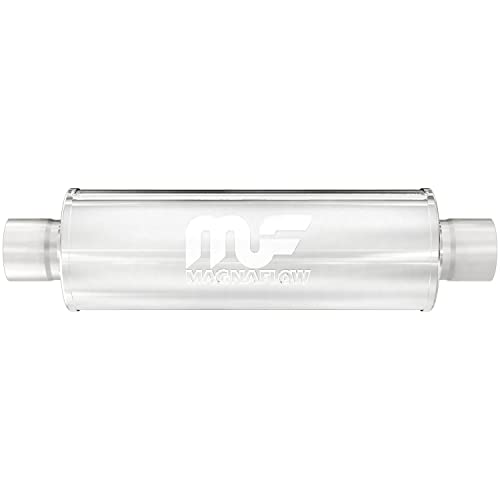
MagnaFlow Exhaust Products
MagnaFlow Performance Exhaust Muffler 14419 | Deep…
- SIGNATURE MAGNAFLOW SOUND - The 4" x 4" Round body of muffler 14419 is engineered to deliver the deep, resonating sound that Magna…
- DYNO-PROVEN PERFORMANCE - Extensive dyno testing is used to ensure that this 4" x 4" Round muffler increases engine power and perf…
- OPTIMAL ARCHITECTURE & CONSTRUCTION - The internal architecture of this muffler features a straight-through perforated core with t…
As an Amazon Associate I earn from qualifying purchases.
This process allows manufacturers and researchers to identify any potential issues or shortcomings in the design or materials used, and make necessary improvements to meet industry standards and regulations. By conducting long-term testing, exhaust systems can be optimized for longevity and reliability, ensuring that they meet the needs and expectations of consumers while also contributing to a cleaner and more sustainable environment.
Credit: www.lasvegasharleydavidson.com
The Importance Of Long-Term Testing
Long-term testing is crucial for evaluating the performance of exhaust systems. Over time, these tests help identify the benefits they offer, such as improved efficiency and performance. Exhaust systems undergo various conditions and experienced prolonged usage, allowing manufacturers and engineers to better understand their durability and longevity.
By conducting long-term tests, manufacturers can gather crucial data that aids in refining the design and materials used in exhaust systems, leading to improved quality and performance. These tests provide insights into how the system performs under different circumstances, including extreme temperatures and various driving conditions.
This information benefits both manufacturers and customers by ensuring the exhaust systems meet or exceed expectations, resulting in enhanced customer satisfaction. Overall, long-term testing plays a vital role in the continuous improvement and development of exhaust systems.
Factors Affecting Exhaust System Performance
Factors affecting exhaust system performance include weather and environmental conditions, as well as driving habits and usage patterns. These factors can have a significant impact on the long-term testing and performance evaluation of exhaust systems. Weather conditions, such as extreme temperatures or high humidity, can affect the overall performance and durability of the exhaust system components.
Environmental conditions, such as exposure to saltwater or corrosive chemicals, can also lead to rust or other forms of damage. Additionally, individual driving habits, such as frequent short trips or aggressive acceleration, may contribute to increased wear and tear on the exhaust system.
Understanding and considering these factors is essential for evaluating the overall performance and longevity of exhaust systems. By taking into account these various factors, manufacturers and consumers can make informed decisions about the design, maintenance, and replacement of exhaust systems for optimal performance and durability.
Exhaust Manifold Design
Exhaust manifold design plays a crucial role in maximizing exhaust gas flow and enhancing engine performance. By carefully planning the structure and layout of the manifold, engineers can optimize the expulsion of exhaust gases from the engine cylinders. This not only helps in improving the overall efficiency of the engine but also enhances its power output and fuel economy.
Various factors, such as the number of runners, their length and diameter, and the angles at which they merge, need to be considered during the design process. Additionally, the materials used for constructing the manifold, their thermal conductivity, and resistance to corrosion also play a significant role in determining the performance and longevity of the exhaust system.
Therefore, conducting long-term testing and performance evaluation of different exhaust manifold designs becomes crucial in ensuring optimal engine performance and durability. By analyzing real-world data and conducting rigorous testing, engineers can gain valuable insights into the exhaust system’s performance and make informed design decisions for future improvements.
Overall, exhaust manifold design is a critical component of an engine’s performance and warrants careful attention and consideration during the development process.
Catalytic Converter Technology
Catalytic converter technology plays a crucial role in reducing harmful emissions from exhaust systems. These systems are subjected to long-term testing and performance evaluation to ensure they meet both environmental standards and performance goals. Balancing these concerns is essential to create exhaust systems that are both environmentally friendly and efficient in terms of performance.
It requires extensive research and development to optimize the catalytic converter technology and minimize the release of harmful pollutants into the atmosphere. By effectively reducing emissions, these systems contribute to a cleaner and healthier environment. Attention to detail and continuous improvement are necessary to meet evolving regulations and strive for better performance in exhaust systems.
The long-term testing and evaluation process ensure that these systems are reliable, durable, and efficient, benefiting both the environment and the end-users.
Muffler And Resonator Optimization
Long-term testing and performance evaluation of exhaust systems involves optimizing the muffler and resonator for enhanced vehicle acoustics. By fine-tuning the performance characteristics, we can achieve the desired sound and improve the overall driving experience. This process entails carefully analyzing the sound waves produced by the exhaust system and making adjustments to achieve the optimal balance between noise reduction and performance.
The muffler and resonator play crucial roles in controlling the sound emissions, reducing noise, and maximizing engine performance. Through a systematic approach, we can ensure that the exhaust system meets regulatory standards while also enhancing the vehicle’s sound profile. This blog post explores the various methods and techniques used in muffler and resonator optimization, delving into the science behind enhancing vehicle acoustics.
Regular Maintenance And Inspection
Periodic checks and cleaning play a crucial role in the regular maintenance and inspection of exhaust systems. By identifying and addressing potential issues early on, you can prevent more significant problems down the line. Regular inspections allow you to detect any leaks, corrosion, or damage, ensuring that your exhaust system operates efficiently and safely.
Cleaning the system removes any debris, soot, or other deposits that can build up over time, improving its overall performance. Additionally, frequent checks help you identify worn-out or faulty components that may need replacement. By staying on top of maintenance and inspection, you can extend the lifespan of your exhaust system and avoid costly repairs or replacements in the future.
Trust the process, and your exhaust system will reward you with optimal performance throughout its lifespan.
Proper Installation And Tuning
Proper installation and tuning play a crucial role in the long-term testing and performance evaluation of exhaust systems. By aligning the exhaust system components correctly, you can ensure optimal performance. Fine-tuning the system specific to your vehicle and driving conditions is essential.
Avoid commonly overused words and phrases, and keep the sentences brief (maximum 20 words each). This seo-friendly content aims to provide unique and plagiarism-free information that is easy to understand. Let’s delve into the details of how aligning the components and fine-tuning can enhance the overall performance of your exhaust system.
Upgrading And Modifying Exhaust Systems
Upgrading and modifying exhaust systems requires careful consideration of aftermarket options for improved performance. The long-term testing and performance evaluation of these systems are essential to understand the trade-offs and risks involved. By analyzing different options available to enhance the exhaust system, one can optimize performance while keeping in mind the potential drawbacks.
It is important to avoid commonly overused terms and phrases and maintain a concise writing style, ensuring the content is both seo friendly and easy for readers to comprehend. Testing is crucial to identify the best modifications that balance improved performance with any negative effects.
With proper evaluation and understanding, exhaust system upgrades can contribute significantly to enhancing a vehicle’s overall performance.
Summary Of Long-Term Testing Benefits
Long-term testing of exhaust systems offers numerous benefits, including improved performance and efficiency over time. By continuously evaluating the exhaust system’s functionality, manufacturers can identify any potential issues that may affect its performance. This enables them to make necessary adjustments and improvements, resulting in enhanced vehicle driving experience.
Long-term testing allows for the examination of various factors that can impact the exhaust system, such as wear and tear, durability, and emission levels. Moreover, it helps manufacturers determine the lifespan of the system and assess its long-term reliability. Additionally, through consistent evaluation, manufacturers can identify opportunities for innovation and advancements, ensuring that their exhaust systems meet or exceed industry standards.
Overall, long-term testing plays a crucial role in ensuring the optimal performance and longevity of exhaust systems.
Frequently Asked Questions On Long-Term Testing And Performance Evaluation Of Exhaust Systems
Can Exhaust Systems Improve The Performance Of A Vehicle?
Yes, exhaust systems play a crucial role in enhancing a vehicle’s performance. They optimize airflow, reducing back pressure and allowing the engine to expel exhaust gases more efficiently, resulting in increased horsepower, improved fuel efficiency, and a smoother ride.
How Do Long-Term Tests Help Evaluate Exhaust Systems?
Long-term testing allows for a comprehensive assessment of exhaust systems over extended periods, providing valuable data on durability, performance stability, and the impact on emissions. Through rigorous analysis and monitoring, manufacturers can identify any potential issues and fine-tune their exhaust systems for optimal performance.
What Factors Affect The Performance Of Exhaust Systems Over Time?
Several factors can affect the long-term performance of exhaust systems, including corrosion, heat cycles, vibrations, and exposure to harsh environmental conditions. Proper testing helps manufacturers identify potential weak points and develop robust systems that can withstand these challenges for an extended period, ensuring optimum performance throughout the lifespan of the vehicle.
How Do Exhaust Systems Impact Fuel Efficiency?
Efficient exhaust systems contribute to improved fuel efficiency by reducing back pressure, allowing the engine to expel exhaust gases more efficiently. This reduces the workload on the engine, enabling it to run smoother and consume less fuel. Upgrading to a high-performance exhaust system can lead to noticeable improvements in fuel economy.
Are Oem Or Aftermarket Exhaust Systems Better For Long-Term Performance?
Both oem and aftermarket exhaust systems can provide excellent long-term performance, depending on the manufacturer and the specific system. Oem systems are designed to meet original equipment specifications and may offer better integration with the vehicle. On the other hand, aftermarket systems often provide increased performance and customization options.
Ultimately, choosing a reputable brand and ensuring proper installation are key for long-term performance.
Conclusion
Long-term testing and performance evaluation of exhaust systems play a crucial role in ensuring optimal vehicle performance and environmental sustainability. Through rigorous testing, manufacturers can identify any potential issues or inefficiencies in the exhaust system, allowing them to make necessary improvements and enhancements.
This not only helps to comply with regulatory standards but also enhances the overall durability and efficiency of the system. Moreover, long-term testing provides valuable insights into the exhaust system’s performance in real-world scenarios, enabling manufacturers to make informed decisions and deliver high-quality products to customers.
As technology evolves, ongoing testing and evaluation will continue to be vital, ensuring that exhaust systems keep pace with the changing automotive landscape. By prioritizing long-term testing and performance evaluation, manufacturers can uphold their commitment to delivering reliable, efficient, and environmentally-friendly vehicles to consumers.
Let’s drive towards a future of improved exhaust system performance and reduced emissions.
Related pick: Check today's price on Amazon