Are Bathroom Exhaust Fans a Standard Size: Essential Guide
Are you wondering if bathroom exhaust fans come in a standard size? If you’ve ever faced the challenge of replacing or installing one, you know how confusing it can be to pick the right fit.
Choosing the wrong size can lead to poor ventilation or a tricky installation. You’ll discover everything you need to know about bathroom exhaust fan sizes—so you can make the best choice for your space without the guesswork. Keep reading to find out what size really matters for your bathroom’s comfort and air quality.
Standard Sizes For Exhaust Fans
Bathroom exhaust fans usually come in sizes that fit most homes. Knowing the standard sizes helps you pick the right fan for your bathroom. It also makes installation easier and faster. Here is a closer look at common sizes and how brands may differ.
Common Dimensions
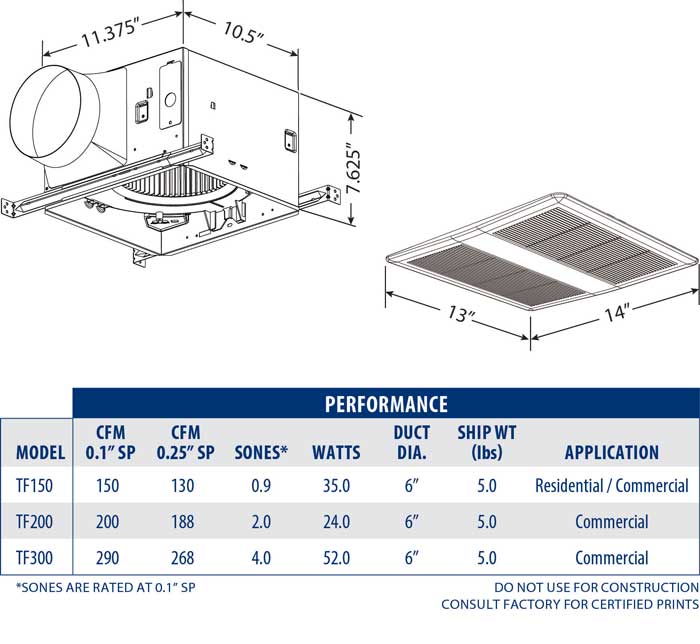
Most bathroom exhaust fans measure about 10 to 12 inches square. The fan housing, which fits inside the ceiling or wall, often matches this size. The grille or cover is usually a bit larger, around 12 to 14 inches square. Depth varies but is commonly between 6 and 8 inches. These sizes suit many standard ceiling joist spacings and wall studs.
Variations By Brand
Brands may offer fans in sizes slightly different from the usual. Some models are smaller, around 8 inches square, ideal for tight spaces. Others are larger or have rectangular shapes for more airflow. Depth can also change depending on motor type and features. Always check the specific measurements before buying to ensure a good fit.
Factors Influencing Fan Size
Choosing the right size for a bathroom exhaust fan depends on several key factors. The size affects how well the fan removes moisture and odors. A fan that is too small will not ventilate properly. One that is too large may waste energy and be noisy. Understanding these factors helps you pick the best fan for your space.
Bathroom Size And Ventilation Needs
The size of your bathroom is the main factor for fan size. Larger bathrooms need fans with higher airflow. Airflow is measured in cubic feet per minute (CFM). A bigger room requires more CFM to clear moisture quickly. Small bathrooms need less powerful fans to avoid over-ventilating. Proper ventilation prevents mold and keeps air fresh.
Duct Size Compatibility
The duct size limits the fan size you can install. Ducts carry moist air outside. If the fan is too large for the duct, airflow will reduce. This lowers fan efficiency and can cause noise. Match the fan’s exhaust size to the duct diameter. Standard duct sizes are 4 or 6 inches. Choosing the right match ensures smooth ventilation and better performance.
Choosing The Right Fan Size
Choosing the right fan size is important for bathroom comfort and safety. A fan that is too small will not remove moisture well. A fan that is too large may waste energy and cause noise problems. Understanding the right size helps you pick a fan that works well and lasts long.
Calculating Airflow Requirements
Airflow is measured in cubic feet per minute (CFM). To find the right CFM, multiply the bathroom’s length, width, and height. This gives the room’s volume. Most bathrooms need 1 CFM per square foot of floor area. Larger bathrooms or those with high ceilings need more airflow. Check local building codes for specific requirements.
Balancing Noise And Efficiency
Fans have noise levels measured in sones. Lower sones mean quieter fans. Efficient fans remove air fast but stay quiet. Look for fans with a good balance of low noise and high airflow. Quiet fans make the bathroom more pleasant. Efficient fans save electricity and reduce costs.
Installation Considerations
Installing a bathroom exhaust fan requires some planning. Knowing the size and space helps avoid problems. Many fans come in standard sizes. But homes vary. The installation space might not always fit these sizes perfectly.
Choosing the right fan size is crucial. It affects how well the fan removes moisture and odors. Proper installation ensures the fan works quietly and efficiently. It also prevents damage to walls or ceilings during fitting.
Fitting Standard Fans
Standard exhaust fans usually fit into typical ceiling or wall openings. These fans have common dimensions, making replacements easier. Measure the existing space before buying a fan. Check the width, height, and depth of the area.
Follow the fan’s instructions carefully. Most standard fans come with mounting brackets or guides. Use these to secure the fan firmly. Proper alignment helps the fan run smoothly. Seal gaps to avoid air leaks. This boosts fan efficiency and reduces noise.
Adjusting For Non-standard Spaces
Sometimes, the fan space is smaller or irregularly shaped. This requires adjustments. One option is to cut the opening to fit the fan. Use proper tools and safety gear when cutting ceilings or walls.
Another method is choosing a fan with adjustable mounting brackets. These can fit into a range of spaces. Custom-made fan covers can also help hide gaps. Avoid forcing a fan into a too-small space. It can cause damage and poor performance.
Consider professional help if the space is tricky. Experts can modify the area or recommend the best fan type. Proper adjustment saves time and ensures good ventilation for years.
Upgrading Or Replacing Exhaust Fans
Upgrading or replacing bathroom exhaust fans improves air quality and reduces moisture. Choosing the right fan size is key for a smooth installation. Many people assume all exhaust fans fit standard openings, but this is not always true.
Understanding how to match existing openings or when to customize size helps avoid extra work and costs. This section explains these points clearly.
Matching Existing Openings
Many homes have exhaust fans with standard-size openings. Measuring the current fan’s width and height is the first step. Most fans fit into openings around 10 to 12 inches square. Choosing a fan that fits these dimensions makes replacement easy.
Using a fan that matches the old opening avoids cutting new holes. This keeps the ceiling or wall intact and reduces installation time. It also lowers the risk of air leaks or damage around the fan.
When To Customize Size
Some bathroom fans do not follow standard sizes. Older homes or custom installations may have different opening sizes. Choosing a fan that does not fit requires resizing the opening.
Customizing the size means cutting or patching drywall. It can add to installation costs and time. Sometimes, custom fans offer better airflow or quieter operation. In such cases, resizing the opening is worth the effort.
Always measure carefully before buying. Know if the fan size matches your opening or if changes are needed. This saves time, money, and hassle during the upgrade or replacement.
Popular Fan Types And Sizes
Bathroom exhaust fans come in different styles and sizes. Choosing the right type depends on your bathroom layout and ventilation needs. Most fans fit standard openings, but sizes vary by design and power.
Understanding popular fan types helps in picking the best option. Some fans install on ceilings, while others go on walls. Each type has unique features and typical size ranges.
Ceiling-mounted Fans
Ceiling-mounted fans are the most common choice. They fit into a ceiling hole, usually 4 to 6 inches wide. These fans pull moist air up and out through ducts in the roof. Many models have built-in lights or heaters. Sizes range mostly between 70 to 110 CFM (cubic feet per minute), matching small to medium bathrooms.
Most ceiling fans use a round or square grille, making replacements easy. The standard sizes help with quick installation and compatibility with existing ductwork. These fans keep the bathroom dry and reduce mold growth.
Wall-mounted Fans
Wall-mounted fans attach directly to an exterior wall. They push air straight outside without using ducts through the ceiling. This type is ideal for bathrooms without attic space. Typical sizes are 100 to 150 CFM, suitable for larger or heavily used bathrooms.
Wall fans usually have a rectangular or square shape. They require a hole in the wall that fits the fan’s size. These fans offer strong airflow and quiet operation. They also save ceiling space for lighting or other fixtures.
Maintenance Tips For Longevity
Bathroom exhaust fans need regular care to last long. Proper maintenance keeps them working well and stops problems early. Simple steps extend the life of your fan and improve air quality in your bathroom.
Cleaning And Replacement
Dust and dirt build up inside the fan over time. Clean the fan cover and blades every few months. Turn off the power before cleaning. Use a soft brush or cloth to remove dust.
Check the fan’s parts for damage. Replace worn-out parts quickly. A clean and well-maintained fan works quietly and removes moisture better.
Signs Of Inefficiency
Notice if the fan makes loud noises or shakes. These signs mean it needs service. Slow air movement or humidity buildup also shows poor performance.
Watch for mold or mildew in the bathroom. It may mean the fan is not working well. Fixing these issues early saves money and keeps your bathroom fresh.
:max_bytes(150000):strip_icc()/how-to-size-a-bathroom-exhaust-fan-1152773-01-d3ba8a9711e64af88a213b46a57bfcba_1-d95f7aeb121043dda079f496593256c3.jpg)
Frequently Asked Questions
Are Bathroom Exhaust Fans Available In Standard Sizes?
Bathroom exhaust fans typically come in standard sizes like 4-inch, 6-inch, and 8-inch models. These sizes refer to the duct diameter. Standard sizing helps with easy replacement and installation. However, some models may vary, so always check product specifications before purchasing.
What Is The Most Common Size For Bathroom Exhaust Fans?
The most common size for bathroom exhaust fans is 6 inches in duct diameter. This size balances airflow and noise levels well. It suits most average-sized bathrooms and fits standard ductwork. Choosing the right size ensures efficient ventilation and moisture control.
Can I Replace A Bathroom Exhaust Fan With A Different Size?
Yes, you can replace a bathroom exhaust fan with a different size. However, changes in duct size may require adapter fittings. It’s important to match the airflow capacity (CFM) to your bathroom size. Proper sizing ensures effective ventilation and prevents moisture buildup.
How Do I Know What Size Exhaust Fan My Bathroom Needs?
To determine the right exhaust fan size, measure your bathroom’s square footage. The general rule is 1 CFM per square foot. For bathrooms over 100 square feet, add extra airflow for fixtures. Correct sizing improves air quality and reduces mold risk.
Conclusion
Bathroom exhaust fans usually come in a few common sizes. Choosing the right size helps your bathroom stay dry and fresh. A fan too small won’t work well. Too big wastes energy. Measure your bathroom space carefully. Check the fan’s airflow rating too.
This makes sure it fits your needs. Installing the correct size improves air quality and comfort. Keep these tips in mind for a better bathroom fan choice. Small steps lead to a fresher, cleaner bathroom every day.