
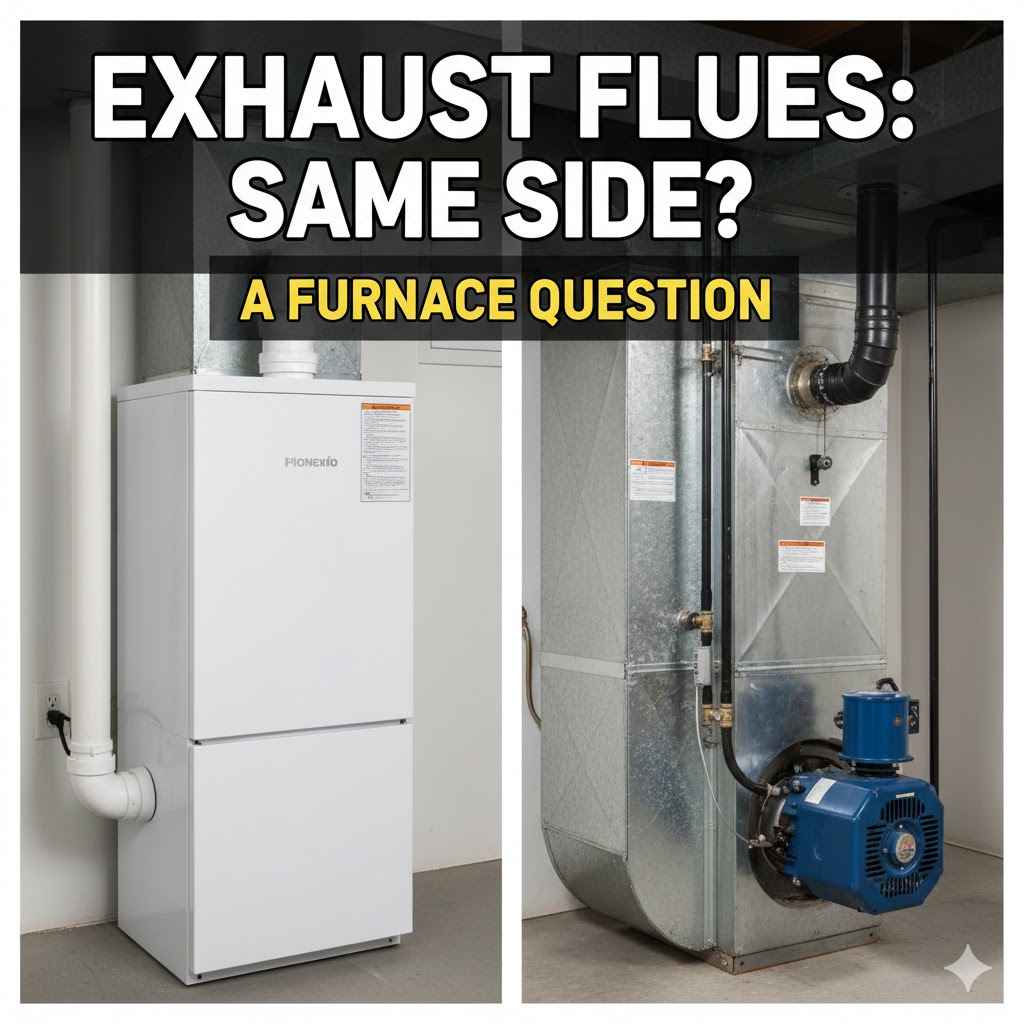
Are Exhaust Flues on the Same Side of All Furnaces?
Many homeowners wonder, Are Exhaust Flues on the Same Side of All Furnaces? This is a common question, especially when looking at older homes or planning a furnace upgrade. Sometimes, the answer isn’t immediately obvious. Don’t worry; figuring this out is easier than you think.
We will walk through it step-by-step to make everything clear. Let’s find out what you need to know about your furnace’s exhaust flue.
Understanding Furnace Exhaust Flues
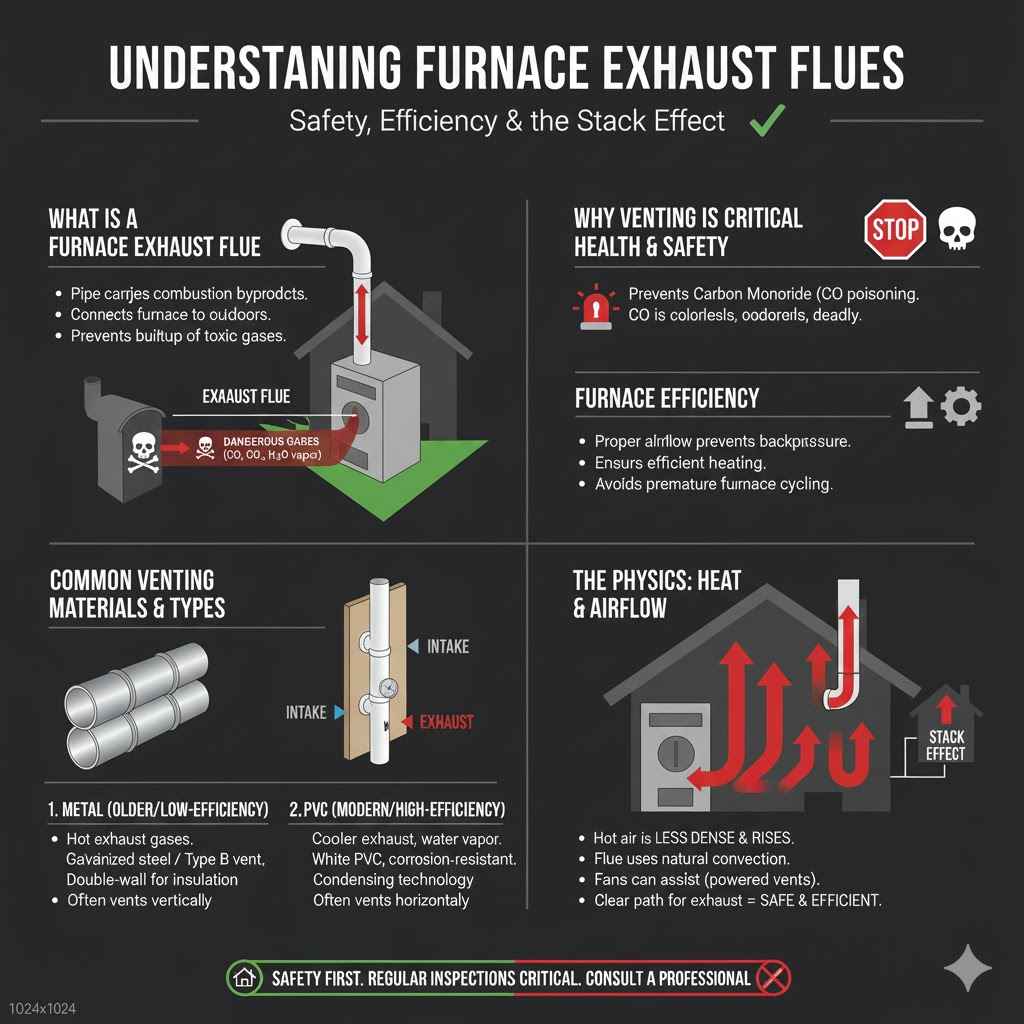
The exhaust flue, often called a vent pipe, is a critical part of your furnace. It safely carries away combustion byproducts like carbon monoxide from your home. These byproducts are created when the furnace burns fuel to heat your house.
Ensuring this flue is properly installed and functions correctly is vital for your family’s safety and the efficiency of your heating system. Many people find themselves asking about the placement of these flues because they are not always in the most visible locations. Sometimes they are tucked away in attics, basements, or crawl spaces.
This can make them hard to inspect or understand from a casual glance. The good news is that the principles behind how they work are fairly consistent.
What Is a Furnace Exhaust Flue
A furnace exhaust flue is essentially a pipe that connects your furnace to the outdoors. Its main job is to let dangerous gases escape your living space. When natural gas, propane, or oil is burned, it produces waste gases.
These include carbon dioxide, water vapor, and, critically, carbon monoxide. Carbon monoxide is a colorless, odorless gas that can be very harmful. The flue’s design and material are important for handling hot gases and preventing leaks.
Different types of furnaces and venting systems exist, which can affect the appearance and location of the flue. For instance, older furnaces might have single-wall metal pipes, while newer ones often use double-wall pipes or PVC pipes for high-efficiency models.
The material of the flue also varies. Older systems might use galvanized steel or Type B vent pipe. Modern high-efficiency furnaces, which produce cooler exhaust gases and more water vapor, often use PVC (polyvinyl chloride) pipes.
These PVC pipes are typically white and connect to the furnace with special adapters. The temperature and moisture content of the exhaust gases are key factors in determining the appropriate venting material and method. This is why understanding the type of furnace you have is important when considering its venting.
Why Venting Is So Important
Proper venting is not just about getting rid of smoke; it’s about preventing serious health risks and ensuring your furnace operates efficiently. If the exhaust gases are not vented outside, they can build up inside your home. This can lead to a dangerous level of carbon monoxide.
Symptoms of carbon monoxide poisoning can include headaches, dizziness, nausea, and even death. Building codes in most areas have strict requirements for furnace venting to ensure safety.
Beyond safety, correct venting also affects how well your furnace works. If the flue is blocked or improperly sized, it can create backpressure. This can make the furnace work harder and less effectively.
It might also cause the furnace to cycle off prematurely, leaving your home colder. A well-vented furnace operates smoothly, efficiently, and safely. Technicians often check the venting system during annual maintenance to ensure it’s clear and secure.
This routine check can catch potential problems before they become serious.
Common Venting Materials and Types
The materials used for furnace flues depend on the furnace’s efficiency and the type of fuel it uses. Older, less efficient furnaces often produce hotter exhaust gases and are typically vented using metal pipes. These can be single-wall metal pipes or double-wall vent pipes, often referred to as Type B vents.
Type B vents have an air space between two metal walls, offering better insulation and fire protection. They are designed for appliances that produce medium-temperature exhaust. Proper installation involves securely connecting sections and ensuring the pipe is routed to the outside without dips or sags that could trap condensation.
High-efficiency furnaces, which are common today, operate at much lower temperatures and produce a lot of water vapor. These furnaces usually use PVC (polyvinyl chloride) pipes for venting. PVC is corrosion-resistant and can handle the acidic condensation that forms.
These systems are often referred to as “condensing furnaces.” They might vent horizontally through a side wall or vertically through the roof, often with two pipes: one for intake air and one for exhaust. The choice of venting material and method is crucial for safety and performance.
Are Exhaust Flues on the Same Side of All Furnaces
The question, “Are Exhaust Flues on the Same Side of All Furnaces?” is one that many homeowners grapple with. The straightforward answer is no, exhaust flues are not always on the same side of every furnace. The placement and direction of a furnace’s exhaust flue depend on several factors.
These include the furnace’s design, its efficiency rating, the type of venting system used, and the installation requirements dictated by local building codes and the layout of your home. Older furnaces might have a single exhaust port, while newer, high-efficiency models often have separate ports for intake and exhaust. The location of these ports is determined by the manufacturer’s engineering.
This is to optimize airflow and combustion efficiency.
For example, a furnace designed for horizontal venting might have its exhaust port positioned on the side of the unit. This allows it to connect directly to a wall vent. Conversely, a furnace designed for vertical venting might have its exhaust port on the top.
This enables it to connect to a flue pipe that goes up through the ceiling and roof. The complexity of modern HVAC systems means there isn’t a one-size-fits-all answer to flue placement. Understanding these variations helps in diagnosing issues or planning for renovations that might involve moving or replacing the furnace.
Furnace Design and Vent Port Location
The internal design of a furnace plays a significant role in where its vent ports are located. Manufacturers engineer furnaces with specific airflow patterns in mind. This includes how combustion gases are channeled from the burner to the exhaust outlet.
For older, non-condensing furnaces, the exhaust port is typically a single opening for the hot combustion gases. This port might be on the back, side, or top of the furnace unit, depending on the model and brand. The specific location is chosen to simplify the venting installation and ensure proper drafting.
Modern high-efficiency condensing furnaces often have two distinct ports. One is for exhaust gases (the flue), and the other is for fresh air intake. These two ports are sometimes located close together on the same side of the furnace, or they might be on opposite sides or even the top.
This dual-port system is necessary because these furnaces operate by pulling in outside air for combustion and then expelling the byproducts back outside. The placement of these ports is a deliberate engineering choice by the manufacturer to ensure optimal performance and safe operation. It is not uncommon to see both ports on the same side of the unit, typically the back or side.
Venting System Types and Their Impact
The type of venting system a furnace uses directly influences the flue’s position and configuration. As mentioned, older furnaces often use Type B vents or single-wall metal pipes. These systems usually require a vertical rise to a chimney or a dedicated vent shaft.
Therefore, the exhaust port on such furnaces is commonly located on the top of the unit to facilitate this upward routing. This is a traditional setup designed to rely on natural draft to move the exhaust gases.
High-efficiency furnaces, however, utilize different venting methods. They might use PVC pipes for direct venting, meaning they can vent horizontally through a side wall. In this case, the exhaust port will be located on the side of the furnace unit where the PVC pipe can be easily connected and run to the exterior.
Sometimes, these furnaces are installed in locations where horizontal venting isn’t ideal, so they may still be vented vertically. The key takeaway is that the venting system type dictates the most practical and code-compliant location for the flue connection to the furnace itself. This flexibility means you’ll see different arrangements.
Horizontal Versus Vertical Venting
The decision between horizontal and vertical venting is a significant one in furnace installation. Horizontal venting is often preferred for its simplicity and lower installation costs, especially when the furnace is located near an exterior wall. In this setup, the exhaust flue, typically made of PVC for high-efficiency furnaces, exits directly through the wall.
The furnace’s exhaust port will therefore be positioned on the side of the unit to allow for a straightforward connection to the vent pipe. This avoids the need to run ductwork through attics or up through multiple floors.
Vertical venting is more traditional and often required when a horizontal exit isn’t possible or permitted by local codes. This typically involves venting the furnace through the roof. For older furnaces, this often means connecting to an existing chimney or a new vent pipe that rises vertically.
The exhaust port on these furnaces is usually located on the top. High-efficiency furnaces can also be vented vertically using PVC pipe, but this requires careful installation to prevent water from pooling in the pipe and freezing in cold climates. The choice between these two methods is a major factor in determining where the flue connects to the furnace unit.
Case Study: A Tale of Two Furnaces
Consider two homes in the same neighborhood. Home A, built in the 1980s, has a mid-efficiency furnace. Its exhaust flue, a Type B metal vent, exits from the top of the furnace and runs up through the attic and out the roof.
This is a classic vertical venting setup. The furnace in Home A has a single exhaust port on its top surface, designed to accommodate this upward routing.
Home B, built in the 2010s, features a high-efficiency condensing furnace. This furnace has separate intake and exhaust ports. For easier installation in its basement location, this furnace is vented horizontally through a side wall.
Both ports, the intake and the exhaust flue, are located on the back side of the unit, allowing the PVC pipes to connect and run directly outside. This case clearly illustrates how furnace technology and installation choices lead to different flue placements, answering the question “Are exhaust flues on the same side of all furnaces?” with a definitive no.
Factors Influencing Furnace Vent Placement
Several key factors influence where the exhaust flue is positioned on a furnace. These are not random decisions but are based on engineering, safety standards, and installation practicality. Understanding these influences helps demystify why you see different configurations.
Manufacturers design furnaces with specific venting requirements in mind to ensure they operate efficiently and safely. Building codes also play a crucial role, as they set minimum standards for how combustion byproducts must be handled. The type of fuel used and the resulting exhaust gas characteristics also guide these design choices.
The physical space available in a home also dictates venting options. A furnace installed in a tight closet might need a different venting strategy than one in an open basement. The goal is always to safely and effectively remove exhaust gases while minimizing any impact on indoor air quality and maximizing the furnace’s performance.
These considerations combine to create the diverse arrangements of furnace exhaust flues we see in different homes.
Manufacturer Specifications and Engineering
At the core of furnace vent placement is the manufacturer’s engineering. Each furnace model is designed and tested to meet specific performance and safety standards. The location of the exhaust port (or ports, for high-efficiency units) is a deliberate engineering decision.
This decision is based on how the furnace burns fuel, how the combustion gases are channeled internally, and how heat is transferred. For instance, a furnace designed for maximum energy efficiency might have a more complex internal pathway for combustion gases. This can lead to specific locations for its intake and exhaust ports.
Manufacturers provide detailed installation manuals that specify the correct venting requirements, including the type of vent pipe, its slope, and the clearances needed from combustible materials. These manuals are crucial for HVAC technicians. They ensure that the furnace is installed according to the manufacturer’s intent, which directly relates to the vent port’s position.
Adhering to these specifications is paramount for warranty validation and safe operation. Ignoring them can lead to performance issues or safety hazards.
Building Codes and Safety Regulations
Building codes are a critical determinant of furnace venting. These codes are established by local, state, and national authorities to ensure public safety. For furnace flues, these codes address several key aspects: the material of the vent pipe, its size and length, the required clearances from walls and ceilings, and the termination point outside the building.
Codes often mandate specific types of venting for different furnace efficiencies. For example, high-efficiency furnaces must typically use corrosion-resistant materials like PVC, while older furnaces might be allowed to use Type B vents.
These regulations also dictate the minimum height of vent termination above the roofline or the minimum distance from windows and doors to prevent exhaust gases from re-entering the building. Furthermore, codes specify how the vent pipe must be supported and sealed to prevent leaks. HVAC professionals must be intimately familiar with these codes to ensure installations are compliant.
Non-compliance can lead to failed inspections, costly remediation, and serious safety risks. The codes essentially provide a framework that guides the vent port’s usable configurations.
Fuel Type and Exhaust Gas Characteristics
The type of fuel a furnace burns has a direct impact on the characteristics of its exhaust gases, which in turn influences vent placement and material. Natural gas and propane furnaces, for example, produce exhaust gases that are relatively hot and contain water vapor. In older, less efficient furnaces, these gases can be quite hot, often exceeding 300°F (150°C).
This requires metal venting materials like Type B or single-wall pipes that can withstand high temperatures.
High-efficiency furnaces, regardless of fuel type (natural gas or propane), are designed to extract as much heat as possible from the combustion process. This results in cooler exhaust gases, typically below 150°F (65°C). Crucially, these cooler gases also contain a significant amount of water vapor, which condenses as it cools.
This condensation can be acidic. Therefore, high-efficiency furnaces must use corrosion-resistant vent pipes, such as PVC, which are designed to handle both lower temperatures and acidic moisture. The need for specific materials often guides the location of the vent ports on the furnace to facilitate the use of these materials.
Home Layout and Installation Practicality
The physical layout of a home is a major practical consideration for furnace installation and, consequently, for vent placement. Basements, attics, crawl spaces, and closets all present different challenges and opportunities for routing vent pipes. If a furnace is in a basement with easy access to an exterior wall, horizontal venting with the exhaust port on the side of the furnace is often the most practical and cost-effective solution.
This is common with modern high-efficiency furnaces.
If the furnace is located centrally in a home or in an attic where horizontal venting isn’t feasible, vertical venting is necessary. In this scenario, the furnace’s exhaust port will typically be on the top to connect to a vent pipe that runs upwards through the ceiling and roof. The available space around the furnace also plays a role; if there isn’t enough clearance on one side, the installer might have to choose a venting direction that works with the available space, influencing which port on the furnace is utilized.
Essentially, the home’s structure dictates the best way to get the exhaust outside.
Common Furnace Venting Configurations
When you look at different furnaces, you’ll notice a variety of ways the exhaust flues are connected. These common configurations are driven by the factors we’ve discussed. Understanding these typical setups can help you identify your own furnace’s venting style.
It’s also useful for troubleshooting minor issues or understanding what an HVAC technician might be looking at. Most systems fall into a few recognizable patterns, designed to be both functional and safe.
These configurations are primarily a result of whether the furnace is designed for horizontal or vertical venting. High-efficiency furnaces have distinct advantages in their venting flexibility, often allowing for more options. Older systems tend to be more rigid in their requirements, usually pointing towards vertical integration.
Let’s explore some of these common arrangements you’ll likely encounter.
Top Venting for Vertical Installation
Top venting is a very common configuration, especially for older, less efficient furnaces and for installations where vertical venting is required. In this setup, the exhaust port is located on the top surface of the furnace unit. This allows for a direct connection to a vent pipe that ascends vertically, usually through the ceiling and roof of the home.
This method relies on the principle of natural draft, where the hot, lighter exhaust gases rise on their own.
Type B vent pipes, which are double-walled metal pipes, are often used for these applications. The installation requires secure connections between the furnace and the vent pipe, as well as between sections of the vent pipe itself. Proper sealing is critical to prevent gas leaks.
The vent pipe must also maintain a certain slope upwards and have adequate clearance from combustible materials. This configuration is often seen in basements, garages, or utility rooms where running a vent pipe upwards is feasible and necessary.
Side Venting for Horizontal Installation
Side venting is prevalent in modern, high-efficiency furnaces that are designed for horizontal venting. Here, the exhaust port(s) are located on the side of the furnace, allowing for a direct connection to vent pipes that run through an exterior wall. This method is often simpler and less expensive to install, especially when the furnace is situated near an outer wall.
PVC pipes are typically used for these applications due to their ability to withstand the lower temperatures and acidic condensation produced by high-efficiency units.
These furnaces often have both an intake and an exhaust port on the same side or adjacent sides. The installer connects the appropriate pipe to each port and then routes them horizontally to the outside. Building codes will specify the required height of the vent termination above ground level and the distance from air intakes to prevent exhaust gases from being drawn back into the building.
This configuration is a hallmark of modern, energy-efficient heating systems.
Rear Venting Options
While less common than top or side venting, some furnaces are designed with rear venting capabilities. This means the exhaust port is located on the back of the furnace. This configuration is often chosen when the furnace is installed in a tight space, such as a recessed alcove or a narrow closet, where side or top access for venting might be difficult.
The rear vent allows the installer to connect the flue pipe and route it away from the front of the unit, which might be needed for service access or airflow.
As with other venting types, rear-vented furnaces can be configured for either vertical or horizontal venting depending on the overall system design and the home’s layout. If vertical venting is needed, the rear port would connect to a pipe that then turns upwards. If horizontal venting is desired, the pipe would connect to the rear port and then turn to run towards an exterior wall.
The specific design of the furnace and the installer’s ability to adapt to the home’s constraints determine if rear venting is utilized.
Dual Port Systems in High-Efficiency Furnaces
High-efficiency furnaces, often referred to as condensing furnaces, are distinct because they typically feature a dual-port system. This means they have one port for the exhaust flue and a separate port for fresh air intake. This “direct venting” capability allows the furnace to draw combustion air directly from the outside, rather than using air from inside the home.
This improves efficiency and indoor air quality by not consuming conditioned air for combustion.
The placement of these two ports varies by manufacturer and model. They might be side-by-side on the same panel, or one might be higher than the other. In many cases, both ports are located on the back or side of the furnace unit, facilitating connection to either horizontal or vertical vent systems.
This dual-port design is a key characteristic that differentiates them from older, single-port furnaces and directly addresses the question of whether exhaust flues are on the same side of all furnaces by showing that even the exhaust and intake are often paired. The specific arrangement is always detailed in the installation manual.
Sample Scenario: Furnace Replacement in an Older Home
Imagine an older home where the original furnace is being replaced. The old furnace had its exhaust flue exiting from the top, venting vertically through the roof. The new furnace being installed is a high-efficiency model.
The installer notes that the furnace has two ports, intake and exhaust, on its back panel. Because the existing vent path goes through the roof, the installer plans to connect the new exhaust flue to the back port, then use a 90-degree elbow to turn the pipe upwards, and run it to join the existing vertical vent system. This scenario shows how the furnace’s ports are adapted to the home’s existing venting structure.
Statistics on Furnace Venting
Understanding furnace venting also involves looking at some relevant data. These statistics can highlight the prevalence of different systems and the importance of proper installation. For example, the vast majority of newer furnaces utilize high-efficiency venting, which has specific requirements.
Older systems, while still in operation, represent a different set of venting challenges. The data also often points to installation practices as a major factor in system performance and safety.
Here are some statistics that provide insight into furnace venting trends and considerations. These figures underscore why understanding your specific furnace’s setup is so important. Proper venting is not just a minor detail; it’s a critical component of a safe and efficient heating system.
The numbers reflect the evolution of technology and the ongoing emphasis on safety and energy conservation in home heating.
Prevalence of High-Efficiency Furnaces
The shift towards high-efficiency furnaces has dramatically changed venting practices. These furnaces, with their AFUE (Annual Fuel Utilization Efficiency) ratings of 90% or higher, are increasingly common. A 2021 report indicated that over 70% of new furnace installations are high-efficiency models.
This trend means that PVC venting, which is characteristic of these units, is now the most common type of new vent installation. The dual-port system for intake and exhaust is also a standard feature in these modern units, influencing their design and installation compared to older models.
This shift is driven by energy savings and environmental concerns, as well as government incentives and building codes that favor more efficient appliances. The widespread adoption of high-efficiency furnaces directly translates to more homes utilizing side or rear venting with PVC pipes, rather than the traditional top-venting metal pipes of older systems. This statistical trend is a strong indicator of the direction of home heating technology.
Common Venting System Issues
Despite advancements, furnace venting systems can still experience issues. According to industry surveys, the most common problems include blocked vents (from debris, animal nests, or ice), improper slope leading to condensation buildup, and leaks at connection points. These issues are responsible for a significant portion of furnace malfunctions and safety calls.
Roughly 15-20% of annual HVAC service calls are related to venting problems, highlighting their importance. Many of these issues stem from improper initial installation or lack of regular maintenance.
A blocked vent can lead to the furnace shutting down or, more dangerously, the buildup of carbon monoxide. Ice blockage, particularly in horizontal vents during winter, is a recurring problem in colder climates. Leaks can not only allow dangerous gases to escape but also lead to water damage.
Regular inspections and maintenance are crucial to prevent these common venting system failures and ensure safe operation.
Installation Compliance Rates
Ensuring that furnace installations comply with building codes and manufacturer specifications is vital. While exact national compliance rates are hard to pinpoint, studies in specific regions have shown varying levels of adherence. Some analyses suggest that up to 30% of HVAC installations may have minor code violations related to venting, and a smaller percentage (around 5-10%) have more significant issues.
These violations can range from incorrect vent pipe materials to improper clearances and termination points.
This highlights the importance of hiring qualified and licensed HVAC professionals. Their knowledge of current codes and best practices minimizes the risk of installation errors. Non-compliant installations can compromise safety, reduce furnace efficiency, and void warranties.
Therefore, choosing a reputable contractor is as important as choosing the right furnace itself. Verified compliance is a key indicator of a safe and well-performing system.
Maintaining Your Furnace Vent System
Proper maintenance of your furnace’s vent system is crucial for both safety and efficiency. Just like the furnace itself, the vent needs regular attention to ensure it functions correctly throughout the year. Ignoring the vent can lead to serious problems, including carbon monoxide leaks or reduced heating performance.
Fortunately, much of this maintenance is straightforward and can be done with simple checks or by a qualified technician during regular service appointments.
The goal of vent maintenance is to ensure a clear path for exhaust gases and to prevent any blockages or damage. This protects your home and family from potential dangers. It also helps your furnace run at its best.
Let’s look at what you can do and what professionals should handle.
Regular Visual Inspections
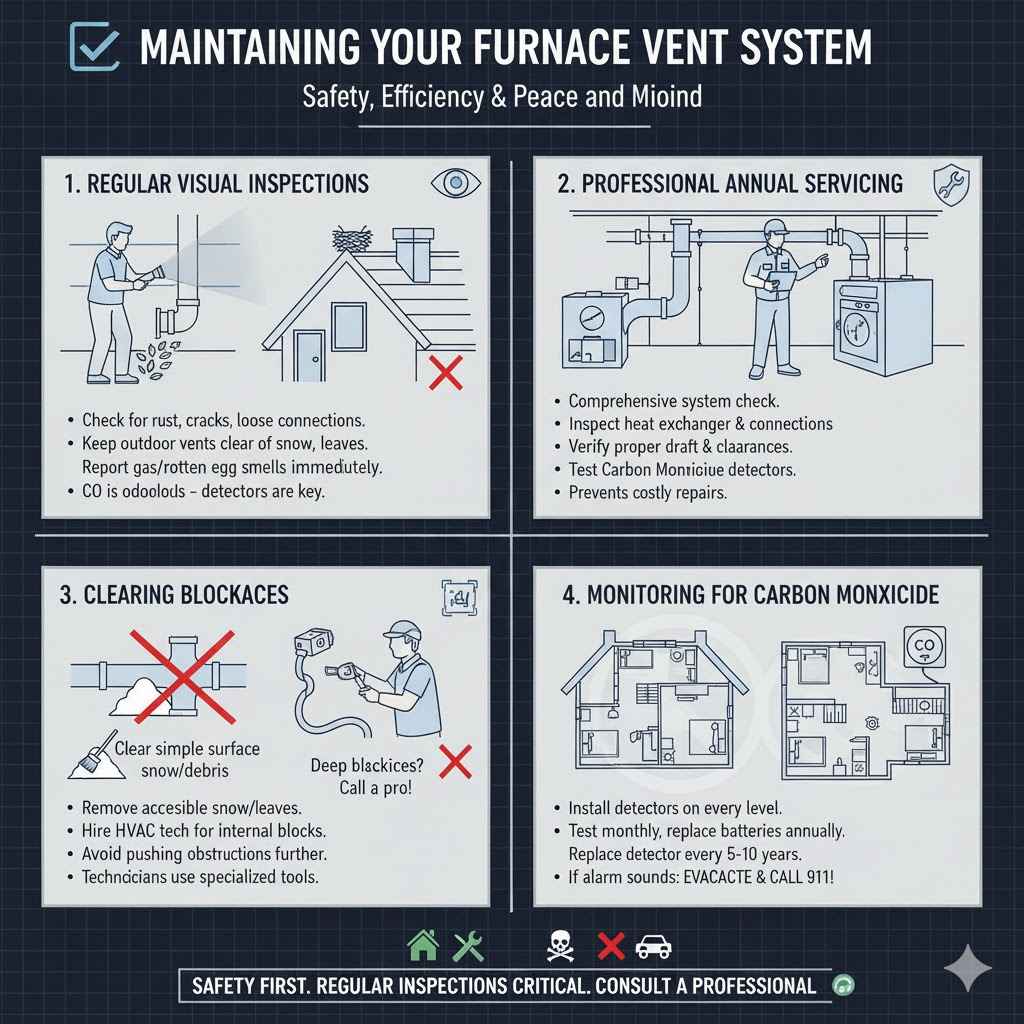
Homeowners can perform simple visual inspections of their furnace vent system periodically, especially before and during the heating season. Look for any obvious signs of damage, such as rust, corrosion, cracks, or loose connections. For horizontal vents exiting through walls, check that the termination point is clear of obstructions like leaves, snow, or ice.
If you have a vertical vent extending through the roof, ensure the cap or termination is secure and free of blockages.
Pay attention to any unusual smells around the furnace or vent. A faint odor of gas or a rotten egg smell (sometimes from sulfur added to natural gas as an odorant) could indicate a leak. However, always remember that the primary gas that is odorless and dangerous is carbon monoxide.
If you suspect any gas leak or have concerns about the vent’s integrity, do not hesitate to call a qualified HVAC professional immediately. Do not attempt to fix gas leaks yourself.
Professional Annual Servicing
The most important step in maintaining your furnace vent system is to schedule annual professional servicing. An HVAC technician will perform a comprehensive inspection of the entire system. This includes checking the furnace’s heat exchanger for cracks, ensuring the burner is operating efficiently, and, critically, inspecting the vent system.
They will check for proper draft, ensure all connections are secure, and verify that there are no obstructions.
During these service calls, the technician will also test your carbon monoxide detectors to ensure they are working correctly. They can identify potential problems like minor corrosion that could worsen over time or sloping issues that might not be apparent during a homeowner’s visual check. Professional servicing is key to preventing costly repairs and ensuring the long-term safety and efficiency of your heating system.
It’s an investment in your home’s safety.
Clearing Blockages
Blockages in the vent pipe are a serious concern. For horizontal vents, especially those near the ground, snow and ice can accumulate during winter. Leaves, bird nests, or other debris can also obstruct these vents.
For vertical vents, animals can build nests on top, or ice can form around the termination cap. If you notice a potential blockage on an accessible horizontal vent, you might be able to clear it carefully. For example, gently removing leaves or snow from around the exterior vent opening.
However, for anything beyond a simple surface obstruction, it is best to leave the clearing to a professional. Attempting to clear blockages deep within the vent pipe without the proper tools and knowledge can push the obstruction further in or damage the pipe. HVAC technicians have specialized tools, such as drain snakes or cameras, to safely and effectively remove blockages from the entire length of the vent system.
They can also identify the cause of the blockage to prevent recurrence.
Monitoring for Carbon Monoxide
Your primary defense against carbon monoxide from a faulty vent is a working carbon monoxide detector. Ensure you have detectors installed on every level of your home, especially near sleeping areas. Test them monthly and replace batteries at least once a year, or as recommended by the manufacturer.
Most detectors have a lifespan of 5-10 years and should be replaced accordingly.
If your carbon monoxide detector sounds, evacuate your home immediately and call the fire department from a safe location. Do not attempt to re-enter the home until emergency responders have deemed it safe. While regular maintenance of the vent system is designed to prevent CO buildup, detectors are a critical backup safety measure.
They provide an early warning in the event of a malfunction or a complete system failure.
Frequently Asked Questions
Question: Are all furnace exhaust flues made of the same material
Answer: No, furnace exhaust flues are made from different materials depending on the furnace’s efficiency and age. Older, less efficient furnaces typically use metal vents like Type B or single-wall pipes, while modern high-efficiency furnaces use PVC pipes to handle condensation.
Question: Can a furnace exhaust flue vent from the front
Answer: While most furnaces have exhaust ports on the top, sides, or rear, venting directly from the front is uncommon. The design typically channels exhaust to the back, top, or sides to facilitate proper routing and installation.
Question: What is the main reason for different exhaust flue placements
Answer: The main reasons for different exhaust flue placements are the furnace’s design (e.g., single or dual ports), the type of venting system required (horizontal vs. vertical), and specific building codes and installation practicality.
Question: Is it safe for a furnace to have its exhaust flue on the side
Answer: Yes, it is safe and common for a furnace exhaust flue to be on the side, especially with high-efficiency furnaces designed for horizontal venting through an exterior wall using PVC pipes.
Question: Who should I call if I think my furnace exhaust flue is leaking
Answer: If you suspect a leak in your furnace exhaust flue, you should immediately call a qualified HVAC professional or your local utility company’s emergency line. Do not attempt to diagnose or fix it yourself, especially if you smell gas or suspect carbon monoxide.
Summary
Ultimately, the answer to “Are exhaust flues on the same side of all furnaces?” is no. Flue placement depends on furnace design, venting type, fuel, and building codes. High-efficiency furnaces often have side or rear ports for horizontal PVC venting, while older units typically have top ports for vertical metal venting.
Regular checks and professional servicing ensure your system operates safely and efficiently.


