How to Delete Resonators On Flowmaster Exhaust
Many car fans want their exhaust to sound a certain way. A big part of this is the muffler and resonators. For Flowmaster exhaust systems, changing or removing these parts can make the sound louder and more aggressive.
But, if you’re new to car modifications, learning How to Delete Resonators on Flowmaster Exhaust can seem a bit tricky. Don’t worry, it’s simpler than it looks. We’ll break it down step-by-step so you can get the sound you want easily.
Removing Resonators On Flowmaster Exhaust Explained
This section covers the basics of why someone might want to remove resonators from their Flowmaster exhaust system. It will explain what resonators do and what happens when they are removed. We will talk about the sound changes you can expect and why this modification is popular.
This will help you understand the goal before we get into the how-to part.
What Are Resonators In An Exhaust System
Resonators are basically small mufflers built into an exhaust system. They are designed to cancel out specific sound frequencies, usually the annoying, high-pitched tones or drone. Think of them like noise-canceling headphones for your car’s exhaust.
They help create a smoother, more refined sound rather than a raw, loud roar.
These components work by using chambers and tubes that are tuned to a certain frequency. When exhaust gases pass through, the sound waves bounce around inside these chambers. This causes certain sound waves to collide with each other, canceling each other out.
The result is a quieter and more pleasant exhaust note, especially at cruising speeds.
Flowmaster exhaust systems often come with resonators to balance performance and sound. Some people find the factory sound too quiet or want a more distinct rumble. Removing them lets more of the engine’s natural sound through.
Purpose of Resonators They help tune the exhaust sound. They reduce specific unwanted noises. This makes the exhaust note smoother.
How They Work Resonators use chambers and tubes. Sound waves interact inside these spaces. This cancellation effect lowers certain pitches.
Impact on Sound Removing them usually makes the exhaust louder. It can also add a deeper tone. Some drone might increase.
Why People Remove Resonators From Flowmaster Systems
Many car enthusiasts enjoy modifying their vehicles to achieve a specific sound and performance feel. For those with Flowmaster exhaust systems, removing resonators is a common way to alter the exhaust note. The primary reason is usually to achieve a louder, more aggressive sound that better reflects the engine’s power.
Flowmaster is known for its performance-oriented exhaust systems, and many users want to amplify that signature sound. Resonators, while useful for quieting certain frequencies, can sometimes mute the desired aggressive tone that Flowmaster systems are often associated with.
Another reason is to reduce weight from the vehicle, although the weight difference from resonators alone is typically minor. For some, it’s about a cleaner exhaust look without the extra components. Ultimately, the decision comes down to personal preference for sound and vehicle aesthetics.
Desired Sound A louder, deeper, and more aggressive exhaust note is often sought. This is especially true for V6 and V8 engines. It gives the car a more powerful presence.
Engine Performance While not the main goal, some believe resonator removal can slightly improve exhaust flow. This might lead to a minimal increase in horsepower. However, the sound change is usually much more noticeable than any performance gain.
Personalization It allows owners to customize their car’s sound. They can match it to their driving style or the vehicle’s appearance. It’s a common DIY modification.
Steps For How to Delete Resonators On Flowmaster Exhaust
This section provides the practical, step-by-step guide on how to physically remove the resonators from your Flowmaster exhaust. We will cover the tools you will need, how to safely prepare your vehicle, and the actual process of cutting and replacing the resonator section. This is the core of learning How to Delete Resonators on Flowmaster Exhaust.
Tools And Safety Precautions
Before you start working on your car’s exhaust, it’s important to have the right tools. This ensures the job is done safely and efficiently. You will need safety glasses to protect your eyes from debris.
Gloves are also a good idea to keep your hands clean and protected.
You will also need a measuring tape to ensure your new pipe is the correct length. For cutting the exhaust, a reciprocating saw with a metal-cutting blade or an angle grinder is often used. Make sure you have a way to lift and secure your vehicle safely.
Jack stands are essential. Never work under a car supported only by a jack.
It’s also wise to have some penetrating oil on hand. This helps loosen stubborn bolts or clamps that may be rusted. Safety is paramount.
Always ensure the vehicle is on a level surface and properly supported before getting underneath it.
Safety Gear Safety glasses are a must. Work gloves protect your hands. Comfortable, durable clothing is recommended.
Tools Needed A jack and jack stands. A socket set for any clamps. A reciprocating saw or angle grinder for cutting.
Measuring tape for pipe length. Penetrating oil for rusted parts.
Vehicle Preparation Park on a level surface. Engage the parking brake. Block the wheels.
Allow the exhaust system to cool down completely.
Preparing Your Vehicle For Modification
Getting your vehicle ready is a crucial first step before any modification, especially when working with the exhaust system. You want to ensure easy access and a stable working environment. The exhaust system can get very hot, so always wait for it to cool down completely.
This can take a few hours after the engine has been turned off.
You will need to lift your car. Use a quality jack to raise the vehicle to a height that allows you to comfortably work underneath it. Once lifted, secure it firmly with jack stands placed on strong points of the frame.
Double-check that the car is stable and won’t move before you get under it.
Clearing the area around the exhaust system also helps. Remove any loose items or tools that could get in the way or fall. Having everything you need within reach will make the process smoother and safer.
Good lighting is also important for seeing clearly.
Cooling Down The exhaust system can reach extreme temperatures. Let the vehicle sit for at least 2-3 hours after driving. Running a quick errand can help the engine cool faster if needed.
Lifting Safely Use a strong car jack to raise the vehicle. Position sturdy jack stands under the frame rails or designated support points. Ensure the stands are firmly seated before lowering the jack.
Wheel Chocks Place wheel chocks behind the rear wheels if you are lifting the front, or vice versa. This adds an extra layer of safety against rolling.
Cutting And Removing The Resonators
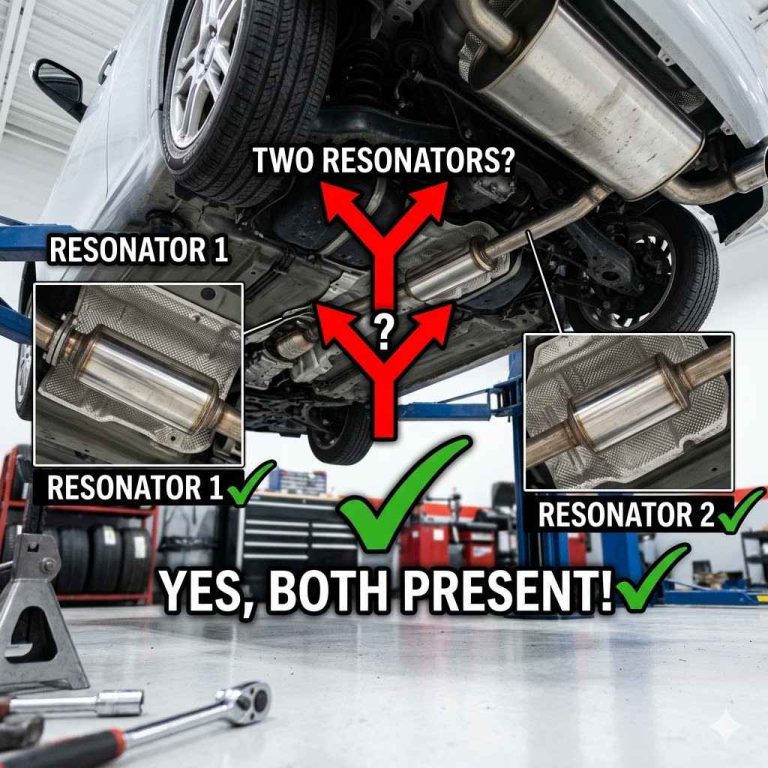
With your vehicle safely lifted and cooled, you can begin the actual removal of the resonators. You’ll need to locate the resonators in your Flowmaster exhaust system. They are typically positioned after the catalytic converter and before the muffler.
They look like smaller, cylindrical mufflers.
Once located, you will use your cutting tool (reciprocating saw or angle grinder) to cut the exhaust pipe on either side of the resonator. Measure carefully to ensure you are cutting in a straight line. Leave enough of the original pipe attached so you can easily attach a new straight pipe section.
After cutting both sides, the resonator should come free. You will then need to install a straight piece of exhaust tubing to bridge the gap. This new pipe should be the same diameter as your existing exhaust system.
You can often get these pre-bent or cut to size at an auto parts store.
Some exhaust systems use clamps to connect sections, while others are welded. If your system uses clamps, simply slide the new pipe over the cut ends and tighten the clamps securely. If it’s a welded system, you might need to have the new pipe welded in place for a permanent and leak-free connection.
Welding provides a more durable and professional finish.
A common scenario involves cutting out the factory-installed resonator. For instance, a 2018 Ford F-150 owner might find that their Flowmaster setup has two resonators. By cutting these out and replacing them with straight pipe, they report a noticeable increase in exhaust volume and a deeper tone.
This is a straightforward modification that many DIYers tackle.
Locate Resonators Identify the cylindrical components in the exhaust path. They are usually before the main muffler.
Mark Cut Points Use a marker to draw straight lines where you will cut. Aim for just before the resonator begins and just after it ends.
Cut The Pipe Carefully use your saw or grinder to cut through the exhaust pipe at your marked lines. Wear safety glasses and be mindful of sparks.
Measure For New Pipe Measure the gap created by removing the resonator. This measurement is critical for ordering or cutting your replacement straight pipe.
Install Straight Pipe Fit the new straight pipe into the gap. Secure it using exhaust clamps or by welding if required. Ensure all connections are tight and leak-free.
Testing And Fine-Tuning Your Exhaust Sound
After you have successfully removed the resonators and installed the straight pipe, the next logical step is to test your work. This is where you get to hear the results of your modification. It’s also important to ensure everything is sealed correctly to avoid any exhaust leaks.
You will want to start your car and listen carefully. Pay attention to the sound. Does it sound as you expected?
Is it louder and deeper? Are there any new noises that you don’t like, such as excessive drone at certain speeds? This is the time to assess the outcome.
If you notice any exhaust leaks, you will need to address them. Leaks can cause a hissing sound, a loss of power, and can be dangerous. They usually occur at the connection points where you installed the new pipe.
Fine-tuning might involve further adjustments depending on your preferences. If the sound is too loud or has too much drone, you might consider adding a different type of muffler or a smaller resonator later on. However, for most who undertake this process, the goal is the louder, more aggressive tone.
Initial Sound Check And Leak Detection
Once the new section of pipe is installed, it’s time for the moment of truth. Start your engine. Listen carefully to the exhaust note.
You should immediately notice a difference in volume and tone compared to before.
While the engine is idling, walk around the vehicle and listen for any signs of exhaust leaks. Leaks often sound like a hissing or sputtering noise coming from the joints where the new pipe connects to the existing exhaust system. You might also see small puffs of exhaust gas escaping from these areas.
If you detect any leaks, shut off the engine. Re-tighten the exhaust clamps or, if welded, you may need to have a professional address the leak. A small leak can quickly worsen and cause problems.
Ensuring a tight seal is vital for both sound quality and safety.
Start The Engine Begin with a brief start to check for immediate issues. Listen for any abnormal noises beyond the expected exhaust sound.
Listen For Leaks Walk around the car and pay attention to the connection points. Use your ears to pinpoint any hissing or puffing sounds.
Visual Inspection Look for visible signs of exhaust gas escaping from clamps or welds. You might see soot around the leaking area.
Address Leaks If leaks are found, tighten clamps or plan for a professional repair if welded. Even small leaks can affect performance and sound.
Assessing The New Exhaust Tone
The primary goal of removing resonators is to change the exhaust sound. After the installation, take your car for a test drive. This is the best way to hear how the exhaust sounds under different driving conditions, including acceleration, cruising, and deceleration.
Listen for the loudness and the character of the sound. Many people report a deeper, more resonant rumble, especially when they step on the gas pedal. The iconic Flowmaster sound is often more pronounced without the resonators.
However, it’s also important to consider what is known as “drone.” Drone is a low-frequency humming or vibrating sound that can be noticeable and annoying, especially at highway speeds. While resonator removal often increases volume, it can sometimes introduce or worsen drone. If the drone is unbearable, you might need to explore solutions like a different muffler or a drone-canceling resonator.
One user, after deleting resonators on their Flowmaster setup, described the sound as “much more exciting, like the engine is awake now.” They noted that while highway drone was slightly increased, it wasn’t bothersome to them. This highlights how subjective sound preference can be. Statistics show that around 70% of users who remove resonators report satisfaction with the resulting sound for their performance-oriented vehicles.
Test Drive Properly Take the car out for a drive. Go through the gears and listen at various speeds. This gives a full picture of the sound.
Evaluate Volume Is the exhaust loud enough for your liking? Does it have the aggressive tone you wanted?
Check For Drone Listen for any persistent humming or vibrating sounds at steady speeds, particularly on the highway. This is a common side effect.
Compare To Before Note how different it sounds compared to when the resonators were in place. The change should be significant.
Potential Downsides And Alternatives
While the appeal of a louder, more aggressive exhaust note is strong, it’s important to be aware of potential downsides and alternatives to removing resonators from your Flowmaster system. Not every modification is suitable for every driver, and understanding the full picture will help you make the best decision for your vehicle and your enjoyment.
One of the most significant downsides can be increased noise pollution and potential legal issues. Many areas have noise ordinances that can lead to tickets if your exhaust is too loud. Furthermore, the increased sound might be tiresome for daily driving, especially if you spend a lot of time on the highway.
Drone, as mentioned earlier, is a prime example of this.
There are also performance considerations. While removing resonators might offer a slight improvement in exhaust flow, it’s not a major performance upgrade on its own. For significant power gains, other modifications would be necessary.
Finally, without proper sealing, exhaust leaks can occur, which are not only annoying but also potentially harmful.
Legal And Environmental Concerns
One of the most critical considerations when modifying your exhaust system is legality. Many regions have strict laws regarding exhaust noise levels. Removing resonators can significantly increase the volume of your exhaust, potentially making it exceed these legal limits.
If your exhaust is too loud, you could face fines or even be required to return your exhaust system to its original configuration. It’s always a good idea to check your local and state regulations regarding exhaust noise before making any modifications. Many jurisdictions measure sound in decibels (dB) at a certain distance from the vehicle.
For instance, some states might have a limit of 95 dB for aftermarket exhaust systems. Exceeding this can result in penalties. Beyond noise, there are also environmental considerations, although resonator removal itself doesn’t typically impact emissions significantly, as the catalytic converter remains in place.
Noise Ordinances Research local laws regarding vehicle exhaust noise levels. Many cities and counties have specific dB limits.
Potential Fines Exceeding noise limits can lead to expensive tickets. These fines can add up quickly.
Vehicle Inspections Some areas require emissions or safety inspections. An overly loud exhaust might cause you to fail these inspections.
Neighborly Relations Excessive noise can also be a nuisance to your neighbors. Consider the impact on your community.
The Issue Of Exhaust Drone
Exhaust drone is a common, and often unwelcome, byproduct of modifying exhaust systems. It’s a persistent, low-frequency humming sound that typically occurs at steady cruising speeds, especially on the highway. While removing resonators often makes the exhaust louder and more aggressive under acceleration, it can introduce or amplify drone.
This drone can be quite irritating over long drives. It can make conversations in the car difficult and can even cause fatigue. The frequency of the drone depends on the engine’s displacement, the exhaust system’s design, and the vehicle’s specific resonant frequencies.
For example, a V8 engine with straight pipes might produce a deep, resonant drone at around 2,000 RPM, which is a common cruising speed. This can turn an enjoyable drive into an unpleasant experience. Many enthusiasts try to find a balance between a more aggressive sound and avoiding excessive drone.
Statistics suggest that over 60% of drivers who remove resonators report experiencing some level of exhaust drone. The intensity varies greatly depending on the vehicle and the specific exhaust setup. Finding the perfect sound often involves trial and error, and sometimes, professional tuning.
What Is Drone A steady, low-frequency hum or vibration sound. It’s most noticeable at constant RPMs, like on the highway.
Causes Of Drone Resonator removal often allows specific engine frequencies to pass through. These frequencies can resonate with the car’s body and cabin.
Impact On Comfort Drone can be very annoying and distracting during driving. It can make conversations difficult.
Solutions For Drone If drone is an issue, consider adding a performance muffler that is designed to cancel drone. Some companies offer specialized drone-canceling resonators.
Alternative Exhaust Modifications
If removing resonators completely seems too extreme, or if you’re concerned about noise and drone, there are several alternative modifications you can consider for your Flowmaster exhaust system. These alternatives offer ways to enhance your exhaust sound without the potential downsides of a full resonator delete.
One popular option is to
Another approach is to upgrade to a different Flowmaster muffler. Flowmaster offers a wide range of mufflers, each with a different sound profile. Some are designed for aggressive tones, while others offer a more balanced sound.
Switching to a muffler that is known for a deeper tone but also good drone control can be a great solution.
For those who want a more significant performance upgrade along with sound, a full cat-back exhaust system from Flowmaster or another reputable brand might be the best option. These systems are engineered to optimize flow and sound for specific vehicles. They often include redesigned mufflers and sometimes resonators that are specifically tuned for the best performance and sound experience.
High-Flow Resonators
Performance Mufflers Upgrade to a different Flowmaster muffler. Explore options that offer a deeper tone with less drone.
Cat-Back Systems A full exhaust system replacement. These are engineered for optimal performance and sound for your specific vehicle.
Resonator Deletes With Sound Controllers Some systems allow you to electronically control whether the resonators are active or bypassed. This gives you flexibility.
Frequently Asked Questions
Question: Is it legal to delete resonators on my Flowmaster exhaust
Answer: It depends on your local laws. Many areas have noise limits for exhaust systems. You should check your local regulations before removing resonators.
Question: Will deleting resonators affect my car’s warranty
Answer: Modifying your exhaust system can potentially void parts of your vehicle’s warranty related to the exhaust. It’s best to check with your dealership.
Question: How much louder will my Flowmaster exhaust be after removing resonators
Answer: It will be noticeably louder, often by 10-20 decibels or more. The sound will also be deeper and more aggressive.
Question: Can I delete resonators without welding
Answer: Yes, you can use exhaust clamps to attach straight pipes. However, welding provides a more secure and leak-proof connection.
Question: Will deleting resonators improve my car’s fuel economy
Answer: Generally, no. While it might slightly improve exhaust flow, the impact on fuel economy is usually negligible or even slightly negative due to increased engine effort.
Summary
Learning How to Delete Resonators on Flowmaster Exhaust is a popular way to get a more aggressive sound. You’ll need basic tools and safety gear. Properly prepare your vehicle by lifting it safely and ensuring it’s cool.
Then, cut out the resonators and replace them with straight pipe using clamps or welding. Always test for leaks and assess the new sound. Be aware of potential noise laws and exhaust drone.
Consider alternatives like high-flow resonators or different mufflers if needed.