Are Exhaust Cutouts Bad for Your Car?
Many car owners wonder, “Are Exhaust Cutouts Bad for Your Car?” This is a common question, especially for those new to modifying their vehicles. It can seem a bit tricky because there’s a lot of talk online about performance and sound, but also about potential problems. Don’t worry, though! We’re going to break down exactly what you need to know in a way that’s easy to understand. We’ll look at what they are, how they work, and most importantly, if they can actually hurt your car. Stick with us, and you’ll know the full story.
Understanding Exhaust Cutouts
Exhaust cutouts are devices that can be added to a car’s exhaust system. They allow you to bypass the muffler and sometimes other parts of the exhaust. This can make your car’s exhaust sound louder and, some believe, increase performance. For beginners, the idea of changing the exhaust system can feel a bit technical. You might hear terms like “backpressure” and “airflow,” which can be confusing. The main concern people have is whether messing with the exhaust in this way could actually cause harm to their car’s engine or other systems. This section will explain the basics of what they are and why people use them.
What is an Exhaust Cutout?
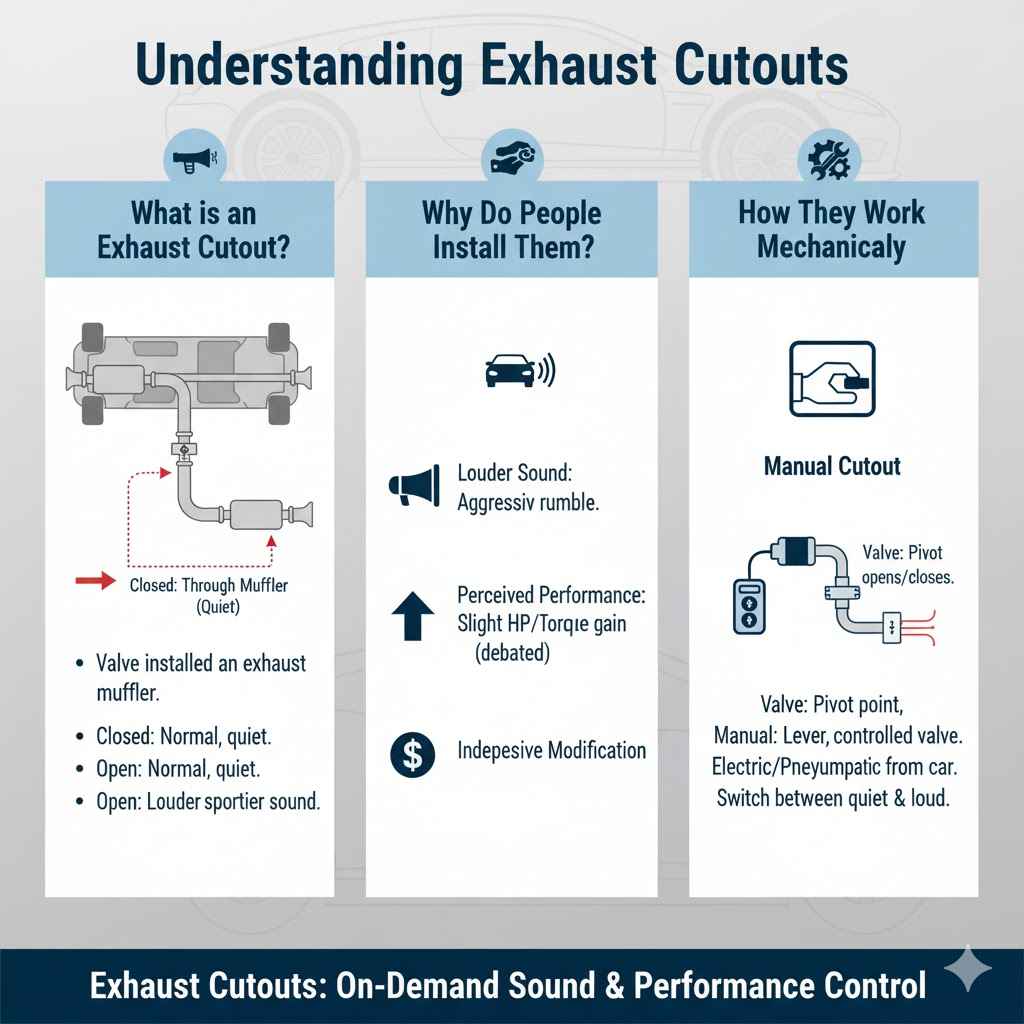
An exhaust cutout is essentially a valve installed in your car’s exhaust pipe. Think of it like a little door that can be opened or closed. When the cutout is closed, exhaust gases flow through the normal muffler system, which quiets the sound and can affect engine performance. When the cutout is open, the exhaust gases get a direct path out of the engine, bypassing the muffler. This usually results in a much louder, sportier exhaust note. It’s a way to get a louder exhaust sound without permanently altering the factory exhaust setup.
Why Do People Install Them?
People install exhaust cutouts for a few main reasons. The most common is to achieve a louder, more aggressive exhaust sound. Many car enthusiasts enjoy the rumble and roar of a performance exhaust. Another reason is for a perceived increase in performance. By reducing the restriction of the muffler, some believe that exhaust gases can escape more freely. This could potentially lead to a slight horsepower or torque gain, though this is often debated and depends heavily on the vehicle. It’s a relatively inexpensive way to change the sound and feel of a car.
How They Work Mechanically
Mechanically, an exhaust cutout is straightforward. It’s a section of pipe with a pivot point and a way to secure it either open or closed. Older or simpler designs might involve manually opening and closing a butterfly valve with a lever. More advanced systems use electric or pneumatic actuators. These allow the driver to control the cutout remotely, often from inside the car, using a switch or a key fob. This gives the driver the option to have a quiet exhaust for daily driving and a loud exhaust for when they want to have some fun.
Are Exhaust Cutouts Bad for Your Car?
This is the big question on many minds. While exhaust cutouts can offer some appealing benefits like sound and potential performance gains, there are indeed potential downsides that can negatively affect your car. It’s not as simple as just bolting one on and forgetting about it. Understanding these potential issues is key to making an informed decision. We will explore the common concerns and how they can impact your vehicle’s health and performance over time.
Potential Engine Performance Issues
One of the main concerns with exhaust cutouts is their impact on engine performance, particularly regarding exhaust backpressure. Most modern engines are designed to operate with a specific amount of backpressure. Backpressure is the resistance to exhaust flow that the exhaust system creates. This resistance is not always a bad thing. It helps to ensure that the exhaust gases are scavenged effectively from the engine cylinders. When an exhaust cutout is opened, it drastically reduces this backpressure.
What is Backpressure?
Backpressure is the pressure that builds up in the exhaust system as exhaust gases are pushed out of the engine. Think of it like trying to blow air through a narrow straw versus a wide pipe. The straw creates more resistance, or backpressure. In a car engine, the exhaust system, including the muffler, catalytic converter, and pipes, creates this resistance.
How Backpressure Affects Engines
For many engines, a certain level of backpressure is beneficial. It helps to create a scavenging effect, where the exiting exhaust gases pull the next batch of exhaust gases out of the cylinder more efficiently. It can also help to retain some heat in the exhaust gases, which can be important for the proper functioning of the catalytic converter. Removing too much backpressure by opening a cutout can disrupt this process.
Negative Impacts of Reduced Backpressure
When backpressure is too low, especially at lower engine speeds, it can lead to several problems. The scavenging effect might not work as well, meaning less exhaust is pulled out of the cylinders. This can result in less fresh air and fuel being drawn in on the next intake stroke, leading to a loss of low-end torque and power. It can make the car feel sluggish when you’re just cruising or trying to accelerate from a stop.
Loss of Low-End Torque
This loss of low-end torque is a common complaint from people who install exhaust cutouts without proper tuning. The car might feel weaker when you’re not at high RPMs. While you might notice a sound difference, the actual usable power on the street could decrease. This is especially true for naturally aspirated engines.
Impact on Turbocharged Engines
Turbocharged engines are a bit different. For them, reducing backpressure can sometimes be beneficial as it allows the turbocharger to spool up faster and more efficiently. However, even with turbo engines, there’s a point where too little backpressure can become detrimental, affecting the turbo’s efficiency or even causing damage if not managed correctly.
Legal and Environmental Concerns
Beyond performance, there are significant legal and environmental reasons why exhaust cutouts might be considered “bad” for your car, or at least for your wallet and your conscience. These devices often bypass emissions control equipment, which can lead to serious trouble.
Emissions Regulations
Most countries and regions have strict emissions regulations in place to control air pollution. These regulations often require vehicles to have functional catalytic converters, which are designed to reduce harmful pollutants like carbon monoxide, nitrogen oxides, and unburned hydrocarbons.
Bypassing the Catalytic Converter
When an exhaust cutout is installed, it is often placed before the catalytic converter. If the cutout is opened, the exhaust gases will bypass the catalytic converter entirely. This means that all the harmful gases that the converter would have neutralized are released directly into the atmosphere.
Consequences of Violating Emissions Laws
Operating a vehicle with a bypassed or removed catalytic converter is illegal in most places. Law enforcement officers can issue tickets, and vehicles can fail emissions tests required for registration renewal. The fines can be substantial, and you may be required to have the emissions equipment reinstated.
Noise Pollution
Another significant issue is noise pollution. Exhaust cutouts, when open, can make your car extremely loud. In many urban and suburban areas, there are noise ordinances that limit how loud vehicles can be. Excessively loud exhaust systems can lead to complaints from neighbors and potential fines from local authorities.
Environmental Impact
From an environmental standpoint, bypassing emission controls is harmful. These systems are in place to protect air quality and public health. Releasing raw exhaust gases contributes to smog and other forms of air pollution.
Durability and Reliability Issues
While some exhaust cutouts are well-made, there are also concerns about their long-term durability and how they might affect the rest of your exhaust system. Not all cutouts are created equal, and some can cause problems down the line.
Material Quality and Corrosion
Many exhaust cutouts are made from stainless steel, but cheaper versions might use less durable materials. In regions where salt is used on roads in the winter, or in humid climates, exhaust components can be prone to rust and corrosion. A cheap cutout might not withstand these conditions for long, leading to leaks or failure.
Leakage and Fitment
Proper installation is crucial for any exhaust modification. If an exhaust cutout is not fitted correctly, it can lead to exhaust leaks. Leaks can occur at the flanges where the cutout is connected to the exhaust pipe, or from the valve mechanism itself if it doesn’t seal properly.
Consequences of Exhaust Leaks
Exhaust leaks are not just noisy; they can also be dangerous. If leaks occur before the cabin of the car, dangerous exhaust fumes, including carbon monoxide, could enter the passenger compartment. This can lead to serious health risks. Leaks can also cause exhaust gases to be directed to areas where they shouldn’t be, potentially damaging other components like wiring or sensors.
Effect on Sensors
Modern cars rely heavily on sensors in the exhaust system, such as oxygen sensors (O2 sensors) and mass airflow (MAF) sensors. These sensors provide crucial data to the engine control unit (ECU) for optimal fuel mixture and emissions control.
O2 Sensors and Exhaust Gases
O2 sensors measure the amount of oxygen in the exhaust gases. They help the ECU determine if the air-fuel mixture is too rich or too lean. If exhaust gases are leaking before the O2 sensors, or if bypassing the catalytic converter drastically changes the gas composition, the sensors may send incorrect readings. This can lead to the ECU making poor adjustments, causing poor fuel economy, rough idling, and potential engine damage.
MAF Sensors and Airflow
While MAF sensors are usually located before the exhaust system, changes in exhaust flow can sometimes indirectly affect their readings or the ECU’s interpretation of them. More importantly, faulty O2 sensor readings due to leaks or altered exhaust flow can cause the ECU to trigger check engine lights.
Mechanical Failure of the Cutout Itself
The moving parts of an exhaust cutout, like the valve and its actuator, are subject to high heat and vibration. Over time, these components can fail. A seized valve, a broken actuator, or a worn seal can render the cutout inoperable, leaving you with a permanently loud or leaking exhaust.
Alternatives to Exhaust Cutouts
Given the potential drawbacks of exhaust cutouts, many car owners look for alternatives that can provide a similar experience without the same risks. Fortunately, there are several options available that offer improvements in sound and performance while remaining compliant and reliable.
Performance Mufflers
A popular and straightforward alternative is to install a performance muffler. These mufflers are designed to provide a deeper, more aggressive exhaust note than the stock muffler but without the extreme loudness of an open cutout. They are designed to work with the rest of your exhaust system and emissions equipment.
How Performance Mufflers Differ
Stock mufflers are designed primarily for quiet operation. They often use chambers and baffles to absorb sound waves. Performance mufflers, on the other hand, often use a straight-through design with perforated tubes and packing material. This allows exhaust gases to flow more freely, reducing backpressure slightly and creating a sportier sound.
Benefits of Performance Mufflers
One of the biggest benefits is that they are street legal and designed to work with your catalytic converter. They offer a noticeable improvement in exhaust sound and can sometimes provide modest performance gains due to improved exhaust flow. They are also generally more durable and reliable than a mechanical cutout.
Sound Profiles
Performance mufflers come in a wide variety of sound profiles, from a mild rumble to a more aggressive growl. Many brands offer different levels of aggressiveness so you can choose the sound that best suits your preferences and your car.
Cat-Back Exhaust Systems
A cat-back exhaust system replaces the factory exhaust from the catalytic converter back to the tailpipe. This includes the muffler, resonator (if present), and exhaust piping. These systems are engineered to optimize exhaust flow and sound.
What is a Cat-Back System?
The term “cat-back” means the system starts after the catalytic converter. This ensures that all emissions equipment remains intact and functional. The piping is often larger in diameter and smoother than stock, and the muffler is designed for a sportier sound and better flow.
Advantages of Cat-Back Systems
Cat-back systems are designed by exhaust manufacturers to work harmoniously with your car’s engine and emissions system. They are engineered for specific vehicles, ensuring proper fitment and optimal performance. They offer a good balance of improved sound, potential performance gains, and compliance with regulations.
Performance Gains
While not as dramatic as some modifications, a well-designed cat-back system can offer noticeable improvements in horsepower and torque. The optimized piping diameter and less restrictive muffler allow the engine to breathe more freely.
Sound and Quality
These systems are typically made from high-quality stainless steel for durability. They offer a range of exhaust notes, from subtle performance enhancements to aggressive sport sounds, often with drone-free operation at cruising speeds.
Axle-Back Exhaust Systems
An axle-back exhaust system is a simpler modification that replaces only the muffler and tailpipe section of your exhaust. It connects directly to the exhaust pipe after the rear axle.
Simplicity and Cost
Axle-back systems are usually the least expensive and easiest exhaust modifications to install. They primarily affect the sound of the exhaust, providing a louder note from the rear of the car.
Sound Enhancement
They offer a more aggressive sound than stock but typically less of a performance improvement than a full cat-back system. They are a good option if your main goal is to improve the exhaust note without major modifications.
Compliance
Like cat-back systems, axle-back modifications do not interfere with the catalytic converter, making them compliant with emissions regulations.
ECU Tuning (Engine Control Unit)
While not a direct exhaust modification, engine tuning is often considered alongside exhaust upgrades. The ECU controls many aspects of engine operation, including fuel delivery and ignition timing.
How Tuning Works
A professional tuner can adjust the software within your car’s ECU. This can optimize the engine’s performance based on other modifications, such as a cat-back exhaust or even intake upgrades.
Tuning and Exhaust Flow
If you’ve upgraded your exhaust system to improve airflow, tuning can help your engine take full advantage of these changes. It can adjust fuel maps and timing to maximize power and efficiency with the new exhaust flow characteristics.
Important Note on Tuning
It is essential to have ECU tuning done by a reputable professional. Incorrect tuning can cause significant engine damage. Tuning should always be considered in conjunction with other hardware modifications to ensure compatibility and optimal results.
How to Avoid Problems with Exhaust Modifications
Making changes to your car’s exhaust system can be exciting, but it’s important to do it right to avoid problems. The key is to prioritize quality, compliance, and understanding how your car’s systems work together. Avoiding the pitfalls of poorly chosen modifications will ensure you enjoy your car more and avoid costly repairs.
Choose Reputable Brands and Quality Parts
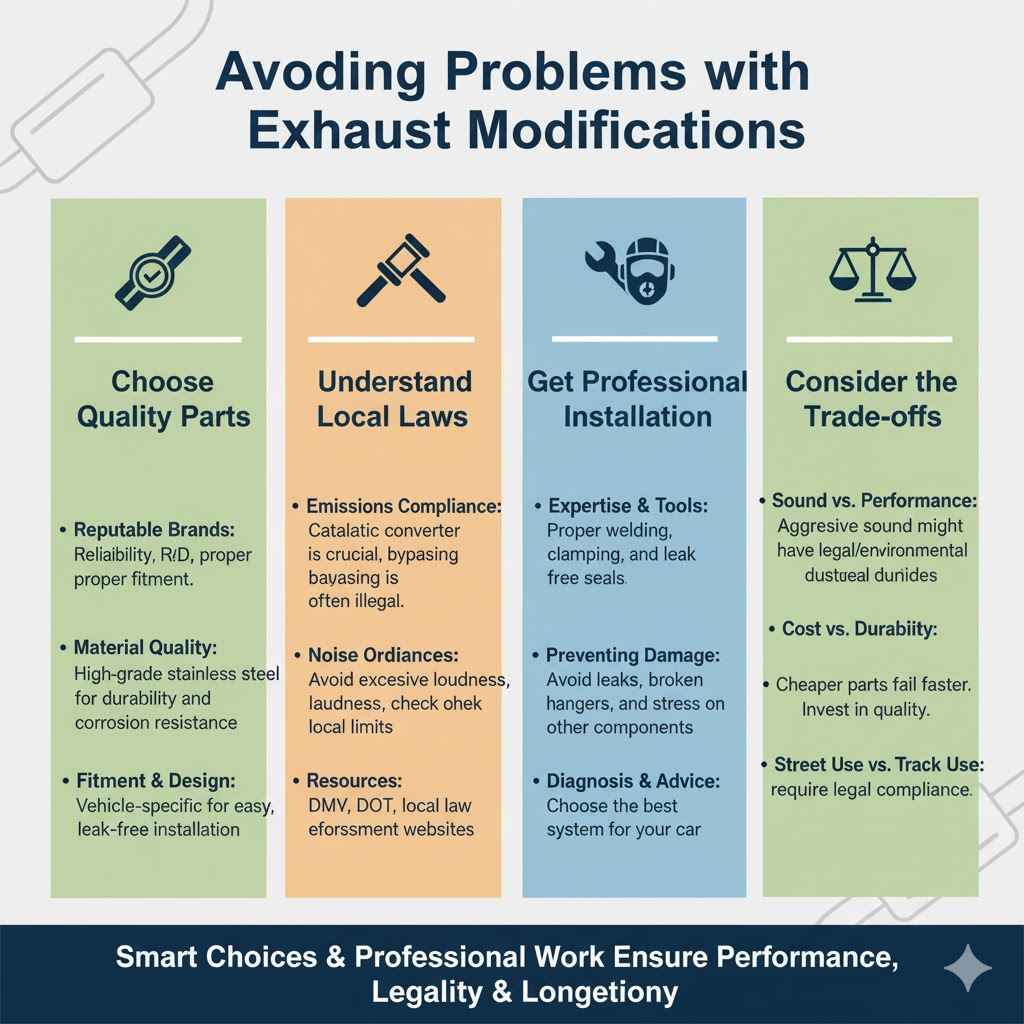
This is perhaps the most critical step. When you buy exhaust components, whether it’s a muffler, a cat-back system, or even an exhaust cutout (if you choose to go that route), always opt for parts from well-known, reputable manufacturers.
Why Brand Matters
Established brands have a reputation to uphold. They invest in research and development to ensure their products perform well, fit correctly, and are made from durable materials. Cheaper, unbranded parts might seem appealing for their low cost, but they often use inferior materials that rust quickly or fail prematurely.
Material Quality
Look for components made from high-grade stainless steel. This material is resistant to corrosion and can withstand the high temperatures and vibrations of the exhaust system. Cheaper steel or coated metals might look good initially but will degrade over time, especially in harsh weather conditions.
Fitment and Design
Reputable brands design their exhaust systems for specific vehicle makes and models. This ensures a proper fit, which is crucial to avoid leaks and make installation straightforward. A poorly fitting part can lead to exhaust leaks, damage to surrounding components, and a frustrating installation process.
Understand Local Laws and Regulations
Before purchasing or installing any exhaust modification, it’s vital to know the laws in your area. This includes noise ordinances and emissions regulations.
Emissions Compliance is Key
In most places, tampering with or removing your catalytic converter is illegal. Exhaust cutouts that bypass the catalytic converter are a direct violation. Ensure any modification you make keeps your catalytic converter in place and functioning properly.
Noise Ordinances
Pay attention to local noise limits for vehicles. Extremely loud exhaust systems can lead to tickets and mandatory repairs. While a sportier sound is desirable for many, being excessively loud can cause more trouble than it’s worth.
Resources for Local Laws
You can usually find information about vehicle modification laws on your state or local government’s Department of Motor Vehicles (DMV) or Department of Transportation websites. Local law enforcement agencies or emissions testing centers can also provide guidance.
Get Professional Installation
While some exhaust modifications can be installed by experienced DIYers, it’s often best to have them fitted by a professional exhaust shop.
Expertise and Tools
Professional installers have the specialized tools and knowledge to properly fit exhaust components. They understand exhaust welding, clamping techniques, and how to ensure a leak-free seal.
Preventing Damage
Incorrect installation can lead to exhaust leaks, damage to the exhaust hangers, or stress on other parts of the exhaust system. Professionals can prevent these issues and ensure the system is securely mounted.
Diagnosis and Advice
A good exhaust shop can also offer advice on the best modifications for your car and your goals. They can help you choose parts that will work well together and avoid common mistakes.
Consider the Trade-offs
Every modification involves trade-offs. With exhaust cutouts, the trade-off is often between aggressive sound and potential legal, environmental, and performance issues. With other modifications, it might be between cost and complexity.
Sound vs. Performance
Decide what your priority is. If extreme loudness is your main goal, a cutout might seem appealing, but consider the downsides. If a balance of sound and performance is key, a cat-back system might be a better choice.
Cost vs. Durability
The cheapest option is rarely the best in the long run. Investing a bit more in quality parts and professional installation can save you money and hassle down the line by avoiding repairs and replacements.
Street Use vs. Track Use
If your car is primarily for track use, some regulations might be less strict. However, for daily driving on public roads, compliance with laws and regulations is essential.
Frequently Asked Questions
Question: Can exhaust cutouts damage my engine?
Answer: Yes, exhaust cutouts can potentially damage your engine. By drastically reducing backpressure, they can disrupt the engine’s optimal operating parameters, leading to a loss of low-end torque and potentially affecting fuel efficiency. In some cases, improper installation or leaks can also introduce harmful elements to the engine.
Question: Are exhaust cutouts legal?
Answer: In most places, exhaust cutouts that bypass the catalytic converter are illegal because they violate emissions standards. Even if they don’t bypass the converter, many are too loud and violate local noise ordinances. It’s crucial to check your local laws.
Question: Will an exhaust cutout add horsepower?
Answer: The effect of an exhaust cutout on horsepower is often debated and depends heavily on the specific vehicle and other modifications. While some claim minor gains, it’s common for them to actually decrease low-end torque and overall drivability for many street cars.
Question: What’s a better alternative to an exhaust cutout?
Answer: A better alternative for most drivers seeking improved sound and some performance is a quality performance muffler, a cat-back exhaust system, or an axle-back exhaust system. These options offer desirable sound and potential gains without the legal and reliability issues of cutouts.
Question: How can I tell if my car’s exhaust is leaking?
Answer: Signs of an exhaust leak include a hissing or puffing sound from under your car, a noticeable increase in exhaust noise, a change in exhaust smell, or even visible soot marks around exhaust pipe connections. If you suspect a leak, it’s important to have it checked by a mechanic immediately due to safety concerns.
Summary
The question of “Are Exhaust Cutouts Bad for Your Car?” often leads to considering sound and performance. However, they can cause illegal emissions, unwanted noise, and can negatively impact your engine’s efficiency by altering backpressure. Many better, legal alternatives exist. Choosing quality parts and professional installation is always the best path for enjoying your car safely.