
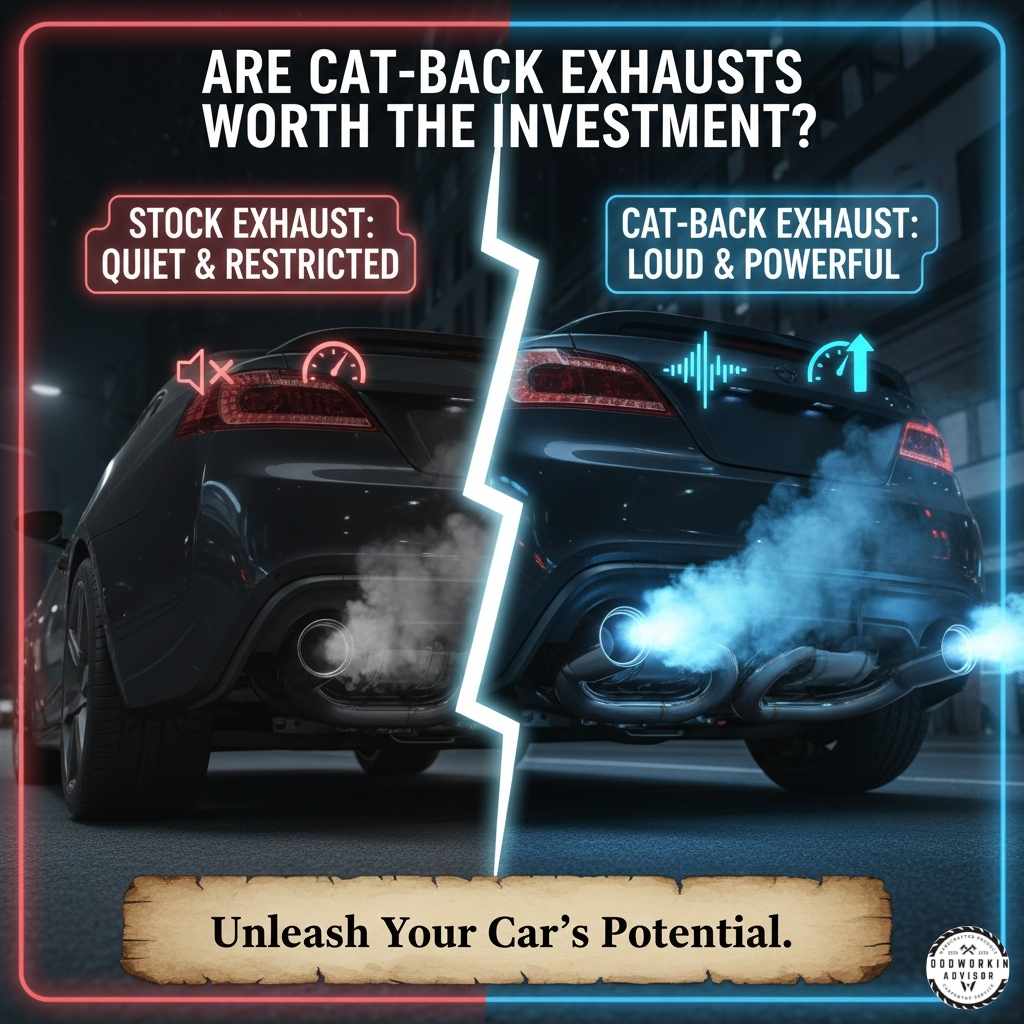
Are Cat-Back Exhausts Worth the Investment?
Thinking about upgrading your car’s exhaust? The question Are Cat-Back Exhausts Worth It? comes up often, especially for people new to car modifications. It can be a little tricky because it involves terms and concepts that might seem unfamiliar. Don’t worry, though! This guide will break down everything in a clear, easy-to-follow way. We’ll explore the main parts, benefits, and drawbacks, helping you decide if this upgrade is right for your ride. Let’s get started!
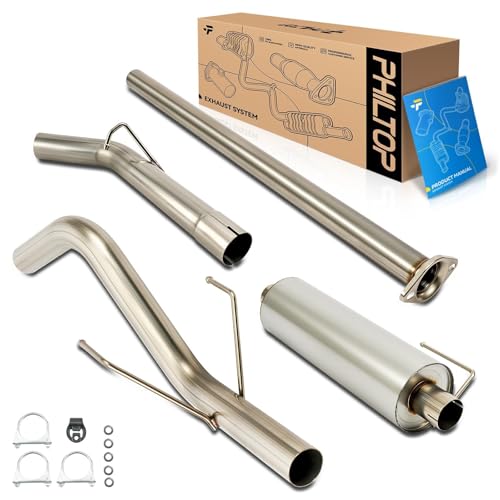
PHILTOP
PHILTOP Cat-Back System Fit for 2005-2009 2011-2015…
- Vehicle Fitment - The Catback System exhaust kit compatible with 2005-2009 2011-2015 Toyota Tacoma 4.0L V6
- Engineering Excellence - Vehicles are all about dependability and capability, which is why MagnaFlow engineers every one of our du…
- Reduce Noise - The larger pipes, low-restriction mufflers, and tuned resonators of a well-designed performance exhaust system can…
As an Amazon Associate I earn from qualifying purchases.
What Are Cat-Back Exhausts and How Do They Work?
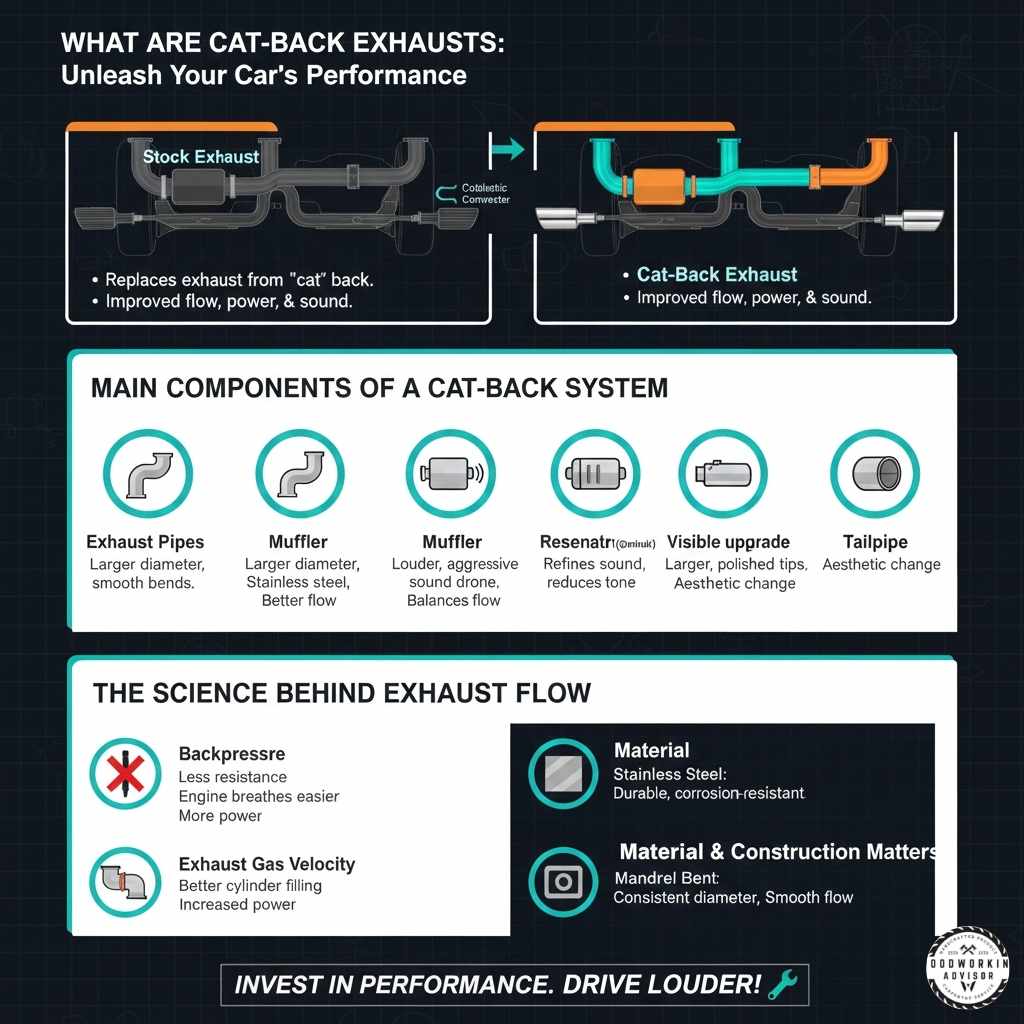
Cat-back exhausts are a popular modification for car enthusiasts. They replace the exhaust system from the catalytic converter (the “cat”) back to the tailpipe. This means they include the exhaust pipes, muffler, and tailpipe, leaving the catalytic converter untouched. The main goal is to improve exhaust flow, which can lead to gains in horsepower, torque, and a more aggressive sound. They’re called “cat-back” because they begin at the catalytic converter. Think of it like this: the catalytic converter is the starting point, and everything behind it gets swapped out.
The Main Components of a Cat-Back System
Understanding the parts of a cat-back system helps you see how they work. Each part plays a role in how well the system performs. From the pipes that route the exhaust gases to the muffler that reduces noise, each piece has a specific job to do. Knowing these components allows for better decision making. It allows you to select a system that matches your needs and car’s specifications.
Exhaust Pipes: These pipes are usually larger in diameter than the stock pipes. Bigger pipes mean less restriction and better flow. They are usually made from materials like stainless steel. This increases durability and resistance to corrosion and wear. The pipes are often mandrel bent, which means they maintain a consistent diameter throughout the bends, further maximizing exhaust flow.
Exhaust pipes are vital for directing exhaust gases. They are critical for ensuring smooth and efficient exhaust flow, directly influencing engine performance. The material, diameter, and shape of the pipes play a part in optimizing these functions.
Muffler: The muffler is designed to reduce the noise from the engine. Cat-back systems often come with performance mufflers. These mufflers provide a balance between sound and flow. They can change the exhaust note, and are often louder than a standard muffler. They can range from a deep rumble to a more aggressive tone.
The muffler in a cat-back system is a key element. It strikes a balance between sound control and exhaust flow, influencing the overall performance. The design of the muffler affects the sound of the engine, allowing customization.
Resonator (Optional): Some cat-back systems include a resonator. A resonator is similar to a small muffler and further refines the exhaust note. It helps eliminate unwanted frequencies that can cause a “drone” at certain engine speeds. It helps to smooth out the exhaust sound.
Resonators, though optional, can make a difference in your car. They fine-tune the exhaust note and eliminate unpleasant noises. They help the overall sound profile of the exhaust system, creating a more enjoyable driving experience.
Tailpipe: The tailpipe is the final part of the exhaust system. It is visible at the rear of the car. Many cat-back systems include upgraded tailpipes. These can be larger, have different finishes (like polished stainless steel), and even change the style of the exhaust tips.
The tailpipe, the final piece of the cat-back system, is also a visual component. Upgraded tailpipes can affect both the appearance and sound of the exhaust. They often have different finishes and can change the aesthetic of the car’s rear.
The Science Behind Exhaust Flow
The core concept is to reduce resistance in the exhaust system. When the exhaust gases flow through the system, they encounter resistance. This resistance makes the engine work harder to push them out. By decreasing resistance, a cat-back system lets the engine breathe more freely. This improved flow can create benefits such as more power.
Backpressure: Backpressure is resistance within the exhaust system. While some backpressure is needed for engine efficiency, too much can hurt performance. A cat-back system reduces backpressure. This allows the engine to get rid of exhaust gases more easily.
Backpressure is a key idea when exploring exhaust systems. Excessive backpressure can reduce engine performance. This reduction decreases the amount of power the engine produces. Cat-back systems address this issue by minimizing backpressure.
Exhaust Gas Velocity: Faster exhaust gas velocity is good. It helps to pull more exhaust gases out of the cylinders. This, in turn, allows for better cylinder filling with fresh air and fuel. This leads to more power. Cat-back systems are built to increase gas velocity.
Exhaust gas velocity has a direct impact on engine performance. Higher speeds increase efficiency. This happens by efficiently removing the exhaust gases from the engine. Systems that increase gas velocity help to maximize engine power.
Material and Construction: The materials used (like stainless steel) and the way the pipes are made (like mandrel bending) matter. Quality materials and construction reduce restrictions. This means better flow. This means that exhaust gases flow through the system more efficiently.
The materials and construction used in an exhaust system play a role in performance. Stainless steel and mandrel-bent pipes reduce resistance. These features increase durability and efficiency.
The Advantages of Upgrading to a Cat-Back System
One of the biggest questions is: What do you get for the money? Cat-back systems can bring several gains. These upgrades are not just about looks and sound. They can also influence how the car feels and performs. From power gains to a more enjoyable driving experience, there are several reasons why car owners choose to make this change.
Improved Performance: This is a major selling point. A well-designed cat-back system can boost horsepower and torque. This increase often comes from improved exhaust flow. The engine can breathe easier, leading to better acceleration and overall performance.
Improved performance is a major selling point. They can increase power and torque. This happens because the engine breathes easier with less resistance. This can mean quicker acceleration. It can also boost the car’s overall performance.
Enhanced Sound: A cat-back system changes the sound of the exhaust. Many systems produce a deeper, more aggressive tone. The specific sound varies depending on the muffler design. This can be a satisfying change for drivers who enjoy a sportier sound.
The change in sound is a big appeal for many car enthusiasts. Cat-back systems typically give a deeper, more aggressive tone. The change is related to the specific muffler design. A new exhaust sound is a good thing for those who want a sportier driving experience.
Better Fuel Economy (Potentially): Improved exhaust flow can help the engine run more efficiently. This can lead to minor gains in fuel economy. These improvements are usually small and vary. They also depend on driving habits.
Improved exhaust flow can also improve fuel efficiency. Better gas flow can make the engine work better. The gains are typically modest. They are also subject to driver habits.
Increased Resale Value (Potentially): Upgrades, like a cat-back system, can increase a car’s resale value. This is especially true if the system is high-quality and installed well. It’s often valued by buyers who appreciate performance modifications.
Upgrades may increase the car’s resale value, especially if they are high-quality. Buyers often value well-done performance changes. This can make the car more desirable in the used car market.
Real-World Examples of Cat-Back System Benefits
Let’s look at a few examples of how cat-back systems have changed cars in the real world. These examples highlight the impact of exhaust modifications and show how these changes affect performance. These case studies can show that cat-back systems are effective.
Case Study 1: Honda Civic Si: A Honda Civic Si owner installed a cat-back exhaust. Dyno testing showed a gain of around 8 horsepower and 10 lb-ft of torque. The car felt noticeably peppier during acceleration, and the exhaust sound was more pleasing. The owner also reported a slight increase in fuel efficiency.
This shows a direct increase in performance and a more engaging driving experience. The driver enjoyed more power and a better sound, while also seeing a small improvement in fuel economy.
Case Study 2: Ford Mustang GT: A Ford Mustang GT owner upgraded the stock exhaust. The result was an increase of about 15 horsepower and 12 lb-ft of torque. The exhaust note was transformed to a deep, throaty rumble. This made the driving experience more enjoyable.
This instance illustrates the impact on both power and the sound of the car. The upgraded exhaust boosted the car’s performance. The sound was enhanced, making the car sound sportier.
Case Study 3: Subaru WRX: A Subaru WRX owner fitted a cat-back system. This resulted in an extra 10 horsepower and improved throttle response. The owner was happy with the improved sound and more responsive feel while driving.
This shows the combination of performance and auditory benefits. The Subaru WRX gained power and more responsive acceleration. The owner got a more engaging experience on the road.
Potential Drawbacks and Things to Consider
Before you decide, consider the potential downsides of a cat-back system. Knowing these will help you make a well-informed decision. Not every change is for everyone, and it’s smart to weigh the good and the bad. Understanding the downsides can help prevent regrets.
Cost: Cat-back systems can range in price. You’ll spend anywhere from a few hundred to over a thousand dollars, depending on the brand, materials, and features. This is a significant investment.
Cost is a key factor. The prices depend on the brand, materials, and other features. This must be considered in relation to your budget and the value that you place on performance changes.
Sound Level: While many like the deeper sound, cat-back systems can get loud. This could bother you, your neighbors, or even be illegal in some areas. Research the system’s sound level before buying.
The sound level of the exhaust is a consideration, especially if noise regulations are in place. Researching the system’s noise level is important before purchasing. This will help you make sure the upgrade matches your preferences and complies with local rules.
Installation: Installing a cat-back system often requires some mechanical skill. While it’s possible to do it yourself, it can also be tricky. Professional installation is another cost to add.
Installation can influence the cost. You can install it yourself if you have the mechanical knowledge. Professional installation means extra expenses.
Warranty Concerns: Installing an aftermarket exhaust can sometimes void parts of your car’s warranty. This depends on the manufacturer. It’s smart to check your warranty terms before upgrading.
Modifying your car can impact your warranty. Modifications might make some aspects of the warranty invalid. It is important to know your warranty’s terms before installing a cat-back system.
The Impact of Cat-Back Systems on Daily Driving
Consider how a cat-back system will change your daily driving experience. The benefits can be significant, but also think about the potential downsides. These factors will influence whether you enjoy the change or not. Consider how often you drive the car, and what you typically do with it.
Sound and Comfort: A louder exhaust can be fun, but it might get old on long drives. It is important to find a balance between sound and comfort. This is critical for driving. Some systems have ways to change the exhaust sound.
The balance of sound and comfort should be carefully considered. It’s important to find an exhaust that is fun without becoming tiring. Some systems let you change the sound, allowing you to have a good driving experience.
Performance in Real-World Conditions: While you might get a power boost, it might not always be noticeable in your everyday driving. The gains might be more obvious during aggressive driving or on the track. Think about how you typically use your car.
Real-world performance can be different from the dyno results. The benefits may be best when you are driving faster. For your normal driving needs, the gains might not seem obvious.
Legal Considerations: Check your local noise regulations. Some areas have laws about exhaust noise levels. Make sure the system you choose is legal in your area to avoid trouble.
It’s important to consider local rules. Some regions have limits on how loud your car’s exhaust can be. Research the laws in your area so that you can avoid any problems.
Fuel Economy and Emissions: While a cat-back system may help fuel economy slightly, the changes are not huge. Also, make sure the system doesn’t cause your car to fail emissions tests. This can vary by region.
When considering an exhaust system, it is important to remember the effect on fuel efficiency. The changes are often very small. Also, check to make sure the system will not cause your car to fail an emissions test. These things can change depending on where you live.
Choosing the Right Cat-Back System for Your Car
Picking the correct cat-back system can be a challenge. There are many options, so it’s essential to do your homework. Consider your needs and goals. This research can save you time and money. Here are some of the key factors to remember.
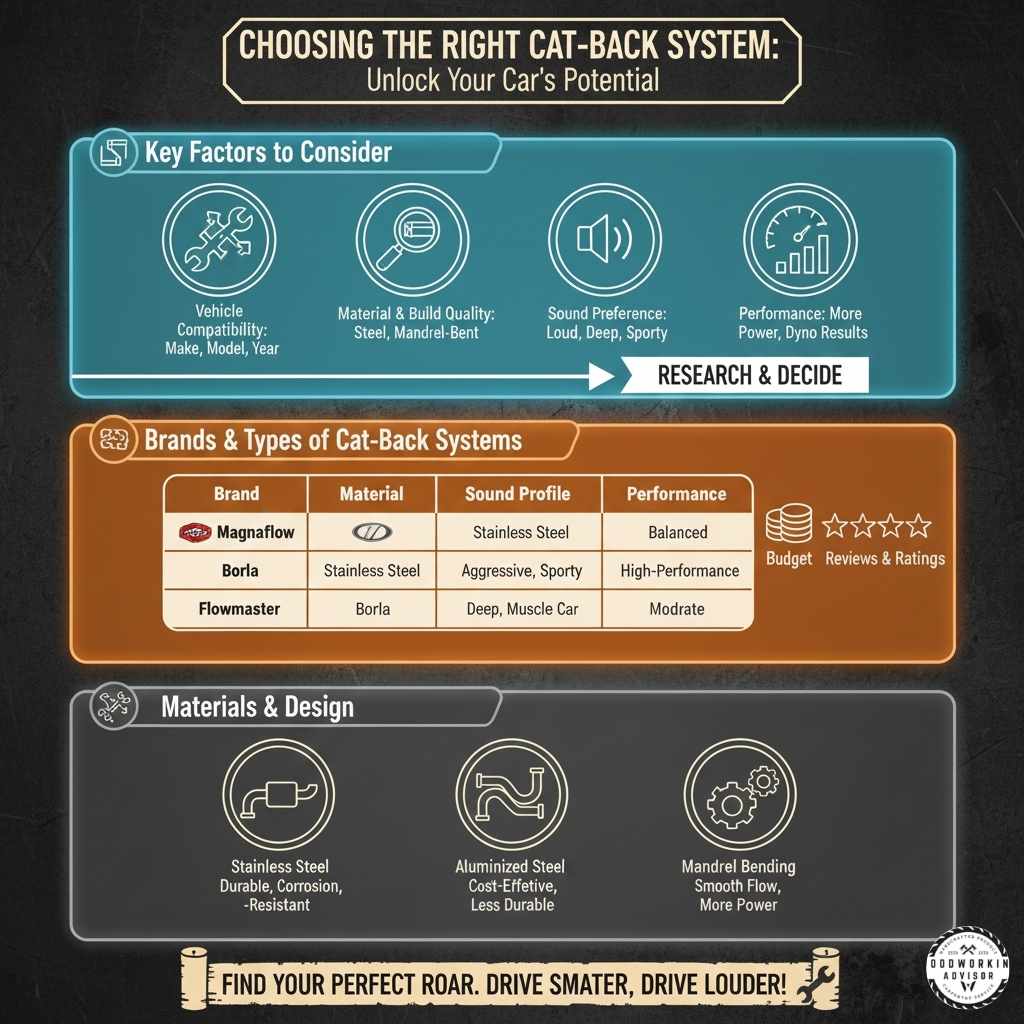
Vehicle Compatibility: Make sure the system fits your car’s make, model, and year. You can find this information on the manufacturer’s website or in the product description. Check to be certain the system is specifically made for your car.
It is important to buy a system that fits your car exactly. The year, make, and model all influence how the system fits. You can find the right information on the manufacturer’s website. Make certain the system is designed to work with your car.
Material and Build Quality: High-quality stainless steel systems are more durable. They also resist rust. Mandrel-bent pipes provide better flow. Research the materials and manufacturing to ensure quality.
The materials and quality of the construction matter. Stainless steel is a popular choice for durability. Mandrel-bent pipes increase the flow. Choose the products that are of good quality.
Sound Preference: Consider what sound you want. Look at the muffler design and read reviews. Some systems offer different sound profiles. The sound is an important aspect for most owners.
Think about the sound of the exhaust. Decide on the sound profile you want. There are many muffler designs that have different sound qualities. It’s important to read reviews to learn about the sound.
Performance Goals: If your main goal is more power, look for systems that are designed to maximize flow. Read reviews and look at dyno results. These results will reveal how much power you can gain.
If you are looking for more power, choose systems designed for maximum flow. It’s smart to research the dyno results and see what you can expect. This will help you choose the best system.
Brands and Types of Cat-Back Systems
There are many brands and types of cat-back systems. Each brand has its strengths and features. Some are well-known, others are newer, but all have something to offer. Explore a range of brands to choose what you want. Think about your budget, needs, and wants.
Popular Brands: Some popular brands include Magnaflow, Borla, Flowmaster, and AWE Tuning. These companies have earned trust in the car community. Researching brands lets you discover features.
Magnaflow, Borla, and Flowmaster are popular. These brands have strong reputations in the car community. You should do research on the features each brand offers.
System Types: Some systems are designed for maximum power. Others focus on sound, and some offer a balance of both. Some come with adjustable features.
Systems are designed for different goals. Some systems are designed for more power, while others focus on sound. Knowing this can help you decide which one is right for your needs.
Materials: Stainless steel is common, but you may also find systems made from aluminized steel. Stainless steel is more resistant to corrosion. Consider the climate and your driving conditions when choosing the material.
The material of the system is also something you must consider. Stainless steel has benefits like its resistance to corrosion. Your driving conditions should influence your choice of material.
Reviews and Ratings: Read reviews from other users. Look at ratings to see what people think about each system. See if the product performs like you want.
It’s important to read reviews from users. These reviews show how the product works. This will help you make a decision based on others’ experiences.
| Feature | Magnaflow | Borla | Flowmaster |
|---|---|---|---|
| Material | Stainless Steel | Stainless Steel | Stainless Steel |
| Sound | Moderate, Aggressive | Aggressive, Sporty | Deep, Muscle Car Sound |
| Performance Focus | Balanced | High-Performance | Moderate |
Frequently Asked Questions
Question: Will a cat-back system make my car faster?
Answer: It can! Cat-back systems improve exhaust flow, potentially increasing horsepower and torque. The actual gains depend on the car, the system, and other modifications.
Question: Is it hard to install a cat-back exhaust?
Answer: It depends. Some people find the job easy, while others may want professional installation. Basic mechanical skill and the right tools are needed.
Question: Will a cat-back system affect my car’s fuel economy?
Answer: You might see a small improvement in fuel economy, but it’s not usually a significant change. Driving habits also have a big influence.
Question: Are cat-back exhausts legal?
Answer: They are generally legal, but you must make sure the system meets local noise and emissions regulations. Check your local laws.
Question: How much does a cat-back exhaust cost?
Answer: Prices vary. You could expect to pay anywhere from a few hundred to over a thousand dollars, depending on the brand and features.
Final Thoughts
So, Are Cat-Back Exhausts Worth It? It comes down to what you want. They can boost power and change how your car sounds, offering a more exciting driving experience. However, there are also costs, like the price, and the potential for a louder exhaust. They can also affect your warranty. To make a smart choice, consider your budget, the sounds you prefer, and your driving habits. Research different systems, read reviews, and think about installation. With the right information, you can decide if a cat-back system is the right choice for you and your car. Make sure to choose a system that fits your needs.
Related pick: Check today's price on Amazon


