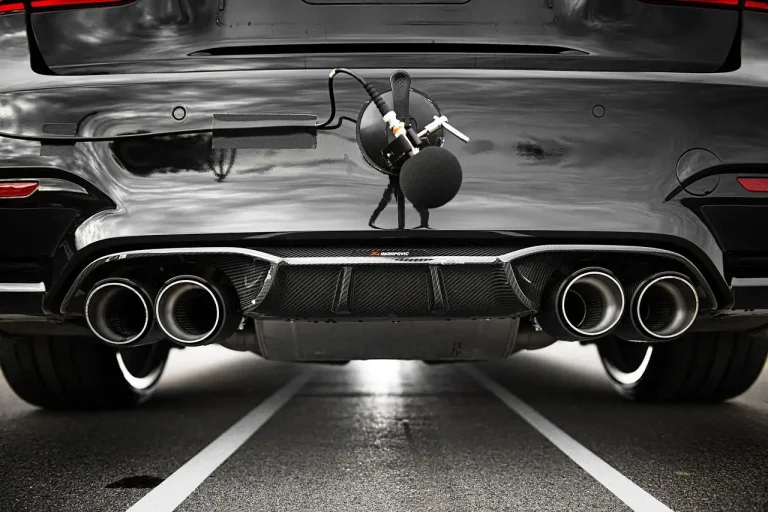
Do Motorcycle Exhausts Need a Tune?
Sometimes no, sometimes yes: a slip-on on a stock EFI bike often needs no tune, but a full system, cat delete, or any carbureted setup usually does. Ignore fueling, and you can get lean running, surging, backfiring, hot operation, or poor drivability. This guide breaks down no-tune, optional-tune, and must-tune cases by exhaust change and fuel system.
Tuning needs by exhaust type and fueling system



The exhaust change decides most of it. A slip-on on a stock-header, closed-loop EFI bike often stays in the no-tune category, while a full exhaust system, cat delete, or major engine combination moves into optional-tune or must-tune territory. Carbureted bikes and heavily modified engines need tighter fueling control.
The short answer by exhaust type
A slip-on replaces only the muffler section and is often chosen for sound and appearance, with little or no fuel change needed on many stock bikes. A full system replaces headers and muffler together, changes flow more aggressively, and is more likely to need fuel mapping adjustments for best results. A cat delete also raises the odds that fueling changes will be needed.
Why the bike’s fueling system matters
Closed-loop EFI bikes use oxygen sensor feedback in part of the operating range, so some mild exhaust changes may be partly corrected by the ECU. That does not mean every bike adapts the same way. ECU strategy varies, and the same exhaust can act differently on a Harley cruiser, a sportbike, or a small-displacement motorcycle.
Exhaust tune decision table
| Modification type | Tune required? | Likely symptoms if untuned |
|---|---|---|
| Slip-on on stock headers with working O2 sensor | Usually no | Possible decel popping, slightly different sound, little change in throttle feel; horsepower change may be small |
| Full exhaust system | Often yes, or strongly recommended | Surging, flat spots, hesitation, higher heat, weak midrange, poor throttle response |
| Cat-delete setup | More likely yes | Popping, lean running, hotter operation, unstable fueling, emissions compliance concerns |
| Stock header with O2 sensor and mild muffler change | Usually optional | Minor popping or a small change in response; often no drivability problem |
| Heavily modified engine combinations | Must-tune | Lean running, flat spots, surging, poor throttle response, heat, inconsistent power delivery |
| What to check first for leaks, surging, popping, and heat | Inspect before tuning | Loose clamps, bad gaskets, poor fitment, missing baffles, incorrect map, or mismatched parts can create the same symptoms |
Use the table as a filter, not a guarantee. The same pipe can act differently depending on the year, make, model, ECU map, and whether the bike is still running closed-loop control over part of the range.
Does a slip-on exhaust need a tune?
Usually no, if it is a slip-on on a stock-header EFI bike with a working oxygen sensor and no other engine changes. Slip-ons replace only the muffler portion of the system, so they often change sound more than fueling. A tune matters more if the bike already runs poorly, has intake work, or shows clear symptoms.
What a slip-on changes
A slip-on mainly changes exhaust note, weight, and appearance. A slip-on may only gain about 2-3 horsepower, and on many bikes that gain is small enough that closed-loop fueling can handle it without an immediate remap. It is not the same as changing headers, collector design, or catalyst placement.
When a slip-on can stay untuned
If the bike idles cleanly, pulls smoothly, and only shows mild decel popping after the install, tuning may not be necessary. That is especially true when the stock header remains in place, the oxygen sensor still works, and the exhaust fitment is correct. Some bikes adapt well to that level of change.
When a slip-on still needs mapping help
Fueling help becomes more likely if the slip-on is paired with an intake change, removed baffle, or an ECU that does not tolerate the new airflow well. If you notice hesitation, surging at steady throttle, or excessive heat after the change, a fuel map check is smarter than guessing. A slip-on may not always require tuning, but symptoms matter more than the label.
Suppose a 1,200 cc cruiser gets a slip-on only, keeps the stock header, and still uses the factory oxygen sensor; it may only pop a little on closed throttle. If it only pops a little on closed throttle, that may be normal. If the same bike starts surging at 3,000 rpm on steady cruise, the problem is no longer “exhaust noise”; it is a fueling or leak issue.
Does a full exhaust need a tune on a motorcycle?
Most of the time, yes or at least very often. A full exhaust system replaces the headers and muffler together, so it changes flow much more than a slip-on. That makes fuel mapping adjustment more likely, and dyno tuning becomes especially useful when you want to confirm air-fuel ratio and throttle response.
Why full systems change fueling more often
Full systems replace the whole exhaust path, so they alter scavenging, backpressure, and exhaust pulse behavior far more than a muffler swap. That can move the fueling target enough to create flat spots, decel popping, or lean running if the ECU does not compensate well enough.
Why a full system is more likely to benefit from dyno tuning
Dyno tuning can verify whether the new system actually changed the air-fuel ratio across the range you ride in. It is most useful for full systems and heavily modified bikes because it can expose a clean top-end gain or a messy midrange dip. Full system power gains can be 10%-15% with the right tuning.
Bike type and exhaust choice
Harley cruisers, sportbikes, and small-displacement bikes do not always react the same way. A Harley with a freer exhaust may show pronounced decel popping and heat changes. A sportbike may need more precise mapping near the midrange and top end. A small-displacement bike can feel a small airflow change more sharply because there is less margin.
Picture a 650 cc sportbike that gets headers, a mid-pipe, and a muffler swap at the same time; it may hesitate at part throttle afterward. If the bike now hesitates at part throttle and feels hotter in slow traffic, that is much more consistent with a fueling mismatch than with normal exhaust noise. That is the kind of build where dyno verification pays off.
Will my motorcycle run lean after exhaust work?
It can, especially after a full system, a cat delete, or exhaust and intake changes together. Lean running means the engine is getting too much air for the fuel the ECU or carburetor is supplying. The most useful clues are higher heat, hesitation, and poor throttle response, not just a little popping on deceleration.
Lean running symptoms to watch
Watch for hotter-than-usual operation, stumble when you roll on the throttle, flat spots at steady speed, and an engine that feels unwilling to pull cleanly. Those symptoms point toward a fueling mismatch. They are more concerning when they appear after major flow changes rather than after a simple muffler swap.
How to tell lean running from normal decel popping
Deceleration popping can happen after exhaust work even when fueling is close enough for normal running. It can also point to an exhaust leak or a mismatch, so it should not be treated as automatic proof that a tune is required. If popping appears only on closed throttle and the bike otherwise rides normally, start with leak checks and fitment.
What counts as a real problem
If popping comes with surging, rough transitions, or heat that clearly exceeds the bike’s normal behavior, that is more than cosmetic noise. Popping, excessive heat, flat spots, and surging can signal a poor exhaust match. That is the point where you stop blaming the muffler and start checking the map, the exhaust seals, and the rest of the setup.
Fuel mapping, O2 sensors, and cat deletes
Closed-loop fueling can reduce the need for tuning on mild exhaust changes, but it does not erase the need after major flow changes. Oxygen sensor control only covers the operating range the ECU is programmed to manage. A cat delete increases the chance that tuning is needed, and legal compliance varies by jurisdiction.
How closed-loop fueling can reduce the need for tuning
The oxygen sensor lets the ECU correct some mixture error in real time. That is why many slip-ons on stock-header bikes stay in the no-tune category. The catch is that not all bikes use closed-loop fueling the same way, and some ECUs adapt only in a limited range.
Why a cat delete changes the odds
The catalytic converter is part of the stock system, and removing it changes exhaust flow and heat management. Remove it, and the exhaust flow changes again. That often makes a fuel controller or ECU remap more useful, especially if the bike already shows lean behavior. A cat delete also raises emissions and legal questions, so compliance should be checked before the work is done.
When a fuel controller makes sense
A fuel controller or piggyback tuner is commonly used when an ECU remap is not desired or not available for a given model. It is most useful after a full system, some cat-delete setups, and off-road builds that need fuel adjustment without rewriting the factory ECU. It should be matched to the exact year, make, and model.
A common first-timer mistake is to buy a cat-delete pipe, install it with no mapping change, and then blame the exhaust for every rough edge. If the bike now runs hotter and hesitates at steady throttle, the pipe changed the flow enough that the old fueling no longer fits.
- Confirm the exact year, make, and model before buying any exhaust.
- Check whether the bike uses closed-loop fueling and a working oxygen sensor.
- Separate slip-on changes from full-system changes before deciding on a tune.
- Inspect for leaks, loose clamps, and bad gaskets before blaming fueling.
- Look for surging, heat, hesitation, and flat spots, not only decel popping.
- Use dyno tuning when the exhaust change is large, or the engine is modified beyond stock.
Frequently asked questions
Do motorcycle exhausts need a tune?
Not always. A slip-on on a stock EFI bike often does not need one, while a full system, cat delete, or carbureted setup usually does. The safest rule is to match the tune decision to the size of the exhaust change and the bike’s fueling system, not to the pipe alone.
Will an exhaust make my bike run lean?
It can, especially after a full system, cat delete, or major intake-and-exhaust combination. Lean running shows up as higher heat, hesitation, flat spots, and poor throttle response. A little decel popping by itself is not enough to prove the bike is lean.
What are the signs my motorcycle needs a retune after exhaust work?
The clearest signs are surging at steady throttle, hesitation on roll-on, excessive heat, and flat spots in the range you ride most. If those symptoms appear after the exhaust change, the bike likely needs more than a visual inspection. Check for leaks first, then consider fuel mapping changes.
Can I install an exhaust without changing fuel mapping?
Yes, if the change is mild, such as a slip-on on a stock-header EFI bike with a working oxygen sensor. That answer changes with a full system, a cat delete, or a heavily modified engine. The more the exhaust flow changes, the less safe it is to assume the old map still fits.