Do You Need A Retune With Vance And Hines Exhaust? Essential!
Yes, you absolutely need to retune your motorcycle after installing Vance & Hines exhaust. A proper tune ensures optimal performance, prevents engine damage, improves fuel efficiency, and maximizes the benefits of your new exhaust system. Skipping this vital step can lead to costly repairs and a less enjoyable ride.
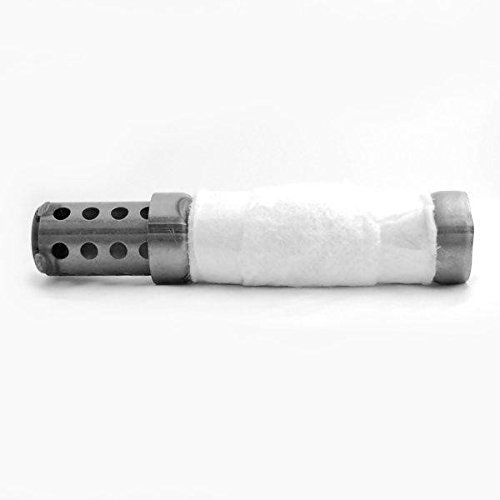
Vance & Hines
Vance & Hines Quiet Baffle for Big…
- Replace the excessive bulk and weight of the stock system and substantially increase horsepower and torque
- Utilize the exclusive Vance Hines Power Chamber
- The Power Chamber is a unique crossover system that offers all the performance advantages of a 2 into 1 race system yet retains th…
As an Amazon Associate I earn from qualifying purchases.
It’s exciting to upgrade your motorcycle with a new Vance & Hines exhaust. The rumble, the look, the improved sound – it’s all part of the riding experience. But once that shiny new pipe is on, a question often pops up: “Do I need to retune my engine?” Many riders wonder if simply bolting on an aftermarket exhaust is enough. Not sure where to start or what a “retune” even means? You’re not alone! It can feel like a technical hurdle, but understanding why it’s essential for your Vance & Hines exhaust is the first step. Don’t worry, we’ll break it down simply. This guide will walk you through why a retune is crucial and what it involves, so you can get back on the road with confidence and peace of mind.
Why Retuning is Essential for Vance & Hines Exhaust Systems
Swapping out your stock exhaust for a Vance & Hines system is a fantastic upgrade, but it’s more than just changing the look and sound. Your motorcycle’s engine is a finely tuned machine, and the exhaust system plays a significant role in how it breathes and performs. When you change the exhaust, you’re altering the backpressure and the way air flows in and out of your engine. Think of it like changing one part of a complex puzzle – the other pieces need to adjust to fit properly.
Without a proper retune, your engine might not be getting the right amount of fuel for the amount of air it’s now taking in. This mismatch can lead to several problems. It’s not just about getting the most power; it’s about keeping your engine healthy and running smoothly. Vance & Hines is known for quality, and they design their exhausts with performance in mind, but that design relies on your engine’s fuel and ignition systems being adjusted to match.
Understanding Your Motorcycle’s Engine Tuning
At its core, engine tuning is about optimizing the air-fuel mixture and ignition timing to match the engine’s requirements under various conditions. For most modern motorcycles, especially those with fuel injection, this is managed by the Engine Control Unit (ECU), often called the motorcycle’s computer. The ECU receives information from various sensors around the bike – like oxygen sensors, throttle position sensors, and engine speed sensors. Based on this data, it decides how much fuel to inject and when to spark the spark plugs.
When you install a less restrictive Vance & Hines exhaust, the engine can exhale exhaust gases more freely. This means it can potentially take in more air. If the ECU isn’t aware of this change, it will continue to deliver the same amount of fuel as it did with the stock exhaust. This creates an imbalance: too much air and not enough fuel. This lean condition can cause:
- Poor performance and engine sputtering.
- Increased engine temperatures, which can lead to damage over time.
- Reduced fuel efficiency.
- Backfiring or popping, especially on deceleration.
A retune essentially reprograms or recalibrates the ECU to account for the changes introduced by the new exhaust. This ensures the air-fuel mixture is correct, allowing your engine to run efficiently and safely with your Vance & Hines pipes.

The Impact of Airflow on Engine Performance
Your engine needs a precise ratio of air and fuel to combust efficiently. This ratio is often referred to as the stoichiometric ratio, which is approximately 14.7 parts of air to 1 part of fuel by weight for gasoline. However, engines don’t always operate at this exact ratio. They are tuned to run slightly richer (more fuel) or leaner (less fuel) in different situations to optimize for power, emissions, or fuel economy.
A stock exhaust system is designed with very specific parameters to meet emissions regulations and create a certain level of backpressure. Backpressure is the resistance to exhaust gas flow. While too much backpressure can choke an engine, some is necessary. It helps to scavenge exhaust gases from the cylinders and can influence the air-fuel mixture. When you install a freer-flowing Vance & Hines exhaust, you significantly reduce this backpressure and increase the volume of air the engine can move.
This increased airflow capacity means that if your ECU isn’t recalibrated, it will likely continue to operate as if the stock exhaust were still in place. The ECU will try to maintain the factory-programmed air-fuel ratios. However, with the new exhaust allowing more air in, the engine can become “lean” – meaning there isn’t enough fuel for the amount of air. This lean condition is terrible for performance and can be hazardous to your engine.
A proper tune adjusts the fuel delivery maps in your ECU to compensate for this increased airflow. It ensures that for every bit of air entering the engine, the correct amount of fuel is injected. This allows the engine to take full advantage of the improved breathing capability provided by the Vance & Hines exhaust, resulting in:
- Increased horsepower and torque: The engine can burn fuel more effectively.
- Smoother throttle response: Less hesitation or jerky acceleration.
- Reduced risk of engine damage: Preventing overheating and detonation caused by lean conditions.
- Better fuel economy: When tuned correctly, the engine can operate more efficiently.
- Elimination of popping and backfiring: A common symptom of lean conditions after exhaust upgrades.
The Risks of Not Retuning
Ignoring the need for an ECU retune after installing Vance & Hines exhaust is a gamble with your motorcycle’s health and your riding enjoyment. The consequences can range from minor annoyances to serious, expensive repairs. It’s crucial to understand these risks before deciding to skip this step.
Engine Damage
This is the most critical risk. When an engine runs lean (too much air, not enough fuel), combustion temperatures rise significantly. Prolonged exposure to these high temperatures can damage vital engine components. The pistons can overheat, leading to melting or scoring. Valves can burn, and the overall lifespan of your engine can be dramatically reduced. Think of it like running your body on only half the calories it needs – it will eventually break down.
Poor Performance and Drivability
You invested in Vance & Hines for a better experience, but without a tune, you might end up with a worse one. Expect sputtering, hesitations, jerky throttle response, and a general lack of power. The engine might struggle to idle smoothly, and acceleration could feel sluggish or unpredictable. The satisfying roar of your new exhaust might be accompanied by frustrating engine behavior.
Increased Fuel Consumption
It might seem counterintuitive, but running too lean can actually decrease fuel efficiency. While the engine is getting more air, the incorrect fuel mixture means combustion isn’t happening as cleanly or efficiently as it could. The ECU might try to compensate in ways that aren’t optimal, and the general strain on the engine can lead to higher fuel use.
Backfiring and Popping
The distinctive popping or backfiring sound on deceleration is a classic sign of a lean condition. Unburnt fuel enters the hot exhaust pipes and ignites, creating those loud “pops.” While some riders might not mind the sound, it’s a symptom of an unhealthy combustion process and can put stress on your exhaust components and catalytic converter (if equipped).
Emissions Issues
Running lean can also lead to increased emissions of certain pollutants. If your motorcycle needs to be emissions compliant, not retuning can put you in violation of local regulations. For newer bikes, the ECU is heavily involved in emissions control, and bypassing its intended operation can have consequences.
In summary, not retuning your motorcycle after fitting Vance & Hines exhaust is a false economy. The cost of a retune is significantly less than the potential cost of engine repairs or the loss of performance and reliability.
Methods for Retuning Your Motorcycle
So, you’ve accepted that a retune is necessary. Great! Now, let’s look at the different ways you can achieve this. The best method for you will depend on your motorcycle’s make and model, your budget, and your comfort level with tinkering with your bike’s electronics.
1. ECU Flashing (Remapping)
This is often considered the most comprehensive and effective method. It involves directly reprogramming the motorcycle’s original ECU. A technician or specialized tool reads the existing mapping (the data stored in the ECU that dictates fuel and ignition parameters) and replaces it with a new map specifically designed for your bike, engine configuration, and exhaust system.
How it works:
- The ECU is either removed from the bike and sent to a tuning facility, or connected to specialized diagnostic software on the bike itself.
- The original map is backed up.
- A new map, often derived from Vance & Hines’s recommendations or created by a professional tuner, is uploaded to the ECU.
- Many tuners can create custom maps based on your specific bike’s modifications, including cam upgrades, air filter changes, and more.
Pros:
- Most precise and effective tuning.
- Can optimize for all aspects of performance, drivability, and emissions.
- Usually a one-time process for the ECU itself.
- Can be tailored to specific modifications.
Cons:
- Can be more expensive upfront.
- Requires specialized tools or sending the ECU away, meaning downtime for your bike while it’s being worked on.
- Finding a reputable tuner is important.
Resources for ECU Flashing:
Many performance shops and dealerships offer ECU flashing services. For specific Vance & Hines systems, it’s often best to check their official website or contact them directly for recommendations on tuning partners. Some companies specialize in aftermarket ECU flashing software and hardware. For instance,
(Note: This link is an example for illustrative purposes only and may not be directly affiliated with Vance & Hines or represent all services. Always verify reputable sources.)
For Harley-Davidson motorcycles, Vance & Hines often recommends their own Fuelpak tuner (discussed below), but professional ECU flashes are also very common through various aftermarket tuning companies.
2. Piggyback Fuel Controllers (Tuners)
These devices are installed “piggyback” onto the bike’s existing wiring harness, intercepting signals from sensors and altering the ECU’s output. They don’t replace the ECU’s programming but rather add another layer of control to fine-tune the air-fuel ratio. Vance & Hines themselves offer a popular line of these called Fuelpaks.
How it works:
- The device connects between the bike’s ECU and its sensors (like the throttle position sensor and sometimes O2 sensors).
- It modifies the signals sent to the ECU or directly adjusts fuel injector timing.
- Many Fuelpaks come with pre-loaded maps for common Vance & Hines exhaust systems.
- Some can be adjusted via buttons on the unit or connected to a computer for more advanced tuning.
Pros:
- Generally more affordable than a full ECU flash.
- Easy installation for many models.
- Allows for adjustments if you change other parts later.
- No need to send off the ECU, so minimal bike downtime.
- Vance & Hines Fuelpaks are often designed to work seamlessly with their exhausts.
Cons:
- Not as comprehensive as a full ECU reflash; they primarily adjust fuel, not ignition timing.
- Can sometimes introduce minor electrical complexities.
- Performance gains might be slightly less optimized compared to a full custom tune.
Vance & Hines Fuelpak: A Popular Choice
Vance & Hines’s Fuelpak is specifically engineered to complement their exhaust products. When you purchase a Fuelpak, you can often select a model number that corresponds to your specific motorcycle and Vance & Hines exhaust. This ensures you’re getting a tuner designed to work well with your chosen setup. They offer different versions, like the Fuelpak FP3, which allows for on-the-fly adjustments and smartphone connectivity for tuning and diagnostics.
You can find detailed information about Fuelpak models and compatibility on the Vance & Hines website. They provide databases of pre-loaded maps and instructions on how to find the right map for your specific combination of bike and exhaust.
3. Custom Dyno Tuning
This is the gold standard for performance tuning. A dynamometer (“dyno”) is a machine that allows a mechanic to measure your motorcycle’s horsepower and torque output while the engine is running under load. Dyno tuning involves using a sophisticated tuning software and the dyno to precisely adjust the air-fuel mixture and ignition timing across the entire RPM range.
How it works:
- Your motorcycle is secured to the dynamometer.
- The tuner runs your bike through various throttle positions and RPMs, measuring performance data.
- Using this data and a tuning device (often an ECU flash or a sophisticated piggyback system), the tuner adjusts the fuel and ignition maps.
- This is done incrementally, making small changes and re-testing to achieve optimal results for your specific setup.
- A custom map is created that is unique to your bike and its modifications.
Pros:
- The most accurate and personalized tuning method.
- Maximizes power, torque, and drivability.
- Can address very specific issues or performance goals.
- Essential for highly modified engines or race applications.
Cons:
- Most expensive tuning option.
- Requires access to a professional tuner and a dynamometer.
- Takes more time than simply uploading a pre-made map.
When to Choose Dyno Tuning:
If you have made significant modifications beyond just the exhaust (e.g., camshafts, big bore kits, new cylinder heads, high-flow air filters), a custom dyno tune is highly recommended. It ensures that all your parts are working in harmony and that you’re getting the absolute best performance and reliability possible.
Steps to Retune Your Motorcycle
Whether you choose to have it done professionally or opt for a DIY approach with a tuner like the Vance & Hines Fuelpak, the process generally follows a logical sequence. Here’s a breakdown of what you can expect.
Step 1: Identify Your Motorcycle’s Needs
Before you can retune, you need to know exactly what you’ve got:
- Motorcycle Make, Model, and Year: This is crucial for compatibility with tuning devices and maps.
- Vance & Hines Exhaust Model: Knowing the exact model helps in selecting the correct pre-loaded map or recommendations. Sometimes Vance & Hines will have specific tuning guidelines for their exhausts.
- Other Modifications: List any other performance upgrades (air filter, ignition modules, camshafts, etc.). These will influence the tuning process.
Step 2: Choose Your Tuning Method
Based on your bike, budget, and desired outcome, decide whether ECU flashing, a piggyback tuner (like Fuelpak), or custom dyno tuning is best for you. If you’re new to this, a Fuelpak specifically designed for your Vance & Hines exhaust is often a user-friendly starting point.
Step 3: Select or Create Your Tune Map
For Pre-loaded Maps (e.g., Fuelpak):
- Visit the Vance & Hines website or consult your Fuelpak manual.
- Use their online tools or charts to find the map number that corresponds to your motorcycle and exhaust combination.
- You may need to download software to upload this map to the Fuelpak device.
For ECU Flashing or Custom Dyno Tuning:
- Schedule an appointment with a reputable tuning shop or specialist.
- Discuss your modifications and performance goals.
- They will either select a suitable base map or proceed to create a custom map on the dyno.
Step 4: Install the Tuning Device (if applicable)
If you’re using a piggyback tuner like a Fuelpak, follow the manufacturer’s installation instructions carefully. This typically involves:
- Locating the ECU and relevant sensor harnesses.
- Disconnecting the factory connectors.
- Connecting the Fuelpak’s harnesses in between.
- Securing the device and tidying up the wiring.
- Connect it to a computer or smartphone as per instructions to load the map.
For safety during installation, it’s always recommended to disconnect the battery. Reviewing the proper electrical connection techniques can be helpful for beginners, ensuring a secure and safe setup.
Step 5: Load the Tune and Initial Setup
Upload the selected map to your ECU or tuning device. For many piggyback tuners, this is a download process. For ECU flashing, the tuner handles this. Some tuners, like the Fuelpak FP3, allow you to autotune by riding at specific speeds and conditions. Follow the specific instructions for your chosen tuning solution.
Step 6: Test Ride and Monitor
Once the map is loaded, take your motorcycle for a test ride. Pay attention to:
- Engine Idle: Is it smooth and steady?
- Throttle Response: Does it feel crisp and responsive, or is there hesitation?
- Acceleration: Is it smooth and powerful throughout the RPM range?
- Deceleration: Are there any excessive pops or backfires?
- Engine Temperature: Does it seem to be running within normal operating limits?
If you notice any issues, consult the tuning device’s documentation or contact your tuner. For advanced tuners, you might be able to make further small adjustments based on your observations.
Step 7: Professional Verification (Recommended)
Even with a pre-loaded map, it’s a good idea, if possible, to have the tune verified. A quick run on a dynamometer can confirm that your air-fuel ratios are correct and that your engine is running safely and efficiently. This is especially important if you’ve made more than just the exhaust modification.
Factors Affecting Retuning Needs
Not all motorcycles or exhaust installations are created equal. Several factors can influence whether and how you need to retune your bike after installing Vance & Hines exhaust.
Motorcycle Type: Carbureted vs. Fuel Injected
This is the biggest differentiator. Modern motorcycles overwhelmingly use fuel injection systems, which are controlled by the ECU and are highly sensitive to changes in airflow. Older, carbureted motorcycles often require rejetting the carburetors instead of ECU tuning.
- Fuel Injected (FI) Motorcycles: Almost always require an ECU retune or a fuel-control module. The ECU manages fuel delivery, and changing the exhaust fundamentally alters how the engine “breathes,” necessitating recalibration of the ECU’s fuel maps.
- Carbureted Motorcycles: These rely on mechanical carburetors to mix fuel and air. Installing a less restrictive exhaust will likely require changing the size of the main jets, pilot jets, and adjusting needle positions in the carburetors to achieve the correct air-fuel mixture. This process is called carburetor “rejetting.” While not an ECU tune, it’s a similar concept of optimizing the fuel delivery for the new airflow. Trying to run a much freer exhaust on stock carburation can still lead to lean conditions.
Exhaust Type: Full System vs. Slip-On
Vance & Hines offers both full exhaust systems (replacing everything from the header pipes back) and slip-on mufflers (replacing only the final muffler section). The impact on airflow and backpressure differs significantly.
- Full Exhaust Systems: These create a much more significant change in exhaust flow and backpressure. They are almost always guaranteed to require a retune for optimal performance and engine health.
- Slip-On Mufflers: While less impactful than a full system, slip-ons still alter the flow characteristics and sound. For many fuel-injected bikes, especially those with strict emissions controls, even slip-ons can necessitate a retune to prevent lean conditions. Some manufacturers might claim no tune is needed for certain slip-ons on certain bikes, but it’s always safer to err on the side of caution and consider a tune, especially if you notice any negative symptoms like popping or poor running.
Emissions Equipment (Catalytic Converters)
Many modern motorcycles come with catalytic converters integrated into the exhaust system. These are designed to reduce emissions but also add significant restriction to the exhaust flow.
- With Catalytic Converters: If your stock system has a catalytic converter, and your new Vance & Hines exhaust also includes one, the impact on airflow might be less drastic than if you removed it. However, most aftermarket performance exhausts aim to reduce restrictions, so even with a cat, a retune is usually beneficial.
- Without Catalytic Converters (or removed): If your new Vance & Hines system eliminates the catalytic converter, the exhaust flow becomes much freer. This dramatically changes the engine’s breathing characteristics, making a retune absolutely essential to avoid running lean and potentially damaging delicate engine components. Removing emissions equipment may also have legal implications in your region. Always check local regulations.
External Resource on Emissions:
The United States Environmental Protection Agency (EPA) provides information on vehicle emissions standards and regulations. Understanding these can help you make informed decisions about exhaust modifications. You can explore resources on the EPA’s vehicles and engines page.
Air Intake Modifications
If you’re changing your exhaust, you might also consider upgrading your air intake system (e.g., a high-flow air filter or a performance air intake kit). When you improve both intake and exhaust, the engine can “breathe” much more freely. This creates a greater need for a corresponding fuel adjustment. If you’ve upgraded both, a retune becomes even more critical. If you only change the exhaust but plan to upgrade the intake later, you might consider a tuning solution that allows for future adjustments easily.
Troubleshooting Common Issues Post-Installation (and if a Retune is Needed)
Sometimes, even after installing your Vance & Hines exhaust, your bike might not feel quite right. Pay close attention to these symptoms, as they are strong indicators that a retune is necessary.
Symptom: Popping or Backfiring on Deceleration
Why it happens: This is arguably the most common symptom of a lean air-fuel mixture after an exhaust upgrade. As you close the throttle, the engine creates a strong vacuum. If there isn’t enough fuel for the amount of air entering the cylinders, unburnt fuel can enter the hot exhaust pipes and ignite when it encounters fresh air or hot exhaust gases, causing a pop or backfire.
Is a retune needed? Yes, almost certainly. This is a classic indication that the fuel mapping is incorrect for the increased airflow. A proper tune will richen the mixture during deceleration to prevent this.
Symptom: Hesitation or Stuttering on Acceleration
Why it happens: When you open the throttle, your engine needs more fuel to match the increased airflow. If it’s not getting enough fuel (lean condition), it will hesitate or stutter as it struggles to combust properly. It might feel like the engine is choking.
Is a retune needed? Yes. The tune needs to adjust the fuel delivery map specifically for throttle openings, ensuring adequate fuel is supplied when you demand power.
Symptom: Engine Overheating
Why it happens: Lean conditions cause combustion temperatures to spike dramatically. Over time, this can lead to abnormal engine heat, which can be detrimental to internal components like pistons and valves.
Is a retune needed? Absolutely. Persistent overheating can cause severe damage. A correct tune brings the air-fuel ratio back into the safe, efficient range, lowering combustion temperatures.
Symptom: Poor Fuel Economy
Why it happens: While lean conditions can cause high temperatures, they also mean the fuel isn’t burning as efficiently as it could. The engine might be working harder, or the incorrect mixture forces the ECU to compensate in ways that consume more fuel.
Is a retune needed? It can help. A well-tuned engine is an efficient engine. While exhaust upgrades can sometimes slightly increase fuel consumption depending on riding style, a significant drop in MPG after an exhaust install and before a tune is usually a sign of an improper mixture.

Symptom: Check Engine Light (CEL) or Malfunction Indicator Lamp (MIL)
Why it happens: Modern motorcycles have sophisticated diagnostic systems. If sensors detect readings outside of expected parameters (like an oxygen sensor reporting a consistently lean mixture), the ECU may trigger a Check Engine Light. This light is a warning that something is wrong and needs attention.
Is a retune needed? Yes. The CEL indicates the ECU has detected a problem, often related to the air-fuel mixture change caused by the exhaust. A tune will address the underlying issue, allowing the ECU to see parameters within its acceptable range.
Understanding the Oxygen Sensor (O2 Sensor)
The O2 sensor (or Lambda sensor) is a key component in your exhaust system. It measures the amount of unburnt oxygen in the exhaust gases, allowing the ECU to make real-time adjustments to the air-fuel mixture. Aftermarket exhausts might require specific O2 sensor adapters or a retune to ensure the sensor is providing accurate data or that the ECU is interpreting it correctly. Some tuning devices also allow you to disable or remap the O2 sensor functions if necessary, though this is usually done by professionals.
For more technical details on how your motorcycle’s O2 sensor works, you can refer to resources like Bosch’s information on Lambda sensors, a leading manufacturer of these components.
Table: Common Symptoms and Retune Needs
| Symptom | Typical Cause | Is a Retune Necessary? | What the Retune Addresses |
|---|---|---|---|
| Popping/Backfiring on Deceleration | Lean condition, unburnt fuel igniting in exhaust | Yes | Richer fuel mixture during deceleration phase |
| Hesitation/Stuttering on Acceleration | Lean condition, insufficient fuel for increased air intake | Yes | Increased fuel delivery at specific throttle positions |
| Engine Overheating | Excessively lean condition, high combustion temperatures | Yes, critical | Correction of air-fuel ratio to safe operational limits |
| Sudden Drop in Fuel Economy | Inefficient combustion due to incorrect Mixture | Recommended | Optimization of air-fuel ratio for better efficiency |
| Check Engine Light (CEL) | ECU detects readings outside of normal operating parameters | Yes | Corrects air-fuel mixture issues that trigger fault codes |
| Rough or Unstable Idle | Incorrect fuel delivery at idle, or vacuum leak (less common cause for exhaust change) | Likely | Adjust idle fuel mixture and potentially ignition timing |
Conclusion
Upgrading your motorcycle with Vance & Hines exhaust is a fantastic way to enhance its performance and sound. However, it’s crucial to understand that this modification changes how your engine breathes. To ensure your motorcycle runs at its best, remains reliable, and avoids potential damage, a proper retune is not just recommended – it’s essential. Whether you opt for an ECU flash, a piggyback tuner like the Vance & Hines Fuelpak, or a professional dyno tune, taking this step guarantees that your engine’s air-fuel mixture and ignition timing are optimized for your new exhaust system.
Don’t let this vital step be an afterthought. By making sure your bike is properly tuned, you unlock the full potential of your Vance & Hines exhaust, enjoy a smoother and more powerful ride, and protect your investment for years to come. Ride safe, ride strong, and ride tuned!
Frequently Asked Questions (FAQ)
Q1: Do I need to retune my motorcycle if I only installed Vance & Hines slip-on mufflers on a fuel-injected bike?
A1: While slip-ons have a less drastic impact than a full system, it is still highly recommended, especially on fuel-injected (FI) motorcycles. Slip-ons change exhaust backpressure and flow, which can lead to a lean condition and symptoms like popping. A retune or a compatible fuel management device like a Vance & Hines Fuelpak ensures optimal performance and engine health.
Q2: My motorcycle is carbureted. Do I need a “retune” with Vance & Hines exhaust?
A2: For carbureted motorcycles, you won’t be “retuning” the ECU in the same way as an FI bike. Instead, you will likely need to “rejet” the carburetors. This means changing the size of the jets within the carburetor to adjust the fuel mixture to compensate for the increased airflow from the new exhaust. Vance & Hines may provide recommendations for rejetting kits or specifications.
Q3: How long does it take to retune a motorcycle?
A3: The time varies greatly depending on the method. Installing a simple Fuelpak with a pre-loaded map might take an hour or two for installation and initial setup. An ECU flash can take a few hours at a shop, or a few days if you need to ship your ECU. A full custom dyno tune typically takes 2-4 hours of actual tuning time on the dyno, plus setup.
Q4: Can I just ignore the popping sound my Vance & Hines exhaust makes?
A4: While some riders tolerate the popping sound, it’s a clear indicator of a lean air-fuel mixture. Running consistently lean can lead to increased engine temperatures and potentially damage engine components over time. It’s best to address the cause with a proper tune rather than ignore a symptom that could lead to costly repairs.
Q5: Will a retune void my motorcycle’s warranty?
A5: Modifying the exhaust system, especially in a way that requires ECU tuning, can potentially affect your manufacturer’s warranty. Many manufacturers will argue that non-approved modifications can lead to engine issues. However, using Vance & Hines products designed for your bike, and especially their own Fuelpak tuners, is generally considered more acceptable than using generic or unverified tuning solutions. It’s always best to check your specific warranty documentation or consult with your dealer.
Q6: Where can I find a reputable tuner for my motorcycle?
A6: Look for tuning shops that specialize in your brand of motorcycle or have a solid reputation for performance tuning. Vance & Hines often provides recommendations for tuners or tuning partners on their website. Online forums dedicated to your motorcycle model can also be a great source of local recommendations from other riders.
Q7: Can I install a Vance & Hines exhaust myself?
A7: Yes, installing Vance & Hines exhausts, especially slip-ons, is often a DIY-friendly job for many riders. However, remember that even if the physical installation is straightforward, the subsequent need for a retune is critical and might require professional help or a specific tuning device. Always consult the installation manual and ensure you have the proper tools for the job.
Related pick: Check today's price on Amazon