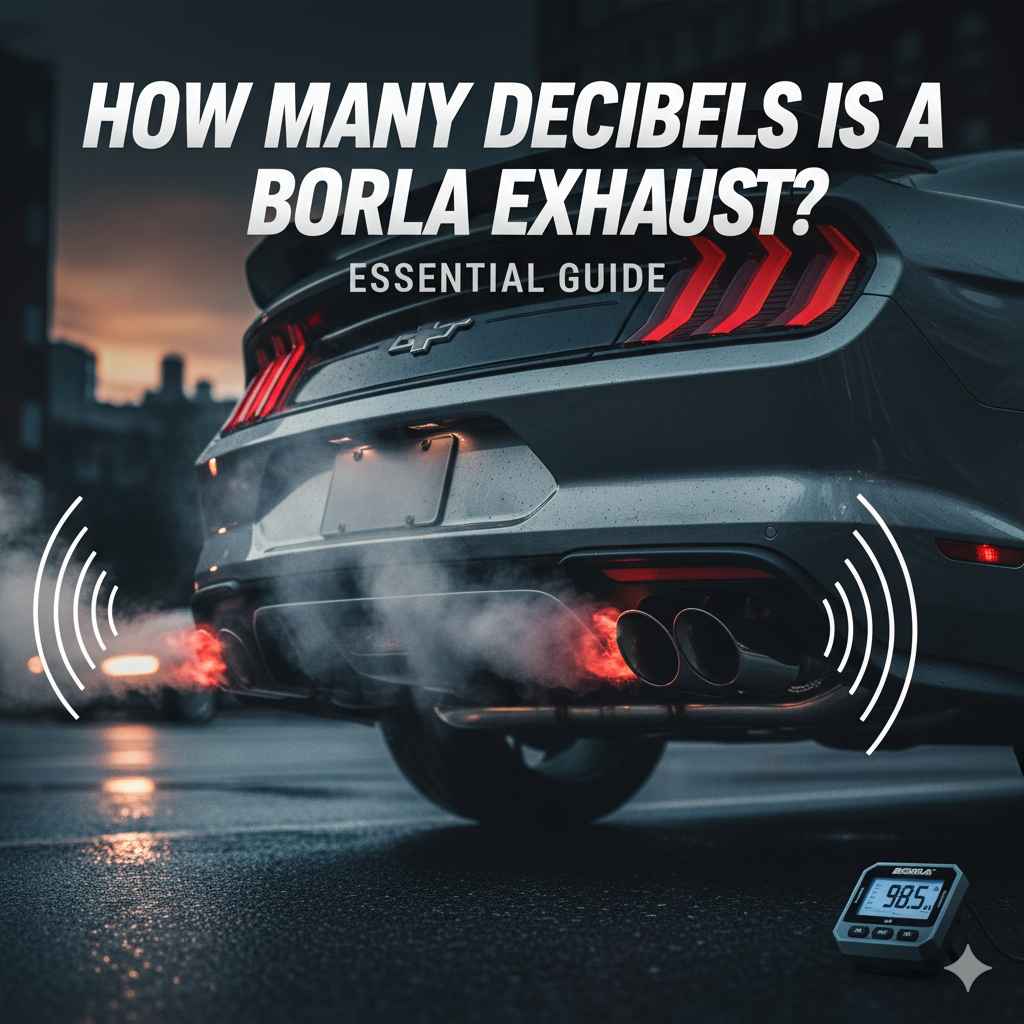
How Many Decibels Is a Borla Exhaust: Essential Guide
Borla exhaust systems typically range from 90 to 105 decibels, depending on the specific model and vehicle. This makes them louder than stock but often tunable for a respectable, aggressive sound without being overwhelmingly obnoxious.
Ever wondered about the roar of a Borla exhaust? You’re not alone! Many car owners love the idea of an upgraded exhaust for that sporty sound. But figuring out just how loud it will be can be confusing. Will it be too much? Will it pass noise regulations? We’re here to clear things up with simple, straightforward answers.
This guide will break down what ‘decibels’ mean for your car’s exhaust and help you understand the sound levels you can expect from Borla systems. We’ll make it easy to pick the right sound for your ride. Let’s dive in and make your exhaust dreams a reality!
Understanding Exhaust Noise: Decibels Explained
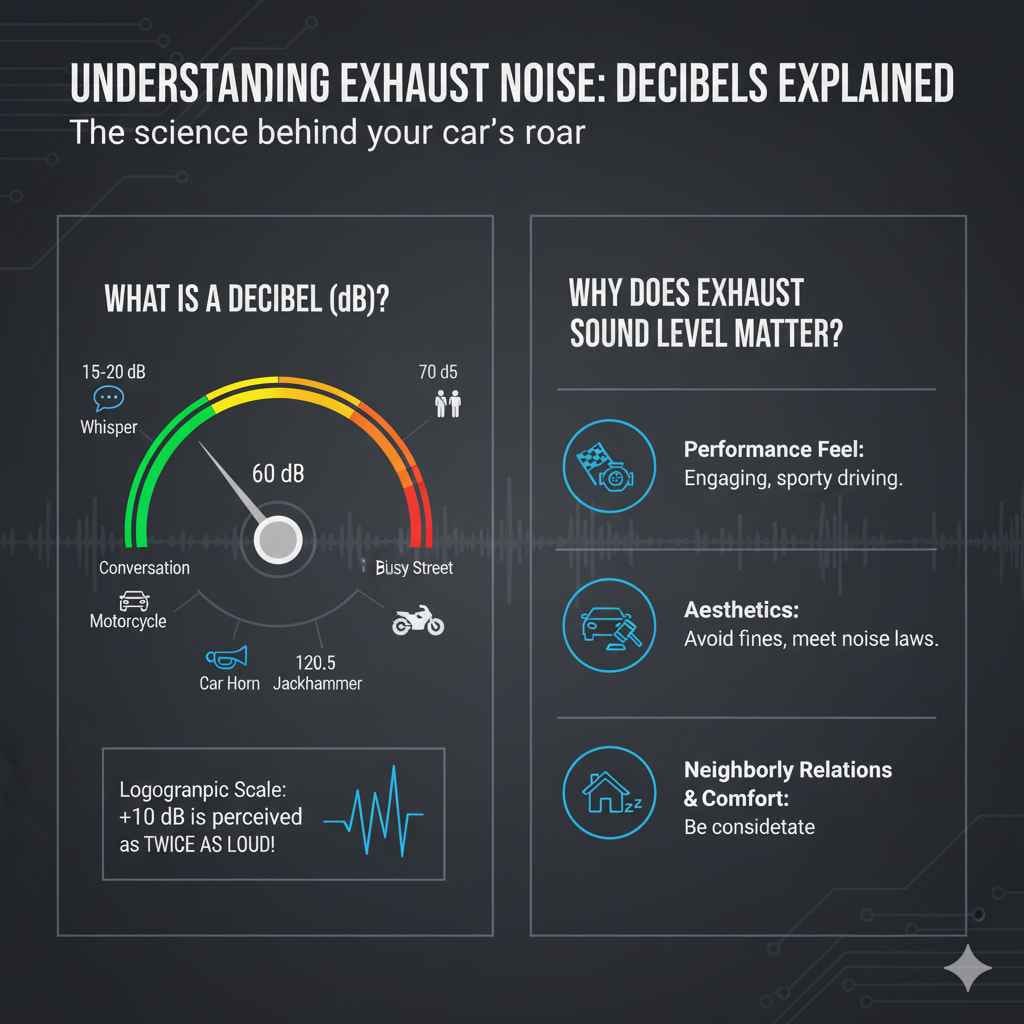
When we talk about how loud an exhaust is, we use a unit called a ‘decibel’ (dB). Think of it like measuring temperature in degrees Celsius or Fahrenheit. The decibel scale tells us how intense a sound is. A higher number means a louder sound.
It’s important to know that the decibel scale isn’t a simple straight line. It’s a logarithmic scale. This means that a small increase in decibels actually represents a much bigger jump in loudness. For example, a 10 dB increase is perceived by the human ear as roughly twice as loud! This is a crucial point when choosing an exhaust system.
What is a Decibel (dB)?
A decibel is the standard unit for measuring sound pressure level. It’s a way to quantify how loud or quiet a sound is. Here’s a quick comparison to give you an idea:
| Sound Example | Approximate Decibel Level (dB) |
|---|---|
| Whisper | 15-20 dB |
| Normal Conversation | 60 dB |
| Busy Street Traffic | 70-85 dB |
| Motorcycle (at 50 ft) | 85-95 dB |
| Lawn Mower | 90 dB |
| Car Horn (at 3 ft) | 110 dB |
| Jackhammer | 120 dB |
As you can see, even sounds we consider common, like busy street traffic, are already quite significant. Anything above the mid-80s starts to get noticeably loud and can become uncomfortable or even harmful with prolonged exposure. This is why understanding decibel levels for aftermarket exhausts is so important.
Why Does Exhaust Sound Level Matter?
Sound level is a big part of why people upgrade their exhaust systems. A stock exhaust is typically designed to be as quiet as possible for comfort and to meet strict noise regulations. An aftermarket exhaust, like a Borla, aims to give your car a more aggressive, sporty, and satisfying sound. But there’s a balance to strike:
- Performance Feel: A more audible exhaust can make driving feel more engaging and powerful.
- Aesthetics: The sound is part of your car’s overall persona.
- Legal Limits: Many areas have laws about how loud vehicles can be, especially in residential areas or at certain times. Exceeding these can lead to fines.
- Comfort: While some like it loud, excessive noise can be tiring on long drives or for passengers.
- Neighborly Relations: Let’s face it, an overly loud exhaust can upset your neighbors.
Choosing the right sound level ensures you get the benefits of an aftermarket exhaust without the downsides.
Borla Exhaust Sound Levels: What to Expect
Borla is renowned for its high-quality exhaust systems that offer a noticeable step up in sound and performance from factory setups. However, Borla doesn’t make just one type of sound. They offer different series and configurations, each designed for a specific sound profile and loudness.
Generally speaking, Borla exhaust systems are categorized by their sound level. They often use terms like ‘Touring,’ ‘S-Type,’ and ‘Aggressive.’ This is Borla’s way of helping you choose the loudness you’re comfortable with.
Borla Sound Levels Explained:
- Touring: This is Borla’s most mild option. It offers a slight increase in volume over the stock exhaust, enhancing the exhaust note with a deeper tone, but remains very much suited for daily driving and long trips. It’s quiet enough not to be intrusive. Decibel levels for Touring systems are typically in the 85-90 dB range.
- S-Type (Sport): This is Borla’s most popular option. It provides a significant increase in volume and a more aggressive tone compared to Touring, delivering a sporty sound under acceleration while still being relatively tame during cruising. This is often considered the sweet spot for many enthusiasts. Decibel levels for S-Type systems usually fall between 90-98 dB.
- Aggressive (ATAK – Acoustic Power, Technology, and): This is Borla’s loudest and most aggressive offering. ATAK systems are designed for maximum volume and a deep, throaty growl. They are for those who want their car to be heard and are less concerned about subtle sound. These systems can reach up to 100-105 dB or even slightly higher, often pushing the limits of what’s considered comfortable for daily driving for some.
It’s important to remember that these are general guidelines. The exact decibel level can vary based on several factors we’ll discuss next.
Factors Influencing Borla Exhaust Decibel Levels
When you’re looking at “how many decibels is a Borla exhaust,” remember that it’s not a single, fixed number. Several things can influence the final sound output. Understanding these factors will help you make a more informed decision.
1. Exhaust System Series (Touring, S-Type, ATAK)
As we’ve already covered, this is the biggest factor. Borla designs each series with a specific sound output in mind, from their quietest Touring to their loudest ATAK.
2. Vehicle Make and Model
The same Borla exhaust system can sound different on different vehicles. A V8 engine will naturally produce a deeper, louder sound than a 4-cylinder engine, even with the same muffler. The engine’s displacement, horsepower, and the factory exhaust manifolds and catalytic converters all play a role in the final sound your car makes.
3. Exhaust Configuration
Borla offers various configurations:
- Cat-Back Systems: These replace everything from the catalytic converter back. They offer a good balance between sound enhancement and regulatory compliance as they don’t alter emissions equipment.
- Axle-Back Systems: These are typically simpler and replace only the muffler and tailpipe section. They can offer a noticeable sound change but are often less dramatic than full cat-back systems.
- Header-Back Systems: These replace everything from the exhaust headers. They offer significant performance and sound gains but are more involved and can impact emissions.
A system that includes less baffling or fewer mufflers will generally be louder.
4. Resonators and Mufflers
Resonators are designed to cancel out specific sound frequencies, often the annoying drones that occur at certain RPMs. Mufflers are responsible for reducing overall sound. Borla’s different series use different internal designs for their mufflers and may include or exclude resonators to achieve their target sound levels.
5. Installation Quality
A proper installation is crucial. Leaks in the exhaust system, especially before the muffler, can cause unintended noise or alter the sound profile. Ensuring all connections are sealed correctly is vital for both performance and sound.
6. Modifications to Other Exhaust Components
If you’ve modified your catalytic converter (e.g., removed it or replaced it with a high-flow version) or changed your exhaust manifold, this will significantly affect the sound of your Borla exhaust. Emissions regulations regarding catalytic converters are strict in many regions; for example, the U.S. Environmental Protection Agency (EPA) notes their role in emissions control and that tampering can lead to penalties.