Maximizing Efficiency: The Power of Exhaust Manifolds for Optimal Gas Flow
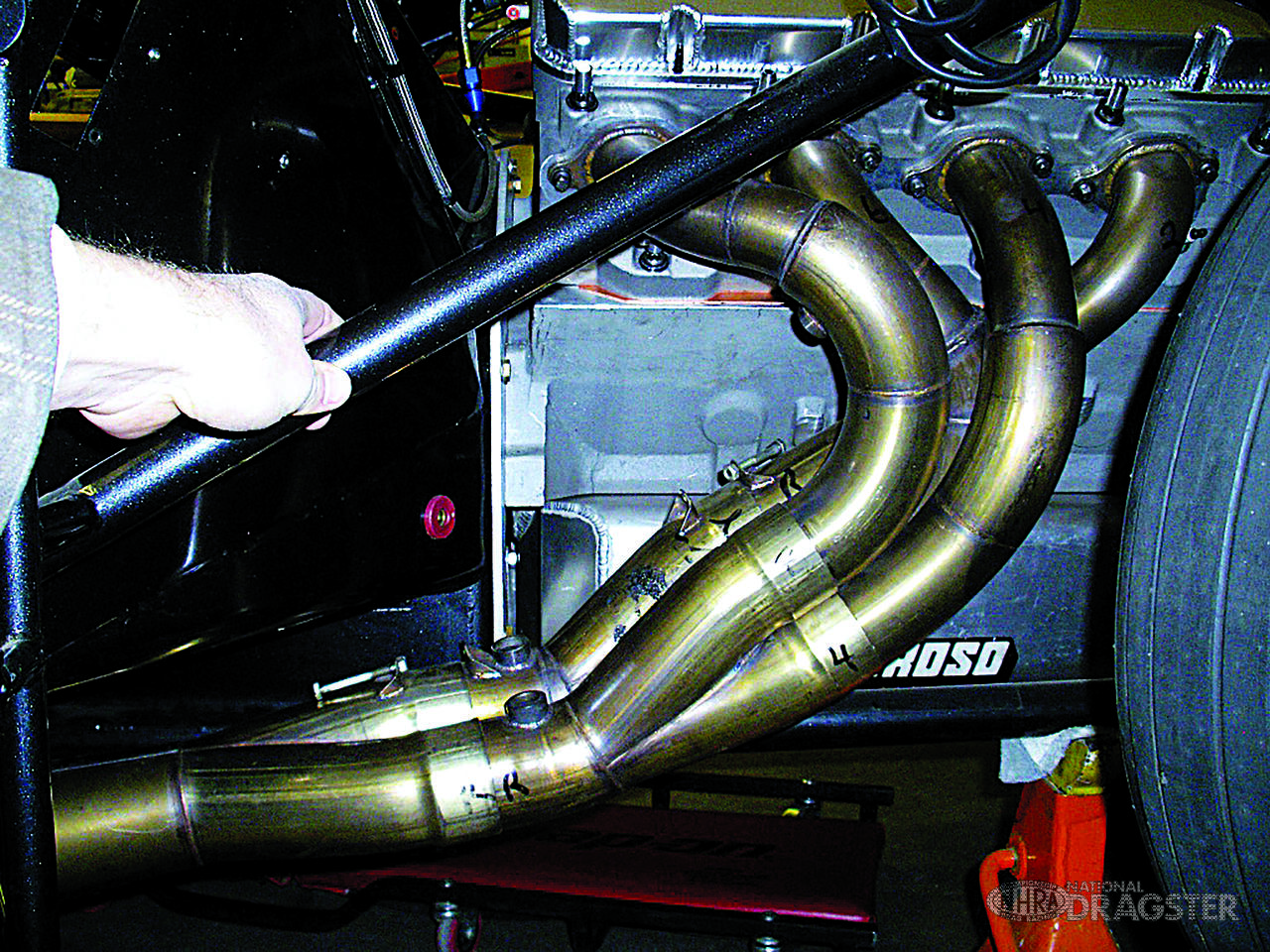
Exhaust manifolds play a vital role in optimizing the flow of exhaust gases for efficient engine performance. By channeling and directing the exhaust gases from the various cylinders into a single pipe, the exhaust manifold ensures that the gases are expelled from the engine quickly and smoothly, reducing back pressure and maximizing power output.

HNRLOY
HNRLOY Solar Exhaust Fan for Chicken Coop…
- 【Hight Efficient Solar Fans For Outside】: These solar power fan set is equipped with a 25W high-efficiency solar panel, which easi…
- 【High Quality Solar Fan For Greenhouse】: The battery panel of the solar attic fan kit is made of high-strength tempered glass surf…
- 【Efficient And Energy-Saving Solar Exhaust Fan】: 25W solar greenhouse panel, maximizing the capture of solar energy, providing eff…
As an Amazon Associate I earn from qualifying purchases.
This improves fuel efficiency, enhances throttle response, and reduces emissions. Additionally, exhaust manifolds can be designed to improve the scavenging effect, where exhaust gases help draw in fresh air and fuel mixture for improved combustion. Overall, exhaust manifolds are essential components in ensuring efficient exhaust gas flow and optimal engine performance.
Credit: www.nhra.com
Enhancing Engine Performance
Exhaust manifolds play a crucial role in enhancing engine performance through efficient exhaust gas flow. By optimizing the design of exhaust manifolds, the overall power of the engine can be improved significantly. The significance lies in maximizing efficiency, which contributes to optimal gas flow.
This, in turn, leads to better combustion and increased engine power. The design of the exhaust manifold affects the flow and pressure of exhaust gases, ensuring that they are effectively expelled from the engine cylinders. By carefully considering factors such as size, shape, and material, exhaust manifolds can be tailored to specific engine requirements.
This customization allows for improved scavenging and reduced backpressure, resulting in enhanced engine performance. Therefore, selecting the right exhaust manifold design is essential for maximizing engine power and efficiency.
Understanding Exhaust Manifold Design
Exhaust manifolds play a crucial role in optimizing the flow of exhaust gases in an engine. The design of the exhaust manifold significantly impacts the overall efficiency of the system. Understanding the differences between primary and secondary exhaust manifolds is essential in achieving optimal performance.
Primary manifolds collect exhaust gases directly from the engine’s cylinders, while secondary manifolds further channel the gases into the exhaust system. Headers, a common component of exhaust manifold configurations, help improve engine efficiency by equalizing exhaust flow and enhancing scavenging effects.
When deciding on an exhaust manifold design, several factors should be considered, including material selection, layout, and the specific requirements of the engine. Choosing the right design ensures that the exhaust system operates at its full potential, enhancing overall engine performance and minimizing emissions.
By optimizing exhaust gas flow, exhaust manifolds contribute to a more efficient engine operation.
Benefits Of Efficient Gas Flow
Exhaust manifolds play a crucial role in ensuring efficient gas flow, offering several benefits. Firstly, they contribute to increased horsepower and torque in an engine. This means that the vehicle can achieve better acceleration and perform at higher speeds. Secondly, efficient gas flow helps to improve fuel economy by optimizing the combustion process, reducing the amount of wasted fuel.
Additionally, exhaust manifolds help in reducing backpressure, which is the resistance that exhaust gases face when exiting the engine. A lower backpressure allows for smoother gas flow, improving overall engine performance. Finally, efficient gas flow also helps in reducing exhaust gas temperature.
This prevents overheating of the engine, ensuring its longevity and reducing the chances of any damage. Exhaust manifolds are essential components that contribute to a more efficient and powerful engine performance.
Optimizing Exhaust Manifold Performance
Exhaust manifolds play a crucial role in optimizing exhaust gas flow efficiency. By using mandrel-bent tubes, the exhaust gas flow can be smoothed, reducing turbulence and increasing performance. Material considerations for exhaust manifolds are also important, as the right material can improve durability and prevent corrosion.
Proper insulation and heat management are additional factors to consider, as they help maintain optimal exhaust gas temperatures. Overall, a well-designed and optimized exhaust manifold system can enhance engine performance, fuel efficiency, and reduce harmful emissions. By following these guidelines, automotive enthusiasts can maximize their vehicle’s potential and enjoy a smoother and more efficient exhaust gas flow.
Selecting The Right Exhaust Manifold For Your Vehicle
The efficiency of exhaust gas flow heavily relies on the role of exhaust manifolds. To ensure optimal performance, it is crucial to select the right exhaust manifold for your vehicle. Matching the exhaust manifold to the engine characteristics, taking into consideration the vehicle make and model specifications, is essential.
By doing so, you can ensure that the exhaust manifold is specifically designed to complement the engine’s performance and maximize the flow of exhaust gases. Additionally, when considering performance upgrades or customization options, choosing the appropriate exhaust manifold becomes even more important.
Upgrading the exhaust manifold can enhance the overall power and efficiency of the vehicle’s engine, while customization options allow for tailoring the exhaust system to specific preferences. So, it is crucial to carefully choose the right exhaust manifold for your vehicle’s individual requirements and desired performance output.