How Much Does a Exhaust System Cost?
A muffler or pipe repair often costs about $150–$500 installed, a full replacement usually runs about $500–$2,500+, and performance modifications can start around $300 but can climb into the $3,000-plus range with labor. Ignoring exhaust damage can raise noise, trigger emissions failures, and turn a small leak into a much larger bill. This guide breaks down repair, replacement, and modification costs so you can estimate the installed price, not just the part price.
What exhaust cost includes


When you price an exhaust job, separate the part from the work that installs it. The quote may include pipe sections, a muffler, clamps, hangers, gaskets, welding, and labor to remove rusty fasteners or broken studs. Full replacement usually means more parts and more labor than a localized repair.
Repair is usually the cheapest bucket. Replacement sits in the middle when one section has failed or rust has spread. Modification is the least predictable because custom bends, cutting, and welding add time fast.
Parts versus labor
Parts pricing can look low online, but the installed total is what matters. Use $80 per hour as a shop-rate baseline for labor math, then adjust for your area, because metro shops often charge more and some rural shops charge less. The same part can land very differently once access and corrosion are added.
Repair, replacement, and modification costs
Repair usually means sealing a leak, swapping a gasket, replacing a short pipe section, or fixing a flange. Replacement means swapping a larger assembly such as a muffler, catalytic-adjacent pipe, or manifold section. Modification means custom work that changes the original layout, often for fitment or sound, and it usually needs more fabrication time.
How much does a car exhaust cost?
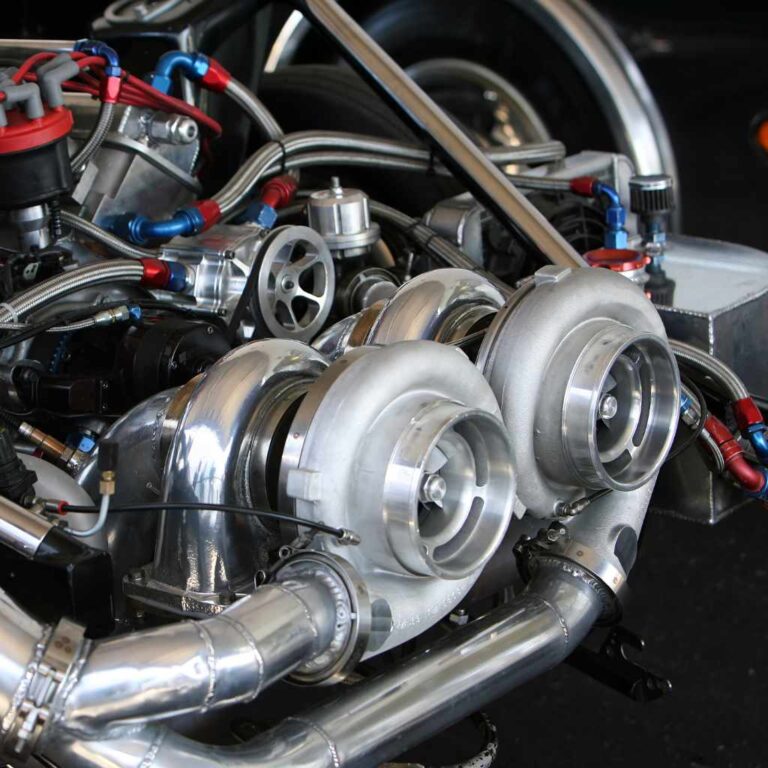
A typical exhaust job can land anywhere from a few hundred dollars for a simple repair to several thousand dollars for a full system replacement or custom fabrication. Rust, layout, part availability, and labor time all move the final quote. Turbocharged cars and tight engine bays often cost more because access is harder.
Why the same repair can vary by vehicle
A compact front-wheel-drive car, a body-on-frame truck, and a turbocharged sedan do not take the same amount of time. One may need only a clamp and a gasket. Another may need broken studs drilled out, a manifold resurfaced, or several rusted sections cut free.
Exhaust cost breakdown table
| Service type | Parts/labor components | Realistic total range |
|---|---|---|
| Muffler replacement | Muffler, clamps or hangers, labor, possible welding, possible gasket at the joint | $150–$700 installed |
| Muffler delete | Cutting and removal, pipe section or straight pipe, welding or fabrication, possible hangers, compliance check | $100–$500+ installed |
| Exhaust manifold repair | Manifold repair or machining, gasket, bolts or studs, hardware, labor for removal and reinstallation | $150–$1,000 installed |
| Custom exhaust fabrication | Bent tubing, welding, hangers, clamps, fitment time, vehicle-specific layout work | $300–$3,000+ installed |
The table is a budgeting tool, not a quote. The same muffler replacement can stay near the low end if the bolts come loose and the pipe is reusable. It can jump quickly if the flange is rusty, the hanger brackets are damaged, or the shop has to fabricate a section from scratch.
Common add-ons that change the bill
- Gaskets for sealing joints and flanges
- Bolts, nuts, studs, and springs
- Weld repairs for cracked joints or custom fitment
- Pipe sections when corrosion removes usable metal
- Hangers and rubber insulators
What drives labor higher?
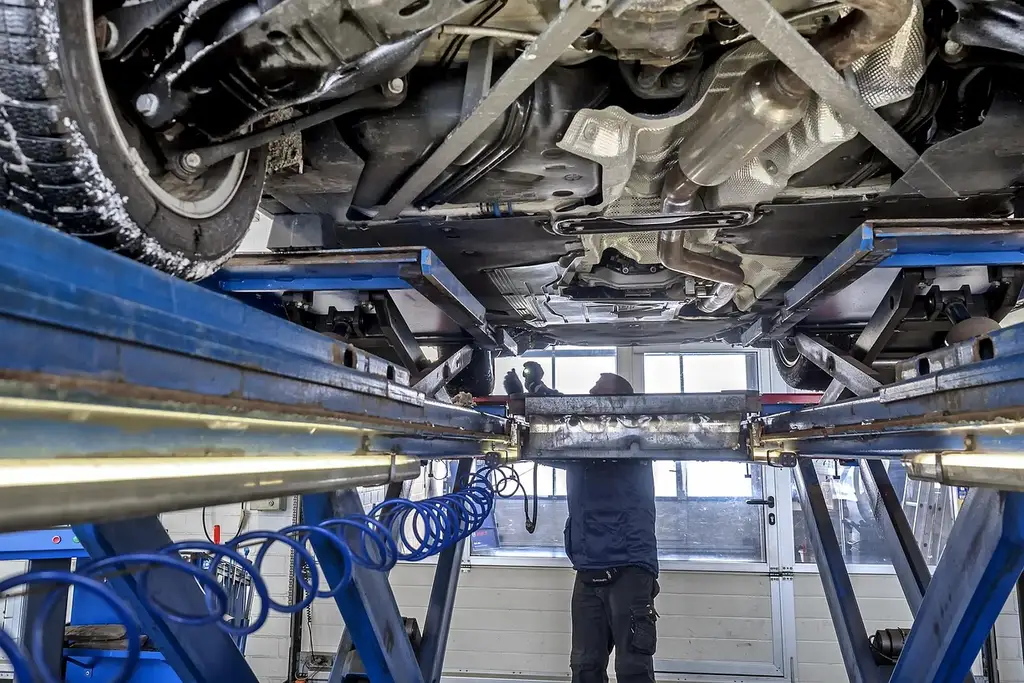
Labor is often the swing factor in exhaust pricing. A straightforward job may fit within a single hour or two, while rusted hardware, cramped access, and custom welding can turn a short repair into a longer one. That is why quotes from two shops can differ even when they name the same part.
Shop hourly rates by region
The guide uses an average shop rate of $80 per hour, but local rates vary. Urban performance shops often charge more because overhead is higher and fabrication work is more common. Smaller shops may charge less, but the job can still rise if the work is slow or the vehicle is difficult to access.
Rust, seized bolts, and broken studs
Rust is one of the biggest cost multipliers. Seized bolts can force extra labor, and broken studs can require drilling, extraction, or replacement hardware. Once fasteners fail, a job that should have been a bolt-on repair may become a cut-and-weld job.
Vehicle layout and access difficulty
Engine layout matters. A V6 or V8 may place the manifold deeper in the bay than an inline engine. Turbocharged vehicles often create tighter access around the manifold and flange area, so removal takes longer. Trucks and SUVs can be easier underneath, but rust on older frames can erase that advantage.
Say your 10-year-old sedan has a small leak at the flange. If the bolts back out cleanly, the bill may stay near gasket and labor cost. If the studs snap, the same job can shift into drilling and hardware replacement before the leak is gone.
How much does exhaust repair cost?
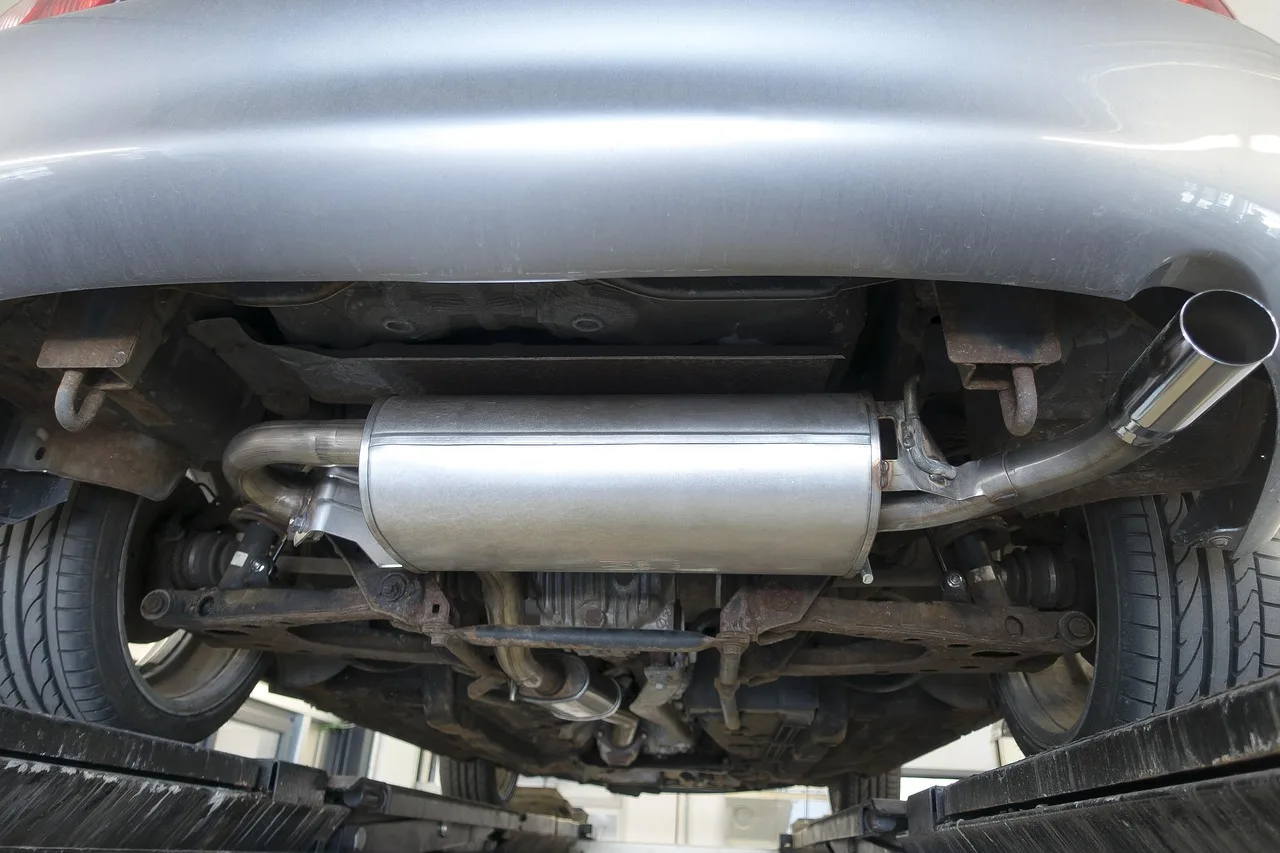
Exhaust repair often costs about $150–$500 installed for small leaks, damaged gaskets, or short pipe fixes. Exhaust manifold repairs can range from about $150 to $1,000, and most exhaust manifold repairs are closer to $150 to $400. Once cracks spread or access gets ugly, replacement may make more sense than repair.
Small leaks and gasket swaps
Minor leaks often need a gasket, a clamp, or a short weld. Gaskets and hardware are small line items, but they matter because a poor seal can leave the noise problem unsolved. If the flange faces are warped or rusty, the seal may fail again unless the mating surfaces are corrected.
Manifold cracks and warped flanges
Manifold repairs are where the bill can rise fastest. The failure mode may be a crack, warped flange, or broken bolt pattern. A Ford Focus manifold machining example totaled $497. A Silverado manifold replacement example totaled $264. A Ram diesel manifold repair example totaled $611. A BMW turbo flange repair example totaled $765.
Labor matters here. The Ford Focus manifold removal example used 4.9 hours. At the guide’s $80 per hour shop rate, that labor alone would be $392 before parts and hardware. That is why a manifold quote can move quickly when the bolts are rusted or the turbo side is packed tight.
When repair stops making sense
Repair is the better call when the damage is local and the surrounding pipe is still solid. Replacement wins when rust has spread, the flange no longer seals, or the cost of labor and hardware approaches the cost of a new section. In those cases, paying twice for a failing joint rarely helps.
How much does a new exhaust cost?
A new exhaust usually costs about $500–$2,500+ installed, depending on whether one section or the full system is being replaced. OEM parts often cost more than a simple aftermarket section, while rusted hangers, broken studs, and difficult access can push labor higher. A partial replacement can be enough if the rest of the system is sound.
Full-system replacement
Full replacement covers more than a muffler. It can include pipes, resonators, hangers, clamps, and sometimes manifolds or front pipes depending on what is damaged. Once multiple sections are rotten or leaking, a full installed total can be cheaper than stacking several short repairs over time.
OEM versus aftermarket fitment
OEM parts usually fit more predictably, which can reduce installation friction. Aftermarket parts may be cheaper, but fitment can vary and may need extra trimming, welding, or adjustment. If the shop must modify a part to line up with the factory hangers, labor rises.
When a section replacement is enough
Replace only the failed section when the rest of the system is solid and the joints are serviceable. That approach works well for a muffler, a single pipe section, or one flange area. It becomes less attractive when the surrounding pipe is thin or the hardware is already failing.
How much does a custom exhaust cost?
Custom exhaust work often starts around $300 and can climb into the $3,000-plus range once welding, pipe bending, hangers, and vehicle-specific fitment are added. It costs more than a bolt-on replacement because the shop is building to fit, not swapping a known part. Legal limits on noise and emissions can also add rework cost.
Pipe bending and welding
Custom fabrication usually includes measuring, cutting, bending, and welding pipe sections so they clear the chassis and suspension. Each extra bend and weld adds labor. A clean, simple system costs less than a complicated route around a turbo, transfer case, or oversized differential.
Vehicle-specific fabrication
Some cars need custom work because off-the-shelf parts do not fit well or do not exist. Performance builds and modified trucks often need tailored routing for tip placement, ground clearance, or clearance around aftermarket suspension. That is why custom quotes can vary more than repair quotes.
Performance and fitment tradeoffs
A common first-timer mistake is assuming a straight pipe is the cheapest route. The delete itself may be simple, but the final bill still depends on welding, pipe material, and how much fabrication is needed to keep it aligned. Noise and inspection issues can erase the savings if the setup has to be changed later.
Suppose a turbo sedan needs a rear section cut and re-routed to clear an aftermarket rear diffuser. The pipe material is not the main cost. The labor to measure, cut, weld, and rehang the system is what raises the total.
Inspection, noise, and emissions rules
Modified exhausts can fail inspection if they are too loud, leak, or interfere with emissions equipment. Noise regulations can cause fines, and altering the muffler can affect emissions control. If a system must be changed again to pass inspection, the real installed cost becomes higher than the first quote.
What can fail inspection?
Common problems include excessive noise, visible leaks, missing emissions components, and unsafe hanging pipes. A muffler delete may be legal in one place and a problem in another. Local rules matter because the same exhaust setup can pass in one county and fail in the next.
How legal compliance affects cost
Compliance can add parts, labor, and rework. If the shop has to reinstall a muffler, add a resonator, or correct an emissions-related issue, the project may need another round of labor. That is one reason budget quotes for modified exhausts can be misleading.
Potential fines and rework
The cheapest quote is not always the cheapest outcome. If a modified exhaust brings a fine or fails inspection, the owner may pay twice: once for the initial work and again to fix it. For that reason, the legal limit should be part of the budget from the start.
Frequently asked questions
How much does exhaust installation cost?
Installation can be a small portion of the bill on a simple bolt-on part, or most of the bill on a rusty or custom job. Using $80 per hour as a baseline, a one- to two-hour job stays modest, while seized bolts and welding can turn it into a much larger labor charge.
How much is an exhaust system replacement?
An exhaust system replacement commonly falls in the $500–$2,500+ installed range, with higher totals for larger vehicles, rust damage, or OEM parts. If only one section is bad, replacing the whole system may not be necessary. If multiple parts are failing, full replacement can be the cleaner choice.
How much does an exhaust repair cost?
Exhaust repair often runs $150–$500 installed for small leaks and basic fixes. The job gets more expensive if studs break, flanges warp, or rust spreads into nearby sections.