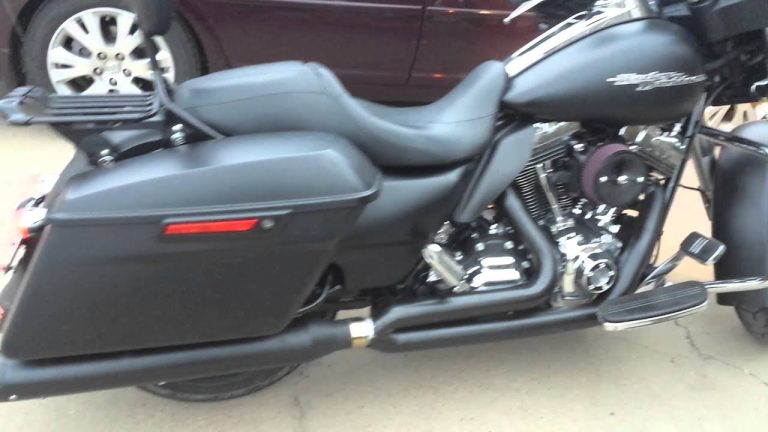
Is a Catless Exhaust Worth It for Track Use?
Catless exhaust is generally worth considering for track use only if class rules allow it, the tune can handle the flow change, and the goal is the last few horsepower at high rpm; otherwise, a high-flow catted system is often the better trade. Ignore that, and you risk failed inspections, excessive noise, strong exhaust odor, and a setup that looks faster on paper than it is on the stopwatch. This guide compares lap-time gain, tuning needs, smell, noise, and compliance so you can choose the right hardware for track duty.
This guide is part of our Exhaust system performance guide series.
What a catless exhaust

A catless exhaust removes the catalytic converter core, usually in the downpipe on a turbocharged car. That makes it the highest-flow option, but it also raises emissions-compliance risk, smell, and CEL risk compared with a catted setup.
Catless downpipe vs catted downpipe
The downpipe is the turbocharger exhaust outlet section. Stock versions usually contain a catalytic converter, while aftermarket versions may be catted or catless. A catless downpipe removes the catalytic converter completely, which gives the exhaust stream the least restriction.
A catted downpipe keeps a converter in place. High-flow cats are commonly described as 200 or 300 CPSI designs, and that is why many mild-to-moderate turbo cars get most of the flow benefit without giving up every bit of odor control or inspection margin.
How the catalytic converter changes flow
The converter adds exhaust restriction. Removing it reduces backpressure, which can improve exhaust flow and help the turbo breathe more freely at higher engine speed. Lower restriction can also reduce exhaust gas temperature, which may help engine protection during long, hard sessions.
That is the hardware reason catless setups exist. On one side, you get less restriction. On the other, you get more emissions exposure and more smell.
Why turbo cars are the main use case
Catless hardware matters most on turbo cars because the downpipe sits right after the turbine. That location makes it one of the few parts that can meaningfully change turbo response, spool behavior, and high-rpm flow. On naturally aspirated cars, the same kind of gain is usually far smaller or nonexistent.
Does catless help on track?
Sometimes, yes. Catless helps most when the car is turbocharged, is run at high load for long periods, and is already close to the limit of the stock downpipe. On a mildly modified car, though, the difference can shrink enough that a good catted downpipe feels close enough on track.
Where lower backpressure matters most
Lower backpressure matters when the turbo is working hard and the engine spends time near redline. In that zone, a freer-flowing downpipe can help the turbo expel exhaust faster, which may improve top-end pull and reduce heat buildup. That is where catless can earn its keep.
When turbo response improves enough to notice
The response change is easiest to feel on a car that already has supporting mods and a tune. A larger turbo, higher boost target, or repeated hot laps can make the extra flow more relevant. On a near-stock turbo car, the difference may be there, but hard to separate from tire grip, ambient temperature, and driver input.
Why gains shrink on mildly modified cars
A high-flow catted downpipe can be close enough to catless on a mild build. If the rest of the exhaust is already free-flowing, the turbo is small, and the tune is conservative, the last bit of flow from deleting the catalyst may not turn into a lap-time change you can feel.
Picture a 2.0-liter turbo car on 200 CPSI hardware with an otherwise mild setup. The car may pick up response and sound, but the stopwatch may show more from tire choice, brake consistency, or heat management than from the final few percent of exhaust flow.
How much power does a catless downpipe add on a turbo car?
Expect the gain to depend on turbo size, tune status, and what the car already has bolted on. The article frame here is simple: catless is typically 5–10 HP higher than a catted downpipe, but that number only tells part of the story because track relevance depends on where the engine spends time in the rev range.
Why power gains depend on tune status
An ECU tune is software calibration matched to the hardware change. Without it, the engine may not use the added flow cleanly, and the car can show unstable power delivery or fault codes. With it, the calibration can better match fueling, boost control, and safety limits to the freer-flowing exhaust.
How existing intake and exhaust mods change the result
If the car already has a downpipe, intake, and a less restrictive catback, the remaining gain from going catless can be smaller than the headline number suggests. If the stock exhaust was the main bottleneck, the gain can be more noticeable. Either way, the bigger the turbo and the harder the use, the more catless has room to matter.
Why lap time is a better test than peak horsepower
Peak horsepower does not always mean faster laps. Track pace also depends on torque delivery, heat soak, noise-limit compliance, and whether the driver can run uninterrupted sessions. A setup that makes 5–10 HP more but triggers extra pit checks or a red flag for noise can lose the day.
Catless exhaust decision matrix
This table turns the choice into a track-use decision, not a street-mod debate. The best answer depends on platform, tune, and rules. If you drive to the circuit on public roads, inspection reversibility matters almost as much as peak flow.
| Platform type | Tune status | Emissions rules | Noise-limit risk | Expected performance upside | Smell/CEL risk | Best choice |
|---|---|---|---|---|---|---|
| Turbo street car, mild bolt-ons | Stock or light tune | Strict road inspection, EPA or Euro 6 exposure | Medium to high | Small to moderate | High smell, high CEL risk | High-flow catted downpipe |
| Turbo street car, track weekends | Proper ECU tune | Mixed-use compliance needed | Medium | Moderate | Moderate to high smell, CEL risk remains | Catted downpipe unless class rules favor catless |
| Dedicated track car | Track calibration matched to hardware | No road use, competition rules only | Low to medium | Highest ceiling | Very high smell, very high CEL risk | Catless downpipe |
| Turbo car with frequent inspection swaps | Tuned for both configurations | Inspection-day reversibility required | Medium | Moderate | High if left catless | High-flow catted, or quick-swap plan |
Quick scenario ranking
| Scenario | Recommendation | Why |
|---|---|---|
| Dedicated track car | Catless | Maximum flow ceiling matters most when road compliance does not. |
| Turbo street car with weekend track use | High-flow catted | Close enough in pace for many mild builds, with less odor and fewer inspection problems. |
| Dual-purpose car with strict inspections | High-flow catted | The compliance and swap burden usually outweigh the extra few horsepower. |
Do you need a tune for a catless exhaust?
Yes, a tune is usually recommended after a catless install. The freer exhaust flow changes how the engine breathes, and a matched ECU tune helps prevent unstable power delivery and reduces fault-code risk. Without that calibration, the car may run acceptably in some cases, but it is less likely to be consistent.
What an ECU tune does after a hardware change
The ECU tune can adjust fueling, boost targets, throttle behavior, and fault thresholds to suit the new exhaust flow. That matters on turbo cars because the engine may see different turbine speed, different load calculations, and different rear O2 readings after the downpipe change.
Rear O2 sensor behavior and CEL risk
The rear O2 sensor monitors exhaust conditions after the catalyst. With catless hardware, that sensor is more likely to see abnormal readings because the catalyst is gone. That is why a check engine light risk is higher after a catless downpipe installation.
A common first-timer mistake is to assume a catless exhaust will work well for track days without considering the added noise limits, heat, and tuning changes it can trigger. Suppose a turbo car gets a catless downpipe but keeps the stock calibration. The car may run, then log a fault after a few drive cycles because the rear O2 sensor sees conditions the ECU does not expect.
What happens if the calibration is not matched
At best, the car leaves power on the table. At worst, the engine can feel inconsistent, the CEL can stay on, and the track day can start with an avoidable tech or noise issue if the setup also makes the car louder than allowed.
Track-day tradeoffs to weigh
Catless can be the right hardware for a purpose-built track car, but the practical penalties are real. Smell, cabin exposure, noise, and inspection reversibility all matter if the car leaves the track under its own power or spends time in a crowded paddock.
Smell, cabin exposure, and paddock comfort
Catless creates a noticeable gasoline smell because the converter is gone. That odor is strongest at idle, in the paddock, and after a hot session when the exhaust is soaking heat. It can also drift into the cabin at low speed or when windows are open in the pits.
Noise limits, drone, and session disruptions
Catless exhaust can make the exhaust louder and more aggressive. That may help a time-attack build stay in the power band acoustically, but it also raises the chance of failing noise limits. Long sessions can become tiring if drone builds at steady throttle, especially on cars with thin sound insulation.
Inspection day reversibility and street compliance
Emissions compliance varies by region, and catless setups may fail road or annual inspection under EPA-style rules or Euro 6-based testing regimes. If the car needs to pass inspection, plan for reversibility or keep a catted setup that can stay on the car year-round.
Say your turbo hatch runs a catless downpipe for track days, then needs to pass inspection the next week. If the setup is hard to reverse, the convenience cost can erase the extra lap-time benefit. A high-flow catted downpipe often avoids that problem while staying close in performance on a mild build.
Installation quality still matters
Even a good part can perform badly if the install is sloppy. Exhaust leaks, poor O2 sensor placement, and loose hardware can create false CELs, uneven running, and extra noise. If the downpipe leaks near the turbine outlet, the real-world result can be worse than the catalog spec suggests.
What are the downsides of going catless?
The downsides are stronger smell, more noise, higher CEL risk, and much worse compliance exposure. On track, that can also mean more attention from noise monitors, more cabin odor during long sessions, and less flexibility if the car must drive on public roads before or after the event.
When a high-flow catted setup is close enough
If the car is mildly modified, still has a small turbo, or only sees weekend lapping, a 200 or 300 CPSI catted downpipe is often the smarter choice. It keeps more of the flow benefit than a stock converter, but it usually avoids the harshest smell and inspection penalties.
When catless is the better trade
Catless makes the most sense when the car is track-only, the class allows it, and the driver wants the highest flow ceiling available. It is also the more rational choice when the build already includes enough supporting hardware that the catalyst is clearly the bottleneck.
Frequently asked questions
What is a catless exhaust?
A catless exhaust is a setup that removes the catalytic converter core, usually through a catless downpipe on a turbocharged vehicle. It flows more freely, reduces backpressure, and usually needs tuning attention because the rear O2 sensor may see abnormal readings after the hardware change.
Catback exhaust vs catless
A catback changes the rear section of the exhaust, so it mainly affects sound and a smaller amount of flow. Catless changes the downpipe and removes the catalyst, so it has a much larger effect on backpressure, turbo response, smell, and CEL risk. They are not the same modification.
Is a catless exhaust worth it for track use?
It is worth it when you have a turbo car, a proper tune, and track-only or competition use where maximum flow matters more than compliance. For many dual-purpose cars, a high-flow catted downpipe is fast enough and far easier to live with on the way to and from the circuit.
Can a catless exhaust trigger a check engine light?
Yes. The rear O2 sensor monitors exhaust conditions after the catalyst, and a catless setup is more likely to create abnormal readings. That raises CEL risk, and the comparison here treats catless as very high risk for a check engine light, especially if the calibration is not matched.
Is catless exhaust legal for street use?
Often no. Catless setups can fail road or annual inspection, and emissions compliance varies by region under EPA or Euro 6-style rules. If the car is driven on public roads, the legal and inspection risk can outweigh the performance gain, especially for a dual-purpose build.