Do Side Exhaust Tips Need to Be Staggered: Essential Guide
Do Side Exhaust Tips Need to Be Staggered? The Quick Answer: No, they don’t need to be staggered in terms of function, but staggering can offer aesthetic advantages and is often a chosen design. The decision mostly comes down to looks and personal preference, not a strict mechanical requirement.
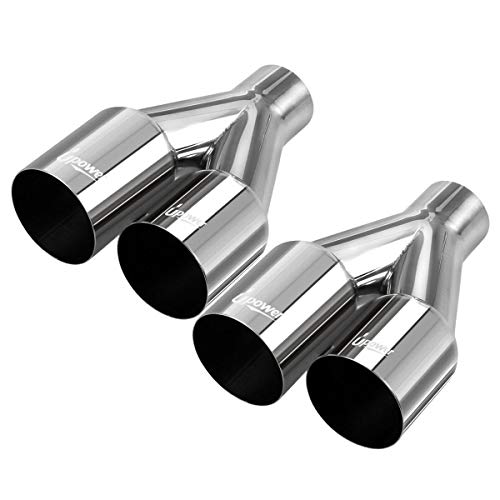
Upower
Upower Pair of Dual Exhaust Tips Staggered…
- 【Dimension】2.5 inch Inlet; 3.5 inch Outlet ; 10.25 inch Overall Length Dual Exhaust Tips.
- 【Package includes】Pack of 2 Dual exhaust tips; Professional installation is highly recommended; No instruction included
- 【Design】Weld On installation and Single Layer-Staggered-Straight Cut design muffler tip
As an Amazon Associate I earn from qualifying purchases.
Ever looked at a car with dual side exhaust tips and wondered if they have to be perfectly aligned or if one can be a little further back than the other? You’re not alone! It’s a common detail that many car owners ponder when thinking about exhaust upgrades or just admiring a cool-looking ride
. The good news is, figuring this out is much simpler than you might think. We’re here to break down exactly what staggered side exhaust tips are, why some setups have them, and what it all means for your car’s look and performance. Get ready, because by the end of this guide, you’ll be an expert on this often-debated exhaust detail!
Understanding Side Exhaust Tips and Staggering
Let’s start with the basics. Side exhaust tips are essentially the visible end pieces of your car’s exhaust system that exit out the sides of the vehicle, usually just behind the front wheels or in front of the rear wheels. Dual side exhaust means you have two of these tips. Now, what about “staggered”? This term simply means that the two tips are not perfectly positioned at the same length or height relative to each other. Think of one tip being slightly longer or positioned a bit further back. This is purely a styling choice.
Many factory-designed dual side exhaust systems feature tips that are perfectly symmetrical. However, custom setups or even some aftermarket systems might intentionally stagger them. This can be to follow the body lines of the car, to better fill the available space, or simply to create a unique visual effect. There’s no hidden performance benefit or drawback to staggering; it’s all about how you want your car to look.
Why Some Cars Have Staggered Side Exhaust Tips
- Aesthetic Appeal: The primary reason for staggering is visuals. It can create a more dynamic or aggressive look, especially on certain car models.
- Body Line Flow: Sometimes, staggering the tips helps them align better with the sculpted lines or curves of the car’s body.
- Installation Flexibility: When fitting aftermarket systems, designers might stagger tips to make them easier to install or to accommodate different vehicle chassis variations.
- Unique Design: For custom builds or enthusiasts seeking a distinct style, staggering offers another way to personalize their vehicle.
So, if you’re thinking about adding or changing your side exhaust tips, the decision to stagger is entirely up to your personal taste and the overall design you’re aiming for. It doesn’t affect how your engine breathes or how your car performs.

Do Side Exhaust Tips Need to Be Staggered for Performance?
This is a big one, and the answer is a resounding no. The arrangement of your exhaust tips, whether they’re side-mounted, rear-mounted, staggered, or perfectly aligned, has virtually no impact on your car’s actual performance. The critical parts for performance are the exhaust pipes themselves, the muffler, and any catalytic converters, as these affect how efficiently exhaust gases can exit your engine.
Exhaust gases travel from the engine, through the exhaust system, and out. Their exit point is the very last step. As long as the tips are of adequate size to allow gases to escape freely and aren’t so restrictive that they create backpressure, their precise positioning relative to each other makes no difference to horsepower, torque, or fuel economy. The engine doesn’t “care” if one tip is a centimeter longer than the other.
Performance Focus: What Actually Matters
If you’re looking to improve your car’s performance through exhaust modifications, here’s what you should focus on instead of tip staggering:
- Exhaust Pipe Diameter: Ensuring the pipes are the right size for your engine can reduce restriction.
- Muffler Design: A less restrictive muffler can improve exhaust flow.
- Catalytic Converter: High-flow catalytic converters can help, though they must meet emissions standards.
- Exhaust Manifold/Headers: Upgraded headers can improve how efficiently the engine expels gases.
For a deeper dive into how exhaust systems impact performance, resources like Engineering Toolbox offer technical insights into exhaust backpressure and flow dynamics, which are the real performance drivers.
The Aesthetic Choice: Staggered vs. Symmetrical Side Exhaust
Since performance isn’t a factor, the decision to stagger side exhaust tips boils down entirely to looks. This is where personal preference truly shines.
Staggered Side Exhaust Tips: The Look
Staggered tips can offer a few distinct visual benefits:
- Dynamic Appearance: They can make the rear or side profile of the car look more active and less static.
- Filling Space: On vehicles with deeply sculpted body panels or large wheel wells, staggered tips can fill the space more intentionally.
- Customization: It’s a subtle way to make your car stand out from those with perfectly matched exhausts.
Symmetrical Side Exhaust Tips: The Look
Symmetrical tips are often chosen for their clean, balanced, and sometimes understated appearance:
- Clean and Tidy: Offers a very orderly and balanced look, often preferred for a factory-fresh or subtly modified aesthetic.
- Classic Appeal: Many classic muscle cars and sports cars feature perfectly aligned dual exhausts, giving it a timeless look.
- Simplicity: If you prefer a no-fuss, straightforward look, symmetrical is the way to go.
Ultimately, the best look is subjective. What looks amazing on one car might not suit another. Consider the overall design of your vehicle and what kind of statement you want to make. Sometimes, mock-fitting tips or looking at examples on similar vehicles online can help you decide which style appeals most to you.
Factors to Consider When Installing Side Exhaust Tips
Whether you choose staggered or symmetrical, there are a few key things to keep in mind for a successful and safe installation. These tips apply whether you’re doing it yourself or having a shop handle it.
1. Fitment and Clearance
- Body Panels: Ensure the tips won’t touch or melt any bodywork, especially plastic bumpers, during operation. The heat from exhaust gases can be significant.
- Suspension Components: Make sure the tips have enough clearance from moving parts like the suspension and drive axles, especially when the suspension is compressed.
- Ground Clearance: Avoid placing tips too low, which could lead to damage from speed bumps or uneven terrain.
2. Mounting and Support
Exhaust tips are typically clamped or welded onto the end of the exhaust pipes. They need to be securely attached to prevent them from vibrating, falling off, or causing stress on the exhaust system. Proper welding requires skill and specific equipment. Clamps are an easier DIY option but must be tightened correctly and regularly checked.
3. Material and Durability
- Stainless Steel: This is a popular choice for exhaust tips because it’s corrosion-resistant and durable, maintaining its shine.
- Chrome-Plated Steel: Offers a shiny, appealing look but can be prone to rust or peeling if the chrome layer is damaged.
- Titanium: Lighter and very strong, often used for high-performance applications, and can develop a distinctive blue or gold heat tint.
Choosing a quality material will ensure your tips look good and last for years. Reputable automotive parts suppliers often provide specifications on the materials used.
4. Exhaust Pipe Condition
Before attaching new tips, inspect the ends of your existing exhaust pipes. If they are heavily rusted, damaged, or significantly corroded, they may need to be repaired or even replaced before new tips can be properly fitted. A stable connection ensures the tips remain in place.
5. Legal and Emissions Considerations
While tip arrangement doesn’t affect emissions, ensure any modifications you make (like removing resonators or changing mufflers) comply with local laws. Modifications can sometimes affect emissions control systems, so it’s wise to check with local regulations or a professional. Resources like your local Department of Motor Vehicles (DMV) or equivalent transportation authority can often provide guidance on vehicle modification laws.
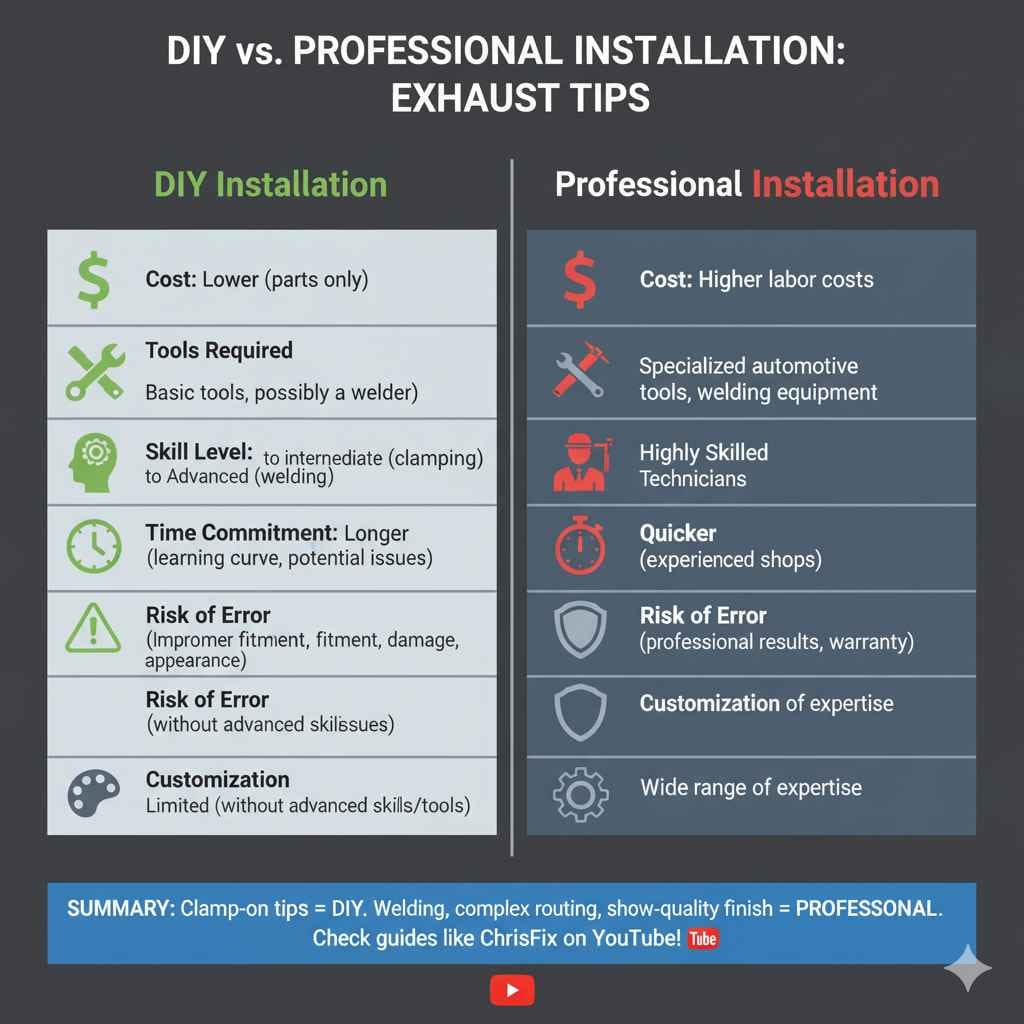
DIY vs. Professional Installation
Deciding whether to install exhaust tips yourself or have a professional do it is a common dilemma. Here’s a quick breakdown:
| Factor | DIY Installation | Professional Installation |
|---|---|---|
| Cost | Lower (parts only, minimal tool costs) | Higher (labor costs) |
| Tools Required | Basic tools (wrenches, sockets), possibly a welder (if welding) | Specialized automotive tools, welding equipment |
| Skill Level | Beginner to Intermediate (clamping) to Advanced (welding) | Highly Skilled Technicians |
| Time Commitment | Can be longer due to learning curve and potential issues | Often quicker, especially for experienced shops |
| Risk of Error | Higher (improper fitment, damage, poor appearance) | Lower (professional results, warranty often provided) |
| Customization Options | Limited unless you have advanced skills and tools | Wide range of expertise for custom solutions |
For simple clamp-on tips, DIY is often achievable with basic tools. If you’re looking to weld tips, have complex exhaust routing, or want a show-quality finish, professional installation is generally recommended. YouTube channels like ChrisFix offer excellent DIY automotive repair guides, which can help you assess if a particular job is within your skill set.
Common Questions About Side Exhaust Tips
Here are answers to some frequently asked questions about side exhaust tips and staggering:
What are staggered side exhaust tips?
Staggered side exhaust tips are two exhaust tips on the same side of a vehicle that are positioned at different lengths or heights. This is purely an aesthetic choice, not a functional requirement.
Can I stagger MY side exhaust tips?
Yes, you absolutely can! If you like the look of staggered tips, you can choose aftermarket tips that are designed to be installed that way, or work with an exhaust shop to customize the piping length for a staggered appearance.
Does staggering side exhaust tips affect sound?
No, the arrangement of the tips, whether staggered or symmetrical, does not affect the sound of your exhaust. Sound is determined by the internal design of the muffler, resonators, and pipe diameters.
Are staggered side exhausts legal?
Generally, yes. The legality of exhaust systems usually pertains to noise levels, emissions, and ensuring the tips are safely positioned and not dangling or excessively sharp. The staggering itself is typically not an issue.
What is the ideal placement for side exhaust tips?
The “ideal” placement is subjective and visual. They should be positioned to look good, follow the car’s body lines, and have adequate clearance from the ground, body panels, and moving suspension parts. There’s no single rule beyond safety and aesthetics.
Do I need special tools to install side exhaust tips?
For clamp-on tips, basic hand tools like wrenches or socket sets are usually sufficient. For welded tips, you’ll need welding equipment and the expertise to use it safely and effectively. Professional shops have all the necessary specialized tools.
Can I stagger just one side of the exhaust?
You can, but it would likely look unbalanced. Typically, if staggering is chosen, both sides of the vehicle mirror each other in their staggered arrangement (e.g., the left side tips are staggered in the same way the right side tips are). Asymmetry without a clear design intent can appear unintentional.
Conclusion
So, to wrap things up, the question of whether side exhaust tips need to be staggered is straightforward: no. Functionally, it makes no difference to your car’s performance. The decision is purely an aesthetic one, offering enthusiasts a choice in how they want their vehicle to look. Whether you prefer the clean symmetry of perfectly aligned tips or the dynamic, custom look of staggered ones, the key is choosing a style that you love and ensuring any installation is done safely and correctly.
By understanding that aesthetics are the driving force behind staggering and by considering factors like fitment, material, and installation methods, you can confidently make the best choice for your car. Whether you’re aiming for a subtle enhancement or a bold statement, the right side exhaust tips can certainly add to your vehicle’s presence. Happy driving!
Related pick: Check today's price on Amazon