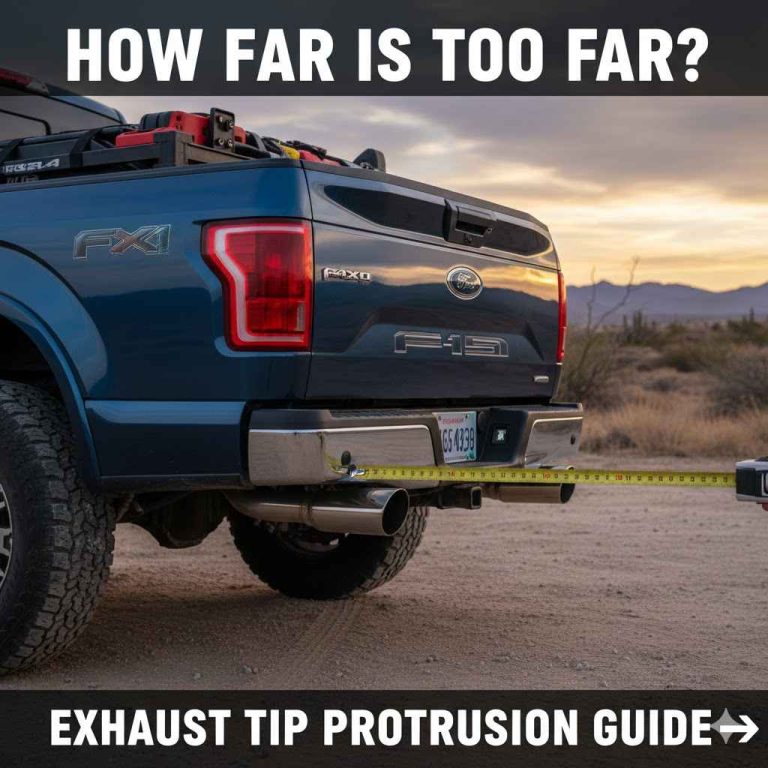
Do You Need Exhaust Tips? Essential Answers
Exhaust tips are primarily an aesthetic upgrade, offering no significant performance gains. They enhance your vehicle’s appearance by covering the raw exhaust pipe, allowing for customization to match your style. While not essential for your car’s function, they are a popular and affordable way to personalize your ride.

Dsycar
Dsycar Universal Stainless Steel 1.5" - 2.25"…
- 【 Measure Your Tailpipe Diameter】Please measure the outside diameter of your exhaust pipe before purchase, otherwise our product w…
- 【 Note 2 】Please check your original tailpipe's type. Straight tailpipe is for straight type, and curved tailpipe is for curved ty…
- 【 Note 3 】View product details image,Understand the installation and size of the product, can view the other seven exhaust pipe pr…
As an Amazon Associate I earn from qualifying purchases.
Do You Need Exhaust Tips? Essential Answers for Your Ride
Ever looked at a car and noticed those shiny, stylish pipes sticking out from the rear? Those are exhaust tips, and maybe you’ve wondered if your car either has them and you’re just noticing, or if yours seem a bit plain and could use an upgrade. It’s a common question for many car owners, especially those new to the automotive world. The good news is, figuring out if you need exhaust tips is simpler than you might think. We’ll break down exactly what they are, what they do, and whether adding them is the right choice for your vehicle and your budget. Ready to give your car a little extra flair? Let’s dive in!
What Exactly Are Exhaust Tips?
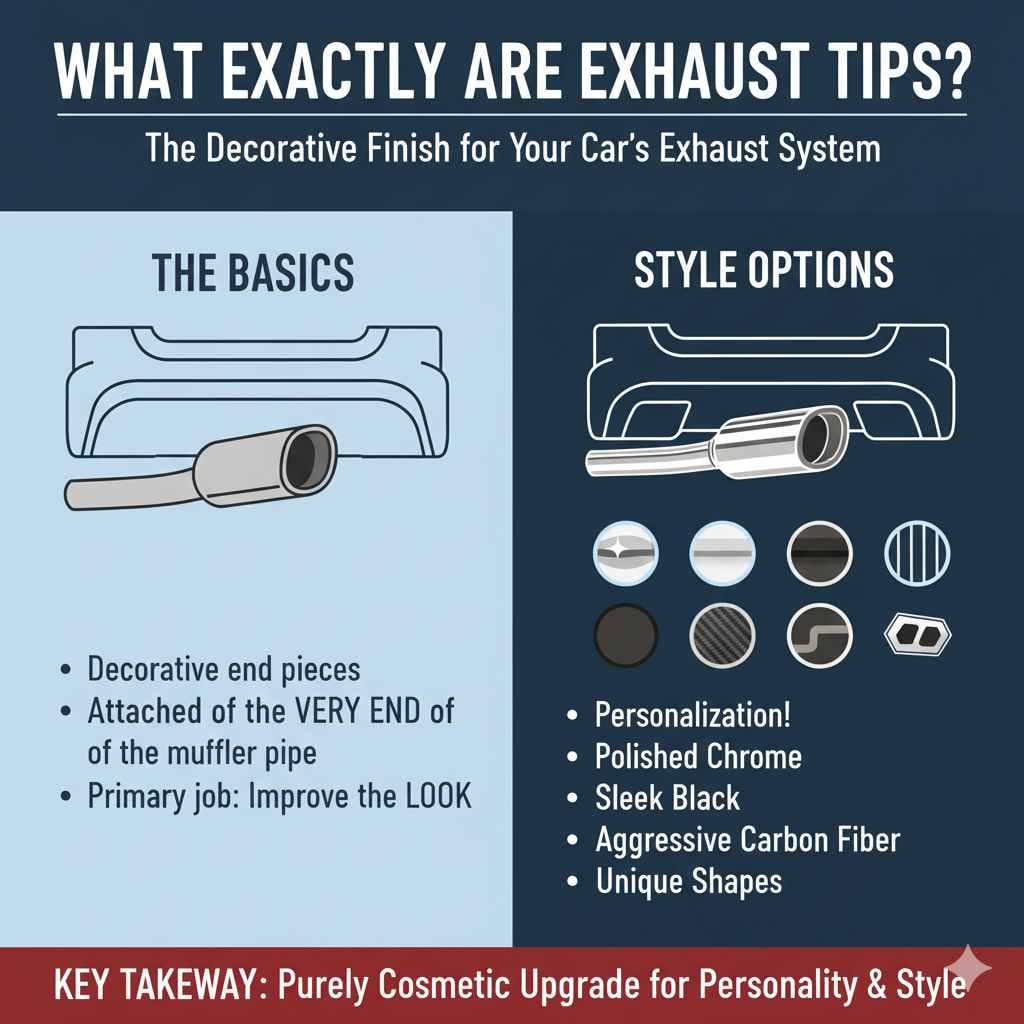
Think of exhaust tips as the finishing touch to your car’s exhaust system. They are the decorative end pieces attached to the very end of your muffler’s pipe. Their main job is to improve the look of your vehicle. They’re not part of the core functionality of expelling gasses, but they certainly add style and personality. Without them, you might just see a plain, often dull, metal pipe peeking out. With them, you can have polished chrome, sleek black, aggressive carbon fiber, or even uniquely shaped tips that make your car stand out.
The Role of Exhaust Tips: More Than Just Looks?
This is where the core question lies for many out there: Do exhaust tips actually do anything for my car beyond looking nice? The straightforward answer is that their primary function is aesthetic. They don’t generally boost horsepower, improve fuel efficiency, or make your car run better in a mechanical sense.
However, it’s not entirely about just looks. Exhaust tips can:
Protect the Original Pipe: The original exhaust pipe is often made of plain steel that can rust or corrode over time. An exhaust tip acts as a protective cover, shielding the end of the pipe from the elements and preventing premature wear.
Direct Exhaust Flow (Slightly): While not designed for performance, the shape and angle of an exhaust tip can subtly influence the direction of the exhaust gas as it exits. This can have a very minor impact on exhaust note sound, but it’s usually negligible in terms of actual performance gains.
Prevent Accidental Burns: The raw end of an exhaust pipe can get extremely hot. Sometimes, a well-designed exhaust tip with a bit of overhang can offer a small buffer, though caution should always be exercised around hot exhaust components.
It’s crucial to differentiate between a simple exhaust tip and a full performance exhaust system. A performance exhaust system involves changing various components like the muffler, pipes, and sometimes even the catalytic converter to enhance airflow and sound. An exhaust tip is just that – a decorative end cover.
Types of Exhaust Tips and What They Offer
When you start looking at exhaust tips, you’ll quickly realize there’s a wide variety. Understanding the common types can help you choose the best one for your car and your personal taste.
Material Matters
The material of an exhaust tip influences its look, durability, and cost.
Stainless Steel: This is the most common and popular choice. It’s known for its resistance to rust and corrosion, making it durable in various weather conditions. Stainless steel tips often have a bright, polished finish or a brushed look.
Chrome-Plated Steel: These tips offer a very shiny, mirror-like finish that can look stunning on many vehicles. However, the chrome plating can eventually chip or peel, especially if exposed to harsh road chemicals or if the underlying steel rusts.
Carbon Fiber: For a sporty, high-performance look, carbon fiber tips are a great option. They are lightweight and strong, and their distinctive weave pattern is a favorite among enthusiasts. They can be more expensive than steel options.
Titanium: Less common for tips alone, titanium is known for its exceptional strength and light weight. Some high-end exhaust systems might feature titanium tips, often with a distinctive burnt or rainbow finish.
Shape and Size
Exhaust tips come in a dazzling array of shapes and sizes to complement different vehicle designs.
Round: The classic and most common shape. They can be single-walled or double-walled (offering a thicker, more substantial look).
Oval: Often seen on larger sedans and SUVs, oval tips can provide a more elegant or aggressive look depending on their styling.
Rectangle/Square: These offer a bold, modern, or muscle-car aesthetic.
Angled Cut: The end of the tip is cut at an angle, which can make the exhaust appear to fit more pleasingly into the bumper lines.
Straight Cut: A clean, functional look where the end of the tip is cut perpendicular to its length.
Rolled Edge: The edge of the tip is rolled inward or outward, adding a subtle touch of refinement.
Single vs. Dual Tips
Some vehicles are equipped with a single exhaust pipe, while others have dual pipes exiting from the back.
Single Exit: For cars with one exhaust pipe, a single tip is the direct replacement.
Dual Exit: If your car has two exhaust pipes (or you want to create the appearance of two), you can opt for dual exhaust tips. These can be side-by-side or stacked, depending on your exhaust system configuration and desired look.
Installing Exhaust Tips: A Beginner’s Guide
Adding exhaust tips is often one of the easiest performance or aesthetic upgrades a beginner can tackle. Most tips are designed for a bolt-on installation, meaning you don’t need welding or major modifications for many types.
Tools You Might Need
Before you start, gather these common tools:
Socket Wrench Set: You’ll need this to loosen and tighten bolts.
Screwdriver Set: Some clamps use screws.
Pliers: Useful for manipulating clamps.
Tape Measure: To ensure you have the right size tip and for proper alignment.
Gloves: To protect your hands from sharp edges and dirt.
Safety Glasses: Always protect your eyes.
Pen or Marker: To mark positions or measure.
Wire Brush (Optional): To clean the end of the existing exhaust pipe if it’s rusty or dirty.
Step-by-Step Installation (Bolt-On Clamps)
This process is for the most common clamp-on exhaust tips. Always refer to the specific instructions that come with your new exhaust tips, as they may vary.
1. Safety First: Ensure your vehicle is parked on a level surface. The exhaust system should be completely cool to the touch. Never work on a hot exhaust. If you need more accessibility, use car ramps or jack stands, and ensure the vehicle is securely supported.
2. Clean the Existing Pipe: Locate the end of your current exhaust pipe. If it’s dirty or rusty, use a wire brush or a damp cloth to clean it. A clean surface ensures a good fit and prevents future corrosion.
3. Measure Your Existing Pipe: Measure the diameter of your existing exhaust pipe. This is crucial to ensure the new exhaust tip you purchased will fit snugly.
4. Position the New Tip: Slide the new exhaust tip over the end of the existing pipe. Ensure it’s centered and that the amount of pipe extending into the tip is roughly the same as recommended by the manufacturer (usually enough for a secure grip, but not so much that it obstructs the muffler’s internal workings).
5. Align the Tip: Look at your car from the rear. Adjust the tip so it’s straight, centered in the opening of your bumper or bodywork, and sits at the desired depth. You might want to use a marker to lightly indicate the desired position on the existing pipe before tightening.
6. Tighten the Clamp Bolts: Most bolt-on tips have a clamp mechanism. Gradually tighten the bolts on the clamp, alternating between them to ensure even pressure. Tighten them securely, but avoid overtightening, which could damage the new tip or the old pipe. The tip should feel very snug and not move when you gently push or pull it.
7. Check Alignment Again: Step back and look at the tip from different angles. Make any minor adjustments necessary to ensure it looks perfect.
8. Final Check (Optional but Recommended): If you can safely start the engine for a minute or two (while ensuring no one touches the exhaust components), listen for any unusual sounds. You can also check for exhaust leaks around the clamped area, though leaks are very unlikely with simple tip installations.
Slip-On vs. Weld-On Tips
Slip-On Tips: These are the most beginner-friendly. They usually attach with clamps and nuts, requiring only basic tools like a wrench. They are easy to install and remove.
Weld-On Tips: For a permanent and very secure fit, some tips are designed to be welded onto the existing exhaust pipe. This method requires welding equipment and expertise, so it’s typically not a DIY job for beginners. While offering a robust connection, they can make future replacements more complicated.
When Do You Not Need Exhaust Tips?
While exhaust tips can add a nice touch, there are scenarios where you might not need them or even want to avoid them.
Your Current Tip is Fine: If your vehicle already has a satisfactory exhaust tip that you like the look of, there’s no functional need to replace it.
Budget Constraints: Exhaust tips can range from $20 to several hundred dollars. If your budget is tight, prioritizing other maintenance or repairs might be more important.
You Prefer a Stock Look: Some owners prefer the subtle, understated appearance of a stock vehicle and don’t wish to alter its aesthetics.
Risk of Unnecessary Modification: If you have a very specific or sensitive exhaust system, or if you’re unsure about compatibility, it might be best to consult a professional before adding aftermarket parts.
Concerns About Noise/Performance: As mentioned, tips alone don’t change sound or performance. If you’re seeking those changes, you’ll need a different exhaust system upgrade.
Exhaust Tips vs. Performance Exhaust Systems: A Clear Distinction
It’s easy to get exhaust tips confused with performance exhaust systems, but they serve very different purposes.
A performance exhaust system is a collection of components designed to optimize how your engine breathes. This can include:
Header or Exhaust Manifold: Collects exhaust gases from the cylinders.
Downpipe: Connects the manifold to the rest of the system.
Catalytic Converter: Reduces harmful emissions.
Resonator: Helps tune the exhaust sound and reduce drone.
Muffler: Reduces exhaust noise.
Pipes: Wider diameter pipes allow for better gas flow.
Exhaust Tips: The final decorative piece.
Upgrading these components, especially the muffler and piping, can lead to:
Increased Horsepower and Torque: By allowing gases to exit the engine more freely.
Improved Fuel Economy: A more efficient engine often uses less fuel.
More Aggressive or Desired Exhaust Note: The sound of your car’s exhaust can be significantly altered.
An exhaust tip, on the other hand, is typically a bolt-on accessory that attaches to the end of your existing exhaust pipe (or the end of a performance exhaust system). Its contribution to performance is generally zero, and its impact on exhaust sound is minimal to none. It’s focused purely on changing the visual appeal of the rear of your vehicle.
For a clear understanding of exhaust systems and their components, resources like the EPA’s information on vehicle exhaust systems can be helpful for understanding the broader picture of emissions control.
Pros and Cons of Adding Exhaust Tips
To help you make a final decision, here’s a breakdown of the advantages and disadvantages of installing exhaust tips.
Pros
Enhanced Aesthetics: The most significant benefit. They can make a plain car look sporty, luxurious, or simply more finished.
Customization and Personalization: Allows you to express your style and make your car unique.
Protection for the Original Pipe: Shields the end of your exhaust pipe from rust and damage.
Relatively Inexpensive Upgrade: Compared to major engine or body modifications, exhaust tips are an affordable way to change your car’s look.
Easy Installation: Most bolt-on tips require no special tools or skills, making it a great DIY project.
Variety of Options: A vast selection of materials, shapes, and sizes to choose from.
Cons
No Performance Gains: They do not improve horsepower, torque, or fuel efficiency.
Minimal Sound Change: You won’t get a noticeable difference in exhaust note from just adding tips.
Potential for Damage: If not installed correctly, they could rattle or even fall off, potentially causing damage.
Maintenance Required: Chrome and polished stainless steel need regular cleaning to maintain their shine and prevent pitting or corrosion.
Cost Can Add Up: While individually affordable, buying expensive materials or complex designs can increase the cost.
Compatibility Issues: You must ensure the tip fits the diameter of your existing exhaust pipe.
Common Misconceptions About Exhaust Tips
Let’s clear up a few things you might have heard:
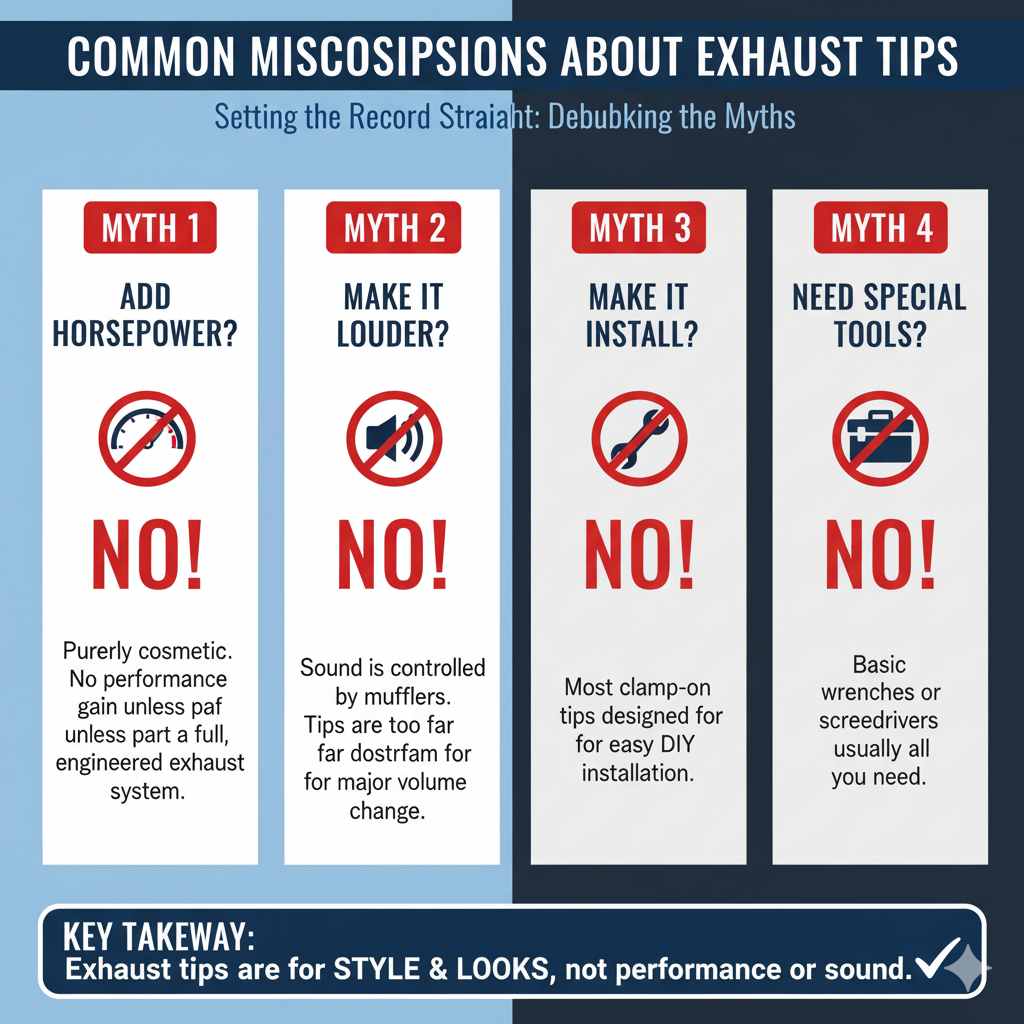
“Exhaust tips add horsepower.” This is generally false. Unless it’s part of a larger, properly engineered performance exhaust system, a tip is purely cosmetic.
“Exhaust tips make your car louder.” Again, not typically true. Mufflers are what control sound levels. Tips are too far downstream to significantly impact volume.
“They’re really hard to install.” For most clamp-on models, this is untrue. They are designed for easy DIY installation.
“You need a special tool to install them.” Usually, just basic wrenches or screwdrivers are needed.
Frequently Asked Questions About Exhaust Tips
Here are some common questions beginners have about exhaust tips.
Q1: Do exhaust tips affect my car’s warranty?
A: Adding a simple bolt-on exhaust tip is very unlikely to void your car’s warranty. It’s a cosmetic accessory that doesn’t interfere with the engine or core exhaust components. However, if you were to modify or weld extensively, or if the tip itself caused damage, that could be a different story. Most manufacturers consider minor bolt-on accessories to be safe.
Q2: How do I know what size exhaust tip I need?
A: You need to measure the outer diameter of your existing exhaust pipe where the tip will attach. Most exhaust tips are advertised with the pipe diameter they are designed to clamp onto (e.g., “Fits 2.25-inch pipes”). It’s best to measure your existing pipe with a tape measure or caliper for accuracy.
Q3: Can I put a dual exhaust tip on a car with a single exhaust pipe?
A: Yes, but it depends on your rear bumper and the type of dual tip. You can get dual tips that simply clamp onto a single pipe, creating the appearance of two outlets. However, some dual tips are designed to fit over two separate pipes. You’ll need to check the specific product and consider how it will look and fit with your vehicle’s existing setup.
Q4: Will exhaust tips rust or corrode?
A: It depends on the material. Stainless steel and titanium are highly resistant to rust. Chrome-plated steel can rust if the chrome plating is scratched or damaged. Even stainless steel can show surface rust or discoloration in harsh environments or if not cleaned regularly. High-quality materials offer better longevity.
Q5: How do I clean and maintain my exhaust tips?
A: For stainless steel and chrome, regular washing with mild soap and water is recommended. For stubborn grime or discoloration, you can use a metal polish specifically designed for automotive applications. Avoid abrasive cleaners that can scratch the surface. For carbon fiber, a car wash soap and water are usually sufficient, followed by a gentle polish if desired.
Q6: Are exhaust tips safe for all cars?
A: Yes, as long as they are properly sized and securely installed. They do not fundamentally change how your car operates. Always ensure they are firmly attached and don’t extend too far to create a hazard.
Related pick: Check today's price on Amazon