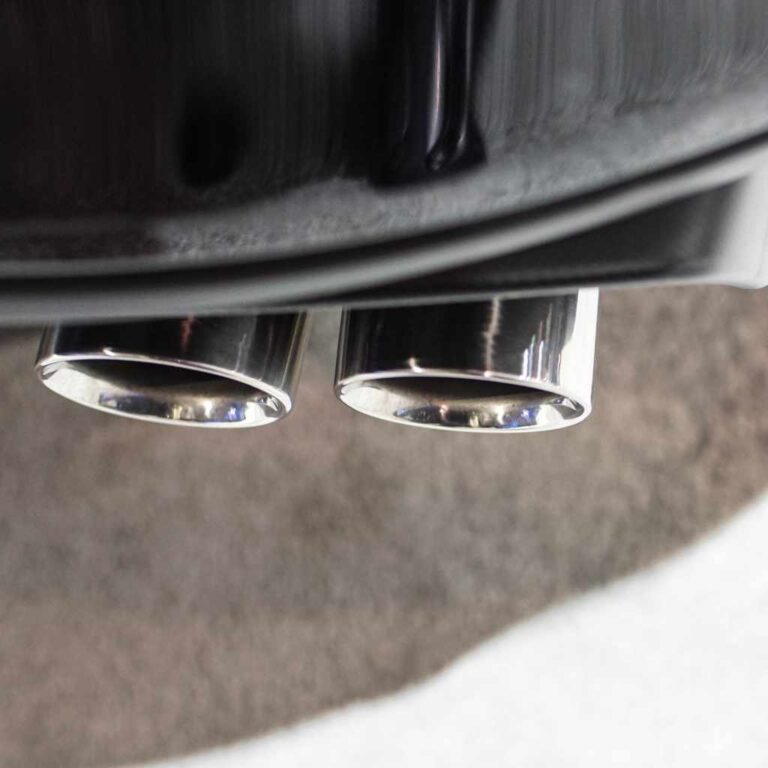
Do Exhaust Tips Affect Insurance

Do Exhaust Tips Affect Insurance: Essential Guide

Do exhaust tips affect insurance? In most cases, aftermarket exhaust tips alone are unlikely to directly impact your car insurance rates because they are considered a cosmetic or minor performance upgrade. However, significant exhaust system modifications that alter emissions or performance might indirectly influence your policy.

Ever wondered if adding those shiny new exhaust tips changes your car insurance? It’s a common question many car owners have when they start thinking about customising their ride. You see those sleek tips and imagine your car looking and sounding a bit sportier. But then a thought pops up: “Will this affect my insurance premium?” It’s a valid concern! Many people worry that any change to their car could lead to higher insurance costs. Don’t worry, this guide is here to clear up the confusion. We’ll break down exactly how exhaust tips, and related modifications, can or can’t affect your insurance, making it easy to understand without any confusing jargon. Let’s dive in and find out what you need to know!

Understanding Exhaust Tips and Their Role

Before we talk about insurance, let’s get a clear picture of what exhaust tips are and what they do.

What are Exhaust Tips?

Exhaust tips are basically the decorative ends of your car’s exhaust pipe. They are the part you see sticking out from the back of your vehicle. While they don’t change how your engine performs, they can significantly alter the look and, depending on the system, the sound of your car’s exhaust note.

Think of them like the stylish shoes for your car’s outfit. They don’t power the car, but they sure can make it look better.

Types of Exhaust Tips

Exhaust tips come in all sorts of shapes, sizes, and materials to suit different tastes and vehicle styles. Some common types include:

  • Chrome Tips: These are very popular for their shiny, classic look. They add a bright, polished finish to the rear of your car.
  • Black Tips: For a more modern, aggressive, or stealthy appearance, black exhaust tips are a great choice. They can be matte or glossy.
  • Carbon Fiber Tips: These are lightweight and offer a sporty, high-performance look. They are often found on sports cars and performance vehicles.
  • Polished Stainless Steel Tips: Durable and resistant to rust, these offer a long-lasting shine and a premium appearance.
  • Rolled Tips: These have a distinct rolled edge, giving a classic or sporty appearance depending on the overall design.
  • Straight Cut Tips: A simpler, no-nonsense look that can suit various car styles.

Expand your knowledge about Exhaust Tips with this article. Do Wider Exhaust Tips Deepen Sound? Proven Results

Do Exhaust Tips Affect Performance?

Generally, no. Standard exhaust tips are primarily for looks. They don’t change the way exhaust gases flow through your car’s system. Therefore, they won’t typically lead to noticeable gains in horsepower or fuel efficiency. However, if you upgrade the entire exhaust system, including the pipe diameter and muffler, then performance can be affected. But just the tip? Usually not.

Understanding Exhaust Tips and Their Role

The Big Question: Do Exhaust Tips Affect Insurance?

Now, let’s get to the heart of the matter. Will adding new exhaust tips make your insurance go up? For the most part, the answer is a reassuring “no.”

Insurance companies assess risk based on several factors, like your driving record, the car’s make and model, its age, where you live, and how much you drive. Modifications are a factor, but it depends entirely on what kind of modification it is.

Why Cosmetic Modifications Generally Don’t Affect Rates

Exhaust tips are usually considered cosmetic modifications. This means they are changes made primarily for appearance, not to significantly alter the car’s performance, safety, or emissions. Since they don’t inherently increase the risk of theft, accidents, or damage in a way that underwriters typically consider for pricing, they don’t usually trigger an increase in your insurance premium.

Think about it: a shiny chrome tip or a sleek black tip isn’t going to make your car inherently more expensive to repair after an accident, nor will it make it more likely to be stolen compared to a stock tip. That’s why insurers often don’t see them as a significant risk factor.

When Modifications Can Matter (But Not Usually Just Tips)

It’s important to understand that some vehicle modifications can affect your insurance. These are typically modifications that:

  • Significantly increase performance: Things like engine remapping, turbochargers, performance exhaust systems (which go beyond just the tip), or suspension upgrades that lead to higher speeds.
  • Change the vehicle’s value: Extremely expensive customisations might be noted.
  • Alter emissions controls: Removing catalytic converters or other emission-related parts can be a major issue legally and financially.
  • Increase theft risk: Certain aftermarket parts might be more appealing to thieves.

So, while just swapping out the tips is unlikely to cause a stir, if you’re considering a full performance exhaust system, that’s a different story. We’ll explore that next.

Interested in more about Exhaust Tips? Here's an article you might find helpful. Do You Break In Exhaust Tips? Essential Guide

Full Exhaust System Upgrades vs. Just Tips

This is where things can get a bit more nuanced. Replacing only the exhaust tip is much different than replacing the entire exhaust system.

What is a Full Exhaust System Upgrade?

A full exhaust system upgrade involves replacing multiple components of your car’s exhaust, not just the visible tip at the end. This can include:

  • Headers: These connect directly to the engine and are the first part of the exhaust.
  • Downpipe (or Front Pipe): Connects the headers to the rest of the exhaust.
  • Catalytic Converter: Emissions control device. Upgrading or removing this is a big deal.
  • Muffler: Reduces noise. Some performance mufflers can alter the sound and flow.
  • Resonator: Also helps control sound.
  • Piping: The tubes connecting these components. Larger diameter pipes can improve flow.

How Full Exhaust Upgrades Might Affect Insurance

When you upgrade the entire exhaust system, especially with performance-oriented parts, you could be looking at several changes that insurers might consider:

  • Increased Performance: Performance exhaust systems are designed to improve airflow, which can lead to increased horsepower and torque. A car that’s faster or more powerful is generally seen as a higher risk by insurance companies.
  • Altered Sound: Performance exhausts are often louder. While not always a direct factor, a very loud vehicle can sometimes attract more attention, and in certain contexts, insurers might view this differently.
  • Removal/Modification of Emissions Equipment: This is a serious issue. Modifying or removing a catalytic converter is illegal in many places and can void warranties and insurance coverage. Insurers generally do not cover vehicles operating in an illegal state. For more on emissions standards, you can check resources like the U.S. Environmental Protection Agency (EPA) on vehicle emissions.
  • Increased Value/Cost of Repair: Some high-end performance exhaust systems can be quite expensive. If an insurer were to total your car, the replacement cost for such a system would be higher.

Reporting Modifications to Your Insurer

This is a crucial point. If you undertake significant modifications, especially to the performance exhaust system, it’s generally a good idea to inform your insurance company. Transparency is key. Failing to disclose significant modifications could lead to denial of a claim if an accident occurs.

Your insurer will assess the changes and decide if they need to adjust your premium. Sometimes, they might even offer specific “performance car” policies or endorsements. It’s always better to ask.


Interested in more about Exhaust Tips? Here's an article you might find helpful. Do You Need Exhaust Tips? Essential Guide

Do Exhaust Tips Affect Insurance Premiums? Let’s Break It Down By Type of Policy

While we’ve established that simple exhaust tips are unlikely to affect your insurance, understanding how different insurance types might view modifications can be helpful.

Standard Auto Insurance Policies

Most drivers have standard auto insurance policies that cover liability, collision, and comprehensive damage. For these policies, as we’ve discussed, simple exhaust tips are almost always a non-issue. Insurers focus on the core risk factors of the driver and the vehicle as it was manufactured.

If you have a clean driving record and a standard policy, adding shiny new tips is unlikely to trigger any premium adjustments or affect your coverage. This is the most common scenario for the average car owner.

Modified Vehicle Insurance Policies

If you have a vehicle that is extensively modified (e.g., a dedicated performance car, a heavily customized classic, or a vehicle with significant engine and suspension upgrades), you might already have a specialized policy. These policies are designed to cover the unique risks and values associated with modified vehicles.

Even with a modified vehicle policy, simple exhaust tips are unlikely to impact your rate. However, if your exhaust modification is part of a larger package of performance upgrades that are covered under your modified policy, its presence wouldn’t typically be a standalone reason for a rate increase. Instead, it would be part of the overall picture of your modified vehicle.

Agreed Value vs. Actual Cash Value Policies

Actual Cash Value (ACV): Most standard policies are ACV. This means if your car is totaled, the insurer pays you what the car was worth just before the accident. Stock parts are factored into this value.

Agreed Value (AV): Often used for classic or collectible cars, this policy means you and the insurer agree on a specific payout amount if the car is totaled. If you have an AV policy, it’s even more important to disclose any modifications, including significant exhaust upgrades, as they contribute to the agreed-upon value. Simple exhaust tips might not change the value enough to warrant a change in the agreed value, but a full performance exhaust system could.

Looking for more insights on Exhaust Tips? You may find this post valuable. Do Exhaust Tips Affect Scavenging? Essential Results

Legal and Regulatory Considerations

Beyond insurance, there are laws and regulations about vehicle exhaust systems that you should be aware of.

Emissions Standards

Many regions have strict emissions standards to control air pollution. Modifying your exhaust in ways that bypass or remove emissions control devices, like catalytic converters, can lead to fines, failed inspections, and legal trouble. This is a major reason why insurers would be hesitant to cover a vehicle with such illegal modifications.

To understand the regulations in your area, you can often find information from your local department of motor vehicles or environmental protection agency. For example, in the United States, the EPA provides information on vehicle emissions and related standards.

Noise Ordinances

Some areas also have laws about vehicle noise levels. If your exhaust system is excessively loud due to modifications, you could be subject to tickets or fines, independent of your insurance. While exhaust tips themselves don’t typically make a car much louder, other exhaust components might.

How to Properly Report Exhaust Modifications

If you’re unsure whether your exhaust modification needs to be reported, or if you’ve made more significant changes, here’s how to approach it.

Step 1: Assess Your Modification

First, be honest about what you’ve changed.

  • Just exhaust tips? Likely no need to report.
  • New muffler and tips? Might be worth a call.
  • Full performance exhaust system (headers, piping, high-flow cat, etc.)? Definitely report it.
  • Removal or tampering with emissions equipment? This is illegal and should not be done.

Step 2: Review Your Policy Documents

Read through your current insurance policy or log into your insurer’s online portal. Look for sections on “Modifications,” “Customization,” or “Aftermarket Parts.” This might give you a clue about their general stance.

Step 3: Contact Your Insurance Agent or Company

This is the most important step. Call your insurance agent or the customer service line for your insurance company. Clearly explain the modifications you’ve made. Be prepared to provide details:

  • What parts were changed (e.g., “replaced the stock muffler with a Borla touring muffler,” or “added aftermarket chrome exhaust tips”).
  • When the work was done.
  • The approximate cost if it was a significant upgrade.

Interested in more about Exhaust Tips? Here's an article you might find helpful. Do Exhaust Tips Change The Sound? Proven Results

Step 4: Document the Conversation

Make a note of the date you called, the name of the person you spoke with, and what was discussed. If they tell you no change is needed, keep this record. If they advise you to add it to your policy, get the details of the change and any premium adjustment in writing.

What to Expect When You Report

Your insurer will likely assess the modification based on their internal guidelines.

  • Small/Cosmetic: They might say it’s fine and requires no change.
  • Performance Upgrade: They might increase your premium to account for the added risk or the increased value of the vehicle.
  • Illegal/Uninsurable Modification: In rare cases, if a modification is deemed too risky or violates policy terms (like emissions tampering), they might decline coverage or even cancel your policy.

Table: Impact of Exhaust Modifications on Insurance

To help visualize the potential effects, here’s a table summarizing different types of exhaust modifications and their general impact on insurance.

Modification TypeDescriptionLikely Impact on Insurance RateReasons
Exhaust Tips OnlyReplacing the stock end pipe for cosmetic reasons (chrome, black, etc.).No ImpactPurely cosmetic, does not affect performance, safety, or valuation significantly.
Aftermarket Muffler (Standard)Replacing the stock muffler with a quieter, comparable aftermarket unit for noise reduction or minor sound improvement.Minimal to No ImpactGenerally considered a minor repair or cosmetic upgrade unless it significantly alters sound or performance.
Performance Muffler/Resonator UpgradeReplacing with parts designed for improved exhaust flow and a sportier sound.Potential Slight IncreaseMay slightly increase performance and sound, potentially seen as a minor risk factor.
Cat-Back Performance Exhaust SystemReplacing piping, muffler, and resonator after the catalytic converter.Possible IncreaseCan increase performance and sound. Insurer will assess the degree of performance gain and cost.
Full Performance Exhaust System (Header-Back)Replacing all components from the engine manifold back, including headers and potentially high-flow catalytic converters.Likely IncreaseSignificant potential for increased performance, altered sound, and higher vehicle value.
Removal or Modification of Catalytic ConverterBypassing, removing, or tampering with the emissions control device.Voided Coverage/Policy CancellationIllegal modification. Insurers cannot and will not cover illegal vehicle configurations.

Common Misconceptions About Exhaust Tips and Insurance

It’s easy to get confused about what affects car insurance. Let’s clear up a few common misunderstandings.

One of the biggest myths is that any modification automatically means higher insurance. While major performance upgrades can lead to increased premiums, simple aesthetic changes like new exhaust tips are usually overlooked.

Another misconception is that you must report every single tiny change. While transparency is good for significant modifications, insurers have practical limits. If you swapped tire brands, would you report it? Probably not. Exhaust tips fall into a similar category for most policies.

Finally, people sometimes think that if an aftermarket part is expensive, it automatically means higher insurance. This isn’t always true. The cost of the part matters, but its impact on the vehicle’s risk profile is more important. If an expensive part doesn’t increase performance, theft risk, or accident proneness, its cost alone might not sway an underwriter.

Common Misconceptions About Exhaust Tips and Insurance

Frequently Asked Questions (FAQs)

Here are some common questions beginners might have about exhaust tips and insurance.

Q1: Will I have to pay more on my insurance if I just change the exhaust tips?

A: In almost all cases, no. Replacing just exhaust tips is considered a cosmetic upgrade and does not affect your car’s performance, safety, or overall value in a way that typically impacts insurance rates.

Q2: What if my new exhaust tips are expensive, like carbon fiber ones?

A: While the cost might be higher, as long as they are just tips and don’t contribute to performance changes or significant overall vehicle value increase, they are unlikely to affect your insurance premium.

Q3: Do insurance companies know about every aftermarket exhaust tip available?

A: Insurance companies use data and risk assessment models. They are aware of common aftermarket parts and focus on categories of modifications that impact risk (like performance, theft, or damage). Simple exhaust tips typically fall outside these categories.

Similar Posts