How Does an Exhaust Work: A Comprehensive Guide
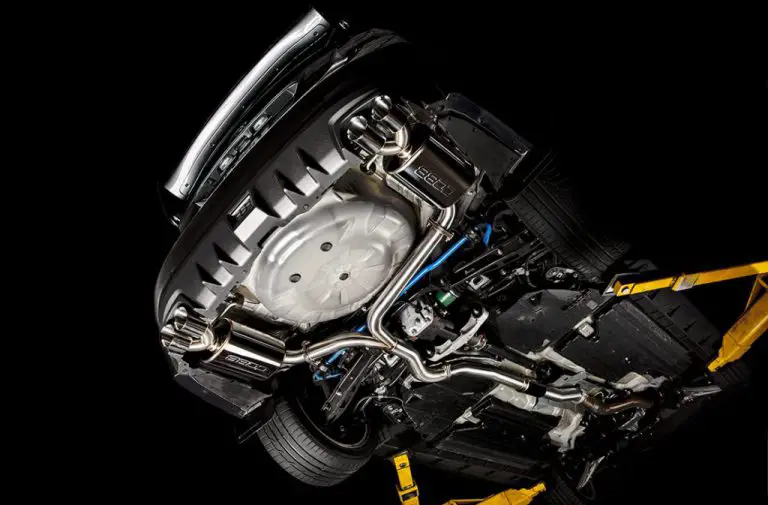
The exhaust system collects and removes exhaust gases from the cylinders, reduces noise, and releases purified gases away from the vehicle. It consists of pipes and tubes that direct heat and emissions away from the engine and out through the tailpipe.

Northeastern Exhaust
Northeastern Exhaust - Stainless Steel Exhaust System…
- PREMIUM STAINLESS STEEL: Our Direct Fit Exhaust System Kit is meticulously crafted from durable stainless steel, guaranteeing dura…
- EASY TO INSTALL: This Direct Fit Exhaust System Kit can be effortlessly installed by a professional without the need for any weldi…
- COMPREHENSIVE KIT: In addition, this item includes hardware sparing you the inconvenience of hunting down extra components for ins…
As an Amazon Associate I earn from qualifying purchases.
The exhaust system is an essential component of a vehicle that plays a crucial role in the overall performance and functionality. It works to remove waste gases from the engine, reduce noise levels, and ensure the emission of cleaner air.
Understanding how the exhaust system functions can provide valuable insights into the mechanics of a car and the impact it has on the environment. We will explore the inner workings of an exhaust system and delve into the various components that make it all work seamlessly. Additionally, we will discuss the importance of a properly functioning exhaust system for both the vehicle’s performance and the overall well-being of the environment.

Credit: autospecialtools.com
1. Overview Of Car Exhaust Systems
The function of the exhaust system is to collect the exhaust gases from the cylinders, remove harmful substances, reduce noise, and discharge the purified exhaust gases at a safe point away from the vehicle occupants. This system can have one or two channels, depending on the engine.
The exhaust system plays a crucial role in maintaining the overall performance and efficiency of the vehicle. It consists of components such as the catalytic converter, muffler, exhaust manifold, oxygen sensor, and resonator. Each part of the exhaust system has its specific purpose in optimizing exhaust flow and minimizing noise levels.
In summary, the exhaust system is designed to ensure that the vehicle’s emissions are effectively controlled, promoting a cleaner and quieter driving experience.
2. Components Of An Exhaust System
The exhaust system plays a crucial role in the functioning of a car. It consists of several components that work together seamlessly. The exhaust header is responsible for collecting the exhaust gases from the cylinders. The EGR valve helps in reducing emissions by recirculating a portion of the exhaust back into the engine.
Oxygen sensors monitor the amount of oxygen in the exhaust and provide feedback to the engine control unit. The catalytic converter converts harmful gases into less harmful ones. The muffler reduces the noise produced by the exhaust gases. A resonator is also used to further reduce any unwanted noise.
The exhaust manifold is responsible for collecting the exhaust gases from all cylinders and directing them into the rest of the exhaust system. Each component plays a vital role in the overall functioning of the exhaust system.
3. Function Of An Exhaust System
Function: The exhaust system collects exhaust gases, removes harmful substances, reduces noise levels, and discharges purified exhaust gases away from the vehicle. The system can have one or two channels depending on the engine.
4. Performance Considerations
The impact of exhaust system design on overall performance is an important consideration. The size of the exhaust pipe plays a crucial role in performance. The steam considerations in the exhaust system also affect the overall efficiency. Additionally, exploring titanium aftermarket exhaust options can further enhance performance.
These factors collectively contribute to the proper functioning of the exhaust system. Understanding the basics of how an exhaust system works is essential. The exhaust system collects exhaust gases, removes harmful substances, reduces noise, and releases purified gases away from the vehicle.
Depending on the engine, the exhaust system can have one or two channels. It is necessary to differentiate between a muffler and an exhaust, as the former controls gas output while the latter controls noise. By optimizing exhaust system design, vehicle performance can be greatly improved.
5. Common Terminology And Concepts
The exhaust system works by collecting the exhaust gases from the cylinders, eliminating harmful substances, reducing noise levels, and releasing the purified exhaust gases at a suitable location away from the occupants of the vehicle. This system can have one or two channels, depending on the engine.
A muffler is responsible for controlling the noise level, while the exhaust regulates the gas output. Understanding the terminology is crucial, including terms like back pressure, exhaust valve, and dual exhaust. There are different types of exhaust systems, including aftermarket options, which provide additional benefits such as improved performance.
By familiarizing yourself with these concepts, you can take better care of your vehicle’s exhaust system and make informed decisions regarding maintenance or upgrades.
6. How An Exhaust System Works: A Step By Step Guide
The exhaust system functions by collecting the exhaust gases from the cylinders and eliminating harmful substances. It also plays a crucial role in reducing noise levels and expelling the purified exhaust gases away from the vehicle’s occupants. Depending on the engine, the exhaust system can have one or two channels.
The components of an exhaust system include the catalytic converter, muffler, exhaust manifold, oxygen sensor, and resonator. Each component contributes to the overall performance of the system. The catalytic converter helps to decrease the emission of pollutants, while the muffler reduces noise.
The exhaust manifold collects the gases from all the cylinders, and the oxygen sensor monitors the oxygen levels in the exhaust. Additionally, the resonator helps to fine-tune the sound produced by the exhaust system. Understanding the function of each component is essential for maintaining the optimal performance of the exhaust system.
7. Benefits And Drawbacks Of Aftermarket Exhaust Systems
The advantages of upgrading to an aftermarket exhaust system are numerous. Firstly, aftermarket exhaust systems are designed to enhance the performance of your vehicle. They can increase horsepower and torque, resulting in improved acceleration and overall engine efficiency. Additionally, aftermarket exhaust systems can provide a deeper and more aggressive exhaust note, giving your vehicle a unique and sporty sound.
Furthermore, aftermarket exhaust systems often offer better build quality and materials compared to factory exhaust systems. This means they are more durable and less prone to corrosion or damage. However, there are also potential drawbacks to consider. Aftermarket exhaust systems can be more expensive than factory options, and installation may require professional assistance.
Additionally, some aftermarket exhaust systems may not meet emissions standards, which could cause legal issues. Therefore, it is important to carefully research and choose the right aftermarket exhaust system for your specific vehicle and needs.
8. Maintenance And Troubleshooting Tips
Maintenance and Troubleshooting Tips To maintain and prolong the lifespan of your exhaust system, follow these simple guidelines. Troubleshoot common issues such as leaks, rust, and noise promptly. Regular inspections are crucial to catch any problems early on. Seek professional maintenance when needed to ensure proper functioning.
Avoid overusing the exhaust system by avoiding unnecessary acceleration or deceleration. Keep the exhaust system clean from dirt and debris that may cause blockages. Finally, remember to drive your vehicle regularly as infrequent use can lead to corrosion and deterioration of the exhaust system.
By following these maintenance and troubleshooting tips, you can keep your exhaust system in optimal condition and avoid costly repairs in the future.
9. Frequently Asked Questions (Faqs)
Function. The exhaust system collects exhaust gases, removes harmful substances, reduces noise, and discharges purified gases. It can consist of one or two channels depending on the engine.
Frequently Asked Questions Of How Does An Exhaust Work
How Does The Exhaust System Work?
The exhaust system collects and removes harmful substances, reduces noise, and releases purified exhaust gases away from the vehicle.
What Is The Difference Between A Muffler And An Exhaust?
The exhaust system collects and removes harmful substances, reduces noise levels, and releases purified gases. The muffler controls the noise level, while the exhaust controls the gas output.
How Does Exhaust Leave The Engine?
The exhaust system collects and removes harmful substances from the engine, reducing noise, and releases purified gases through the tailpipe.
How Does An Exhaust Make A Car Faster?
An exhaust system improves a car’s speed by removing harmful substances, reducing noise, and releasing purified gases.
Conclusion
The exhaust system is a crucial component of a car’s engine, as it helps to control the output of gas, reduce noise levels, and remove harmful substances from the exhaust gases. It consists of a series of connected pipes and tubes that direct heat and fumes away from the engine, purify emissions, and release them through the tailpipe.
By understanding how an exhaust system works, car owners can make informed decisions about upgrading or maintaining their exhaust system for better performance. Upgrading to a high-performance exhaust system, such as a cat-back exhaust, can also enhance a car’s speed and power.
However, it is essential to note that proper installation and adherence to local regulations are necessary when modifying exhaust systems. By keeping the exhaust system in good condition, car owners can ensure optimal engine performance, reduce environmental impact, and enjoy a quieter driving experience.
Related pick: Check today's price on Amazon