How to Choose Exhaust Tip Size for Your Vehicle
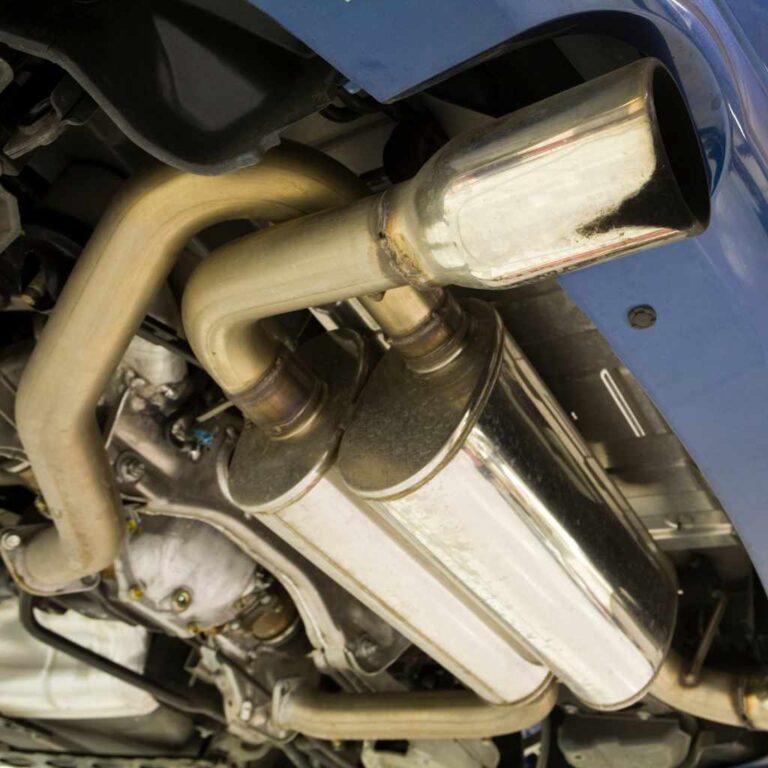
Choose an exhaust tip by measuring the tailpipe outer diameter, then pick a tip with an inlet that matches it or is slightly larger, commonly about 1/16 to 1/8 inch. Check bumper clearance and exit length at the same time. A poor fit can rattle, sit too close to plastic, look awkward, or refuse to clamp or weld on correctly. This guide shows how to measure the pipe, check rear-end clearance, and match tip size to your vehicle’s bumper and body shape.
What an exhaust tip does


An exhaust tip sits at the end of the original exhaust, and in many cases it is mainly decorative. It changes the rear look, hides a cut pipe, and can change how far the exhaust outlet extends past the bumper. It should fit the pipe first; style comes after that.
Which parts matter for fit?
The inlet diameter controls fit more than the outlet diameter. The inlet must match the measured outer diameter of the exhaust pipe or muffler outlet, while the outlet mainly changes visual proportion. Tip length matters too, because it sets protrusion past the bumper and how much pipe stays hidden.
A tip can be round, square, rectangular, or oval. A single-exit vehicle usually looks best with one centered outlet. A dual-exit rear end often needs matched symmetry so the two tips do not look undersized or crowded against the valance.
How do you measure exhaust tip fit?
Measure the pipe outer diameter, not the nominal pipe size in a listing. The number printed on a product page can refer to a different dimension than the one your tip must grip. You also need to check wall thickness and whether the pipe mouth is round, slightly ovalized, or flared.
Measure the actual pipe outer diameter
Use a caliper or a tape measure across the outside of the tailpipe end. If the pipe is rusty, bent, or slightly crushed, measure the widest usable section and the section where the tip will actually sit. That area, not the cleanest-looking spot, determines whether the inlet will clamp or slip on correctly.
For fit-critical measurements and clearance checks, use the vehicle-side dimensions first and the tip listing second. Good references for this step are exhaust pipe sizing and clamp vs weld exhaust installation, because both affect whether the tip grips the pipe securely and stays centered.
- Measure the pipe outer diameter at the end that will accept the tip.
- Check whether the end is round or ovalized.
- Measure again where the clamp or weld zone will sit.
- Confirm that the tip inlet can cover that section without forcing the pipe.
- Check bumper and trim clearance before ordering.
Say your tailpipe measures 3.00 inches outside diameter and the end is slightly oval from age. A 3-inch inlet may be too tight if the clamp zone is distorted, while a slightly larger inlet can fit better and reduce constant rattling.
Exhaust tip fitment checklist
Use this checklist before you buy. The goal is to match the measured pipe, inlet tolerance, and rear clearance as a set. A tip that fits the pipe but sits too deep, too low, or too close to plastic trim is still the wrong choice.
| Measured pipe outer diameter | Inlet size | Outlet size | Tip length | Protrusion past bumper | Mounting method | Clearance notes |
|---|---|---|---|---|---|---|
| 3.00 in | 3.00 in or slightly larger | 4.00–5.00 in styling range | Short to medium | Just past bumper edge | Clamp-on or slip-on | Leave space from plastic valance and spare-tire area |
| 4.00 in | 4.00 in or slightly larger | 5.00 in or more, if body shape allows | Medium | Past bumper without sticking out far | Weld-on or clamp-on | Check heat near rear trim and bumper cutout |
| 5.00 in | 5.00 in or slightly larger | Styling-dependent | Medium to long | Clear of bumper and underbody | Weld-on preferred for stability | Watch for contact with suspension movement and trim |
Simple pass/fail rules
Single exhaust: pass if the measured outside diameter and inlet size match closely, the outlet looks proportionate to the rear opening, and the tip clears the bumper and plastic trim by a visible margin. Fail if it rattles, points into plastic, or leaves the pipe barely inside the bumper cutout.
Dual exhaust: pass if both sides use matching inlet size, similar protrusion, and equal angle, with enough spacing between tips and trim. Fail if one side sits deeper, one tip points lower, or the pair looks uneven against the bumper opening. A mismatched pair is easier to spot than a single off-center tip.
What inlet size do you need?
Match inlet diameter to the measured pipe outer diameter. That matters more than the outlet diameter, because the inlet controls fit at the pipe end. A larger outlet can still make sense for styling, but it should not be used to hide a bad inlet match. Common aftermarket fitments include 3 inch, 4 inch, and 5 inch sizes.
Why a slightly larger inlet can help
A tip with a small amount of extra inlet tolerance may slide on more easily when the pipe end is slightly rough, ovalized, or coated with carbon. That extra room is useful only when the mounting method can hold the tip firmly. Too much slack leads to movement, whistle noise, and rattle.
For a pipe that measures about 4.00 inches, a 4-inch inlet is a common place to start. If the pipe edge is rolled, rusty, or not perfectly round, the fit may need a little tolerance rather than a forced match. The goal is secure contact, not a jammed-on part.
How should length and shape fit the rear end?
Choose tip length based on bumper clearance and visual balance. Length controls how far the tip protrudes past the bumper and how much exhaust pipe remains hidden. Shape should follow the rear design, because round, square, rectangular, and oval tips read differently against cutouts, valances, and diffuser-style trim.
Single and dual tips by layout
Single-exit vehicles usually benefit from a proportionate one-tip setup that does not look oversized against the rear bumper. Dual-exit vehicles often need longer or more substantial tips so the outlets do not look lost under a wide rear fascia. The correct layout is the one that clears the bodywork and looks intentional.
Say a hatchback has a low plastic valance and a 3.00-inch tailpipe. A long rectangular tip may look aggressive on paper, but if it hangs too low it can touch the trim on a steep driveway. A shorter oval tip can clear the bumper and still give the rear a cleaner shape.
For overall rear styling, see single vs dual exhaust layouts. The main difference is not power output from the tip itself, but how much visual space the rear opening gives each outlet and how much room you have for safe clearance.
Which mounting method works best?
Clamp-on, weld-on, slip-on, and screw-fixed tips all depend on how much tolerance exists at the pipe end. Clamp-on and slip-on styles are easier to install. Weld-on tips are more permanent. Screw-fixed designs, which some sellers describe as fixed by screws, can help when you need adjustment at the pipe end.
What makes a tip rattle
A loose tip usually means the inlet is too large for the pipe or the clamp area is too short. That same looseness can create a whistle if exhaust gas leaks around the joint. If the tip sits close to trim, the vibration can transfer into the bumper and make the whole rear section buzz.
Weld-on tips suit a pipe end that already matches the inlet closely and needs a cleaner, fixed joint. Clamp-on styles are easier to remove for cleaning or replacement. Slip-on fitments work when the pipe end and inlet tolerance line up well, but they still need a secure clamp or stop point to avoid migration.
What material should you choose?
Stainless steel is the safest default when corrosion resistance matters. Plated or galvanized steel is usually less durable in wet or salted conditions, and any thin surface coating can wear at seams and edges first. Finish choice mainly affects appearance and upkeep, not fitment.
Stainless, galvanized, chrome, and black finishes
Stainless steel generally resists rust better than plated steel because the alloy itself provides corrosion resistance rather than relying only on a thin coating. Plated or galvanized parts can still corrode once the coating is damaged at clamps, welds, or cut edges. For care details, see stainless steel corrosion care.
Chrome and mirror polished finishes can look brighter, but they can also show soot quickly on a diesel or rich-running gasoline engine. Black coated or powder-coated tips hide soot better, though repeated heat exposure can dull the finish. Stainless steel typically handles weather and road spray better than plated steel, especially on daily-driven vehicles.
Heat, soot, and corrosion
Black soot buildup inside the tip is common and does not always mean the engine has a problem. It does mean the tip will need cleaning more often, especially if the finish is mirror polished. Heat can also discolor thin metal faster than thicker stainless parts, and close clearance to plastic trim makes that worse.
Rust tends to show first at seams, clamps, and cut edges. A dirty or rusted tip is a common reason to replace one, but you can slow that down with periodic cleaning and by avoiding constant exposure to standing water, road salt, and trapped exhaust condensation.
How to put on an exhaust tip
Start by measuring the pipe outer diameter and matching the inlet size before anything else. Then choose the mounting method, check that the tip clears the bumper and plastic trim, and test the angle before tightening or welding. The right fit should sit straight, hold firm, and leave safe clearance.
Step-by-step installation
- Clean the pipe end and remove heavy rust or soot.
- Confirm the measured outer diameter and inlet size match.
- Slide the tip on loosely or position it for weld alignment.
- Check protrusion past the bumper and angle from behind the vehicle.
- Tighten clamp hardware, fasten screws, or weld the joint.
- Start the engine and listen for rattling, whistle noise, or exhaust leaks.
A common first-timer mistake is choosing the outlet size first and the inlet size second. That can leave you with a tip that looks right from behind but will not sit correctly on the pipe. Another mistake is forgetting heat-sensitive trim, which can discolor or soften if the outlet is too close.
Frequently asked questions
What are exhaust tips?
Exhaust tips are the visible ends attached at the end of the original exhaust. They are often decorative, but they also affect how far the outlet extends and how the rear of the vehicle looks. They come in single and dual styles and in round, square, rectangular, and oval shapes.
How do I know what size exhaust tip will fit?
Measure the actual pipe outer diameter, then choose an inlet that matches it or is only slightly larger. Check the pipe end for ovalizing, wall thickness, and available clamp space. After that, confirm the outlet and length will clear the bumper and rear trim.
What inlet size do I need for my muffler?
Use the measured muffler outlet or tailpipe outer diameter as the inlet target. A 3-inch, 4-inch, or 5-inch fitment only works if that number matches your actual pipe. If the pipe end is rough or distorted, allow a little tolerance and verify the mounting method can hold it.
Should I choose a single or dual exhaust tip?
Choose a single tip for a single-exit layout unless the rear design clearly benefits from a wider visual element. Choose dual tips when the vehicle already has two exits or when the rear opening is wide enough to support symmetry. Both sides should match in inlet, length, and protrusion.
Do exhaust tips change sound?
Most exhaust tips do not meaningfully change engine power or exhaust flow, and any sound change is usually small. A poor fit can create whistle noise or rattling, though, which is different from a tuned exhaust note. If the tip changes sound a lot, the fit or seal is probably wrong.
Can an exhaust tip be welded or clamped on?
Yes. Tips may be installed with clamps, welding, slip-on fitment, or screw-fixed hardware. Clamp-on and slip-on styles are easier to remove, while weld-on tips are more permanent. Pick the method that matches the pipe condition and leaves enough tolerance to mount the tip securely.