What are the Parts of Exhaust System? Unveiling the Crucial Components
The parts of an exhaust system include the exhaust manifold, oxygen sensor, catalytic converter, hangers, exhaust joints, and muffler. These components work together to safely direct harmful gases away from the vehicle.

Flowmaster
Flowmaster 17107 Header-Back Exhaust System 64-72 Chevelle…
- 2. 5 inch tubing only
- No mufflers in pipe kit, muffler must be purchased separately
- Transmission cross-member back
As an Amazon Associate I earn from qualifying purchases.
Exhaust System Basics
An exhaust system is composed of several essential components that work together to safely direct harmful gases away from the vehicle. These parts include the exhaust manifold, catalytic converter, oxygen sensor, tailpipe, muffler, and resonator. The exhaust manifold, also known as the exhaust header, is where the entire system begins.
It collects and channels exhaust gases from the engine cylinders. The gases then flow through the catalytic converter, which helps reduce harmful emissions. The oxygen sensor measures the oxygen content in the exhaust gases to ensure optimal fuel efficiency. The tailpipe is responsible for releasing the gases outside of the vehicle.
The muffler and resonator play a crucial role in reducing noise and vibrations produced by the exhaust system. Altogether, these parts work harmoniously to maintain the vehicle’s performance and minimize environmental impact.
Key Components Of An Exhaust System
Your vehicle’s exhaust system is composed of several crucial components that work together to ensure the safe removal of harmful gases. The exhaust manifold collects these gases from the engine. The oxygen sensor monitors the oxygen levels to optimize the air-fuel mixture.
The catalytic converter reduces harmful emissions. The resonator helps reduce noise and improve performance. The muffler further quiets the exhaust noise. Finally, the tailpipe directs the exhaust gases away from the vehicle. Each of these parts plays a significant role in the exhaust system’s functioning, working harmoniously to keep your vehicle running smoothly and safely.
Exhaust Manifold
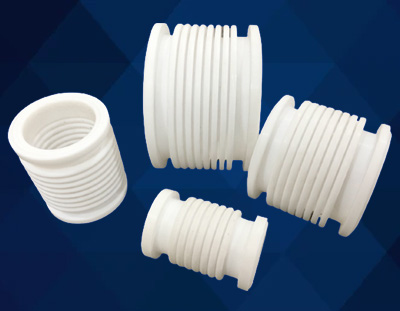
The exhaust manifold is a crucial component of the exhaust system. Its primary function is to collect gases from the engine cylinders and direct them into the exhaust pipe. Made from durable materials such as cast iron or stainless steel, exhaust manifolds are designed to withstand high temperatures and prevent leaks.
Common issues with exhaust manifolds include cracks, leaks, and rust. Regular maintenance, such as checking for leaks and repairing any damage, is important to ensure the proper functioning of the exhaust manifold. By keeping the exhaust manifold in good condition, you can help improve the overall performance and efficiency of your vehicle’s exhaust system.
Credit: advanced-emc.com
Oxygen Sensor
The oxygen sensor is a crucial part of the exhaust system, responsible for measuring the oxygen levels in the exhaust gases. It plays a vital role in maintaining the vehicle’s fuel efficiency and reducing harmful emissions. There are different types of oxygen sensors, including zirconia and titania sensors, each with its own unique characteristics and operating principles.
Proper functioning of the oxygen sensor is essential for the overall performance and longevity of the exhaust system. If the oxygen sensor starts malfunctioning, it can lead to issues such as decreased fuel efficiency, increased emissions, and engine misfires. By diagnosing and fixing problems with the oxygen sensor, you can ensure that your vehicle operates efficiently and complies with environmental regulations.
Catalytic Converter
The catalytic converter is an essential part of the exhaust system in a vehicle. It serves the function of reducing harmful pollutants emitted from the engine. There are different types of catalytic converters available, including three-way converters and diesel oxidation catalysts.
The catalytic converter plays a crucial role in emissions control by converting toxic gases such as carbon monoxide, nitrogen oxides, and unburned hydrocarbons into less harmful substances. However, over time, a failing catalytic converter may show signs such as reduced engine performance, a decrease in fuel efficiency, and the illumination of the check engine light.
It is important to address these signs promptly to maintain a properly functioning exhaust system and minimize environmental impact.
Resonator
The resonator is a crucial part of the exhaust system that serves both a functional and a defining role. It is responsible for reducing the noise produced by the exhaust gases while also contributing to the overall tuning and sound quality of the vehicle.
Unlike the muffler, the resonator works by resonating sound waves, rather than muffling them. This creates a specific tone and eliminates certain frequencies, resulting in a more desirable exhaust sound. Having a resonator can provide benefits such as improved engine performance, enhanced fuel efficiency, and a more pleasant driving experience.
However, there are also drawbacks to consider, such as increased cost and potential restrictions on exhaust flow. When choosing the right resonator for your vehicle, factors such as material, size, and design should be taken into consideration to ensure optimal performance and sound.
Muffler
A muffler is an essential part of the exhaust system, responsible for reducing the noise produced by the engine. It is designed to dampen the sound waves generated during the combustion process. There are different types of mufflers available, including chambered, turbo, and straight-through mufflers.
A well-maintained muffler is crucial as it helps in improving the overall performance of the vehicle, minimizing backpressure, and ensuring optimal fuel efficiency. Regular inspection and maintenance of the muffler are necessary to prevent any leaks or damage that could affect its functionality.
Additionally, there are tips available for reducing muffler noise, such as installing a resonator, using soundproofing materials, or opting for a quieter exhaust system. Taking these measures can help in creating a more peaceful driving experience.
Tailpipe
The tailpipe is an essential part of the exhaust system that serves multiple functions. It is responsible for guiding harmful gases away from the vehicle, ensuring the safe dispersal of exhaust fumes. The materials used in tailpipes typically include stainless steel or aluminized steel, chosen for their durability and resistance to corrosion.
The design of the tailpipe can also have an impact on the performance of the vehicle, affecting factors like backpressure and exhaust flow. Proper maintenance of the tailpipe is crucial to ensure its longevity and optimal performance. Regular cleaning and inspection for any signs of damage or blockage are recommended.
By understanding the definition, function, materials used, and maintenance tips for tailpipes, you can keep your vehicle’s exhaust system in top shape.
Frequently Asked Questions Of What Are The Parts Of Exhaust System
What Are The 5 Parts Of The Exhaust System?
The five parts of the exhaust system are the exhaust manifold, oxygen sensor, catalytic converter, muffler, and tailpipe.
What Is Every Part Of An Exhaust System?
The exhaust system is made up of several parts that work together to direct harmful gases away from the vehicle. These parts include the exhaust manifold, catalytic converter, oxygen sensor, tailpipe, muffler, and resonator.
What Are The Four Parts Of An Exhaust System?
The four parts of an exhaust system are the exhaust manifold, catalytic converter, muffler, and tailpipes.
What Are The 3 Parts Of Exhaust?
The three parts of an exhaust system are the exhaust manifold, catalytic converter, and muffler.
Conclusion
The exhaust system of your vehicle is a complex system made up of several crucial components. These parts work together to ensure the safe direction of harmful gases away from your vehicle. The exhaust manifold, catalytic converter, oxygen sensor, tailpipe, muffler, and resonator all play important roles in this process.
The manifold collects gases from the engine and funnels them into the exhaust system. The catalytic converter helps to reduce harmful emissions. The oxygen sensor monitors the oxygen levels in the exhaust gases. The tailpipe expels the gases out into the air.
The muffler reduces the noise produced by the engine, while the resonator helps to further reduce noise and vibrations. Understanding the different parts of your exhaust system is important for maintaining its proper function and ensuring the safety of your vehicle.
Regular maintenance and inspection of these components will help to keep your exhaust system working efficiently for years to come.
Related pick: Check today's price on Amazon