How to Add Diesel Exhaust Fluid

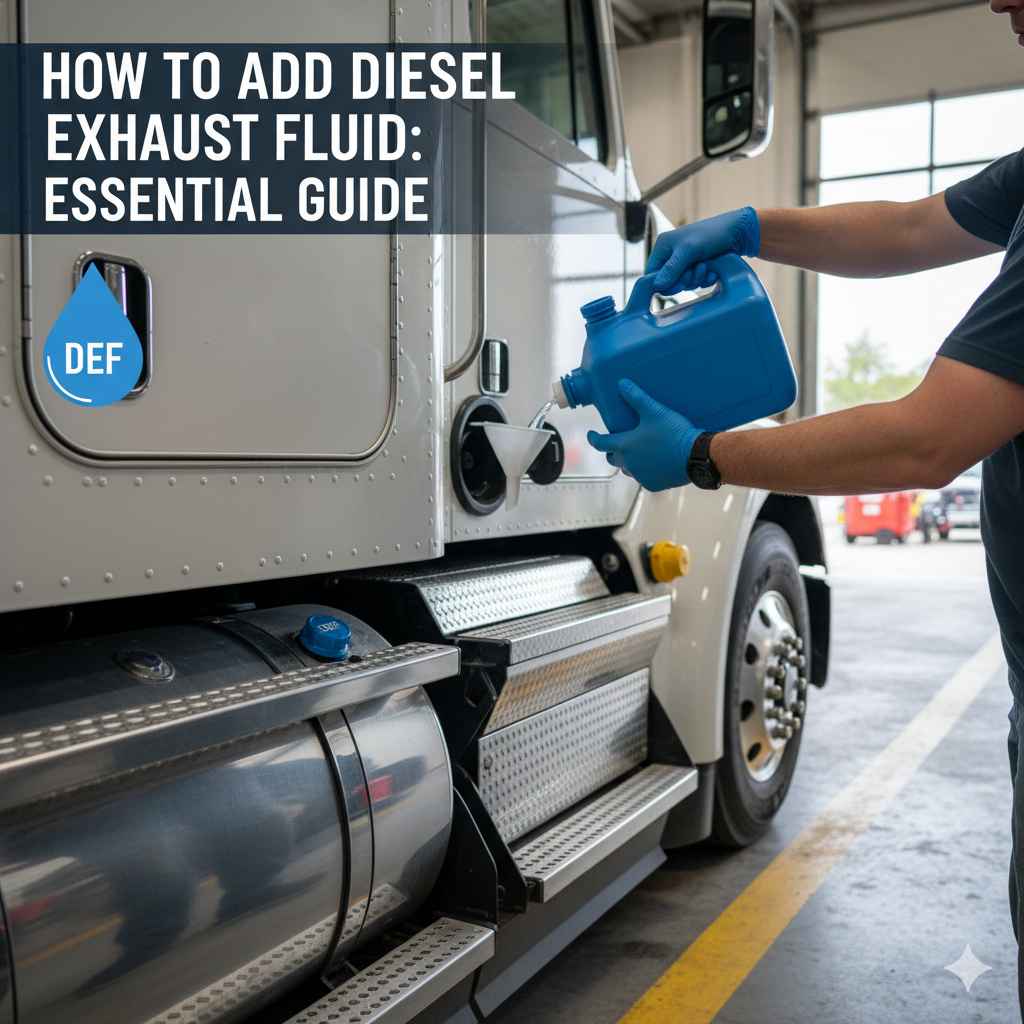
How to Add Diesel Exhaust Fluid: Essential Guide

Adding Diesel Exhaust Fluid (DEF) is simple and crucial for modern diesel engines with Selective Catalytic Reduction (SCR) systems. Just locate your DEF tank, open the cap, and pour in the fluid using a proper DEF container or pump. Regular checks and refills keep your engine running clean and prevent it from shutting down.

Modern diesel trucks and cars are cleaner on the road thanks to DEF. If you drive one of these vehicles, you’ll need to know how to add Diesel Exhaust Fluid. It might sound complicated, but it’s really not! Think of DEF as a special liquid that helps your exhaust system clean up its emissions. When this DEF runs low, your vehicle will give you a warning, and eventually, it won’t let you start the engine. This guide will show you exactly how to top it off safely and easily, so you can keep driving without worry.

Understanding Diesel Exhaust Fluid (DEF)

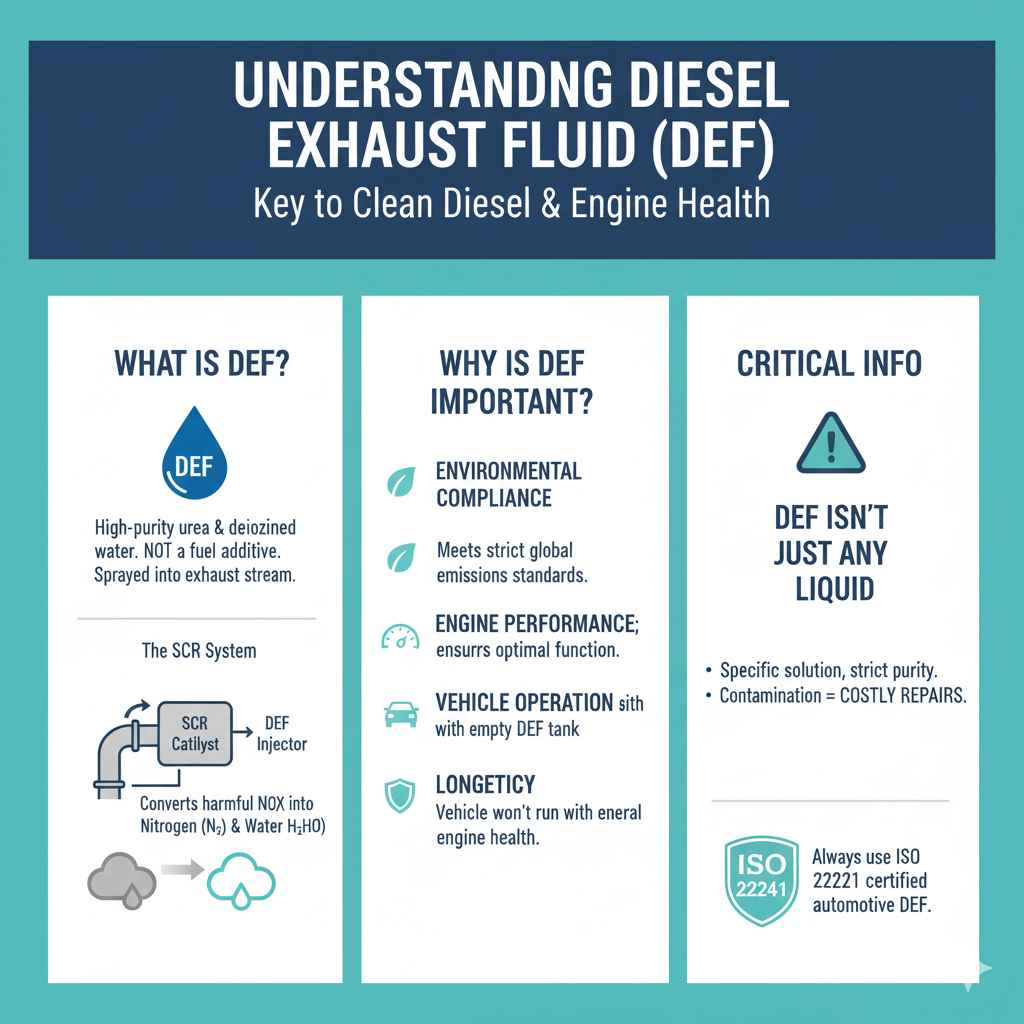
Diesel Exhaust Fluid, often called AdBlue in Europe and other regions, is a mixture of high-purity urea and deionized water. It’s not a fuel additive; it’s a consumable sprayed into the exhaust stream. This process happens within the Selective Catalytic Reduction (SCR) system, a technology mandated in many countries to reduce harmful nitrogen oxide (NOx) emissions from diesel engines.

NOx gases are a major contributor to air pollution and smog. DEF is the key component that allows the SCR system to convert these harmful NOx gases into harmless nitrogen and water vapor. Without DEF, the SCR system cannot function, and your diesel vehicle will likely enter a limp mode or refuse to start, which can be a significant inconvenience.

Why is DEF Important?

  • Environmental Compliance: DEF is essential for meeting strict emissions standards set by governments worldwide.
  • Engine Performance: While not directly boosting performance, ensuring the SCR system is functional prevents system-induced performance limitations (like limp mode).
  • Vehicle Operation: Most modern diesel vehicles will not operate (or will operate with severe restrictions) once the DEF level is critically low or empty.
  • Longevity: A properly functioning SCR system contributes to the overall health and longevity of your diesel engine by ensuring it operates within its designed emission parameters.

Want to learn more about How To Guide? This post could provide more insights. How to Attach a Water Supply Valve to Flex Pipe: Easy Step-by-Step Guide

DEF Isn’t Just Any Liquid

It’s vital to understand that DEF is a specific solution with strict purity requirements. Using the wrong type of fluid or contaminating the DEF can damage the SCR system, leading to costly repairs. Always use diesel exhaust fluid that meets ISO 22241 standards and is specifically designated for automotive use.
Understanding Diesel Exhaust Fluid (DEF)

Where to Find Your DEF Tank

The first step in adding DEF is locating the DEF filler neck or tank. This can vary between vehicle makes and models, but there are common places to look. Consult your vehicle’s owner’s manual for the precise location specific to your car or truck.

Common DEF Tank Locations:

  • Adjacent to the Fuel Filler Neck: This is the most common location. You’ll often see two caps close together on the exterior of the vehicle, one for diesel fuel and one for DEF. The DEF cap is typically smaller and might have a blue rim or a blue DEF symbol on it.
  • Under the Hood: In some vehicles, especially those with the fuel tank in a different position, the DEF filler neck might be located in the engine bay, often near the windshield washer fluid reservoir.
  • Inside the Trunk or Cargo Area: Less common, but some SUVs or vehicles might have the DEF filler neck concealed in the spare tire well or a side panel in the cargo area.
  • Under the Vehicle: Some heavy-duty trucks may have the DEF tank and filler accessible from underneath, often on the passenger side.

Identifying the DEF Cap

The DEF cap is usually blue to distinguish it from the diesel fuel cap. It may also have an inscription like “DEF,” “AdBlue,” or a symbol indicating the fluid type. Never put diesel fuel into the DEF tank, and never put DEF into the diesel fuel tank. This contamination can cause severe damage to both systems.

What You’ll Need to Add DEF

Gathering the right supplies before you start will make the process smoother and cleaner. For most modern passenger vehicles, adding DEF is a straightforward task.

Dive deeper into How To Guide by checking out this article. How to Arctic Cat Exhaust Valve Cables: Ultimate Repair Guide

Essential Supplies:

  • Diesel Exhaust Fluid (DEF): Purchase DEF from reputable auto parts stores, truck stops, or online retailers. Make sure it meets ISO 22241 standards.
  • DEF Container or Pump: DEF is sold in various containers, from small, easy-to-pour jugs to larger drums with integrated pumps. For most cars, a 1-gallon or 2.5-gallon jug with a spout is sufficient. Larger trucks might benefit from a dedicated pump.
  • Gloves (Optional but Recommended): While DEF is non-toxic, it can be a mild irritant to some skin types and can leave a residue.
  • Funnel (If not using a dedicated spout): Some DEF jugs come with a self-contained spout, making a separate funnel unnecessary. If yours doesn’t, a clean funnel is helpful. Ensure it’s clean and has never been used with fuel or other chemicals.
  • Clean Rags or Paper Towels: For wiping up any minor spills.

Choosing the Right DEF Container:

Small DEF jugs (like 1 or 2.5 gallons) are ideal for passenger cars and light-duty trucks. They are portable and often come with a built-in dispensing system. For semi-trucks or vehicles that consume DEF more rapidly, larger containers or dedicated DEF pumps that connect to a larger drum are more practical.

You can buy DEF at most auto parts stores, truck stops, and even some larger gas stations. For a comprehensive list of DEF retailers, you can check resources like the Alternative Fuels Data Center provided by the U.S. Department of Energy.

Step-by-Step Guide: How to Add Diesel Exhaust Fluid

Follow these steps carefully to ensure you add DEF correctly and safely. Remember, clarity and precision are key to avoiding contamination and ensuring your SCR system works as intended.

Step 1: Park Your Vehicle Safely

Find a level surface to park your vehicle. Engage the parking brake. It’s also a good idea to turn off the engine before you begin. While adding DEF is generally safe with the engine running, it’s best practice to have the vehicle off to minimize any movement or accidental spills.

Discover more interesting content on How To Guide by reading this post. How to Assemble Boat Exhaust from Black Threaded Pipe Fittings: Step-by-Step Guide

Step 2: Locate and Open the DEF Filler Neck

As discussed earlier, find the DEF filler neck. It’s usually marked with a blue cap or a DEF/AdBlue symbol. Unscrew the cap. Be careful not to drop the cap, and set it aside in a clean spot.

Step 3: Prepare Your DEF Container

If you’re using a DEF jug with a built-in spout, follow the instructions on the container to deploy it. If you’re using a separate funnel, ensure it’s clean and securely placed in the DEF filler neck.

Step 4: Pour the DEF into the Tank

Slowly and carefully pour the DEF into the tank. Avoid overfilling. Most DEF containers will have a measurement or an indicator of how much fluid is left. Don’t try to force the last drops; let gravity do its work.

Important Note: Do NOT, under any circumstances, let the DEF container touch the diesel fuel filler neck or the diesel fuel itself. Cross-contamination is a serious issue.

Step 5: Secure the DEF Cap

Once you’ve added the desired amount of DEF, carefully replace the blue DEF cap. Ensure it is screwed on tightly to prevent contamination from dust or debris and to prevent evaporation. A loose cap can also trigger a “check DEF system” light on your dashboard.

Step 6: Clean Up Any Spills

If any DEF was spilled during the process, wipe it up immediately with a clean rag or paper towel. While DEF is not hazardous, it can crystallize and leave a residue, and it’s best to keep the area clean.

Step 7: Restart Your Vehicle

Start your engine. Your vehicle’s onboard computer will likely recognize that DEF has been added and will reset the DEF level indicator. Some vehicles may require you to drive a short distance (e.g., 5-10 minutes) before the system fully registers the addition of DEF and clears any warning lights.

How Much DEF Do You Need?

The amount of DEF you need depends on your vehicle’s make and model, as well as how much DEF is currently in the tank. Most vehicles will display a DEF level on the dashboard, similar to the fuel gauge.

When the DEF warning light illuminates, it typically means the tank is between 10% and 20% full. It’s generally recommended to add at least one gallon (or a standard container size) if you see this warning to ensure you don’t run out.

For a complete top-off, you might need anywhere from 2 to 7 gallons for passenger vehicles and light-duty trucks, while heavy-duty trucks can hold significantly more.

Explore more about How To Guide with this related post. How to Attach Grey Flex Pipe Together: Easy Steps for Perfect Seals

When to Refill:

  • When the Dashboard Indicator Shows Low: This is your primary cue. Don’t wait for the system to prevent you from starting the vehicle.
  • Before a Long Trip: If you know you’ll be driving a significant distance, it’s wise to top off your DEF tank, especially if the level is lower than half.
  • As Part of Regular Maintenance: Some owners make it a habit to check and top off DEF whenever they get their oil changed or perform other routine maintenance.

Tips for Safely Storing and Handling DEF

Proper storage and handling are crucial to maintain the quality of your DEF and prevent damage to your SCR system. DEF can degrade over time if not stored correctly.

Storage Guidelines:

  • Temperature: Store DEF in a cool, dry place, ideally between 12°F and 86°F (-10°C and 30°C). Freezing DEF is not an issue, as it can be thawed and used, but repeated freezing and thawing can affect its purity. Avoid prolonged exposure to direct sunlight and extreme heat.
  • Sealed Containers: Always keep DEF in its original, sealed container or in approved DEF storage containers. This prevents contamination from dirt, debris, or other substances.
  • Cleanliness: Devote a specific container and funnel for DEF use only. Never use containers or funnels that have been used for diesel fuel, oil, or any other chemical. Contamination is the biggest enemy of DEF.

Handling Precautions:

  • Avoid Contamination: This cannot be stressed enough. Even a small amount of dirt, rust, or other fluids can damage the SCR system. Use only dedicated DEF equipment.
  • Skin Contact: While DEF is non-toxic, it can cause skin irritation for some people. Wear gloves and wash your hands thoroughly after handling.
  • Eye Contact: If DEF gets into your eyes, rinse them thoroughly with clean water.
  • Spills: Wipe up any spills immediately with clean rags. If DEF crystallizes on surfaces, it can be cleaned with water.

The U.S. Environmental Protection Agency (EPA) provides further information on DEF and its role in emissions control.

Need to understand more about How To Guide? This post might help you. How to Apply Heat Tape to Motorcycle Exhaust: Step-by-Step Guide

Troubleshooting Common DEF System Issues

Even with proper care, you might encounter issues with your DEF system. Here are some common problems and what you can do.

DEF Warning Lights:

If a “Check DEF System” or “Low DEF Level” light comes on, it usually means the system needs attention. If it’s just low, adding DEF should resolve it. If the light stays on after adding DEF, or if other error messages appear, you may need to consult your owner’s manual or a mechanic.

  • Possible Cause: Low DEF level, faulty sensor, DEF contamination, frozen DEF, or a malfunctioning SCR component.
  • Solution: Ensure DEF level is sufficient. If adding DEF doesn’t help, have the system inspected by a qualified technician.

Vehicle Won’t Start:

This often happens if the DEF tank was allowed to run completely empty, or if the system has a persistent fault. Many vehicles have a countdown timer or a hard cutoff to prevent starting once the DEF is critically low.

  • Possible Cause: DEF tank critically low or empty, DEF system fault light illuminated for an extended period.
  • Solution: Add a sufficient amount of DEF (at least 1 gallon). If the vehicle still won’t start, the SCR system may require service.

DEF Sensor Malfunctions:

The DEF level sensor can sometimes malfunction, giving an inaccurate reading. This can lead to premature warnings or the system not recognizing that DEF has been added.

  • Possible Cause: Sensor failure, electrical issue, or calibration problem.
  • Solution: This typically requires diagnosis by a professional technician to test and potentially replace the sensor.

Contamination Issues:

If the wrong fluid was accidentally added to the DEF tank, or if significant contamination occurred, it can severely damage the SCR system, including the DEF injector and catalyst. Warning lights related to SCR efficiency might appear.

  • Possible Cause: Diesel fuel in DEF tank, water, dirt, or other contaminants.
  • Solution: The entire DEF system may need to be drained, flushed, and potentially have components replaced. This is a serious issue best handled by a professional.

DEF Consumption Rates and Refill Frequency

Understanding how much DEF your vehicle uses can help you anticipate when you’ll need to refill it. DEF consumption is not directly tied to your fuel consumption in a fixed ratio, but it correlates with it. Generally, DEF consumption is about 1-3% of the diesel fuel consumed.

Factors Affecting DEF Consumption:

  • Driving Style: Aggressive driving (rapid acceleration, high speeds) tends to increase DEF consumption compared to smooth, steady driving.
  • Engine Load: When the engine is working harder (e.g., towing a heavy load, climbing hills), it will typically consume more DEF.
  • Environmental Conditions: Extreme temperatures can sometimes influence DEF usage.
  • Vehicle Make and Model: Different SCR system designs and engine architectures can lead to varying DEF consumption rates.

Typical Refill Frequency:

For passenger vehicles and light-duty trucks, a typical refill might be needed every 3,000 to 10,000 miles, depending on the tank size and driving habits. For heavy-duty trucks with larger DEF tanks, refills could be less frequent in terms of time but might involve adding much larger quantities of fluid.

It’s always best to rely on your vehicle’s built-in DEF level indicator rather than trying to estimate based on mileage alone. Modern systems are designed to provide accurate warnings to prevent you from running out.

DEF Consumption Rates and Refill Frequency

Frequently Asked Questions (FAQ)

Q1: Can I put DEF in my diesel fuel tank?

A: Absolutely not. This is a critical mistake that can cause severe damage to your engine and fuel system, leading to very expensive repairs. Always ensure you are adding DEF to the correct, blue-capped DEF tank.

Q2: Can I use DEF that has frozen?

A: Yes, frozen DEF can be used after it has thawed. Freezing does not harm the urea solution itself. However, avoid repeatedly freezing and thawing DEF, as this can potentially affect its purity over time.

Q3: How long does DEF last?

A: Unopened, DEF has a shelf life of about two years if stored properly. Once opened and in the vehicle’s tank, its effective life depends on usage and temperature, but it is designed to be replenished regularly. The vehicle’s system will alert you to low levels.

Q4: My DEF warning light is on, but the DEF tank is full. What should I do?

A: This could indicate a faulty DEF level sensor or another issue within the SCR system. You should consult your vehicle’s owner’s manual and, if the problem persists, have your vehicle inspected by a qualified mechanic.

Q5: Is DEF harmful to the environment?

A: No, DEF itself is not harmful. In fact, its purpose is to reduce harmful emissions from diesel engines. It’s primarily urea and water. However, like any chemical, it should be handled with care and stored properly to avoid contamination.

Q6: Can I buy DEF at a regular gas station pump?

A: Some larger truck stops and service stations now offer DEF at the pump, similar to diesel fuel. However, it is more commonly purchased in sealed containers from auto parts stores, truck stops, and online retailers.

Similar Posts