Single Exhaust vs Dual Exhaust for Power: Which Wins?
Single exhaust can make more power than dual exhaust when the engine’s airflow demand is modest, because one correctly sized pipe keeps exhaust velocity high and backpressure in check; dual usually wins only when the engine can use the extra flow. Oversized duals can cost low-end torque, money, and ground clearance. This guide compares power, sound, daily drivability, and conversion cost so you can match the layout to your engine and budget.
Single exhaust vs dual exhaust: the power trade-off


| Decision factor | Single exhaust | Dual exhaust for power | Winner |
|---|---|---|---|
| Low-end torque and drivability | Often better on modest-output engines because gas speed stays higher in one pipe | Can lose some velocity if the engine does not need the extra area | Single exhaust |
| Top-end airflow on high-output engines | Can become a bottleneck if the pipe is too small | Usually better when the engine needs more total flow area | Dual exhaust for power |
| Weight and cost | Usually lighter and cheaper | Usually heavier and more expensive | Single exhaust |
| Packaging and fabrication | Simpler routing on many inline engines and compact chassis | More complex, especially for true dual on a V engine | Single exhaust |
| Sound and style | Can be quieter or more restrained | Often deeper, louder, and visually more aggressive | Dual exhaust for power |
Low-output engines usually do not need two pipes
On many daily drivers, one properly sized exhaust path moves enough gas without splitting flow into two streams. That keeps velocity up, which helps throttle response and low-rpm torque. On those engines, dual exhaust can add bulk without adding meaningful horsepower.
A common first-timer mistake is assuming more pipes always mean more power. Suppose a 2.5-liter inline-four gets a large dual cat-back meant for a V8. The car may sound louder, but the extra pipe volume can soften low-speed response if the engine cannot keep the system hot and moving fast enough.
High-output engines can justify dual paths
When airflow demand rises, a single pipe can become restrictive. At that point, dual exhaust can reduce restriction enough to help peak horsepower, especially on larger V engines and tuned performance builds. The benefit comes from matched pipe size and total system design, not from the word “dual” alone.
Factory systems often reflect compromise. Automakers have to meet noise rules, emissions limits, packaging limits, and cost targets. That is why a stock single exhaust may be the right answer for one engine, while a factory dual setup makes sense on a different one with higher output.
📊 Roush lists Mustang exhaust kits for model years 2005 through 2024. Source: Roushperformance.
How exhaust layout changes airflow, torque, and horsepower
Backpressure is a tradeoff, not a villain
Backpressure is not universally bad. Too much restriction hurts top-end power, but too little gas speed can hurt low-end torque and throttle feel. The useful target is a system that flows enough for the engine without making the exhaust so large that pulses slow down more than they should.
Pipe diameter matters as much as layout
Pipe diameter has to match displacement, cylinder count, cam timing, turbo size, and redline. Oversizing a single or dual system can reduce exhaust gas velocity. Undersizing it can choke high-rpm power. That is why a smaller single can outperform a poorly sized dual on real roads.
Roush says its exhaust products are engineered to improve both power and sound, and that its mandrel-bent pipes are designed for precision and increased air flow. It also notes that delete X and H-pipes can provide up to 12 lbs. of weight reduction over stock, which is a reminder that the full system matters, not just the number of outlets.
Mufflers, resonators, and valves change the result
Mufflers and resonators affect both sound and restriction. They can make a system feel stronger or weaker without changing peak horsepower much. Modern active exhaust valves add another layer, they can keep noise down in normal driving while opening the path when the calibration wants more flow.
That means a quiet single cat-back can still support solid power if the pipe size and muffler design fit the engine. It also means a loud dual system is not proof of added horsepower. Sound and power often move together, but they are not the same measurement.
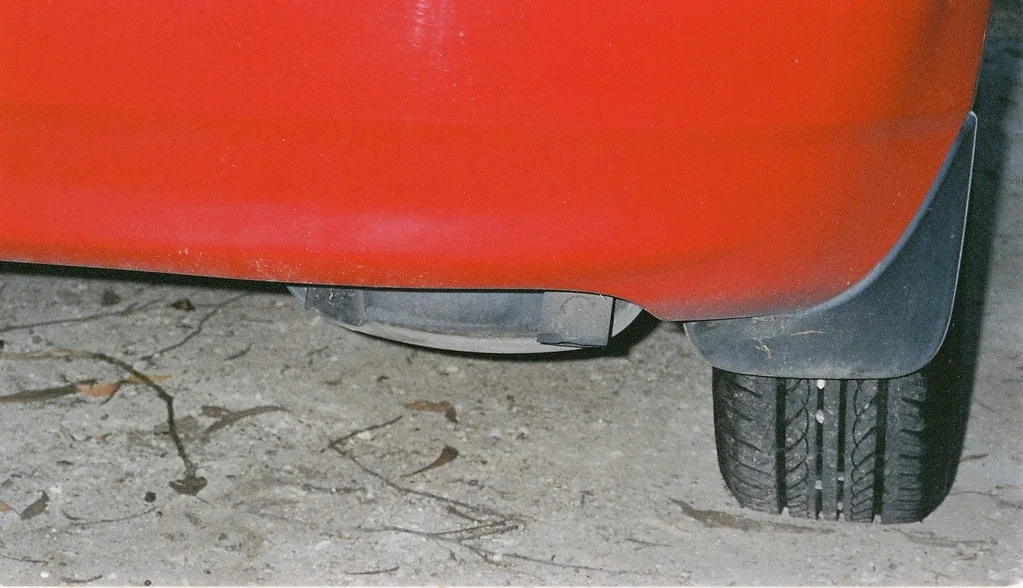
What is dual exhaust, and is it the same as true dual exhaust?
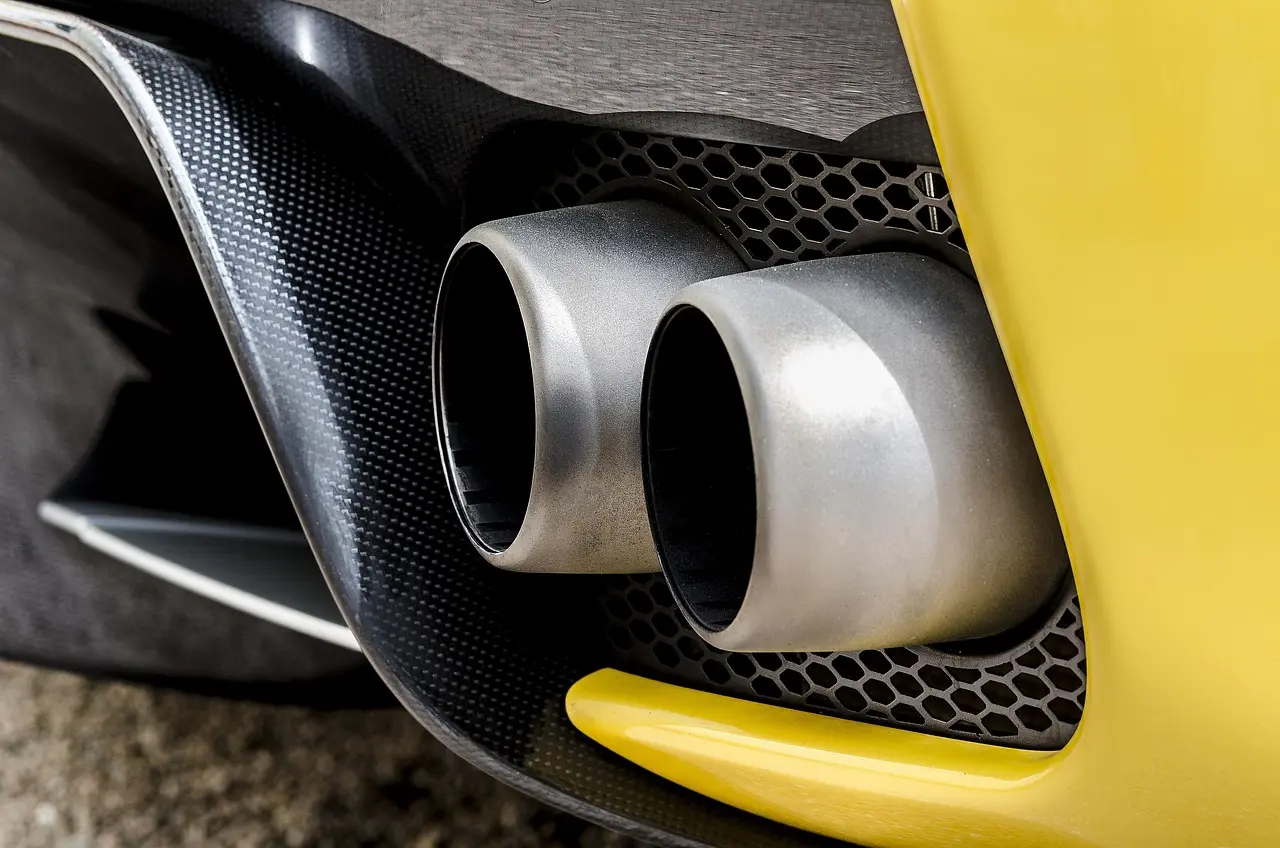
Dual exhaust means two outlets or two pipes downstream, but that does not always mean two fully separate exhaust paths. True dual exhaust keeps each bank on its own path, which is often used on V-type engines. Dual exit exhaust may simply split one exhaust stream to two tips for style and sound.
True dual exhaust on V-type engines
True dual exhaust is the classic setup for V6, V8, and other banked engines. Each bank gets its own routing, muffler path, and often its own catalytic converter layout. That can support higher airflow, but it also demands careful packaging, hanger placement, and ground-clearance planning.
Roush describes its axle-back as a visually striking dual-tip configuration and says its axle-back improves power and performance. That kind of rear section can change sound and appearance, but it does not automatically mean true dual exhaust with two independent flows.
Dual exit exhaust and split rear systems
Dual exit exhaust often means one stream exits through two tips. Many modern cars use this to create a sportier look without doubling the entire exhaust path. A split rear muffler can still be part of a single-path system upstream.
So two tips are not proof of two pipes. The only reliable way to tell is to trace the routing from the catalytic converter area back to the rear section.
Does dual exhaust make a difference on your engine?
Yes, but the difference depends on engine layout, displacement, and aspiration. Inline engines often do fine with a single exhaust because they do not have two banks to balance. V engines can benefit more from true dual routing, while turbo and diesel setups respond differently because their exhaust energy is tied to turbo drive or emissions hardware.
Inline engines versus V engines
Inline-four and inline-six engines often package a single path more cleanly. That can save weight and cost while preserving velocity. V6 and V8 engines have two banks, so dual routing can make more sense when output is high enough to use it.
Naturally aspirated, turbo, and diesel setups
Naturally aspirated engines often respond well to a well-sized single cat-back until airflow demand rises. Turbo engines care a lot about upstream pressure before the turbine, so the best layout depends on the turbocharger, downpipe, and overall calibration. Diesel exhaust vs gasoline exhaust also differs because diesel systems often have stronger emissions hardware and different flow needs, especially on late-model trucks and cars.
On diesel applications, the exhaust aftertreatment layout can limit how much the system may change. On gasoline engines, freer-flowing cat-back systems are common because they replace the system after the catalytic converter. That is why cat-back exhaust is often the first street upgrade people compare when weighing single versus dual.
Decision table: best exhaust layout by engine type and use case
| Engine type / displacement / use case | Best layout | Why it fits | Winner |
|---|---|---|---|
| Inline-4, 1.6L to 2.5L, daily driver | Single exhaust or mild cat-back | Keeps velocity up, saves weight, and avoids unnecessary pipe volume | Single exhaust |
| Inline-6, 2.7L to 3.5L, street and highway use | Single exhaust or well-sized single cat-back | Often enough flow for broad torque without extra routing complexity | Single exhaust |
| V6, 3.0L to 3.6L, mild performance build | Dual exit or moderate single with larger pipe diameter | Sound and style matter, but true dual may not add much power unless output is high | Tie |
| V8, 4.6L to 7.0L, higher-output naturally aspirated | True dual exhaust | Two banks can use the extra flow area and separate routing | Dual exhaust for power |
| Turbo four or turbo six, street use | Single exhaust after the turbo, sized to the turbo and target power | Layout depends more on turbine, downpipe, and catalyst location than on rear tip count | Single exhaust |
| Diesel truck, towing and daily use | Single or system-specific aftertreatment-compatible layout | Emissions equipment and packaging often matter more than dual tips | Single exhaust |
| True dual versus dual exit on any V engine | True dual for flow, dual exit for style | Two tips do not automatically mean two independent exhaust paths | Depends on goal |
Choose single exhaust if… / choose dual exhaust if…
Choose single exhaust if you want stronger gas speed, lower cost, easier packaging, or a quieter daily-driving setup. It is also the smarter pick when the engine is small to mid-size, the car is already torque-limited off idle, or the chassis has little room for extra routing.
Choose dual exhaust if the engine can use the added flow, the platform already supports it, or you want a deeper sound and more aggressive rear appearance. True dual is worth the added complexity when a V-type engine makes enough power to benefit from separate paths.
Choose dual exhaust for power when the system is built around real airflow needs, not around tip count. Choose single exhaust when the goal is better drivability, less weight, and fewer fitment headaches. Roush lists Mustang exhaust kits for model years 2005 through 2024, describes its exhaust as stainless steel, and notes easy installation with zero modifications on its axle-back; that kind of example shows how platform-specific the decision is.
Conversion costs, fitment, and emissions checks
Cat-back exhaust is a common street upgrade path because it replaces the system after the catalytic converter. That keeps the job simpler than a full-system change and avoids more invasive emissions hardware work in many cases. A true dual conversion can require new hangers, new routing, matched mufflers, and possible changes to the catalytic converter layout.
Practical conversion checklist
- Does the car have enough room for the extra pipe, muffler, and hangers?
- Will the new layout keep the catalytic converter arrangement legal for your area?
- Is the pipe diameter sized for the engine’s displacement and target rpm range?
- Will the change preserve ground clearance and clearance over axle, suspension, and subframe points?
- Are you changing a cat-back only, or opening the full system?
- Will the new mufflers or resonators keep drone and restriction in a sensible range?
- Does the chassis already have factory provisions for dual routing?
Roush says its delete X and H-pipes can provide up to 12 lbs. of weight reduction over stock. That kind of detail matters because weight, routing, and flow all move together. A dual conversion that adds mass and complexity may be the wrong answer if the engine never needed the extra flow in the first place.
Frequently asked questions
does dual exhaust make a difference
It can, but only when the engine needs the extra flow or the factory system is restrictive. On smaller engines or modest daily drivers, dual exhaust may mostly change sound and appearance. On higher-output V engines, the difference can be more meaningful if the pipes, mufflers, and catalysts are sized correctly.
what is dual exhaust
Dual exhaust means two outlets or two downstream pipes, but that does not always mean two fully separate paths. Some systems are true dual from the engine back, while others split into two tips near the rear. The layout matters more than the number of visible outlets.
what are true dual exhaust
True dual exhaust uses separate exhaust paths for each bank, which is most common on V-type engines. Each side usually gets its own routing and often its own muffler path. That can improve flow on engines that need it, but it adds routing, cost, and fitment complexity.
single exit vs dual exit exhaust
Single exit uses one outlet, while dual exit uses two tips or outlets at the back. Dual exit can be mostly cosmetic if the system still uses one primary exhaust path. Two tips do not automatically mean more horsepower or two independent flows.
does dual exhaust add horsepower
Sometimes, but only when the original system is limiting flow and the engine can use the added capacity. If the pipes are too large or the engine is small, the gain can be tiny or zero. In some cases, a well-sized single exhaust makes better real-world power and torque.
does true dual exhaust increase horsepower
It can on high-output V engines, especially where the stock system is restrictive. The benefit comes from better flow, not from the layout alone. If the engine is modest in output, true dual can add weight and cost without a useful gain in horsepower.
diesel exhaust vs gasoline exhaust
Diesel and gasoline exhaust systems are not built the same way because the engines, aftertreatment hardware, and tuning goals differ. Diesel setups often place more importance on emissions equipment and exhaust temperatures, while gasoline systems more often use cat-back changes for sound and moderate flow gains. That changes which layout makes sense.