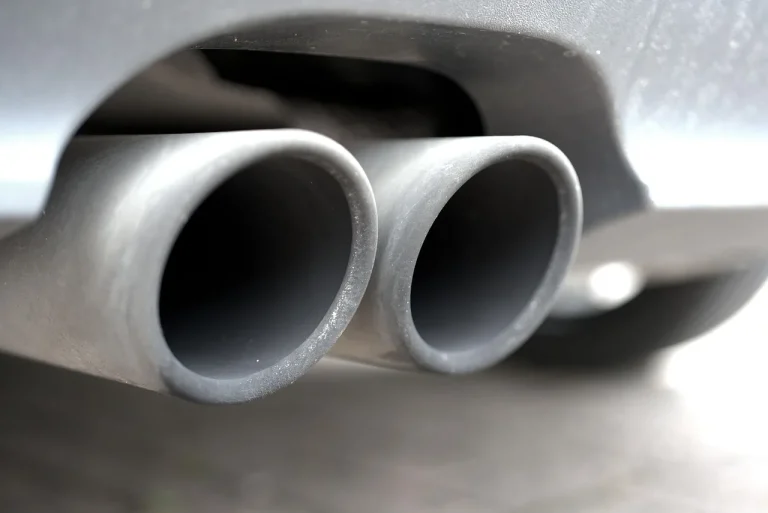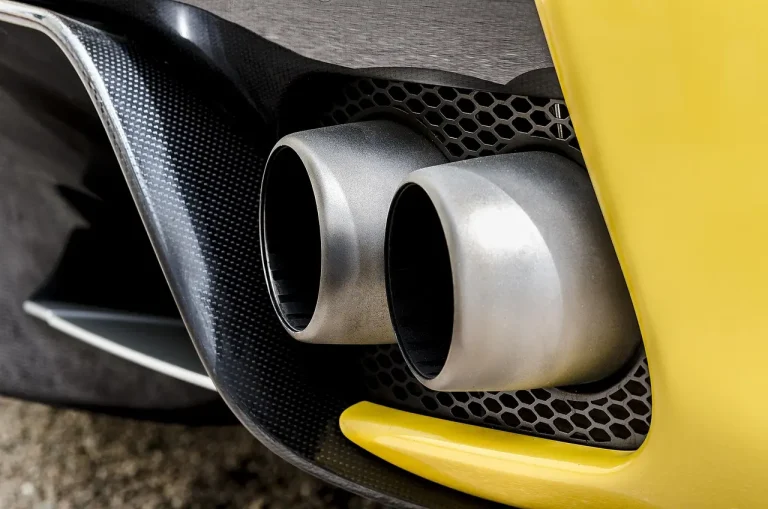
Single Exit vs Dual Exhaust for Diesel Trucks
For most diesel trucks, a single exhaust is the better pick for towing, packaging, and emissions fitment. Dual exhaust makes sense mainly when the truck has room, the engine makes enough power to use it, or you want the look and sound. A bad layout can add drone, complicate DPF/SCR routing, and spend money on parts that do little on the road. This guide compares noise, fitment, towing behavior, heat management, cost, and emissions compatibility.
| Decision factor | Single Exit | Dual Exhaust for Diesel Trucks | Winner |
|---|---|---|---|
| Packaging around diesel emissions gear | Usually easier to route around DPF, SCR, DEF tank, spare tire, frame crossmembers, and trailer hardware. | More routing choices to solve, especially with split pipes and rear bed hardware. | Single Exit |
| Weight and parts count | One muffler outlet or one primary exit, fewer parts, simpler routing. | Two outlets or mufflers, often more pipe, more hangers, and more mid-pipes. | Single Exit |
| Sound control | Usually easier to tune for calm towing noise with one muffler and shorter routing. | Can sound deeper and throatier, but may add drone if the system is poorly matched. | Single Exit |
| Appearance and symmetry | Simpler look. | Favored for aesthetic appeal and symmetry. | Dual Exhaust for Diesel Trucks |
| Flow potential on high-output builds | Strong enough for many stock and mild builds when pipe diameter and muffler are chosen well. | Can help when the engine output is higher and the routing is truly built for that demand. | Dual Exhaust for Diesel Trucks |
| Purchase and install cost | Generally much cheaper to purchase and install. | More expensive because of extra pipe, hangers, tips, and fitment labor. | Single Exit |
Single vs dual exhaust basics
Single exhaust usually means one muffler outlet or one primary exit, with simpler routing and fewer parts. Dual exhaust uses two outlets or mufflers. On diesel trucks, that difference changes fitment, emissions packaging, and service access far more than tailpipe count alone.
Single exhaust layout
A single exhaust system is often easier to package under a truck that already has DPF, SCR, and DEF hardware crowding the frame rails and underbody. It also tends to be lighter and lower cost. That matters on work trucks where repair time, road-salt corrosion, and underbody damage are part of ownership.
Dual exhaust layout
Dual exhaust can be a split system with one inlet feeding two outlets, or it can be built for symmetry with separate rear exits. It often adds weight and complexity because of the extra pipe, hangers, and mid-pipes. For diesel trucks, gains are not automatic; routing and system design decide the result.
True dual versus split dual
Some dual systems are configured as a true dual system. In a true dual system, each cylinder bank gets its own dedicated pipe. That matters most on V-engine layouts, where each bank can be served separately instead of merging and splitting again.
Diesel exhaust comparison table
The comparison that matters on diesel trucks is not only sound or looks. It is how the layout affects backpressure, heat management, emissions packaging, and service access under a frame that may already be crowded.
| Criteria | Single Exit | Dual Exhaust for Diesel Trucks |
|---|---|---|
| Flow and backpressure | Can flow well when pipe diameter, bends, and muffler design suit the engine. | Can support higher flow, but only if the whole system is designed for it. |
| Weight and complexity | Fewer parts and simpler routing. | More pipe, more hangers, and usually more mid-pipes. |
| Sound and routing | Usually easier to keep quiet and controlled for towing. | Often chosen for a deeper, throatier rumble and for visual balance. |
| Cost and maintenance | Generally cheaper to buy, install, and replace later. | Usually more expensive and more exposed to corrosion or road damage because there is more hardware. |
Flow and backpressure
Backpressure is influenced by the whole exhaust system, including pipe diameter, muffler design, bends, and mid-pipes, not only by whether the truck exits once or twice. Changing the exhaust system alters how the engine breathes, but that does not make dual automatically better. There is no universal power winner.
Weight and complexity
Single exhaust reduces weight. Dual layouts add parts and installation steps, which can matter on trucks that already carry heavy hitch gear, fuel, or work equipment. More pieces also mean more chances for rattles, clamp leaks, and hangers that need attention later.
Sound and routing
Muffler design changes sound character, resonance, and cabin drone more than outlet count alone. Dual setups often produce a deeper, throatier rumble, but that can help or hurt towing comfort. Mid-pipes in dual layouts add more routing decisions around the frame, tanks, spare tire, and emissions components.
Cost and maintenance
Single exhaust is generally much cheaper to purchase and install. Dual systems can cost more because they use more material and often more labor. In salt-belt regions, simpler stainless routing usually ages better than a long, complex arrangement with extra joints.
Diesel exhaust decision matrix
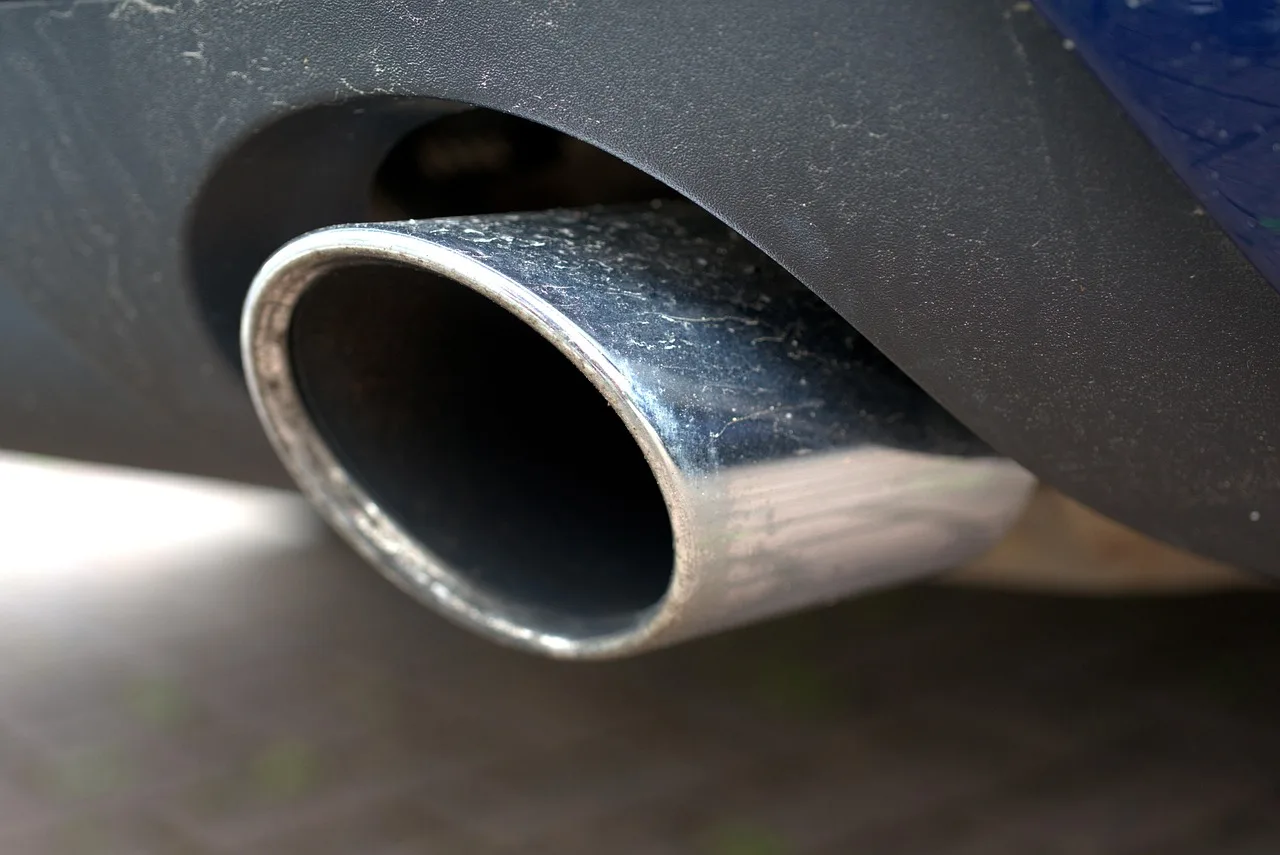
Use this matrix as a practical filter. The right answer changes with truck segment, turbo layout, towing frequency, and emissions hardware. A cosmetic dual tip does not override fitment or legality.
| Truck segment | Engine/turbo layout | Towing frequency | Emissions equipment present | Desired sound level | Clearance risk | Recommended layout | Note |
|---|---|---|---|---|---|---|---|
| Half-ton diesel | Single turbo | Occasional | Yes | Quiet | Medium | Single Exit | Easier fit around modern emissions hardware and still quiet enough for daily use. |
| Half-ton diesel | Single turbo | Rare | Yes | Medium | Low | Dual Exhaust for Diesel Trucks | Choose it mainly for appearance when packaging is easy and the truck is not doing hard work. |
| Three-quarter-ton | Single turbo | Frequent | Yes | Quiet | High | Single Exit | Better for trailer clearance, underbody protection, and easier routing past DEF and frame hardware. |
| Three-quarter-ton | Single turbo | Frequent | Yes | Moderate | Medium | Single Exit | Flow can still be handled with correct pipe diameter and muffler choice without added bulk. |
| Three-quarter-ton | Sequential turbo | Moderate | Yes | Moderate | Medium | Single Exit | Packaging is usually the bigger issue than outlet count on a work truck. |
| One-ton crew cab dually | Single turbo | Frequent | Yes | Quiet | High | Single Exit | Heavy towing and underbody clutter usually favor the simpler layout. |
| One-ton crew cab | High-output single turbo | Occasional | Yes | Moderate | Low | Dual Exhaust for Diesel Trucks | More suitable when the build genuinely needs more flow and there is room for clean routing. |
| One-ton performance build | V-engine, twin-turbo | Rare | No | Loud | Low | True dual | Dedicated banks can make sense when the platform is set up for it. |
| Older diesel pickup | Single turbo | Frequent | No | Quiet | High | Single Exit | Simpler routing reduces rust-prone joints and keeps service straightforward. |
| Lifted diesel truck | Single turbo | Rare | Yes | Medium | Low | Dual Exhaust for Diesel Trucks | More acceptable when clearance is not a problem and the owner wants symmetry. |
| Work truck with side steps | Single turbo | Frequent | Yes | Quiet | High | Single Exit | Side and rear exit planning matters more than style here; heat and step clearance come first. |
| Heavy tow rig with custom turbo setup | V-engine, high output | Frequent | Maybe | Moderate | Medium | True dual | Only when the chassis, turbo layout, and emissions rules all support that routing. |
Does dual exhaust improve towing on a diesel?
Dual exhaust can help towing only when the truck truly needs the extra flow and the system is designed for that load. It does not improve towing because it has two exits. On many diesel trucks, a single exhaust is still the better towing choice because it packages better and keeps heat management simpler.
Heat management under load
Towing puts more attention on exhaust heat, especially near trailers, hitches, steps, and underbody components. Side exit versus rear exit matters here. A rear exit can keep exhaust away from the bed side, while a side exit may need more care to avoid heat near trailer surfaces or step mounts.
Pipe diameter and flow demand
Pipe diameter affects flow and packaging. Larger pipe is not automatically better, because oversized routing can complicate fitment and may not suit the engine’s airflow needs. For a tow-focused diesel, the better answer is often a properly sized single system instead of extra pipe that adds bulk without solving a real restriction.
Trailer clearance and exit placement
Exit layout matters more than many buyers expect. Rear exit systems can keep heat and soot away from side steps, but they can also sit near trailer hardware if poorly placed. Side exit systems may solve bed clearance, yet they can expose the pipe to curbs, ruts, and trailer-related heat concerns.
If a three-quarter-ton diesel tows a heavy trailer twice a week and already carries DPF and SCR hardware along the frame, the rear-exit layout is often the cleaner fit. A single rear-exit system with correct pipe diameter is usually the cleaner answer, because it leaves more room for the emissions equipment and the hitch area.
Will a single exhaust make my diesel truck louder?
A single exhaust can sound louder or quieter depending on the muffler, pipe length, bends, and exit location. It is not louder by default. On a diesel truck, a well-chosen single system may be easier to tune for low drone than a poorly matched dual setup with extra resonance.
Muffler choice and tone
Muffler design matters more than outlet count alone. Baffles, internal volume, and exit routing shape the tone you hear inside and outside the cab. A single setup with the right muffler can stay controlled, while a dual setup with a poor muffler choice can drone at highway speed.
Drone versus exterior noise
Drivers often care more about drone than about loudness outside the truck. A deeper note can sound good at idle and still become tiring under steady throttle. Dual setups often produce a deeper, throatier rumble, but that is not the same as being better for long highway pulls.
Rear exit versus side exit
A rear exit often keeps noise and soot farther from the cab side, while a side exit can feel sharper outside the truck and may change where sound reflects. On diesel trucks with trailers, a side exit also asks for more caution around hot exhaust and step placement.
What is true dual exhaust?
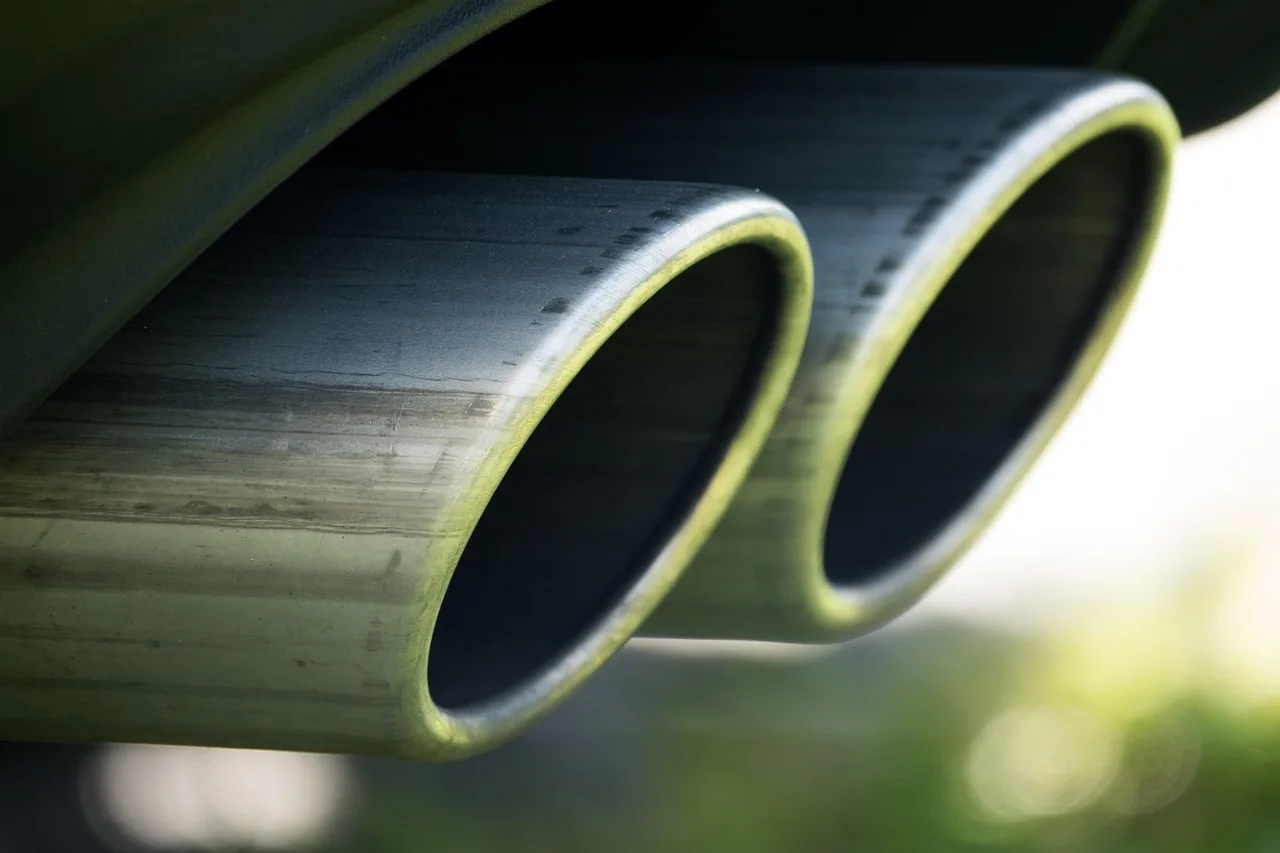
True dual exhaust means each cylinder bank gets its own dedicated pipe. That is different from a split system that merges and then splits again for appearance. On a V-engine diesel, true dual routing can make sense when the chassis, emissions equipment, and turbo layout all support it.
V-engine routing
True dual exhaust is most relevant on V-engine layouts, since each bank can often be routed separately. That arrangement is about flow path and engine architecture, not just how many tips you see at the rear. If the system only splits after a merge, it is not the same thing.
Dedicated banks versus merged systems
A split dual setup may look like true dual from the outside, but the internal routing tells the real story. If the exhaust merges first, then splits again, the system is being used for appearance or packaging, not dedicated bank separation. That distinction matters when comparing cost and actual flow behavior.
When true duals make sense
True duals make sense mainly on high-output, V-engine diesel builds with enough space to route two complete paths. They are not the default answer for a towing pickup with DPF, SCR, and a full-size spare underneath. In many trucks, the extra hardware buys more complexity than benefit.
Picture a one-ton diesel with a V-engine, a custom turbo setup, and ample underbody clearance. True dual routing can be justified there if the rest of the system is built around that choice. The same idea on a stock tow rig often creates more packaging problems than power gain.
Choose Single Exit if… / Choose Dual Exhaust for Diesel Trucks if…
Choose Single Exit if your truck tows often, already has crowded underbody emissions hardware, or needs the simplest route past the frame, DEF tank, spare tire, and hitch area. Choose Dual Exhaust for Diesel Trucks if you have room, want the symmetry and deeper tone, and your engine output and routing actually justify the added parts.
Choose single exit if…
- You tow frequently and want fewer clearance problems around trailers and steps.
- Your truck has DPF, SCR, and DEF packaging that limits route options.
- You want lower cost, lower weight, and simpler maintenance.
- You care more about calm towing comfort than rear-end symmetry.
Choose dual exhaust for diesel trucks if…
- You want the visual balance of two exits and have room to fit them cleanly.
- Your build has enough output to justify the extra flow capacity.
- You are willing to accept added cost, weight, and installation complexity.
- You can route the system without creating trailer, step, or road-damage problems.
Choose true dual exhaust if…
- You have a V-engine diesel and the chassis can support dedicated bank routing.
- The build is high-output and designed for more than stock towing duty.
- You are solving a real flow or layout need, not only aiming for a look.
- Emissions legality and underbody packaging still work with the design.

- Dual stack T-pipe kit included
- Mandrel-bent tubing is built for maximum flow
- Fits many truck makes by inlet sizing
Frequently asked questions
Single vs dual exhaust
Single exhaust is usually the cleaner pick for diesel trucks that tow, haul, or run with emissions hardware under the frame. Dual exhaust is more about appearance and sound unless the truck has the space and airflow demand to benefit from it. The better choice depends on fitment, not outlet count.
Dual exhaust vs single exhaust
Dual exhaust can give a deeper note and a more balanced rear look, while single exhaust is generally lighter, cheaper, and easier to route. On diesel trucks, the practical winner is often single because it fits around DPF, SCR, and hitch hardware with fewer complications.
Dual vs single exhaust system
The main difference is routing and hardware count. A dual setup uses two outlets or mufflers and may include more mid-pipes, while a single setup uses one primary exit. Performance still depends on pipe diameter, muffler design, bends, and engine layout.
Side exit vs rear exit exhaust
Side exit can simplify some truck layouts and clear the rear bumper area, but it may put heat and sound closer to steps, trailer sides, or roadside obstacles. Rear exit keeps exhaust farther from the bed side and is often easier to live with on tow rigs.
What are true dual exhaust?
True dual exhaust means each cylinder bank gets its own dedicated pipe. That is different from a split dual system that merges and then splits again for appearance. It is most relevant on V-engine diesel trucks with enough room to run two separate paths.