Best Daily Driver Exhausts (2026): Based on Specs and Reviews
For a daily driven car, the best exhaust setup is usually a resonated cat-back with a moderate muffler and stock catalytic converters, or an axle-back if you want the safest bet for low drone and easy legality. A poor setup can bring highway boom, cabin fatigue, unwanted attention, and fitment problems that cost more to fix than the parts saved. This guide compares the best daily-driver exhaust setups by sound, drone, durability, legality, and install effort.
Quick comparison
| Product | Badge | Best for | Price | ||
|---|---|---|---|---|---|
 | Cat-Back ExhaustMopar | Our pick | Cat-Back Exhaust · Mopar · Performance Upgrade | $1,935.82 Price as of 20 Oct 2026 | View |
 | Exhaust Muffler and Tail Pipe System Kit Compatible withNortheastern Exhaust | Also great | Stainless Steel · Direct-Fit · Toyota FJ Cruiser | $243.82 Price as of 20 Oct 2026 | View |
This quick comparison is for daily use, not peak dyno numbers. The split is straightforward: cat-back for the best balance, axle-back for the mildest change, and valved systems for drivers who want quiet weekdays and louder weekends.
How we chose
The decision comes down to five things: commute type, cabin noise tolerance, local enforcement risk, pipe diameter, and fitment by make, model, and year. Street durability also matters, so material grade, muffler design, and whether the system keeps factory catalytic converters all count.
We compared the common daily-driver setups by how they change sound, whether they add drone at cruise, how much install work they usually require, and how likely they are to fit without fabrication. Where a product claim is specific, it is taken from the published details, not from broad marketing language.
The safest pattern is the one that matches your use case. A setup that sounds great for a short run can be tiring on a 40-mile commute.
Cat-back exhaust: best for most drivers
- Genuine Mopar cat-back exhaust system
- Designed specifically for vehicle fitment
- Quality aftermarket exhaust component
A cat-back is usually the best all-around choice for a daily driver because it replaces piping from the catalytic converter back and keeps the biggest changes in the part of the system that most affects tone, flow, and fitment. It is often the right balance if you want a clear sound change without jumping straight to a loud, drone-prone setup.
That makes it the strongest default pick for street cars. The Mopar Cat-Back Exhaust is a direct example of this type, and the published details identify it as a genuine Mopar cat-back exhaust system designed specifically for vehicle fitment. That matters because bolt-on fitment usually saves time and reduces surprise issues.
The drawback is cost. Cat-backs usually cost more than rear-section upgrades, and the sound change is still limited by the rest of the exhaust path, especially the catalytic converter and the rest of the factory tuning.
What it changes from the catalytic converter back
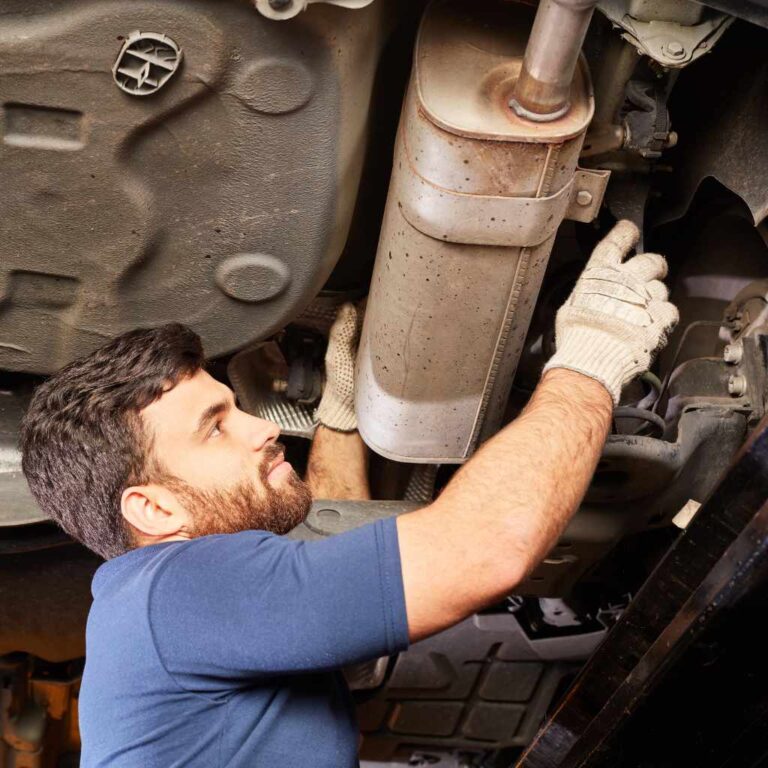
A cat-back configuration replaces the exhaust after the catalytic converter, which means the system changes the path, diameter, muffler layout, and tail section without touching the emissions equipment. That is why it is so common on street cars: it is easier to install than a full custom system and less likely to trigger emissions concerns than a setup that changes the catalytic converter section.
Most bolt-on cat-backs are built for direct replacement. The source guide also notes that bolt-on or direct-fit designs reduce fabrication needs, which is one reason they are favored for daily use.
Sound, flow, and street fitment
Cat-backs can improve tone and modestly improve flow, and the guide says exhaust upgrades can improve horsepower, torque, and overall exhaust tone. The key word is modestly. On a street car, the gain depends on engine airflow, calibration, and how restrictive the original system was.
Mandrel-bent piping matters here because it keeps a smoother diameter through bends. That helps flow more consistently than crush-bent sections, especially when the system is trying to keep noise down without choking the engine.
For materials, stainless steel 304 and 409 are the main choices for durability in road salt and moisture. A stainless system is usually the better long-term call for a daily driver, while a less expensive build may make sense if the car lives in a mild climate.
When it is worth the money
Choose a cat-back if you drive often, want a cleaner sound than stock, and care about highway comfort. It is also a strong choice if you plan to keep the car for years and want a fitment-first upgrade rather than a one-season loud setup.
Suppose your commute is 30 miles each way, includes steady highway speeds, and you share the car with another driver. A cat-back with a resonator is usually safer than a louder rear-only delete, because it gives you a controlled tone without turning every cruise into boom.
Axle-back exhaust: best for mild sound
- Compatible with Toyota FJ Cruiser 2007-2014 4.0L
- Constructed from durable 409 grade stainless steel
- Includes gaskets, hangers, and bolt kit
An axle-back is the better move when you want a smaller sound step, lower cost, and a simpler install. It replaces only the rear section, so it usually changes tone more than performance and is often the least risky upgrade for drivers who want a mild character change.
The Northeastern Exhaust kit for the Toyota FJ Cruiser is a good example of this approach. It is listed as a direct-fit replacement, includes gaskets, hangers, and a bolt kit, and uses 409 grade stainless steel. That combination points to easier installation and better durability than a low-grade replacement part.
The drawback is simple: limited performance gain versus a full cat-back. You get less flow improvement because more of the original system stays in place.
Why it is the cheaper route
Axle-back systems leave the forward piping alone and replace the rear muffler and tail section. That reduces material cost and often shortens install time. For many daily drivers, that is enough, because the main goal is a better tone, not a wholesale change to exhaust flow.
This is where budget matters. If the car already has a decent factory layout, a rear-section change can be a sensible way to improve the sound without paying for parts you do not need.
What you give up versus a cat-back
You give up flow improvement, flexibility, and usually some tone control. A rear-only setup changes the voice of the car, but it rarely transforms the driving feel the way a cat-back can, and it does not correct a poor factory pipe layout ahead of the axle.
There is also a ceiling on sound quality. If the original system has a restrictive midsection or a droning cabin resonance, an axle-back may not solve it. In some cases, it simply makes the exhaust louder in the rear while leaving the problem frequency intact.
Best use cases for commuters
Use an axle-back if you want mild sound, minimal legal risk, and a straightforward install. It fits best on commuters who drive in town, keep the car close to stock, and do not want to hear drone at every steady-speed road section.
A common first-timer mistake is assuming a louder rear muffler automatically equals a better daily setup. If the commute includes long freeway stretches, a mild rear-section change is usually safer than an aggressive full system with no resonator.
Valved exhaust: best for mixed use
A valved exhaust makes sense when your driving changes from day to day. It gives you quiet commuting when the valve is closed and a louder setting when you want more sound, which suits mixed city and highway use, shared drivers, or strict neighborhood noise concerns.
The peastorm kit is described as a 2.5 Inch Valved Muffler Kit with a remote-controlled valve system and loud and soft modes. That kind of setup is built around flexibility, not maximum noise all the time.
The drawback is added complexity. More moving parts mean more cost, more wiring or control hardware, and more fitment planning than a plain bolt-on rear section.
How valve control changes volume
Valve control changes the exhaust path. In soft mode, the system routes gas through a quieter path; in loud mode, it opens a less restricted path for more sound and often a sharper tone. That is the main advantage of a valved system: the same car can be calm on a Monday and louder on a weekend drive.
For daily use, that flexibility is valuable because sound tolerance changes by route and time of day. One setup can cover both needs instead of forcing you to pick a permanent middle ground.
Who benefits most from adjustable sound
Drivers who split time between dense city streets and open highway usually get the most value from a valved system. So do people who park in shared housing, leave early in the morning, or want to reduce cold-start annoyance without giving up a louder setting later.
If local enforcement is active around modified exhausts, a valved system can also reduce risk by letting you stay quiet in traffic and around neighborhoods. That does not erase legal concerns, but it gives you more control over when the car is loud.
Tradeoffs in cost and complexity
Valved systems cost more and can be harder to package cleanly. They also require you to think about power, controls, valve durability, and whether the system is designed well enough to avoid rattles or leaks.
They are not the first answer for every commuter. If your priority is simple reliability and low hassle, a non-valved cat-back or axle-back is still the safer choice.
Daily driver exhaust setup matrix
The right choice changes with commute type, noise tolerance, and enforcement risk. This matrix separates the setup type from the use case so you can match the system to your situation instead of shopping by sound clip alone.
| Daily-driver scenario | Pipe diameter range | Likely sound change | Drone risk | Install complexity | Emissions risk | Best-fit vehicle use case |
|---|---|---|---|---|---|---|
| Long highway commute, low noise tolerance | Near stock to moderate | Small to moderate increase | Low if resonated | Low to moderate | Low if cats stay factory | Comfort-first commuter, family car |
| Mixed city and highway, wants quiet weekday use | Moderate | Adjustable from mild to loud | Low in quiet mode, medium if open | Moderate to high | Low if catalytic converters remain | Shared driver, flexible weekend use |
| Short city commute, moderate sound tolerance | Moderate | Mild to clear tone change | Low to medium | Low | Low if direct-fit and cat-back | Daily street car, easy upgrade path |
| Budget repair or mild cosmetic change | Factory-like | Small change, mostly tone | Low | Low | Low if replacement matches OE layout | Older commuter, simple replacement |
| High enforcement risk, strict neighborhood rules | Conservative | Smallest safe change | Lowest when resonated | Low | Lowest when emissions equipment stays intact | Apartment parking, early-morning use |
Pipe diameter is where many daily builds go wrong. Too large can hurt low-end response, make the car sound hollow, and increase drone. Most street cars do better with moderate sizing than with a big pipe chosen only because it looks aggressive.
Say your car is a four-cylinder commuter that sees mostly stop-and-go traffic. A huge exhaust can reduce the sense of urgency off the line and make the cabin noisier at the same time, which is the opposite of what a daily setup should do.
Pipe size, muffler style, and material in plain terms
Pipe diameter should match engine airflow needs. If the system is oversized, exhaust velocity drops and low-speed response can suffer. That is why a daily driver usually needs moderate sizing, not the largest pipe that will physically fit under the car.
Muffler design matters just as much. Straight-through mufflers usually flow well and can sound deeper, chambered mufflers can give a more defined muscle-car tone but may add cabin resonance, and resonated systems help remove harsh frequencies and cruise boom.
Material choice is the next filter. Stainless steel 304 is a strong durability pick for wet climates and salted roads, while 409 grade is still a common stainless option for street systems. The guide also notes one replacement using 100% aluminized construction, which can be a cheaper choice but usually has less corrosion resistance than stainless.
Fitment, legality, and the catalytic converters
Fitment by make, model, and year is essential. A system can have the right sound goal and still be a poor buy if the hangers, bends, or tip position are wrong for your car.
Legality also matters. The MagnaFlow Street Series is described as a Cat-Back System and 50-state legal, which is the kind of detail you want to see when emissions compliance is a priority. If a system changes or removes catalytic converters, the legal risk rises quickly.
For daily driving, the safest path is usually to keep the factory catalytic converters and choose a system designed around that layout. That keeps the emissions side cleaner and usually simplifies inspection concerns.
Which one should you buy?
Pick a cat-back if you want the best daily setup overall. Pick an axle-back if you want the lowest-cost change with the least drama. Pick a valved exhaust if your driving shifts between quiet and loud and you are willing to pay for control.
If budget is tight, start with axle-back. If your commute is mostly highway, choose a resonated cat-back with conservative diameter. If you drive early, park near neighbors, or share the car, the valved setup is the most adaptable.
For weather, choose 304 stainless when salt and moisture are routine. Choose 409 stainless when you want a durable street material at a more moderate cost. Avoid chasing the biggest pipe unless the engine and tuning truly call for it.
When the system must stay quiet, prioritize resonators and a milder muffler over a large tip or a loud chambered layout. A polished T304 stainless steel tip can finish the look, but the muffler and pipe path still do the real work.
How to choose
- Start with your commute. Highway miles call for lower drone and a resonated layout.
- Set your noise tolerance. If you want only a small change, choose axle-back. If you want balance, choose cat-back.
- Check local enforcement and emissions rules before you buy. Do not assume a louder system is street-friendly.
- Match pipe diameter to the engine, not the trend. Moderate sizing is the safer daily choice.
- Choose muffler style for tone and cabin comfort. Straight-through, chambered, and resonated all behave differently.
- Pick 304 or 409 stainless for corrosion resistance if the car sees salt, rain, or winter roads.
- Verify fitment by make, model, and year, and confirm whether the system keeps factory catalytic converters.
Another common mistake is buying for sound clips alone. A clip can hide drone, cold-start bark, and highway fatigue. Those problems show up later, when the novelty wears off and the commute starts.
Frequently asked questions
What is the best exhaust?
For most daily drivers, the best exhaust is a resonated cat-back with moderate diameter and stock catalytic converters. It gives you the best balance of sound, flow, legality, and comfort. If you want only a mild tone change and the lowest risk, an axle-back is the safer, simpler choice.
Is there a good car exhaust system?
Yes. A good car exhaust system for daily use is one that fits your commute and noise tolerance, not just one that sounds loud. The better systems use the right pipe size, a well-chosen muffler, and direct-fit hardware. Fitment and emissions compatibility matter as much as sound.
What exhaust fits my car
The exhaust that fits your car is the one built for your exact make, model, and year, with the correct engine and drivetrain layout. Some systems are direct-fit cat-backs or axle-backs, while others need adaptation. Always confirm hanger locations, tip placement, and whether the system keeps factory catalytic converters.
Does a exhaust improve performance?
An exhaust can improve horsepower, torque, and overall exhaust tone, but the gain is vehicle-specific and usually modest on a street car. The biggest benefits come when the factory system is restrictive or poorly tuned. Too-large piping can hurt low-end response, so bigger is not always better.
What does a exhaust do?
An exhaust routes spent gases out of the engine, shapes the sound you hear, and helps control backpressure and flow. On a daily driver, the design also affects cabin comfort, cold-start volume, and cruise drone. Muffler choice, pipe diameter, and resonators determine most of the character.