

Single vs Dual Exhaust Tips: Which Is Better for You?
Single exhaust tips work best when your bumper has one outlet and the exhaust exits once. Dual tips make sense only if the rear bumper, hanger layout, and pipe routing can fit them without fake spacing or heat problems. Pick the wrong setup and you get misalignment, rattles, or a rear end that looks cheap. This guide compares fitment, appearance, and the small performance differences between single and dual exhaust tips.
Single vs dual exhaust tips: the core trade-off
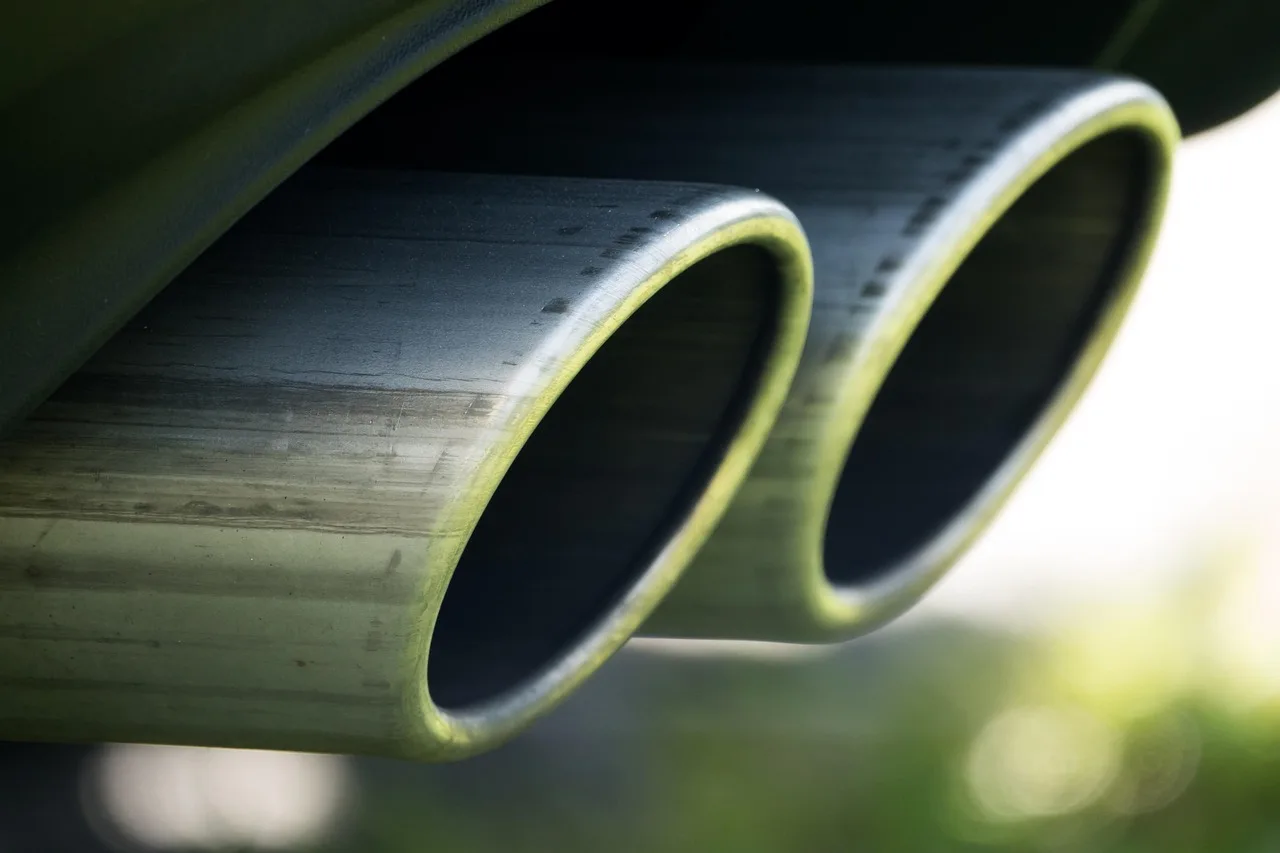


The real choice is not “which looks better” in the abstract. It is whether the rear of the vehicle has enough space, symmetry, and exit routing to support one outlet or two without forcing the tip into a space it does not belong in.
Single exhaust tips are one outlet with a clean, understated appearance. Dual exhaust tips have two outlets or split outlets, and says that creates a more aggressive look. That visual difference matters most when the bumper opening, diffuser shape, and rear valance are already designed for it.
Fitment decides the better choice more often than style does. A single wall tip can be easier to place in tight space, while dual wall tips take up more room and need clearance behind the opening.
| Factor | Single | dual exhaust tips: which is better | Winner |
|---|---|---|---|
| Appearance | Clean, elegant, understated; cleaner rear finish | More aggressive, sportier, more visual presence; can look intentional on wider rear ends | dual exhaust tips: which is better |
| Fitment risk | Lower on small openings and narrow rear valances; easier in tight space | Higher when the bumper opening is short, curved, offset, or lacks clearance behind the opening | Single |
| Installation complexity | Usually simpler, especially on OEM single-exit layouts | More routing and spacing to verify, especially for split outlets and when rear routing must be changed | Single |
| Maintenance and soot visibility | Less surface area to clean; simpler to wipe down | More visible outer surfaces and more places for soot buildup to show; soot can be more obvious | Single |
| Best-fit use case | Daily drivers, compact cars, understated OEM-plus builds, sedans with narrow packaging | Performance trims, larger vehicles, trucks, SUVs, and rear ends designed for wider visual balance | Tie |
| Performance / sound impact | Tip choice by itself has little direct effect on sound or horsepower | Tip choice by itself has little direct effect on sound or horsepower; full dual systems can matter only when the whole system is designed for it | Tie |
| Cost / installation effort | Cost-effective and easier to install; asks less of the hanger layout and rear bumper space | Can be more involved and may require modified routing or support to create symmetry | Single |
Appearance and visual balance
Single exhaust tips fit vehicles that need a cleaner rear finish. calls that look clean and elegant, which suits daily drivers and smaller sedans better than a wide dual layout. Dual tips work when the rear bumper has enough width to hold the extra visual mass.
On a compact car, dual tips can look crowded fast. On a truck, SUV, or sport sedan with a broad rear valance, the same layout can look intentional instead of forced.
Fitment risk and bumper opening size
Fitment is where most bad choices show up. Exhaust tip fitment depends on inlet and outlet dimensions, bumper clearance, and the actual length and width of the tip body, not just the visible opening.
A split or dual-wall tip may need more space behind the bumper than a simple single-wall piece. If the opening is shallow or the rear valance is sculpted tightly around the outlet, a dual look may require trimming, repositioning, or a different tip shape.
Maintenance and soot visibility
More surface area usually means more cleaning. Dual tips, especially on diesel vehicles, can make soot more obvious because there is more bright metal exposed around the outlet edges.
Single tips are simpler to wipe down. A stainless steel finish resists corrosion well, while carbon fiber tips need gentler cleaning because the outer layer is more delicate and is often paired with a stainless structure underneath.
Expected cost and installation complexity
says a single exhaust system is cost-effective and easier to install, and that logic carries into many tip choices on stock-style layouts. A single tip usually asks less of the hanger layout and rear bumper space.
Dual tips can be more involved when the system is being modified to support the look. That is especially true if the rear routing has to be changed to center the outlets or create symmetry.
Are dual exhaust tips better for your car?
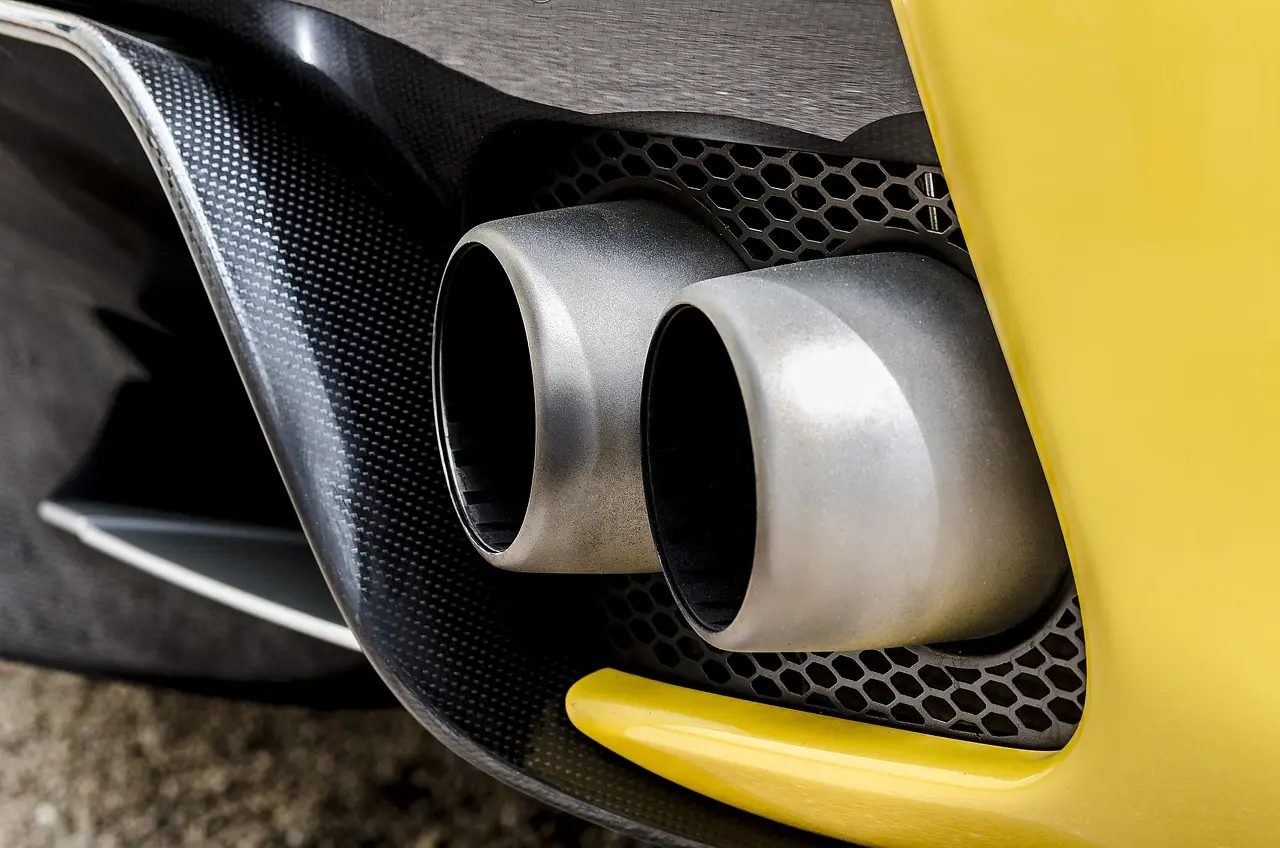
Dual exhaust tips are better only when the rear end has the space and the vehicle type supports the look. They suit larger vehicles, sport trims, and some trucks and SUVs, but they can look forced on compact sedans or cars with narrow bumper openings. The right answer depends on proportion, not hype.
Sedans and compact cars
Single tips usually fit these vehicles best. notes that single exit pipes are typical dealer-installed exhaust, and that is common because the rear packaging is usually simple and narrow.
Dual tips on a small car can add visual weight and make the rear end look busy. If the bumper cutout is short or offset, the result often looks aftermarket in the wrong way.
SUVs and crossovers
Dual tips can work well on SUVs and crossovers when the rear bumper has a wide center section or a balanced diffuser area. The extra width can help the vehicle look proportionate instead of empty.
If the rear valance is plain and tall, a single larger tip may look more controlled. That can be the better choice when you want a factory-style finish.
Trucks and diesel applications
Dual tips are often a better visual match on trucks because the rear opening and frame height can support larger hardware. Diesel vehicles also often show soot more clearly, so the finish and wall style matter more than on a gasoline commuter car.
Still, dual should not mean crowded. A wide tip set that sits too close to the bumper can discolor paint or trim if clearance is poor.
Performance cars and sport trims
Dual tips fit naturally on performance cars and sport trims when the rear fascia is shaped for them. says two rear exits are sportier and give a more complex note, but that is about the system behind the tips as much as the tips themselves.
If the car already has a dual-exit bumper or diffuser, dual tips usually make sense. If not, the look can feel added on rather than integrated.
Do exhaust tips affect sound or horsepower?
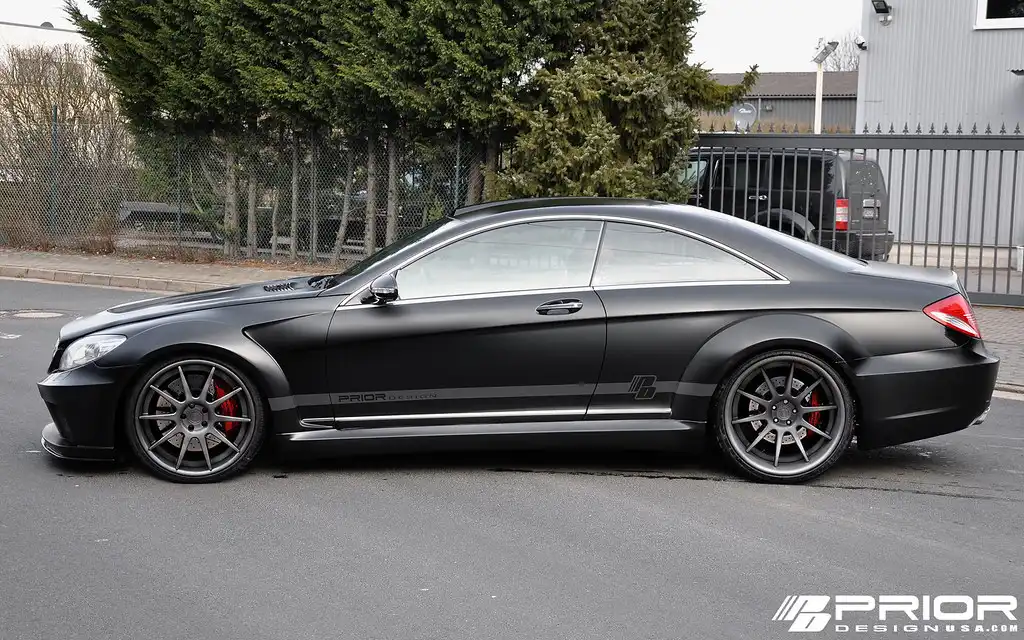
Exhaust tips can change the visual presentation at the tail of the car, but they do not directly create the kind of sound or power change people often expect. In my experience, tip choice by itself usually has little direct effect on exhaust sound, and any horsepower change tends to come from the full exhaust setup rather than the tip alone.
What tips can change
Tips can slightly alter the way the exhaust note reflects at the outlet, but that is not the same as a meaningful sound change from the muffler, resonator, or pipe diameter. A larger-looking tip may seem louder because it looks more open, not because it is doing the heavy lifting.
Tip shape also changes packaging. A dual-wall tip can make the rear end appear fuller, while a single-wall tip keeps the finish simpler.
What the muffler and piping change
Sound and flow are mainly controlled by the muffler, resonator, pipe routing, and catalytic converter layout. That is where exhaust back pressure matters, because back pressure is resistance to exhaust flow through the whole system.
A single exhaust system uses one pipe to route exhaust gases out, while a dual exhaust system uses two separate pipes and can reduce back pressure in some setups. links that kind of layout to improved power and fuel performance, but only when the whole system is designed for it.
Where single vs dual systems matter more than the tips
says two-pipe systems are more effective at expelling gases, which is why full dual exhaust can matter on the right vehicle. That is a system-level effect, not a tip-level effect.
If your goal is more sound or more power, the money belongs in the exhaust system design first. The tip choice should follow the layout, not try to substitute for it.
Decision matrix for single vs dual tips

The best tip choice depends on segment, opening size, and how much visual mass the rear end can support. This matrix ties those pieces together so you can choose the right look without creating fitment problems.
| Vehicle segment | Bumper opening and diffuser clearance | Visual balance and rear-end proportion | Fitment risk and likely outcome | Simple recommendation |
|---|---|---|---|---|
| Sedan | Often narrow or single-cut opening | Single keeps the rear end tidy | Low risk with single; moderate to high with dual | Choose single unless the bumper was designed for duals |
| Compact car | Usually limited rear valance depth | Dual can look oversized fast | Low risk with single; high risk of awkward spacing with dual | Choose single wall, single outlet |
| SUV / crossover | Often enough width for a wider exit | Dual can balance a broad rear fascia | Moderate risk; depends on bumper cutout shape | Choose dual if the opening is wide and centered |
| Truck | Typically more rear clearance | Dual often suits the scale of the vehicle | Moderate risk if exit angle or hitch space interferes | Choose dual when clearance and heat spacing check out |
| Diesel | Clearance varies with soot and thermal load | Dual can look appropriate on larger chassis | Moderate risk; finish and cleaning matter more | Choose stainless dual tips if the rear opening allows it |
| Performance car | Often designed for dual exits or a diffuser | Dual usually looks integrated and purposeful | Low risk when the bumper already supports it | Choose dual when the layout is factory-like or performance-driven |
For a sedan with a centered single exit under a narrow valance, a wider dual outlet tip may sit close to the bumper edge, which can make the rear end look crowded and leave limited room for heat clearance. A single wall tip keeps the look neat and avoids that problem.
Suppose your truck has a wide rear opening and a factory dual-exit cutout. In that case, dual stainless tips can fill the opening properly and look proportional, while a single small tip can seem undersized against the rest of the vehicle.
How to choose the right exhaust tip style for your car
Start with measurements, not style. The right tip has to match the inlet, outlet, length, width, and the space left by the rear valance, especially if the bumper opening is close to the bodywork.
- Measure the pipe inlet diameter where the tip clamps or welds on.
- Measure the visible outlet width and height that will fit inside the bumper opening.
- Check rear valance depth so the tip does not sit too far in or stick out too far.
- Confirm clearance around the bumper cover, diffuser, spare tire area, and any heat-sensitive trim.
- Match wall style to the look you want: single wall for simple fitment, dual wall for a thicker face.
- Choose stainless steel for corrosion resistance or carbon fiber for a more distinctive visual style.
Dual wall tips look fuller because the outer shell adds thickness, but they also take more space. Single wall tips are lighter and usually easier to fit, which is why they work well for OEM-plus builds.
Fitment checklist
- Does the vehicle have one outlet or two?
- Is the bumper opening centered or offset?
- Is there enough rear valance depth for the chosen tip length?
- Will the tip clear the bumper cover under engine heat?
- Does the tip shape match the diffuser or lower trim?
- Will the finish suit the expected cleaning needs?
Stainless steel is the safe default for most climates because it resists corrosion well. Carbon fiber tips can look upscale, but they need more careful cleaning and are usually best when the visual goal matters more than simplicity.
Choose Single if… / Choose dual exhaust tips if…
Choose single exhaust tips if you want an understated OEM-plus look, have a small or narrow rear opening, or want the lowest fitment risk. Choose dual exhaust tips if the bumper opening can support the width, the vehicle has the proportions for it, and the rear end is meant to look more visual.
Choose single exhaust tips if…
Pick single if your car is a daily driver with a single-exit rear valance. It is also the better call if you want cleaner lines, simpler maintenance, or a lower chance of rubbing, misalignment, or awkward spacing.
supports that practical side by describing a single exhaust system as cost-effective and easier to install. That logic usually extends to the tip choice when the rest of the rear layout is simple.
Choose dual exhaust tips if…
Pick dual if the rear bumper, hanger layout, and pipe routing can support two outlets without forcing fake spacing. Dual is the better visual match for many performance cars, larger SUVs, trucks, and some diesel applications where the rear opening already has the width.
and both point to the stronger visual presence of dual outlets. If the vehicle is built for that shape, the result looks intentional rather than added on.
Choose true dual exhaust only when the vehicle and goals justify it
Do not confuse dual exhaust tips with true dual exhaust. notes that dual tips can be a split from a single pipe or part of a true dual system, which means the tip style alone does not tell you how the gases are routed.
True dual exhaust makes sense when the full system is designed around flow, clearance, and the power goal. If you only want the look, a dual-tip setup may be enough as long as the fit is right.
Frequently asked questions
Are single exhaust tips or dual exhaust tips better?
Single exhaust tips are better for cars with one outlet, tight bumper openings, or a clean OEM-style look. Dual exhaust tips are better when the rear bumper can support the wider shape and the vehicle’s proportions can carry the extra visual weight without looking forced.
Do dual exhaust tips make a car faster?
Dual exhaust tips by themselves do not make a car faster. Power changes come from the full exhaust layout, pipe routing, and back pressure management, not from the visible tip at the tail. A true dual system can matter; the tip alone usually does not.
Do exhaust tips affect sound or horsepower?
Exhaust tips have little direct effect on sound or horsepower. says tip choice does not directly affect exhaust sound, and horsepower changes depend on the muffler, piping, resonator, and overall exhaust system. Tips mostly affect appearance and fitment.
Which looks better on a daily driver: single or dual tips?
Single tips usually look better on a daily driver because they are cleaner and easier to fit to stock bumper openings. Dual tips can still work if the car has a wider rear valance or a sport trim with matching cutouts, but they are less forgiving on compact rear ends.
Are dual exhaust tips better for trucks and SUVs?
Often yes, if the rear opening is wide enough and the vehicle’s scale supports the larger visual footprint. Trucks and many SUVs can carry dual tips well, especially in stainless steel, but the fit still has to clear the bumper, hitch hardware, and any heat-sensitive trim.
What’s the difference between true dual exhaust and dual exhaust tips?
True dual exhaust means two separate exhaust paths in the full system. Dual exhaust tips may be only a split outlet at the tail, which changes appearance more than flow. That is why the two should not be treated as the same modification.

