Does Quiksteel Work On Exhaust Manifolds? Proven Fix
Yes, QuikSteel putty can often provide a proven, temporary or semi-permanent fix for small cracks or pinhole leaks in exhaust manifolds. It handles high heat well, but for major structural damage or large cracks, professional welding is always the superior, long-term solution.
Are you hearing an annoying ticking noise coming from under your hood? That loud, puffy sound usually means you have an exhaust leak, often right on the exhaust manifold. Fixing these leaks can feel scary, especially since they handle such intense heat. Many everyday car owners wonder if the popular, easy-to-use repair putty called QuikSteel is tough enough for the job. The good news is that QuikSteel is an excellent first-line defense for minor issues. It sets hard and resists high temperatures. This guide will walk you through exactly when and how you can use QuikSteel on your manifold safely and effectively. We will cover preparing the surface, applying the putty, and what to expect afterward so you can get back to quiet, efficient driving.
Understanding Exhaust Leaks and the Heat Challenge
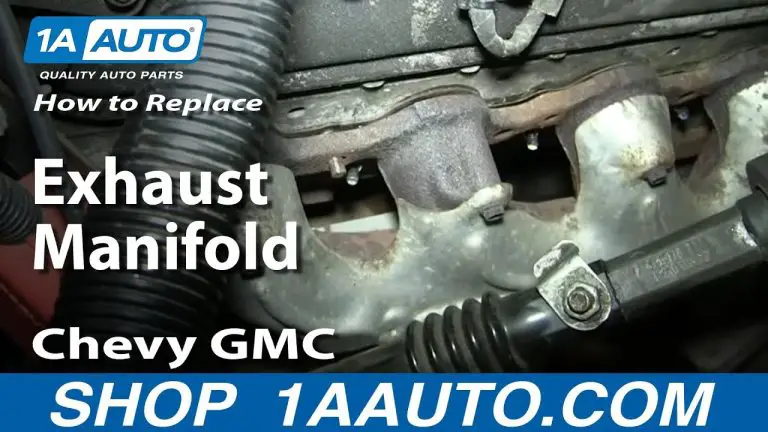
The exhaust manifold is bolted directly to the engine. Its job is to collect hot exhaust gases from the cylinders and funnel them into the exhaust pipe. Because it sits right on the engine block, it gets incredibly hot—often reaching temperatures well over 1000°F (538°C) when the engine runs hard.
This heat, combined with constant expansion and contraction (thermal cycling), is what causes many manifolds to crack over time. When they crack, you get that tell-tale loud ticking or puffing sound, and your engine might perform poorly or run rougher.
Why Heat Matters for Repairs
Any product you use to fix an exhaust component needs three main properties:
1. Heat Resistance: It must not burn, melt, or break down under sustained high temperatures.
2. Adhesion: It must bond strongly to the metal surface (usually cast iron or steel).
3. Durability: It must resist vibration and pressure from the exhaust gases.
This is where many general-purpose epoxies fail. They might hold for a short time, but the intense heat quickly turns standard epoxy soft or brittle, leading to failure.
What is QuikSteel and How Does It Handle Heat?
QuikSteel is a brand name for a type of metal-repair putty. It’s a two-part epoxy clay that you mix together by hand. Once mixed, it starts a chemical reaction that causes it to harden extremely fast—usually within five minutes—and cure to a steel-like hardness.
QuikSteel’s Claimed Specifications
Reputable sources and the manufacturer often list impressive specs for this type of high-temperature epoxy putty. For example, many formulations are designed to withstand continuous temperatures up to a certain level.
| Specification | Typical Range for High-Temp Epoxy Putty |
|---|---|
| Working Time | 3–5 minutes |
| Full Cure Time | 1–4 hours (for handling); 24 hours (for full strength) |
| Max Heat Resistance | Up to 1200°F (650°C) intermittent |
| Tensile Strength | Very high after full cure |
Because the manifold is subjected to extreme temperatures, especially in localized spots where a crack exists, QuikSteel’s rating of resisting temperatures potentially up to 1200°F (intermittently) is why it is often recommended for exhaust repairs. However, it is crucial to understand the limitations.
Does QuikSteel Work on Exhaust Manifolds? The Verdict
Yes, but with significant caveats. QuikSteel is highly effective for small-to-medium-sized pinhole leaks or hairline cracks on an exhaust manifold, provided the manifold is structurally sound otherwise.
It is important to note that many reputable automotive sites and DIY forums suggest that while QuikSteel works brilliantly on mufflers or tailpipes (which run cooler), its success on the manifold relies entirely on the leak’s location and size.
When QuikSteel is a Proven Fix
1. Pinhole Leaks: A tiny hole caused by casting weakness or minor corrosion.
2. Hairline Cracks: Very thin cracks that have not yet spread significantly.
3. Surface Repairs: When the manifold itself isn’t severely warped or broken apart.
When You MUST Seek Professional Welding
If the manifold has:
A crack longer than one inch.
A section that has completely broken off or separated.
Severe warping or distortion from extreme heat cycling.
In these cases, the stress is too high for putty to manage long-term. A professional welder specializing in cast iron or high-nickel alloys is necessary for a reliable fix.
Step-by-Step Guide: Applying QuikSteel to an Exhaust Manifold
Successfully using QuikSteel on an exhaust manifold is 90% preparation and 10% application. The surface must be perfectly clean and the engine needs to be cooled down properly.
Tools and Materials You Will Need
Before you start, gather everything. Remember, once you mix the putty, you have very little time!
QuikSteel High-Temperature Repair Putty
Safety Glasses and Gloves (Essential!)
Wire brush or abrasive pad (Scotch-Brite type)
Scraper or putty knife
Brake cleaner or heavy-duty degreaser
Rags or shop towels
A small propane torch or heat gun (optional but helpful for surface prep)
Safety First: Preparing for Manifold Repair
Never attempt to touch or work on an exhaust manifold while the engine is hot. Exhaust manifold temperatures can cause severe, instant burns.
1. Ensure engine is completely cool. Wait several hours after driving.
2. Disconnect the battery (optional but recommended): If you are working near electrical components, disconnecting the negative battery terminal adds a layer of safety.
Phase 1: Surface Preparation (The Most Important Step)
The putty will only stick to clean metal. Grease, rust, carbon buildup, or old sealant will prevent a strong bond.
- Visually Inspect the Leak: Start the engine briefly (just 30 seconds) to locate the exact source of the leak by listening for the loudest puffing sound. Turn the engine off immediately.
- Cool Down Again: Let the area cool significantly before touching it. You want it warm enough to dry solvents but cool enough to touch safely after degreasing.
- Scrape Away Debris: Use a stiff wire brush or scraper to aggressively remove all loose rust, paint, and carbon deposits around the crack. Be aggressive—you need bare metal visibility.
- Degrease Thoroughly: Spray brake cleaner or industrial degreaser liberally over the area to remove any remaining oils, grease transfers (even from your hands), or residue. Let it flash dry.
- Optional Heat Cycle (Advanced Tip): Some experienced mechanics suggest gently warming the area with a low-setting propane torch or heat gun after cleaning. This ensures the metal is completely dry and slightly opens the pores of the metal for better adhesion. Let it cool back down until it is just warm to the touch before applying the putty. Do not let it get hot enough to burn you.
Phase 2: Mixing and Applying QuikSteel
You must work quickly once mixing begins.
- Cut the Putty: Following the package directions, cut off the necessary amount of the two-part putty. Typically, you use equal parts of the core material and the activator.
- Knead Thoroughly: Use gloved hands to knead the two parts together. You must work them together until the color is uniform (usually a uniform gray or metallic color). This mixing process usually takes 30–60 seconds. Stop kneading immediately once the color is consistent.
- Apply Under Pressure: Once mixed, quickly press the putty firmly over the crack or hole. Use your fingers (or a putty knife) to force the material into the crack, not just over it. You want it embedded.
- Shape and Smooth: Smooth the surface as best you can. If the leak involves a crack, try to build up a slightly thicker layer over the crack line, feathering the edges out onto the surrounding healthy metal.
- Cure Time: Immediately stop touching it. Keep the engine off. Check the QuikSteel packaging for the recommended initial set time (usually 5–15 minutes). For high-heat resistance, you typically need a full cure, which can take up to 24 hours. Do not start the car until the putty is very hard to the touch.
Phase 3: Post-Application and Testing
After the putty has fully set (wait at least a few hours, preferably overnight), it’s time to test your repair.
1. Visual Check: Inspect the putty. It should look solid, metallic, and firm.
2. Start the Engine Gently: Connect the battery (if disconnected). Start the engine and let it idle. Listen closely for the ticking or puffing noise.
3. Test Under Load (Cautiously): After idling for a few minutes without a leak, gently accelerate the vehicle for a short period. Listen carefully. If the leak is gone, congratulations! If the leak returns immediately, the damage was beyond the scope of QuikSteel.
Comparing QuikSteel to Other Exhaust Repair Methods
QuikSteel is popular because of its ease of use. However, it’s helpful to see where it stands against permanent solutions like clamps or professional welding.
| Repair Method | Best For | Pros | Cons |
|---|---|---|---|
| QuikSteel Putty | Small cracks, pinholes, temporary fixes. | Easy application, no special tools needed, high heat resistance (for epoxy). | Not good for large breaks, sensitive to surface prep, semi-permanent. |
| Exhaust Repair Tape/Wrap | Leaks on pipes or muffler bodies. | Flexible, easy to wrap around shapes. | Doesn’t adhere well to manifolds, requires a surface that gets hot enough to cure the binder. |
| Exhaust Cement/Paste | Very small pinholes on pipes. | Good for hard-to-reach areas. | Does not handle thermal shock well; often fails near the engine. |
| Professional Welding | Large cracks, broken flanges, severe damage. | Permanent structural fix, restores original integrity. | Expensive, more downtime, requires specialized welding (especially for cast iron). |
The Science of Adhesion on Hot Metal Surfaces
Why is preparing the surface so critical, particularly for a hot part like a manifold? The primary issue lies in the difference between porosity and surface tension.
When you clean metal, you remove contaminants. However, microscopic pores remain open. When you apply sticky material like epoxy putty (QuikSteel), those open pores wick the liquid epoxy in, creating a strong mechanical lock.
According to material science principles related to adhesion, high thermal cycling (rapid heating and cooling) puts massive stress on this mechanical bond. If there is even a thin layer of oxidation (minor rust) or leftover carbon between the metal and the epoxy, the heat will cause that thin layer to break down or expand unevenly long before the epoxy itself fails, peeling the repair right off. This is why aggressive physical cleaning (sanding/wire brushing) is non-negotiable for success on exhaust components (National Institute of Standards and Technology on Material Adhesion).
Creative Use Cases: When QuikSteel Saves the Day
While the manifold is the main focus, users often find QuikSteel useful in other related high-heat areas where welding is impractical:
Oxygen Sensor Bungs: If the threads holding an O2 sensor are slightly damaged and allowing exhaust to leak around the threads (not the main pipe), QuikSteel can sometimes seal that gap temporarily.
Rusted-Out Bolt Heads: Manifold bolts often seize or snap. If you need to hold a section of pipe in place while sourcing a new bolt, QuikSteel can be molded around the area to stop the leak until the bolt can be replaced.
Heat Shields: QuikSteel adheres well to metal and can be used to re-secure rattling heat shields that are vibrating against the manifold itself, eliminating annoying secondary noises.
Maintenance Tips to Prevent Future Manifold Leaks
A failure on the manifold is often a sign of larger engine issues contributing to excessive heat or vibration. Taking preventative steps can extend the life of your new QuikSteel patch or professional weld.
- Address Misfires Immediately: Misfiring cylinders dump unburnt fuel into the exhaust stream. This raw fuel combusts in the exhaust path, causing temperatures to dramatically spike and prematurely destroy components like manifolds and catalytic converters.
- Use Anti-Seize on Bolts: Next time you remove a manifold (or have a mechanic do it), ensure the new bolts are coated with high-temperature anti-seize compound. This prevents future seizures that lead to broken bolts and warped flanges.
- Check Engine Cooling: Ensure your cooling system (radiator, water pump, thermostat) is working perfectly. Overheating the engine directly leads to overheating the exhaust runners.
- Inspect Gaskets: When installing a manifold, always use a new, high-quality gasket. A bad gasket is often the original cause of the leak.
Essential Checklist for Exhaust Manifold QuikSteel Application
Use this simple final checklist before you start kneading the putty.
- Engine completely cold? (Yes/No)
- Area manually cleaned of all rust/carbon? (Yes/No)
- Oil/grease visibly removed with brake cleaner? (Yes/No)
- Putty mixed until color is perfectly uniform? (Yes/No)
- Putty pressed firmly into* the crack? (Yes/No)
- Cure time of at least 4 hours allowed before starting engine? (Yes/No)
Frequently Asked Questions (FAQ) About QuikSteel and Exhausts
Q1: Can I use QuikSteel on a cracked catalytic converter?
Yes, QuikSteel often works very well on catalytic converters because they run slightly cooler than the manifolds, especially the outer shell. However, if the internal honeycomb structure is broken, QuikSteel cannot fix that; it only repairs external leaks.
Q2: How long will a QuikSteel exhaust manifold repair usually last?
For a hairline crack, if the surface prep was perfect and the engine runs cool, the repair can sometimes last a year or more. For a larger crack, expect it to last anywhere from a few weeks to several months before the constant vibration and thermal stress cause it to fail.
Q3: What is the difference between QuikSteel and JB Weld for exhaust work?
Both are strong epoxies, but specific “QuikSteel” products are often marketed specifically for high-heat, wet environments. Always check the temperature rating on the specific package you buy. Many standard JB Weld products melt or weaken below 500°F, which is too low for a manifold, though their high-temperature formulations are comparable.
Q4: Should I weld the crack after applying QuikSteel?
No. You should not attempt to weld over the epoxy putty. The material in QuikSteel is not meant to be welded, and trying to do so could release toxic fumes or just fail because the heat transfer properties of the epoxy interfere with proper welding metallurgy.
Q5: My manifold is cast iron. Is QuikSteel safe on cast iron?
Yes, QuikSteel is designed to bond strongly to cast iron, steel, and aluminum. This is one of its main strengths. However, because cast iron is porous, the cleaning and preparation steps are even more critical than on smooth steel.
Q6: Can I drive my car with a small manifold leak?
Driving with a minor leak is generally okay, but you should fix it soon. A small leak can cause rough idling, reduced fuel economy, and loud noise. If the leak gets bigger, unmetered air entering the exhaust stream confuses the oxygen sensors, potentially causing the engine computer (ECU) to run the engine too rich or too lean, which can lead to performance issues or engine damage over time.
Conclusion: Confidence in Your Temporary Fix
When faced with an irritating exhaust manifold leak, the decision between a quick repair and an expensive replacement can be tough. For the everyday DIYer dealing with a small, frustrating crack, QuikSteel offers a proven, accessible, and heat-resistant solution that gets you back on the road quickly.
Remember, the success of this repair hinges entirely on meticulous preparation: clean, bare metal is the only surface that yields lasting results from this type of putty. While professional welding remains the gold standard for structural integrity, QuikSteel serves as an excellent, budget-friendly bridge repair. Use it confidently on minor leaks, monitor the repair closely, and enjoy the quiet ride while it lasts. By understanding its limits and applying it correctly, you’ve successfully handled an intimidating automotive repair with minimal hassle and cost.