How Much For New Exhaust Manifolds: Essential Costs
Quick Summary: The total cost for new exhaust manifolds generally ranges from $200 to $700 for the parts alone, plus an additional $200 to $600 for professional installation. Expect a final repair bill between $400 and $1,300, depending heavily on your vehicle’s make, model, and the type of manifold chosen (cast iron vs. stainless steel).
Is your engine running rough, making loud noises, or smelling like exhaust fumes inside the car? If so, you might be dealing with a cracked or failing exhaust manifold. This part is crucial for channeling hot gases away from your engine safely. When it breaks, it causes big problems!
Understanding the cost to replace them can feel confusing. Prices seem to change everywhere you look. Don’t worry! I’m Monowar Shohag, and I’ve helped many car owners just like you sort out these repairs without feeling ripped off. We are going to break down every penny involved—from the part itself to the mechanic’s wrench time. You’ll walk away knowing exactly what to expect when you ask, “how much for new exhaust manifolds?”
Understanding the Exhaust Manifold: What It Is and Why It Fails
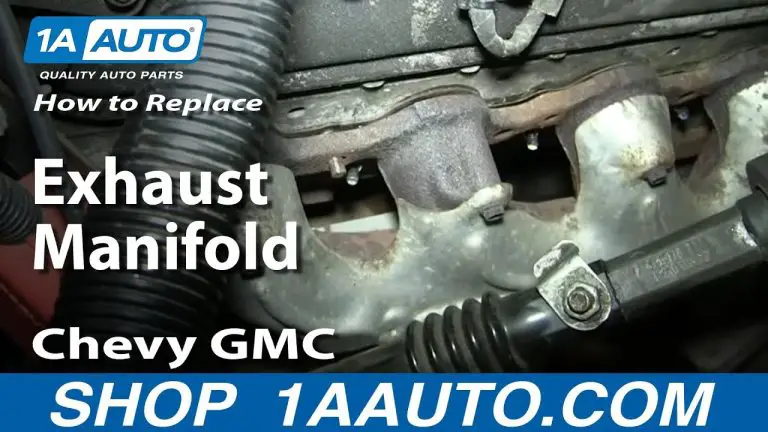
Before we talk dollars, let’s quickly cover what the exhaust manifold actually does. Think of it as the engine’s first exit ramp. It bolts directly onto the cylinder head of your engine. Its job is to collect the toxic, super-hot gases after combustion and direct them into the rest of your exhaust system (like the catalytic converter and muffler).
These manifolds endure extreme conditions—intense heat cycles, vibrations, and pressure. Over time, this stress causes them to crack, warp, or leak. When this happens, you get performance loss, worse fuel economy, and those nasty fumes leaking where they shouldn’t be.
Common Reasons Manifolds Need Replacing
Knowing why you need this repair helps you understand why the costs can fluctuate:
- Heat Cycling and Age: Constant heating up and cooling down causes metal fatigue and cracking, especially in older vehicles.
- Corrosion: Exposure to road salt, moisture, and rust eats away at the metal.
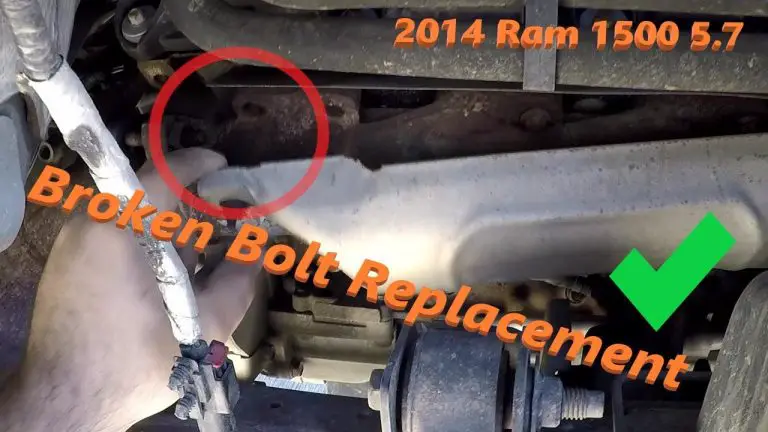
- Loose or Broken Bolts: Manifold bolts are famous for rusting and snapping, which creates a leak even if the manifold itself is okay. Replacing the manifold often means replacing these associated hardware pieces too.
- Physical Damage: Hitting something underneath the car, like road debris or hitting a curb, can crack the housing.
The Big Question: How Much For New Exhaust Manifolds? (Part Costs Breakdown)
The most significant variable in your repair bill is the part itself. Exhaust manifolds are not one-size-fits-all. The price depends heavily on what your specific vehicle uses and what quality you decide on.
Factors Influencing Manifold Part Price
Here are the key drivers behind the price tag you see when shopping for these components:
- Vehicle Make and Model: A simple four-cylinder economy car will always have cheaper parts than a V8 truck or a luxury import. Complex designs require more material and engineering.
- Material Type: This is crucial. The two main types are cast iron and tubular stainless steel.
- Brand Quality: OEM (Original Equipment Manufacturer) parts cost more than aftermarket parts, but they often guarantee a perfect fit.
- Configuration: Do you need one manifold for a straight engine, or two separate manifolds for a V-style engine?
Part Cost Comparison: Cast Iron vs. Stainless Steel
For many everyday drivers, a direct replacement manifold (usually cast iron) is the most cost-effective route. Performance enthusiasts might opt for stainless steel headers, which offer better flow but cost significantly more.
| Manifold Type | Typical Lifespan (Years) | Estimated Part Cost (Per Manifold) | Best For |
|---|---|---|---|
| Standard Cast Iron (OEM Replacement) | 5–10 | $100 – $250 | Daily drivers, budget repairs |
| High-Quality Cast Iron (Premium Aftermarket) | 8–15 | $200 – $350 | Reliability, slightly better heat resistance |
| Stainless Steel Headers (Performance Upgrade) | 10+ | $350 – $800+ | Tuning, performance driving, appearance |
When buying parts, always ensure you are purchasing the correct side (driver or passenger side) if your vehicle uses two separate manifolds, as they are rarely interchangeable.
Hidden Costs: Hardware, Gaskets, and Supplies
Many beginners focus only on the manifold price and forget the small but vital components needed for a successful, leak-free installation. Failing to replace these items is the number one reason new manifolds fail prematurely.
Essential Non-Manifold Components:
- Exhaust Gaskets: These seal the connection between the manifold and the engine head. They must be new and of high quality. Expect to spend $20 to $60 for a set.
- Manifold Bolts/Studs: As mentioned, these often snap or seize during removal. You must replace them. If you use studs, you’ll need new nuts. Budget $40 to $100 for a complete set of high-temperature, anti-seize hardware.
- Oxygen (O2) Sensors: Often, the old O2 sensors are difficult to remove without damaging them, or they become clogged with exhaust leaks. If your “Check Engine” light is on, this is the perfect time to replace them. Sensors can run from $50 to $150 each.
- Anti-Seize Compound: A necessary lubricant applied to the new bolts to prevent them from fusing to the engine block due to heat.
Adding up these necessities can easily increase your parts total by $100 to $250, even if the manifold itself was inexpensive.
Labor Costs: Paying for the Mechanic’s Time
This is often where the price surprises people. Replacing an exhaust manifold is rarely a quick job. It requires significant time and often deals with rusted, seized components, which increases the labor cost.
The Labor Challenge
The manifold is bolted directly onto the engine block, buried deep within the engine bay. Mechanics often have limited access, especially on modern vehicles where space is tight. Furthermore, as research from reputable sources like the RepairPal website suggests, the difficulty in removing rusted hardware dramatically inflates the time required.
Here is what dictates the labor rate:
- Engine Configuration (V-Style vs. Inline): On a V6 or V8 engine, the passenger-side manifold is notoriously difficult to access because it’s positioned near the firewall. This “back side” job can take two to three times longer than the driver’s side.
- Severity of Corrosion: If bolts snap off flush with the engine block, the mechanic must use specialized tools (like drill bits and extractors) to remove the broken stud remnants. This added complexity adds hours to the clock.
- Shop Rates: Labor rates vary significantly by location. A shop in a major metropolitan area will charge more per hour ($120–$180/hour) than a shop in a rural area ($80–$120/hour).
Estimated Labor Times
Shop hours are usually billed in increments, and the time required is usually based on the difficulty rating for your specific year, make, and model.
| Scenario | Estimated Labor Hours | Labor Cost Range (Based on $120/hr Rate) |
|---|---|---|
| Simple Inline Engine (Easy Access) | 2 – 4 hours | $240 – $480 |
| V-Engine (One Side Only) | 3 – 6 hours | $360 – $720 |
| V-Engine (Both Sides & Broken Bolts) | 6 – 10+ hours | $720 – $1,200+ |
Pro Tip: If you are replacing one manifold on a V-engine, always ask your mechanic to inspect the other side. If one has failed due to age, the other is likely close behind, and doing both at the same time saves you a significant portion of the labor charge later.
Total Cost Scenarios: Putting It All Together
To give you a clear picture of “how much for new exhaust manifolds,” let’s look at three common repair scenarios:
Scenario 1: Budget-Conscious, Simple Replacement (Inline Engine)
This assumes a standard four-cylinder engine where the manifold is easy to reach, and the bolts come out relatively smoothly.
- Exhaust Manifold (Aftermarket): $150
- Gaskets and Hardware: $60
- Labor (3 hours @ $120/hr): $360
- Estimated Total: $570
Scenario 2: Standard V-Engine Repair (One Side)
This involves a common V6 or V8 where the passenger side is being replaced, and there is some corrosion, but no major bolt breakage.
- Exhaust Manifold (OEM Quality): $280
- Gaskets, Hardware, and New O2 Sensor: $150
- Labor (5 hours @ $130/hr): $650
- Estimated Total: $1,080
Scenario 3: Full, Difficult Replacement (Both Sides, High Corrosion)
This is the worst-case scenario, often found in older, high-mileage trucks or vehicles constantly exposed to road salt. Both manifolds need replacing, and multiple bolts break, requiring drilling.
- Manifolds (Two, Premium Cast Iron): $600
- Hardware, Gaskets, and Sensors: $300
- Labor (10 hours @ $150/hr): $1,500
- Estimated Total: $2,400+
DIY vs. Professional Installation: Can I Save Money?
The biggest way to reduce the final bill is by handling the installation yourself (DIY). However, exhaust manifold replacement is one of the more challenging DIY jobs, especially for a beginner.
The Challenges of DIY Installation
While you save hundreds in labor, you risk spending more time and money if things go wrong. Manifold bolts are infamous for being fused by heat and rust. If you snap a bolt and lack the proper tools or experience to drill it out safely without damaging the engine head threads, you could end up needing a tow to a professional shop—costing you more in the end.
Tools You MUST Have for DIY Manifold Replacement:
- High-quality socket set (including deep sockets)
- Torque wrench (essential for reinstallation)
- Penetrating oil (like PB Blaster) used days in advance.
- Breaker bar and strong leverage
- Safety gear (gloves, eye protection)
- If bolts break: Bolt extractor set, center punch, and possibly a drill press attachment.
My Advice: If your vehicle is newer, the parts come out relatively easily, and you have good mechanical skills, DIY can save you $400–$800. If your vehicle is over 10 years old, live in a snowy climate, or you do not own specialized extraction tools, hiring a trusted ASE-certified mechanic is the safer, smarter financial move.
Tips for Getting the Best Price on Your Manifold Repair
You want a good part and a fair price. Here is how you can shop smart:
- Get Quotes for Both Sides: Always ask for an itemized quote for replacing just the leaking side, and another quote for replacing both sides at once. Sometimes the price difference isn’t huge because the labor to access the second side is already built into the first job.
- Ask About OEM vs. Aftermarket: Discuss the pros and cons of the parts the shop intends to use. If they quote an extremely cheap part, ask them about its warranty.
- Check the Bolts/Hardware: Specifically ask the shop if the quoted labor price includes replacing the manifold bolts and gaskets. If they say no, add at least $100 to their labor estimate for necessary supplies.
- Use Independent Shops for Better Rates: Dealerships almost always charge the highest labor rates. Look for reputable, established independent auto repair shops for potentially lower hourly fees. You can find certified shops through organizations like the Institute for Automotive Technology Accreditation (IATA), although local searches are usually best.
- Don’t Ignore the Check Engine Light: If the leak is bad enough to trigger the light, that means the engine computer (ECU) is sensing an exhaust issue, often throwing a code related to the O2 sensors or emissions. Replacing the sensors at the same time prevents a second visit shortly after.
FAQ: Beginner Questions About Exhaust Manifolds
Q1: How long should a new exhaust manifold last?
A good quality, factory-style cast iron manifold should easily last 8 to 15 years or 100,000 to 150,000 miles. Stainless steel headers often last the life of the vehicle if properly installed.
Q2: Can I just patch a cracked manifold instead of replacing it?
Generally, no. Manifold cracks are caused by metal fatigue from extreme heat. Temporary epoxy or welding repairs rarely hold up against the intense, continuous heat and vibration. It is a short-term fix that usually leads to another failure soon after.
Q3: How can I tell if my manifold is leaking without a mechanic?
Listen for a distinct “ticking” or “puffing” sound, especially when the engine is cold. This sound usually quiets down once the engine heats up and the metal expands, temporarily sealing the crack. You might also notice black soot marks around the manifold where it bolts to the engine.
Q4: Does a manifold replacement affect my car’s fuel economy?
Yes, indirectly. A severe leak before the O2 sensor can confuse the sensor, causing the engine computer to inject too much fuel, which lowers your miles per gallon (MPG). Fixing the leak restores the computer’s ability to accurately monitor the exhaust gases.
Q5: How long should the repair take a professional mechanic?
If there are no complications (no broken bolts), a shop might quote 3 to 5 hours. If bolts break, expect the job to extend to 6 to 10 hours, depending on the vehicle’s complexity.
Q6: What is the difference between a manifold and a header?
A manifold is a heavy, cast iron piece designed for durability and quiet operation. A header (usually stainless steel) is a set of tubes designed to optimize exhaust gas flow away from the engine, maximizing horsepower and often sounding louder. Headers are performance upgrades; manifolds are factory replacements.
Conclusion: Taking Control of Your Exhaust Repair Budget
Navigating the costs associated with exhaust manifold replacement no longer needs to feel like guessing in the dark. We’ve established that while the parts themselves can start around $150 for a basic cast iron unit, the true cost lies in the labor required to safely remove the old, rusted components and install the new ones correctly.
For most everyday drivers needing a reliable fix on a standard vehicle, planning for a total bill between $700 and $1,200 gives you a realistic budget cushion for parts, hardware, and professional installation, assuming the job goes smoothly. If you have a truck or an older V-engine where corrosion is severe, budgeting closer to $1,500 or more accounts for the inevitable difficulties.
Remember, the goal isn’t just to fix the noise; it’s to ensure the repair lasts. Always prioritize replacing the gaskets and bolts with high-temperature-rated replacements. By arming yourself with this knowledge about part types and labor complexities, you are now prepared to call local shops, ask smart, targeted questions, and secure a fair price for getting your engine running quietly and efficiently again. You’ve got this!