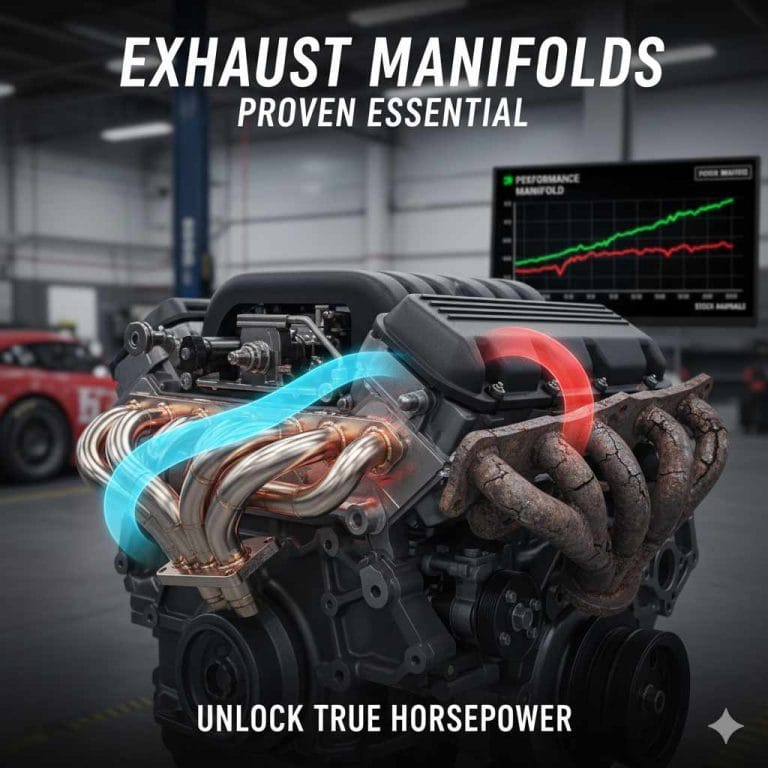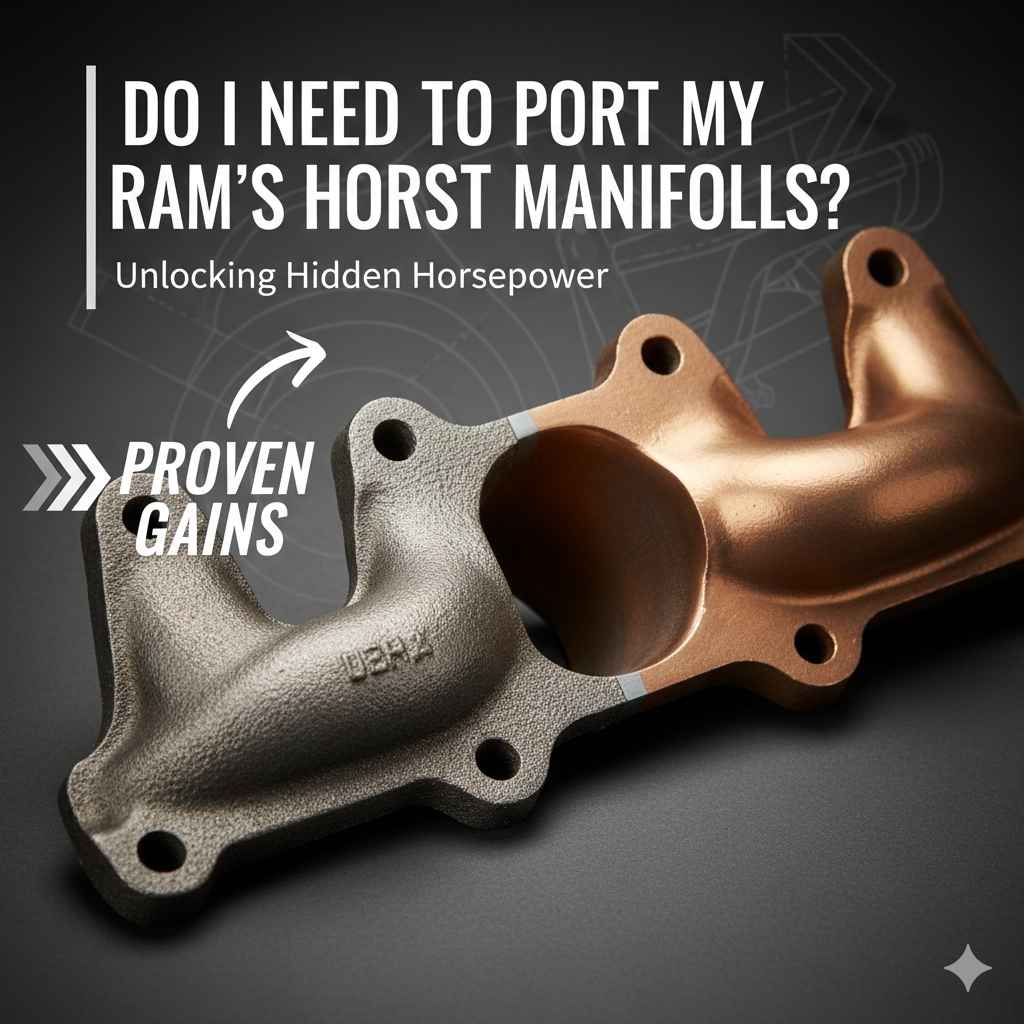
Do I Need To Port My Rams Horn Exhaust Manifolds? Proven Gains
Yes, porting your Ram’s Horn exhaust manifolds can offer proven performance gains by smoothing exhaust flow, which helps your engine breathe better. For beginners, the gains might not always justify the labor unless you are building a high-performance engine, but it is a rewarding modification if done correctly.

SHLPDFM
1 SET SHLPDFM Ground smooth Plain Rams…
- ①These classic "Rams Horn" style exhaust manifolds are great for use with most small block Chevy applications, providing optimal c…
- ②Made of Premium Nodular cast iron material,maximum durability,Deformation resistance, high strength, good wear resistance, high h…
- ③Features Corvette sized 2-1/2" outlet for added flow and performance
As an Amazon Associate I earn from qualifying purchases.
Working on your truck’s exhaust can seem complicated, but understanding simple components like exhaust manifolds is the first step to better performance. Ram’s Horn manifolds are common on many classic and certain modern engines, and you often hear enthusiasts talking about “porting” them. What does that actually mean, and is it worth your time? Don’t worry if you feel lost; we are going to break down this process simply. We’ll explain exactly what porting is, what benefits you can expect, and if this upgrade is right for your daily driver or weekend project. Let’s demystify those dusty old manifolds and see how a little grinding can wake up your engine!
Understanding Ram’s Horn Exhaust Manifolds: What Are They?
Before we talk about porting, let’s make sure we know what we are working with.
What is an Exhaust Manifold?
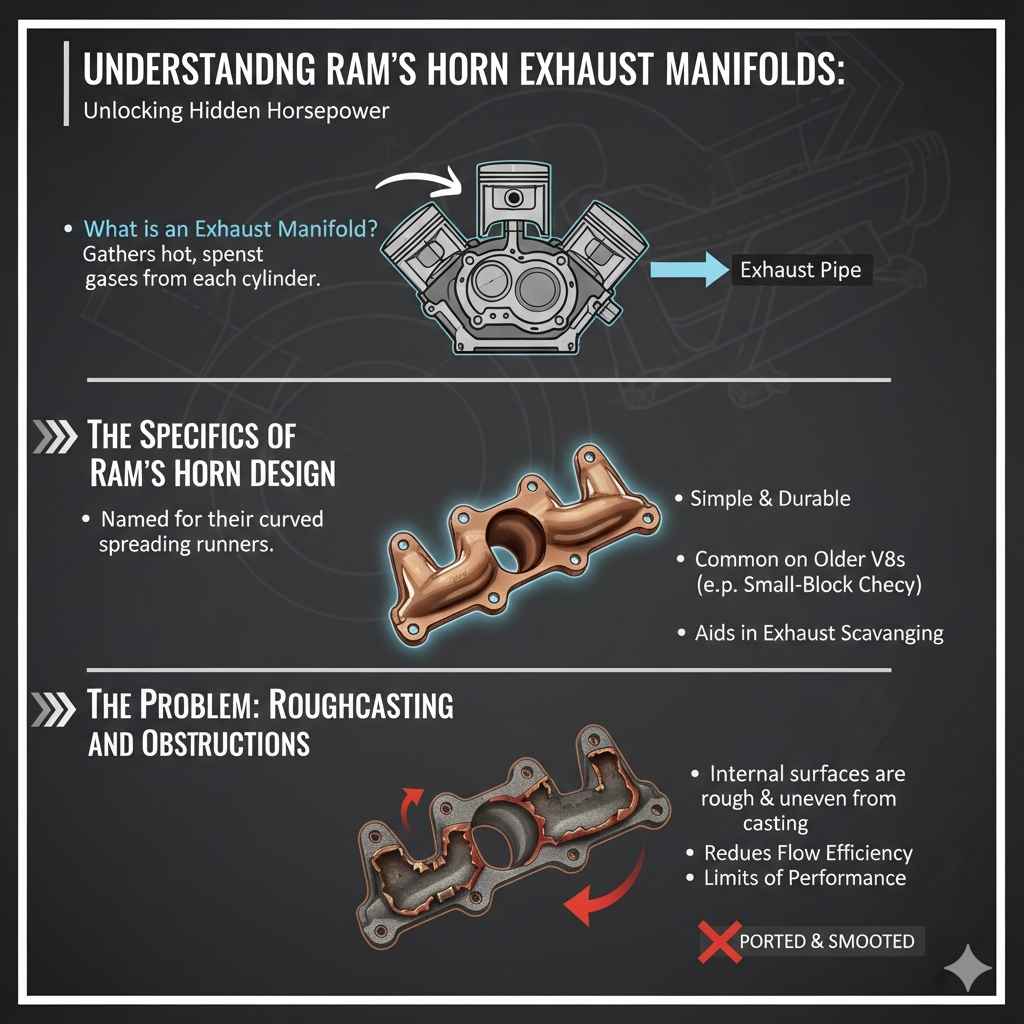
Think of the exhaust manifold as the first piece of plumbing after the engine cylinder. Its job is simple: gather hot, spent exhaust gases from each cylinder and direct them into one single pipe (the exhaust pipe) that leads out the back of your car.
The Specifics of Ram’s Horn Design
Ram’s Horn manifolds get their name because of how the primary runners (the pipes separating each cylinder port) curve and spread out, often resembling a ram’s horns. This design was popular because it was simple, durable, and good at keeping the exhaust pulses somewhat separated initially, which helps with scavenging (the process where exiting exhaust helps pull the next fresh charge in). They are often found on older V8 engines, like the popular small-block Chevy or Ford setups.
The Problem: Roughcasting and Obstructions
While durable, factory exhaust manifolds are rarely perfect inside. To save time and money during mass production, manufacturers cast them. This casting process leaves the internal surfaces rough, uneven, and sometimes full of sharp edges or “bumps” where the metal flowed unevenly. These imperfections act like speed bumps for your exhaust gases.
What Exactly is Porting an Exhaust Manifold?
Porting is essentially advanced smoothing and shaping of the interior passages of an exhaust manifold. It’s like turning a bumpy dirt road into a smooth, flowing highway for your exhaust gases.
The Goal of Porting
The main purpose of porting is to reduce flow restriction. When the exhaust path is smooth:
- Exhaust gases move faster.
- Less power is wasted pushing the exhaust out (less pumping loss).
- The engine can “breathe” in and out more efficiently.
Porting vs. Polishing vs. Gapping
These terms often get mixed up, so let’s keep them straight:
- Porting: Primarily involves carefully grinding away excess material, removing casting flaws (like lumps or sharp steps), and smoothing the transition where the runner meets the exhaust port opening. This aims to maximize flow area and smoothness.
- Polishing: Usually involves sanding the surface down to a very smooth, almost mirror-like finish. While nice to look at, this creates less measurable gain than proper porting on a manifold.
- Gapping (or Matching): This is critical. It means making sure the opening of the manifold perfectly lines up with the opening on the cylinder head. If you bolt a round manifold opening onto a slightly oblong or misaligned head port, you create a huge restriction—gapping fixes this.
Do I Need To Port My Ram’s Horn Exhaust Manifolds? Analyzing the Gains
So, putting in all that effort—does it actually pay off? The answer depends heavily on how you use your truck and what other modifications you have made.
Expected Performance Gains
For a stock or near-stock engine, the gains from porting the stock Ram’s Horn manifolds are usually modest, often falling in the 3% to 7% range for horsepower and torque, mainly at higher RPMs.
However, if you have heavily modified your engine (big camshaft, higher compression, better heads), those stock manifolds become the main bottleneck. In these high-breathing applications, porting or upgrading to headers can yield much more dramatic results, sometimes adding 15–20 horsepower or more simply by removing restriction.
When Porting Makes the Most Sense
Porting is an excellent choice if you fall into one of these categories:
- Stock Appearance Requirement: If you are restoring a period-correct vehicle (like a classic hot rod or muscle car) where you absolutely must keep the factory exhaust manifolds for originality or inspection purposes, porting is the primary way to improve their performance.
- Budget Performance: Porting is a low-cost modification if you already own the manifolds. The only real cost is your time and maybe a set of carbide burrs or grinding stones.
- Intermediate RPM Use: If your engine spends most of its time cruising and only occasionally reaches high RPMs, the smoother flow provided by porting offers better average torque delivery compared to waiting for exhaust gases to build up speed in narrow factory pipes.
When You Should Skip Porting and Buy Headers
If your goal is maximum, proven power gains without spending tedious hours grinding cast iron, you should probably invest in aftermarket exhaust headers instead.
Table 1: Porting Ram’s Horn vs. Installing Aftermarket Headers
| Feature | Ported Stock Ram’s Horn Manifolds | Aftermarket Headers |
|---|---|---|
| Cost | Low (Time/Tools) | Moderate to High |
| Installation Difficulty | Moderate (Grinding labor intensive) | Moderate |
| Flow Improvement | Good (Improves existing design) | Excellent (Optimized design) |
| Appearance | Stock/Original | Performance-Oriented |
| Best For | Stock-looking restorations, mild upgrades | Maximum power, heavy performance use |
When dealing with complex tuning questions that impact emissions or engine life, consulting established performance guidelines, like those tracked by engineering societies, can be helpful. For example, ensuring your exhaust system maintains proper back pressure balance is key to engine longevity and efficiency, which high-flow systems often alter, though porting tends to be gentler than full header installation. For more information on general exhaust tuning principles, you can review research on fluid dynamics in automotive engineering, often found through educational and government resources like those related to the U.S. Environmental Protection Agency (EPA) on vehicle efficiency.
The Beginner’s Guide: How to Port Your Ram’s Horn Manifolds Safely
If you decide the gains are worth the work, follow these steps. Safety first! Cast iron dust and sharp metal are no joke.
Essential Tools and Safety Gear
Never start a grinding job without the right protection. This is crucial for your safety.