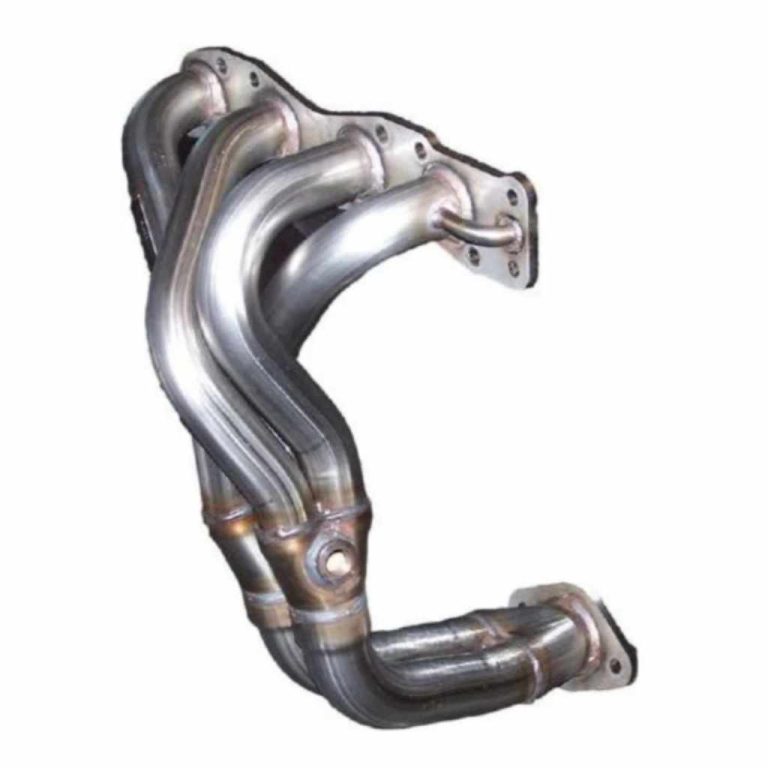
Cost To Porcelainize Jaguar Exhaust Manifolds: Essential
The cost to porcelainize Jaguar exhaust manifolds typically ranges from $400 to over $1,000 per pair, depending on the shop’s expertise, the specific ceramic coating used, and the complexity of your Jaguar model’s manifold design. This investment protects against extreme heat, rust, and greatly improves engine bay appearance.

STEBER
Exhaust-Rear Muffler Rubber Insulator Mount Bracket 3…
- Compatible with: For Jaguar XJ 2010-2018, Jaguar XJR 2014-2017, Jaguar XJR575 2018
- Made of high-density EPDM rubber compound providing extra durability and strength
- Reduce vibration, Hardness is over 60 in JIS Hardness, the PU flexibility is much more than the normal rubbery
As an Amazon Associate I earn from qualifying purchases.
Welcome to the world of high-performance engine care! If you own a Jaguar, you know these machines demand the best. A common concern for many proud owners is dealing with extreme heat around the exhaust manifolds. Hot manifolds can cause nearby components to fail early and make engine bay work uncomfortable. Porcelainizing, or ceramic coating your manifolds, is a fantastic solution. It might sound complicated, but understanding the cost and the value it brings is simple. This guide will break down exactly what you pay for, why it matters for your Jaguar, and how to budget for this smart upgrade. We will walk through every step so you feel confident about protecting your engine.
Why Porcelainize Jaguar Exhaust Manifolds? The Essential Benefits
Porcelainizing, often called ceramic coating, is far more than just a pretty paint job for your hot engine parts. It’s a crucial protective layer. For high-end vehicles like Jaguars, where precision engineering meets high performance, this protection is essential. Think of it as armor for your exhaust headers.
Understanding Heat Management
Exhaust manifolds get incredibly hot—sometimes reaching temperatures above 1,500 degrees Fahrenheit. This intense heat causes several problems if left unchecked:
- Component Degradation: Nearby wiring, hoses, and sensors (like oxygen sensors) can crack or melt prematurely due to radiant heat, leading to expensive repairs.
- Rust and Corrosion: High heat cycling, especially when combined with moisture (like driving through rain), accelerates the rusting process on standard cast iron manifolds.
- Performance Loss: Extremely hot exhaust gas moving slowly through the manifold can reduce engine scavenging efficiency.
A quality ceramic coating acts as a thermal barrier. According to research on thermal barrier coatings, they can reduce the surface temperature of the manifold significantly, sometimes by 200 to 300 degrees Fahrenheit. This keeps the heat trapped inside the exhaust stream, improving flow and protecting everything around it. You can read more about the principles of thermal coatings on surfaces used in high-temperature applications from material science resources.
Aesthetic Appeal and Engine Bay Cleanliness
Let’s face it—a clean, uniform exhaust manifold looks professional. Porcelainizing gives your engine bay a high-end, factory-fresh look. It also makes cleanup easier. Dirt and grime do not stick to the slick, hard ceramic surface as easily as they do to rough, oxidized cast iron.
Breaking Down the Cost: How Much Does It Cost to Porcelainize Jaguar Exhaust Manifolds?
When asking “how much does it cost to porcelainize Jaguar exhaust manifolds,” remember that you are paying for specialized labor, high-grade materials, and the meticulous preparation required for a lasting finish. This is not a simple spray-can job.
The Average Price Range
The final price tag for coating both exhaust manifolds on a Jaguar varies widely. Generally, you can expect the total project cost to fall into the following ranges:
| Coating Type / Shop Quality | Estimated Cost Range (Per Pair) | What This Typically Includes |
|---|---|---|
| Basic Silver/Black (Local Shop) | $400 – $650 | Standard high-temp coating, basic surface prep. |
| Premium Ceramic (Reputable Specialist) | $650 – $950 | High-end coating (e.g., coatings designed for aerospace use), thorough media blasting, multi-layer application. |
| Premium + Shipping (Mail-In Service) | $850 – $1,200+ | Top-tier coating, often required for complex or rare Jaguar models, includes insured shipping both ways. |
Keep in mind that these figures usually cover the coating service only. They typically do not include the labor cost to remove and reinstall the manifolds if you are not doing the work yourself.
Factors That Influence the Final Price
Several specific factors unique to your Jaguar will determine where your final bill lands:
- Jaguar Model and Year: Older XJ or XK models might have more complex, intricate manifolds that take longer to clean and coat than simpler V6 setups. The accessibility of the part dictates labor time.
- Coating Material Quality: Not all “ceramic coatings” are equal. Premium coatings (often based on proprietary formulas designed to handle extreme thermal cycling without cracking) cost more than standard high-temperature paint.
- Color Choice: Standard colors like satin black or silver are usually the base price. Exotic colors or specialized finishes (like a polished chrome look) might involve an extra charge.
- Surface Preparation: This is the most critical part of longevity. A professional shop will use abrasive blasting (media blasting) to strip the manifold down to bare, clean metal. Poor preparation leads to premature coating failure, so never skimp here.
The Cost of Removal and Installation (Labor)
The coating itself is only part of the expense. Unless you are an experienced DIY mechanic comfortable working around exhaust components, you will need professional installation. Exhaust manifolds are notoriously difficult to access, often requiring the removal of intake components, heat shields, and sometimes even engine bay accessories.
DIY vs. Professional Labor Costs
If you remove the manifolds yourself, you save significantly on labor. However, if you pay a shop, expect these costs:
- DIY: $0 (Time and effort only).
- Professional Removal/Installation: This can range from 4 to 10 hours of labor, depending on the model. At an average shop rate of $125–$175 per hour, you could add $500 to $1,750 to your total bill just for the removal and reinstallation services.
Safety Note: Exhaust bolts are often severely corroded due to years of heat cycles. They are prone to snapping during removal. If a bolt breaks off inside the cylinder head, the labor cost skyrockets as precision extraction becomes necessary. A good shop will factor in this potential risk.
The Porcelainizing Process: Where Your Money Goes
To truly appreciate the cost, it helps to see the steps a reputable coater takes. This ensures you are getting a long-lasting, high-quality result, not just a quick coat of paint. This meticulous process justifies the price tag.
Step-by-Step Guide to Professional Ceramic Coating
This process should be followed by any professional aiming for a durable finish that can withstand the temperatures of a Jaguar engine. For more details on industrial coating standards, you can reference guidelines from organizations focused on advanced material coatings.
- Disassembly and Inspection: The manifolds are fully separated from the engine and the rest of the exhaust system. They are checked for cracks, warping, or excessive pitting. (Repairing cracks adds to the cost).
- Deep Cleaning: Any oil, grease, or existing flaky residue is chemically cleaned off the exterior surfaces.
- Media Blasting (Surface Preparation): This is non-negotiable. The surface is blasted, usually with aluminum oxide or fine glass beads, to create a specific “anchor profile” (a rough texture) for the coating to grip onto. This ensures maximum adhesion.
- Pre-Coating Cleaning: The part is cleaned again, often using a solvent or compressed air, to remove all traces of blasting media dust. Any residual dust will cause coating failure.
- Coating Application: The liquid ceramic coating is applied using specialized HVLP (High Volume Low Pressure) spray guns. Multiple thin, even coats are applied rather than one thick coat. Thin coats adhere better and cure more evenly.
- Curing (Baking): This is what makes it “porcelainized.” The coated manifolds must be baked in a specialized high-temperature oven according to the coating manufacturer’s specifications (often 400°F to 600°F for several hours). This process chemically bonds the ceramic to the metal.
- Final Inspection: The coating is checked for uniformity, thickness, and coverage, especially around complex bends and bolt holes.
Comparing Coating Types: Porcelain vs. Standard High-Temp Paint
Many beginners confuse basic high-temperature exhaust paint with true ceramic porcelainizing. They have vastly different costs and performance levels.
| Feature | Standard High-Temp Paint | True Porcelain/Ceramic Coating |
|---|---|---|
| Max Temperature Resistance | Typically 1,200°F – 1,500°F (Surface Temp) | Often rated for 1,800°F – 2,200°F (Surface Temp) |
| Durability & Adhesion | Prone to chipping, fading, and peeling under severe heat cycling. | Chemically bonded; highly resistant to thermal shock and abrasion. |
| Heat Dissipation | Poor—radiates heat outward, potentially harming nearby components. | Excellent—insulates and keeps heat inside the exhaust stream. |
| Typical Cost (If Done Professionally) | Lower (Often under $300 for the coating portion) | Higher (As detailed above) |
For a high-value vehicle like a Jaguar, the extra cost for a true ceramic coating is an investment in longevity, safety, and retaining engine bay integrity. Standard paint offers minimal heat management benefits compared to professional ceramic work.
Achieving the Best Value: Tips for Cost Control
You want the best protection without overpaying. Here are practical ways to manage the total expense of porcelainizing your Jaguar manifolds:
1. Bundle Services
If your Jaguar needs other exhaust work done—like replacing old catalytic converters or refreshing the rest of the exhaust system—bundle the manifold coating into that larger service. Shops are often willing to offer a slight discount on the coating portion if they are already doing the heavy labor of removal and reinstallation.
2. Consider Mail-In Specialists for Coating Only
If you are mechanically inclined and can safely remove the manifolds yourself (or have a trusted local mechanic only remove them), you can ship them directly to a specialist coating facility. These specialized coating houses often have lower overhead than full-service garages, leading to a lower price for the coating application itself. Just remember to factor in shipping costs and insurance.
3. Choose Colors Wisely
As mentioned, while black and silver are standard, unique colors can carry a premium. If your main goal is heat protection and performance, stick to the standard finish to save a few hundred dollars.
4. Ask About Warranty and Prep Methods
A reputable coater will stand behind their work. Ask specifically what preparation method they use (media blasting is key) and what the warranty covers (usually defects in coating adhesion). If a shop offers a price that seems drastically lower than the competition, question their surface preparation—that is the most common place corners are cut.
Case Study Examples: Real-World Cost Scenarios
To give you a tangible idea of what various Jaguar owners pay, here are three common scenarios:
Scenario A: The DIY Enthusiast (XK8/XKR Model)
A dedicated DIY owner removes their aging exhaust manifolds. They ship them to a reputable coating specialist known for performance coatings. They pay for the coating, curing, and return shipping.
- Coating Service (Premium Black): $700
- Shipping & Insurance (Round Trip): $100
- Total Cost: $800
Scenario B: The Full Service (XF/XE Model)
An owner brings their car to a respected local performance shop. The shop handles diagnosis, removal, shipping the parts to their preferred coater, managing the coating process, and reinstalling everything, ensuring O2 sensors are handled correctly.
- Coating Service (Including Shop Markup): $950
- Labor: Removal/Reinstallation (7 hours @ $150/hr): $1,050
- Miscellaneous (Gaskets, Anti-Seize): $75
- Total Cost: $2,075
Scenario C: Budget Ceramic (Older XJ Model)
An owner opts for a highly-rated but more economy-focused local shop that uses a high-temp ceramic blend rather than a premium, aerospace-grade formula.
- Coating Service (Basic Ceramic): $550
- Labor: Removal/Reinstallation (8 hours @ $125/hr): $1,000
- Total Cost: $1,550
Long-Term Value: Is Porcelainizing Worth the Cost?
For a Jaguar owner concerned with reliability and performance, the answer is overwhelmingly yes. While the initial cost might seem high compared to simply letting the manifolds rust, consider the potential savings:
- Preventing Sensor Failure: A new set of OEM Jaguar O2 sensors can cost several hundred dollars per sensor, plus labor to replace them. Keeping the heat down prevents this early failure.
- Engine Bay Preservation: Protecting plastic wiring harnesses and vacuum lines from excessive heat buildup preserves the overall health and resale value of your vehicle.
- Thermal Efficiency: By keeping exhaust gases hotter inside the pipe, flow velocity often improves slightly, contributing to better engine response (though this effect is subtle compared to full header replacement).
Porcelainizing is a preventative maintenance step that transforms a high-heat component into a durable, insulated part of your powertrain.
Frequently Asked Questions (FAQ) About Porcelainizing Jaguar Exhausts
Q1: Can I paint my manifolds at home instead of paying for porcelainizing?
A: Yes, you can use high-temperature spray paint. However, home application rarely achieves the necessary thin, even coats, and the paint won’t bake on properly without industrial heat curing. It will likely chip, flake, and fade much faster than a professional ceramic coating, offering far less heat protection.
Q2: How long does a professional porcelain coating typically last on a Jaguar manifold?
A: When applied correctly over properly prepared metal, a quality ceramic coating should last the lifetime of the vehicle under normal driving conditions. Failures are usually due to mechanical damage (chips) or if the manifold itself cracks due to extreme stress or pre-existing fatigue.
Q3: Does the coating affect the sound of my exhaust?
A: No, the coating is applied to the exterior surface of the manifold. It does not change the internal flow dynamics enough to be noticeable, nor does it affect the muffler or resonator tuning. Your exhaust tone should remain exactly the same.
Q4: Do I need to remove my manifolds before sending them out for coating?
A: If you are using a coating specialist, yes, they require the manifolds completely detached from the engine. If you use a full-service garage, they will handle the removal and reinstallation as part of the overall service package.
Q5: Will the coating void any part of my Jaguar warranty?
A: Since the exhaust manifolds are usually an external component that wears out over time, coating them typically does not void the factory powertrain warranty. However, if you are coating them because they failed under warranty, the coating itself will not be covered by the original warranty.
Q6: Can I use my Jaguar while the manifolds are being coated?
A: Absolutely not. Your car will be undrivable without the manifolds attached. Plan for downtime equivalent to the removal time, the coating processing time (usually 1-2 weeks including shipping), and the reinstallation time.
Conclusion: Investing Wisely in Your Jaguar’s Future
Understanding the cost to porcelainize Jaguar exhaust manifolds involves looking past the initial price tag and recognizing the value of high-temperature protection. Whether you spend $800 doing the prep work yourself or $2,100 utilizing a full-service shop, you are making a smart investment.
You are choosing to safeguard expensive nearby sensors, prevent premature deterioration of wiring, and maintain the high-performance integrity of your engine bay. When sourcing quotes, always prioritize shops that emphasize media blasting and high-bake curing cycles. Don’t chase the lowest price; chase the highest quality preparation. By treating your manifolds to a professional ceramic finish, you ensure your Jaguar stays cooler, cleaner, and ready for many more miles of thrilling driving.
Related pick: Check today's price on Amazon