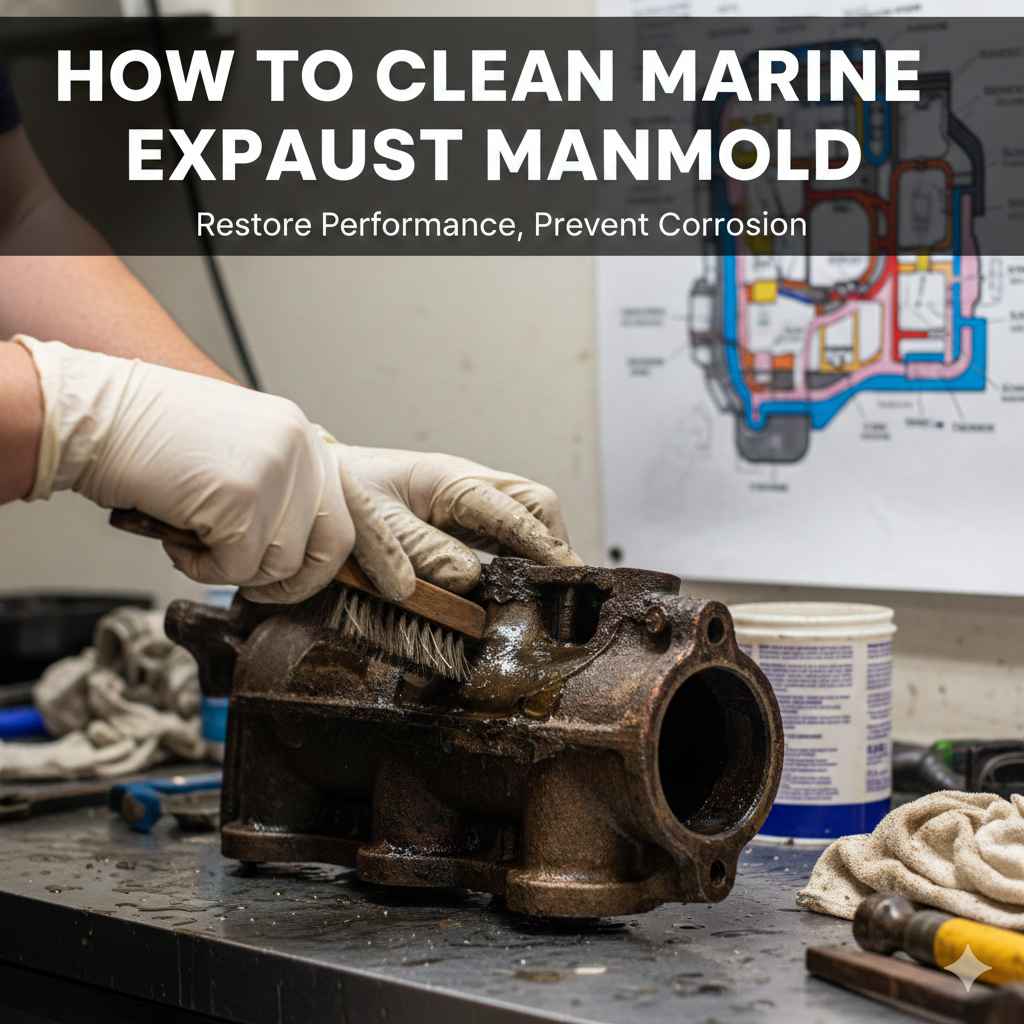
How To Clean Marine Exhaust Manifolds: Proven Essential
Cleaning marine exhaust manifolds is essential for engine health, preventing leaks and overheating. This guide offers a simple, step-by-step process using basic tools to safely remove salt, rust, and scale buildup, ensuring your boat engine runs cooler and lasts longer.
Welcome! If you own a boat, you know that water cooling is key to keeping your engine happy. But that saltwater or lake water brings hidden enemies: salt, rust, and scale. These build up inside your exhaust manifolds, which are vital parts of your cooling system. When they get clogged, your engine overheats, performance drops, and repairs get expensive fast. It sounds complicated, but learning how to clean marine exhaust manifolds is easier than you think. I’m Monowar Shohag, and I’ll walk you through every safe step. We will demystify this maintenance task so you can keep your engine reliable for years to come.
Why Cleaning Marine Exhaust Manifolds is Non-Negotiable Maintenance
Many boat owners skip this job, thinking their engine is running fine. But buildup happens slowly, silently eating away at performance and safety. The exhaust manifold is where hot exhaust gases meet the cool water from your engine’s cooling system before exiting the boat. If the passages get blocked, the water can’t flow freely.
Think of it like a clogged kitchen sink drain. Water backs up, and soon, nothing flows right. In your engine, this backup causes serious trouble. Ignoring this maintenance can lead to:
- Overheating: The most common and serious issue. Overheating warps metal, leading to blown head gaskets or cracked engine blocks.
- Reduced Performance: A struggling cooling system means the engine can’t breathe or run efficiently, costing you speed and fuel economy.
- Corrosion Damage: Salt and moisture trapped inside accelerate rust, weakening the metal until a critical failure occurs.
Regular cleaning isn’t just maintenance; it’s preventative medicine for your costly marine engine. Let’s gather what we need to start this rewarding job.

Essential Tools and Supplies for Manifold Cleaning
You don’t need a full professional workshop to tackle this. Most of the items required are common garage staples, which keeps this task budget-friendly. Safety first! Always wear eye protection and gloves.
Gathering Your Arsenal
Before you turn a single wrench, ensure you have everything handy. This saves time and prevents you from running to the store mid-job.
- Safety Gear: Safety glasses and chemical-resistant gloves are mandatory.
- Basic Wrench Set/Socket Set: You’ll need the right size wrenches to remove the manifold bolts. Metric and standard sizes are common, depending on your engine brand (e.g., Mercruiser, Volvo Penta).
- Scrapers and Brushes: A small plastic scraper, stiff nylon brush, and perhaps a dull putty knife for initial gunk removal. Avoid using sharp metal tools that might gouge the softer aluminum or cast iron.
- Cleaning Solution: White vinegar (a great, safe acid for dissolving mineral deposits) or a specialized marine descaler (like Evapo-Rust or specific cooling system cleaners).
- Compressed Air (Optional but Recommended): For blowing debris out of small passages once cleaned.
- New Gaskets: Always replace the old gaskets when reinstalling. Reusing old ones is a prime cause of future leaks.
- Penetrating Oil: To loosen stubborn, rusty bolts before removal.
Knowing where to source quality parts matters. For replacement gaskets and hardware that meet strict marine standards, resources like the iBoats marine parts directory can be very helpful when sourcing specific replacements for your model.
Step-by-Step Guide: How to Clean Marine Exhaust Manifolds Safely
This process assumes you are cleaning the manifolds while they are removed from the engine. While it is possible to flush them while installed, a deep, effective cleaning requires removal. Always consult your engine’s official service manual for specific torque specs, but these general steps apply widely.
Phase 1: Access and Removal
Step 1: Prepare the Engine Bay
Disconnect the battery (negative terminal first) to prevent accidental shorts while working around electrical components. If possible, work on a cool engine. If the engine ran recently, allow it to cool for at least two hours.
Step 2: Locate and Disconnect Hoses
The exhaust manifold is typically connected to the riser (the elbow leading to the exhaust pipe) and often has water inlet and outlet hoses running to and from the block/riser. Carefully label or photograph the hoses before disconnecting them. Have a few rags handy, as residual coolant/water will drain out.
Step 3: Remove the Exhaust Manifold Bolts
This is often the trickiest part due to corrosion. Spray penetrating oil liberally on every bolt head where it meets the engine block or riser flange. Let it soak for at least 15 minutes. Work slowly, using even pressure. If a bolt feels like it might snap, stop, apply more penetrating oil, and wait longer. Start with the bolts furthest from the center and work your way in when removing. Keep track of where each bolt goes, as they can sometimes vary in length.
Step 4: Gently Lift and Inspect
Once all bolts are removed, gently wiggle the manifold free. If it sticks, tap lightly on the sides with a rubber mallet. Do not pry aggressively with a screwdriver, as this can damage the sealing surface on the engine block. Once off, immediately inspect the old gasket for signs of failure (cracking, hard spots, or evidence of water weeping).
Phase 2: Deep Cleaning the Manifold
This is where we fight the buildup. Marine buildup usually consists of white or grey calcium deposits (scale) mixed with black soot and rust.
Step 5: Initial Debris Removal
Using your plastic scraper or dull putty knife, carefully scrape out the large chunks of scale and carbon deposits from the internal cooling passages and the exhaust ports. Focus on the water jacket side of the manifold.
Step 6: The Vinegar Soak (Descaling)
White vinegar is excellent because it’s acidic enough to dissolve calcium and mineral deposits but much safer than harsh industrial chemicals. Since the manifold is off the engine, you can soak it. If the manifold is too large for a bucket, you can try wrapping the water jacket areas in vinegar-soaked rags.
- Submerge the entire manifold in a large plastic tub filled with hot white vinegar.
- Let it soak for 12 to 24 hours. You will often see fizzing, which is the acid reacting with the deposits.
- For stubborn spots, gently scrub with a stiff nylon brush during the soak.
For a more advanced approach, some professionals use specialized descaling solutions available at marine supply stores. Always follow the manufacturer’s safety instructions for these commercial products. You can find good safety guidelines for handling common household chemicals, like vinegar, through resources such as the Centers for Disease Control and Prevention (CDC) on Chemical Safety, though marine-specific cleaners require extra caution.
Step 7: Thorough Rinsing and Drying
After soaking, pull the manifold out and rinse it extremely well with fresh water. Any residual vinegar left inside can continue to promote corrosion. Rinse all passages until you are sure no residue remains. Dry the part immediately. Use compressed air to blow through every passage to ensure all water is expelled, paying special attention to the small water inlet/outlet ports.
Phase 3: Cleaning the Engine Block Surface and Reassembly
Cleaning the manifold is only half the battle. The sealing surface on the engine block must be perfectly clean for the new gasket to seal.
Step 8: Cleaning the Engine Surface
Use a clean rag and a mild solvent (like brake cleaner, if safe for your engine material) to wipe down the mounting surface on the engine block where the manifold sits. Do not use sandpaper or harsh metal scrapers here. The goal is to remove all traces of the old gasket material and any surface corrosion. A dull plastic scraper is safe for this step if needed.
Step 9: Install the New Gaskets
Position the new gaskets. Some gaskets require a light coating of sealant (often called RTV marine sealant) on both sides, while others are designed to seal dry. Check your manual. If sealant is required, apply a thin, even coat—too much sealant squeezes out and can block water passages.
Step 10: Reinstalling the Manifold
Carefully place the cleaned manifold back onto the block, aligning it perfectly with the mounting holes. Install the bolts by hand first. Follow the manufacturer’s specified tightening sequence (usually starting in the center and working outward in a cross-pattern) and torque them to the exact specification listed in your service manual. Correct torque prevents warping and leaks.
Step 11: Reconnect Hoses and Test
Reconnect all hoses, clamps, and water fittings. Reconnect the battery. Before running the engine under load, perform a leak check. Flush the cooling system, either by running the engine briefly on muffs (for outdrives) or in the water. Watch carefully for any drips near the new gaskets while the engine is running. A successful cleaning job means water flows freely and the engine stays cool!
Identifying Common Manifold Problems Before Cleaning
Sometimes, cleaning isn’t enough. Recognizing when a manifold is past its prime saves you time and money later. Here are clear signs that replacement is necessary rather than just cleaning.
| Symptom Observed | Likely Cause | Action Needed |
|---|---|---|
| Excessive Rust Pitting Inside | Corrosion has eaten through the metal walls (water jacket breach). | Immediate Replacement. Cleaning won’t fix a hole. |
| Visible External Coolant Leak | Gasket failure or a crack developed in the manifold casting. | Replace Gasket first. If leak persists, replace manifold. |
| Coolant/Water in Exhaust Stream | Severe internal blockage causing backpressure into the cooling system. | Deep cleaning may work, but expect potential replacement soon. |
| Bolts Sheared Off During Removal | Severe corrosion fusing the bolt to the manifold/block. | Requires professional drilling/extraction, often leading to replacement if block threads are damaged. |
A key factor determining longevity is the material. Most modern manifolds are cast iron or aluminum alloy. Aluminum is lighter but generally more susceptible to pitting from prolonged salt exposure than heavier cast iron, making the choice of cleaning agent even more important.
Maintenance Frequency: When Should You Clean?
How often you need to perform this essential task depends heavily on where you boat and how often you use the engine.
Factors Affecting Cleaning Schedule
- Saltwater Use: This is the biggest factor. Salt crystallizes and holds moisture, speeding up corrosion dramatically. If you boat in saltwater, cleaning should happen at least once per season, or possibly twice if usage is heavy.
- Freshwater Use: In freshwater lakes or rivers, buildup is slower. Cleaning every two to three seasons is usually sufficient, provided you flush the system thoroughly after every use.
- Engine Hours: High-hour engines see more wear. If you log 100+ hours annually, stick to the annual schedule regardless of water type.
A good rule of thumb from many marine mechanics is to perform this deep clean any time you remove the manifolds for other major service, such as a thermostat replacement, or if you notice any early signs of overheating.
Tips for Preventing Future Manifold Buildup
The best maintenance is preventative maintenance! By making small changes to your routine, you can significantly extend the life of your exhaust manifolds and risers.
Flushing is Your Best Friend
This cannot be overstated. Every single time you remove your boat from saltwater, you must flush the cooling system thoroughly with fresh water. If you can’t get the boat in the water, use dedicated flushing attachments (muffs) while the engine is running briefly on the trailer. This flushes the corrosive salt out of the raw water circuit, including the manifolds.
Use the Right Antifreeze/Coolant
If your cooling system uses closed-loop antifreeze, ensure you are using the correct marine-grade coolant. These coolants contain specialized inhibitors designed to fight corrosion in aluminum and iron components far better than standard automotive antifreeze.
Regular Visual Inspections
When you pull the boat out of the water for winterization, take a quick look at the exhaust ports. Are there streaks of rust or discoloration around the hoses? These small visual checks can alert you to minor leaks before they turn into major internal corrosion.

FAQ: Beginner Questions About Marine Exhaust Manifold Cleaning
Q1: Can I clean the marine exhaust manifold while it is still bolted to the engine?
A: You can perform a basic flush using a descaling solution circulated through the cooling system with the engine running, but this only cleans the inside surface lightly. A truly effective, deep clean that removes heavy scale requires removing the manifold completely, as detailed in this guide.
Q2: What is the difference between a manifold and a riser?
A: The manifold bolts directly to the engine block and collects hot exhaust gas. The riser (or elbow) bolts onto the manifold and directs the cooled exhaust gases up and out of the boat. Both are critical parts of the exhaust system and often need cleaning or replacement at the same time because they work together.
Q3: Is white vinegar safe to use inside my marine engine parts?
A: Yes, white vinegar (acetic acid) is generally safe for soaking cleaned, removed manifolds. It effectively dissolves mineral scale. However, it must be thoroughly rinsed away afterward, and it should never be run through the engine for long periods while running, as prolonged exposure can damage soft metals or rubber components.
Q4: How tight should I torque the manifold bolts?
A: You must consult your engine’s specific service manual (e.g., Mercruiser, Yamaha, Volvo Penta). Over-tightening can warp the manifold or damage the engine block threads, leading to immediate leaks. Under-tightening guarantees leaks. Torque specs are usually between 18 ft-lbs and 35 ft-lbs, but always verify your manual.
Q5: What if I find calcium deposits but no rust?
A: Calcium deposits (scale) usually mean you are flushing your engine with hard water or using it in saltwater without proper follow-up rinsing. Cleaning these deposits via the vinegar soak is crucial because scale blocks cooling water flow, even if the metal underneath isn’t rusted yet.
Q6: My old gasket crumbled when I tried to remove the manifold. Is this bad?
A: This is very common! Gaskets harden over time. It’s not necessarily “bad,” but it confirms the gasket needed replacement anyway. Ensure you scrape every remaining piece of the old gasket material off both the block surface and the manifold mating surface before installing the new one.
Conclusion: Confidence in Your Cooling System
Learning how to clean marine exhaust manifolds moves you from being a passive boat owner to an active guardian of your engine’s longevity. This task, once viewed as intimidating, is simply a matter of preparation, patience, and following clear steps. By dedicating a few hours to disassembly, soaking, and meticulous reassembly using new gaskets, you actively combat the biggest threats to your engine: overheating and corrosion.
Remember, the health of your cooling system dictates the life of your engine. Regular cleaning, combined with diligent flushing after saltwater use, ensures that the next time you turn the key, you have the confidence of knowing your exhaust manifolds are clear, cool, and ready to handle the hard work on the water. Keep those passages open, and enjoy many more seasons of trouble-free boating!