

Are Chevy Cast Iron Exhaust Manifolds Sand Casted? Unveiled!
Have you ever wondered about the secret behind the durability and performance of Chevy cast iron exhaust manifolds? If you’re a car enthusiast or simply curious about the engineering marvels under the hood, you’re in the right place.

GSKMOTOR
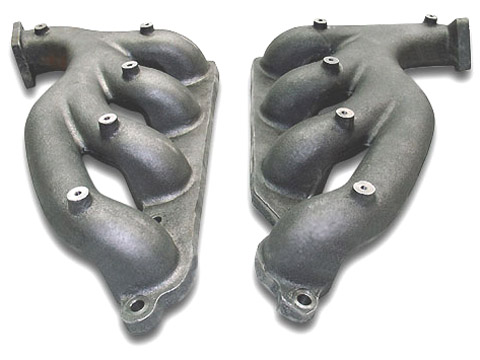
Black Cast Iron Ram Horn Exhaust Manifolds…
- These classic "Rams Horn" style exhaust manifolds are great for use with most small block Chevy applications, providing optimal cl…
- Includes gaskets, bolts & collector studs
- Ports measure about 1 1/4".Collector measures about 2 1/4".
As an Amazon Associate I earn from qualifying purchases.
Understanding whether these manifolds are sand casted can unlock a deeper appreciation for your vehicle’s performance. This method not only affects the strength and longevity of your car’s exhaust system but also plays a crucial role in enhancing engine efficiency.
By diving into the world of casting techniques, you’ll discover why Chevy remains a top choice for many drivers. Stick around as we unravel this fascinating process and reveal how it impacts your driving experience.
Chevy Exhaust Manifolds Basics
Understanding Chevy exhaust manifolds is crucial for car enthusiasts. These components play a vital role in a vehicle’s performance. They guide exhaust gases from the engine to the exhaust system. Their design and material greatly impact efficiency and durability.
Material Composition
Chevy exhaust manifolds are often made from cast iron. Cast iron offers strength and heat resistance. This material can withstand extreme temperatures from exhaust gases. Sand casting is a common method used in their production. It involves pouring molten iron into sand molds. This technique ensures precise shaping and durability.
Functionality
Exhaust manifolds collect gases from engine cylinders. They channel these gases into a single pipe. This process reduces back pressure. Lower back pressure improves engine efficiency. Effective exhaust flow leads to better fuel economy. Properly designed manifolds enhance overall vehicle performance.
Casting Processes Explained
Chevy cast iron exhaust manifolds are often crafted using casting. This process involves shaping metal into specific forms. It’s a key step in manufacturing durable auto parts. Different methods are used to achieve precise results. Each method has its own advantages and limitations.
Sand Casting Overview
Sand casting is a popular method for crafting exhaust manifolds. It involves creating a mold using sand mixed with clay. The sand mold shapes the molten metal as it cools. This method is cost-effective and versatile. It allows for complex designs and intricate details. Sand casting is suitable for small and large production runs.
Alternative Methods
Besides sand casting, other methods exist for making manifolds. One alternative is investment casting. This process uses wax patterns and ceramic molds. It’s ideal for high-precision parts but more expensive. Another method is die casting. This involves forcing molten metal into a steel mold. It’s efficient for large quantities but limits design flexibility.
Sand Casting In Automotive Industry
Chevy cast iron exhaust manifolds are typically produced using sand casting. This method allows for detailed, durable parts. It’s a common choice in the automotive industry for creating complex shapes.
Sand casting plays a crucial role in the automotive industry, especially in the production of parts like Chevy cast iron exhaust manifolds. This age-old technique has been a staple in manufacturing due to its ability to create complex shapes with relative ease. If you’ve ever wondered how those robust components under your car’s hood came to be, sand casting is often the hero behind the scenes.
Benefits Of Sand Casting
One of the biggest advantages of sand casting is its versatility. It allows manufacturers to create intricate designs that are hard to achieve with other methods. This adaptability ensures that parts like exhaust manifolds are both functional and cost-effective. Sand casting is also known for its ability to handle large sizes and weights. Unlike other casting methods, it can produce heavy-duty parts without compromising on quality. This makes it ideal for automotive components that need to withstand high temperatures and pressures. Additionally, sand casting is relatively economical, especially for small production runs. If you’re a car enthusiast or involved in automotive repairs, you might appreciate how this cost-effectiveness translates into affordable parts.
Challenges Of Sand Casting
Despite its benefits, sand casting does have its challenges. One major issue is the surface finish, which might not be as smooth as other casting techniques. This can sometimes require additional machining, adding to the overall cost. Another challenge is the potential for defects like porosity or shrinkage. These imperfections can affect the performance of the exhaust manifolds. It’s crucial for manufacturers to implement stringent quality checks to minimize these risks. Finally, the sand casting process can be time-consuming. If you’ve ever waited for a specific part to be cast and delivered, you know the patience required. This delay can be a downside in industries where time is of the essence. Have you ever considered the intricate process behind the parts of your vehicle? The next time you pop the hood of your Chevy, think about the craftsmanship and challenges that go into making those essential components.
Chevy’s Manufacturing Techniques
Chevy’s manufacturing techniques have evolved significantly over the years, especially in producing cast iron exhaust manifolds. These components are critical for your vehicle’s performance, and understanding how they are made can offer you insights into quality and durability. Whether you’re a car enthusiast or someone who simply loves their Chevy, knowing the manufacturing techniques can deepen your appreciation for your vehicle.
Historical Manufacturing Methods
Chevy’s early manufacturing methods relied heavily on traditional practices. In the past, sand casting was a popular technique for creating exhaust manifolds. This method involved pouring molten iron into sand molds to shape the manifold. It was a labor-intensive process but offered a high degree of precision. If you’ve got an older model Chevy, the exhaust manifold might have been made this way.
Why did Chevy use sand casting? It was cost-effective and could be done on a large scale. It allowed for complex shapes and details that were essential for exhaust manifolds. You might wonder if these older methods still hold up today. Well, many vintage car enthusiasts swear by the durability of these sand-casted manifolds.
Current Practices
Today’s manufacturing landscape has shifted dramatically. Chevy now employs more advanced techniques. The use of computer-aided design (CAD) and automated machinery has become the norm. These technologies allow for precision and efficiency that older methods couldn’t match. If you’re driving a newer Chevy, chances are its exhaust manifold was crafted using modern techniques.
What does this mean for you? Better performance and longevity of your exhaust manifold. Modern casting methods reduce impurities and improve the overall quality. Have you ever experienced your vehicle running more smoothly and efficiently? That’s often a result of these improved manufacturing practices.
As technology continues to advance, who knows what the future holds for Chevy’s manufacturing techniques? Could there be even more efficient ways to produce exhaust manifolds? Your insights and experiences can contribute to this ongoing conversation. Feel free to share your thoughts and keep the dialogue going.
Evaluating Sand Casting Claims
Chevy cast iron exhaust manifolds are popular among car enthusiasts. Many wonder if these manifolds are sand casted. This section evaluates the sand casting claims surrounding these components. Understanding the production process can reveal much about their durability and performance.
Evidence And Sources
Car manuals and manufacturer guides often mention casting techniques. These documents provide insights into the processes used for production. Some online forums and automotive websites also discuss casting methods. They often share photos and detailed descriptions of Chevy manifolds. These resources help in verifying if sand casting is used.
Expert Opinions
Automotive experts have diverse views on manifold casting. Some engineers confirm sand casting for its cost-effectiveness. Others highlight its ability to produce complex shapes. Mechanics with years of experience share firsthand observations. They provide valuable information about the casting quality and longevity. These expert opinions offer a deeper understanding of sand casting’s role.

Comparing Casting Techniques
Chevy cast iron exhaust manifolds often use sand casting techniques for production. Sand casting involves shaping molten metal in a sand mold, allowing for detailed and durable designs. This method ensures the manifolds withstand high temperatures and pressures.
When it comes to Chevy cast iron exhaust manifolds, understanding the casting techniques can be crucial to making informed decisions. Different casting methods impact performance, cost, and durability in unique ways. Let’s dive into the details and compare these techniques, focusing on the practical aspects that matter most to you.
Performance Differences
Sand casting, a common technique for creating Chevy cast iron exhaust manifolds, offers a distinct texture and strength that can affect performance. The rough surface from sand casting can improve exhaust flow, potentially enhancing engine efficiency. On the other hand, precision casting methods like lost foam casting may offer smoother surfaces but can lack the robust durability of sand casting under high temperatures. Which casting technique do you think aligns best with your performance goals?
Cost Implications
Cost is a significant factor when choosing a casting method for exhaust manifolds. Sand casting is typically more economical due to its simplicity and lower material costs. However, the precision casting techniques might require a larger investment upfront due to the complex molds and processes involved. Consider what you’re willing to invest for the optimal balance between cost and performance. Would saving upfront cost be worth potential trade-offs in performance? Or would you prefer investing more in precision for long-term gains? Remember, the choice you make will directly impact your vehicle’s efficiency and your wallet. How do you plan to weigh these options?
Future Trends In Exhaust Manifold Production
The production of exhaust manifolds has evolved significantly over the years. Manufacturers seek better methods to improve efficiency and reduce costs. With technology advancing rapidly, new trends in exhaust manifold production are emerging. These trends focus on innovation, sustainability, and meeting environmental standards. Let’s explore the future of exhaust manifold production.
Innovations In Casting
New casting techniques are being developed to enhance performance. One innovation is 3D sand printing. This allows for more precise molds, leading to better fitting manifolds. Another technique is the use of advanced alloys. These materials can withstand higher temperatures and resist corrosion. Such innovations aim to improve the longevity of exhaust manifolds.
Sustainability Considerations
Environmental impact is a growing concern in manufacturing. Exhaust manifold production is no exception. Manufacturers are adopting greener practices. Recycled materials are being used more frequently. This reduces waste and conserves resources. Efficient production methods also reduce energy consumption. These practices help in reducing the carbon footprint of manufacturing.

Frequently Asked Questions
How Are Chevy Cast Iron Exhaust Manifolds Made?
Chevy cast iron exhaust manifolds are typically sand casted. This process involves creating a mold using sand and pouring molten iron into it. Sand casting is favored for its ability to produce intricate shapes and strong, durable manifolds. This method ensures the manifolds can withstand high temperatures and pressure.
Why Choose Cast Iron For Exhaust Manifolds?
Cast iron is chosen for exhaust manifolds due to its durability and heat resistance. It can withstand high temperatures and pressure without warping. Additionally, cast iron offers excellent sound dampening properties. These characteristics make it ideal for exhaust systems, ensuring longevity and optimal performance.
What Are The Benefits Of Sand Casting?
Sand casting offers several benefits, including flexibility in shape and size. It allows for intricate designs in exhaust manifolds. The process is cost-effective for producing large quantities. Sand casting also ensures strength and durability, making it suitable for automotive parts like Chevy exhaust manifolds.
Are Chevy Exhaust Manifolds Prone To Rust?
Chevy exhaust manifolds can be prone to rust, like many cast iron parts. Proper maintenance and coatings can minimize rust. Regular checks and cleaning help prolong their lifespan. Using high-quality materials in manufacturing also reduces rust risk, ensuring better performance and durability.
Conclusion
Chevy cast iron exhaust manifolds are indeed sand casted. This process gives them strength and durability. They withstand high temperatures and harsh conditions. It also ensures precise shapes and sizes. Many car enthusiasts prefer this method. Why? Because it’s reliable and proven.
Understanding this casting process helps in choosing the right parts. It’s important for vehicle performance. Next time you need exhaust manifolds, consider sand casted ones. They’re a solid choice for your Chevy. Always check quality before purchasing. Happy driving!
Related pick: Check today's price on Amazon


