What Are 1970 Chevelle Exhaust Manifolds Worth
Figuring out the value of 1970 Chevelle exhaust manifolds can be tricky, especially if you’re new to classic cars. Lots of things can change their price, like if they’re original, how good of shape they’re in, or if they’re rare. It can feel a bit overwhelming trying to get all the facts. But don’t worry, we’ll break it down step by step so you can easily find out What Are 1970 Chevelle Exhaust Manifolds Worth? This guide will help you sort through the details and understand the market.

Generic
Exhaust Manifold Headers For Chevy Big Block…
- 【304 Stainless Steel Construction, Corrosion-Resistant & Durable】 Crafted from high-purity 304 stainless steel with a precision-po…
- 【Optimized Exhaust Flow, Enhanced Power Performance】 Streamlined exhaust channel design reduces airflow resistance, promoting rapi…
- 【Deep, Rich Exhaust Note, Elevated Driving Experience】 Professionally tuned for a low-frequency sound profile, eliminating harsh n…
As an Amazon Associate I earn from qualifying purchases.
Understanding 1970 Chevelle Exhaust Manifold Value
Understanding the value of 1970 Chevelle exhaust manifolds involves looking at several key factors. These components are vital for a car’s performance and can be highly sought after by collectors and restorers. Their worth isn’t just about their age; it’s about their condition, originality, and the specific features they possess. For beginners, distinguishing between common and rare variants, or assessing wear and tear, can be confusing.
This section aims to clarify these points, providing a solid foundation for evaluating these classic car parts. We will explore what makes one manifold more valuable than another and how to spot genuine pieces.
Originality and Condition
The most significant factor influencing the worth of any classic car part, including 1970 Chevelle exhaust manifolds, is its originality and condition. Original parts, meaning those made by the manufacturer for the specific model year, are almost always more valuable than reproduction parts. This is because they retain the authenticity that collectors desire. Condition plays a huge role too. Manifolds that are free from cracks, significant rust, warping, or damage from previous repairs will command higher prices.
Original Manufacturer Parts
Original exhaust manifolds were produced by General Motors for the 1970 Chevelle. These carry a premium because they are exactly what the car came with from the factory. Finding them in good shape means they haven’t been altered or
Absence of Damage
Cracks, especially near the exhaust ports or bolt holes, are a major detractor from value. These can be difficult and expensive to repair properly. Warping of the mating surface can lead to exhaust leaks, which is another serious issue. Even minor surface rust can be a concern if it has eaten into the metal.
Surface Finish and Coatings
Original manifolds often had a specific cast-iron finish. While some owners might paint them, the original patina or a period-correct refinish can be preferred. Unaltered surfaces, even with some age, are often valued over aggressively cleaned or sandblasted pieces that might hide underlying damage.
Rarity and Specific Models
The specific engine a 1970 Chevelle was equipped with greatly impacts the rarity and thus the value of its exhaust manifolds. Different engines had different manifold designs, and some were produced in much lower quantities than others. This rarity is a key driver of demand among enthusiasts.
Engine Rarity
The 1970 Chevelle offered a range of engines, from the base inline-six to powerful V8s like the 350, 396, 454, and the SS variants. The exhaust manifolds for the higher-performance engines, particularly those with larger displacement or specific performance options, are generally more sought after. For example, manifolds designed for big-block engines or those with specific performance castings might be rarer.
Casting Numbers and Date Codes
Each original manifold will have specific casting numbers and date codes. These codes help identify the exact application and production period. Matching these numbers to original specifications is crucial for restorers and collectors. Some casting numbers are associated with limited production runs or special editions, making them particularly valuable.
Factory Options
Certain performance packages or optional equipment could have dictated specific exhaust manifold designs. For instance, smog-compliant manifolds might differ from those in non-smog regions, affecting their availability and desirability for certain restoration projects.
Market Demand and Collector Interest
The worth of 1970 Chevelle exhaust manifolds is also shaped by current market demand and the ongoing interest from collectors and restorers. The classic car market is influenced by trends, the availability of restoration parts, and the overall popularity of specific models like the Chevelle.
Restoration Trends
The 1970 Chevelle remains a highly desirable classic muscle car. This sustained popularity means there’s a consistent demand for original, high-quality restoration parts. Enthusiasts are often willing to pay a premium for parts that will help them achieve an accurate and authentic restoration.
Online Marketplaces and Auctions
Platforms like eBay, specialist classic car parts websites, and enthusiast forums are primary places where values are established. Observing completed sales and active listings provides real-time insight into what buyers are willing to pay. Prices can fluctuate based on the seller’s presentation, the rarity of the specific manifold, and the number of interested bidders.
Condition Consistency
Even if a part is rare, if it’s in poor condition, its value will be significantly lower. Buyers are looking for parts that require minimal work. Therefore, manifolds that are already clean, free of major defects, and ready for installation tend to sell for more than those needing extensive restoration.

Factors Affecting 1970 Chevelle Exhaust Manifold Prices
Several distinct elements contribute to the fluctuating prices of 1970 Chevelle exhaust manifolds. Beyond the general categories of originality and condition, specific details can elevate or diminish their market value significantly. These include the type of manifold, whether it’s a left or right side, and any unique features it might possess. Understanding these nuances is key to accurately assessing what someone might pay.
Left vs. Right Side Manifolds
In many classic cars, including the 1970 Chevelle, the left-hand (driver’s side) and right-hand (passenger’s side) exhaust manifolds are not identical. They are designed to fit the specific side of the engine block and often have different shapes to accommodate steering components, the engine bay, and exhaust routing. This difference can lead to variations in rarity and demand.
Design Differences
The right-side manifold typically has a more straightforward path for exhaust gases, as it exits towards the front of the car. The left-side manifold often needs to curve around the steering column or other chassis components, making its design more complex. This complexity can sometimes mean fewer were produced or they are more prone to damage.
Availability and Demand
Historically, one side might be slightly rarer or more in demand than the other depending on common failure points or manufacturing discrepancies. For example, if the left side is more exposed to road debris or heat, it might be found in worse condition more often, making a good left-side manifold more valuable.
Matching Sets
Enthusiasts almost always want a matching pair of exhaust manifolds for a restoration. Selling them as a complete set is usually more beneficial than selling them individually, although sometimes a particularly rare or desirable single manifold can fetch a good price.
Types of Exhaust Manifolds
The 1970 Chevelle was offered with various engine options, and each engine typically had a specific exhaust manifold designed for it. The type of manifold directly relates to the engine’s displacement, performance level, and emission controls of the era.
Standard Cast Iron Manifolds
These are the most common type found on many 1970 Chevelles. They are durable and functional but generally less valuable unless they are in pristine original condition and for a high-performance engine. They were designed for everyday driving and offered a good balance of performance and cost.
High-Performance Manifolds
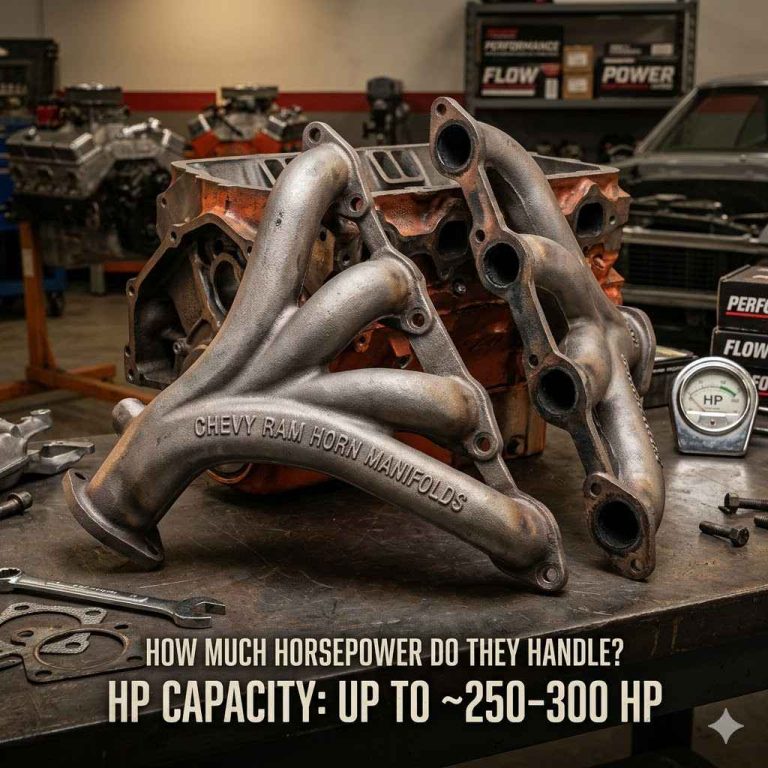
Engines like the 396, 454, and the SS variants often came with cast-iron manifolds designed for better exhaust flow. These might have slightly different port shapes or internal runners. They are more desirable for performance builds and tend to be more valuable due to higher demand from muscle car enthusiasts looking to maximize their engine’s output.
Smog Equipment Manifolds
In some regions, 1970 Chevelles were equipped with smog pumps and associated exhaust manifolds. These manifolds often have extra ports or provisions for the smog system. While essential for period-correct smog-equipped restorations, they may be less desirable for those building a pure performance car without emissions equipment. However, their specific nature can make them rare and valuable for the right buyer.
Aftermarket vs. Original Equipment Manufacturer (OEM)
The distinction between original equipment manufacturer (OEM) parts and aftermarket alternatives is critical when discussing value. OEM parts are those that came directly from the car manufacturer, while aftermarket parts are made by other companies.
OEM Parts Value
Original GM exhaust manifolds for a 1970 Chevelle are highly prized. They are made from specific materials and to exact specifications that can be difficult or impossible to perfectly replicate. For collectors and those seeking a factory-correct restoration, OEM parts are the only acceptable option, driving up their value.
Aftermarket Alternatives
Many companies produce reproduction exhaust manifolds for classic cars. While these can be functional and allow a restoration to be completed, they are generally worth less than OEM parts. Their value depends on the quality of the reproduction, the reputation of the manufacturer, and how closely they mimic the original design and appearance.
High-Performance Aftermarket
Some aftermarket companies produce high-performance exhaust headers, which are very different from factory manifolds. Headers are designed for maximum exhaust flow and engine power. While these are valuable for performance builds, they are a separate category and not directly comparable to the value of original cast-iron manifolds.
Where to Find and Sell 1970 Chevelle Exhaust Manifolds
Locating and selling 1970 Chevelle exhaust manifolds requires knowing the right places and understanding how to present them. The classic car community is quite specific, and certain venues cater better to these niche parts. Whether you’re hunting for a rare set or looking to cash in on what you have, these channels are key.
Online Marketplaces
The internet has become a central hub for buying and selling classic car parts. Numerous platforms connect sellers with buyers, offering a wide reach and competitive pricing. It is essential to understand which platforms are best suited for exhaust manifolds.
eBay
eBay is a prime destination for finding and selling all sorts of car parts, including exhaust manifolds. Its auction format can sometimes drive prices up for desirable items, while “Buy It Now” options offer immediate sales. Sellers need to provide clear photos and detailed descriptions, including casting numbers, to attract buyers.
Specialist Classic Car Parts Websites
There are many websites dedicated solely to classic and muscle car parts. These often have sections for specific makes and models, making it easier for buyers to find what they are looking for. Some sites also function as online communities where enthusiasts share information and list parts for sale.
Enthusiast Forums and Social Media Groups
Online forums and Facebook groups dedicated to the 1970 Chevelle or classic muscle cars are excellent places to list parts. These communities are filled with knowledgeable enthusiasts who are actively searching for specific components. It’s a great way to reach a targeted audience.
Swap Meets and Car Shows
For many classic car enthusiasts, attending swap meets and car shows is a traditional and effective way to find rare parts and connect with other collectors. These events offer a tangible way to inspect parts before purchasing.
Regional Swap Meets
Many cities and regions host dedicated automotive swap meets throughout the year. These events often attract a wide variety of vendors selling everything from complete engines to small nuts and bolts. Being present at these events can provide opportunities to find exhaust manifolds that might not be listed online.
Major Car Shows
Large national car shows, like those hosted by classic car clubs or major automotive event organizers, often have extensive swap meet areas. These can be goldmines for rare and hard-to-find parts due to the sheer volume of vendors and attendees.
Direct Inspection
A major advantage of swap meets is the ability to physically inspect the exhaust manifolds. You can check for cracks, warping, and the general condition of the cast iron before making a purchase, which reduces the risk of buying a damaged part.
Private Collectors and Dealers
Sometimes, the best way to find or sell valuable classic car parts is through direct contact with individuals who specialize in these items. This can involve established dealers or private collectors who are either looking to acquire parts or sell off excess inventory.
Classic Car Dealers
Specialized classic car dealers often have a good inventory of parts or know where to source them. They may have a network of contacts and a reputation for quality. However, prices from dealers might be higher due to their overhead and services.
Private Collector Networks
Building relationships with other collectors can lead to exclusive opportunities. Enthusiasts often trade or sell parts among themselves, bypassing public marketplaces. This can be beneficial for finding rare items or selling parts quickly.
Consignment Services
Some businesses offer consignment services for selling classic car parts. They handle the marketing, sales, and shipping, taking a percentage of the sale price. This can be a good option if you have valuable parts but lack the time or expertise to sell them yourself.
Estimating the Value of Your 1970 Chevelle Exhaust Manifolds
To get a clear idea of what your 1970 Chevelle exhaust manifolds are worth, you need to do a little homework. It involves looking at the current market and carefully assessing the specifics of your parts. Think of it like being a detective for classic car values.
Researching Recent Sales Data
The most accurate way to gauge value is by looking at what similar items have recently sold for. This real-world data helps set realistic expectations for what buyers are willing to pay today.
Check Completed Listings
On platforms like eBay, look for “sold” or “completed” listings for 1970 Chevelle exhaust manifolds. This shows actual sale prices, not just what people are asking. Pay attention to the condition, completeness, and any specific features of the manifolds that sold.
Monitor Online Forums and Classifieds
Regularly check specialized classic car forums and classified ad sites. Enthusiasts often post parts for sale there, and observing the prices and how quickly items move can provide valuable insight. Note if the part was a rare variant or in exceptional condition.
Consult Classic Car Price Guides
While less precise than real-time sales data, classic car price guides can offer general estimates for parts. However, these guides might not always reflect the most current market fluctuations or the specific condition of your manifolds.
Assessing Your Manifolds’ Condition and Features
Your specific manifolds have unique characteristics that determine their individual worth. A detailed inspection is necessary to pinpoint their strengths and weaknesses.
Identify Casting Numbers and Date Codes
Locate any numbers stamped or cast onto the manifolds. These are critical for identifying their originality and specific application. Research these numbers to confirm they are indeed for a 1970 Chevelle and for the correct engine. Date codes indicate when they were manufactured.
Inspect for Damage
Carefully examine for cracks, especially around exhaust ports and mounting holes. Check for signs of warping on the mating surfaces where they attach to the cylinder heads. Significant rust, pitting, or previous amateur repairs can lower the value considerably.
Note Any Special Features
Does your manifold have any unique designs or features associated with performance engines or specific factory options? For example, larger ports or specific shapes might indicate they are from a high-performance big-block engine, which would increase their value.
Determining Your Selling Strategy
How you choose to sell your manifolds can significantly impact the final price you receive. Each selling method has its pros and cons.
Selling as a Set vs. Individually
Most buyers prefer a complete set of left and right manifolds for a matching restoration. Selling them together typically yields a higher overall price than selling them separately. However, if one manifold is significantly rarer or in better condition, selling individually might be considered.
Restored vs. As-Is
Decide whether to sell the manifolds in their current condition or invest in restoration. A professional restoration, including cleaning, inspection, and potentially crack repair, can increase value but also costs money and time. Selling “as-is” appeals to buyers who want to do their own work or who are on a tighter budget.
Pricing for Quick Sale vs. Maximum Profit
If you need to sell quickly, price them competitively based on your research. If you have time and a rare set, you can aim for the higher end of the market value. Consider the platform you use; some may offer faster sales but lower returns.

FAQ
Question: Are 1970 Chevelle exhaust manifolds made of cast iron
Answer: Yes, original 1970 Chevelle exhaust manifolds are typically made of cast iron, a common material for exhaust components due to its heat resistance and durability.
Question: How do I find the casting numbers on my manifolds
Answer: Casting numbers are usually stamped or cast directly into the metal of the manifold. You will need to clean the manifold to find them, and they are often located on the underside or sides.
Question: Can cracked exhaust manifolds be repaired and still be valuable
Answer: Yes, minor cracks can sometimes be professionally repaired, but this process can be costly and may affect the manifold’s overall value compared to an uncracked original. Significant cracks often make a manifold less desirable.
Question: Are reproduction manifolds as valuable as original ones
Answer: No, reproduction manifolds are generally worth significantly less than original equipment manufacturer (OEM) manifolds, especially for collectors seeking authenticity.
Question: What is considered a “performance” manifold for a 1970 Chevelle
Answer: Performance manifolds are typically those designed for higher horsepower engines like big-blocks (396, 454) or specific performance packages, often featuring slightly different port designs or larger internal runners for better exhaust flow.
Summary
Understanding What Are 1970 Chevelle Exhaust Manifolds Worth? involves looking at originality, condition, engine application, and current market demand. Original GM cast-iron pieces in good shape from performance engines are the most valuable. Research recent sales and identify your manifolds’ specific features. Selling as a set on collector forums or specialist sites often yields the best results.
Related pick: Check today's price on Amazon