Are All D Series Exhaust Manifolds the Same? Unveiling Truth
Are all D Series exhaust manifolds the same? If you’ve ever asked yourself this question, you’re not alone.

ALL STATES DP
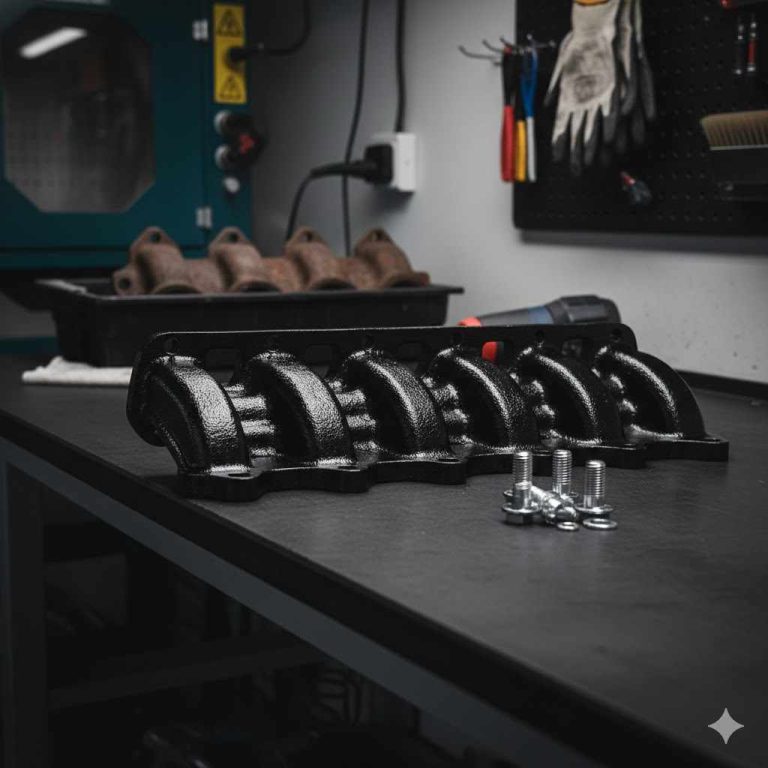
New Complete Exhaust Manifold for 12.7L Detroit…
- Type: Exhaust Manifold with Mounting Kit
- Fit: for 12.7L Detroit Diesel Series 60
- Primarily used in Freightliner & Western Star Trucks
As an Amazon Associate I earn from qualifying purchases.
You’re likely here because you want to know if the exhaust manifold on your vehicle makes a difference or if one is as good as another. Whether you’re a car enthusiast looking to upgrade your ride or simply curious about what’s under the hood, understanding the nuances of D Series exhaust manifolds can make a big difference in performance and efficiency.
Picture this: you’re cruising down the highway, and your car purrs like a contented cat. That smooth, powerful drive could be closer than you think, all thanks to the right exhaust manifold. By the end of this article, you’ll not only know if all D Series exhaust manifolds are the same, but you’ll also be equipped with the knowledge to make the best choice for your vehicle. Stick around to discover how this seemingly small component can impact your car’s overall performance.
Types Of D Series Exhaust Manifolds
When diving into the world of D Series exhaust manifolds, it’s easy to get overwhelmed by the variety of options available. Each type offers unique benefits that can significantly impact your vehicle’s performance. Understanding these differences is crucial for making an informed decision that aligns with your needs and driving style. Let’s explore the different types to see which one might be the best fit for you.
Cast Iron Manifolds
Cast iron manifolds are known for their durability and reliability. They can withstand high temperatures without warping, making them a dependable choice for everyday use. While they might not offer the best airflow, their robustness ensures a long lifespan. You might find that their affordability and stability make them a great option if you’re looking for something that won’t break the bank.
Tubular Manifolds
Tubular manifolds, also known as header-style manifolds, offer improved airflow compared to cast iron. They are designed to enhance performance, making them popular among enthusiasts seeking a boost in power. However, they require more maintenance due to their construction and can be pricier. If you enjoy tinkering with your car and crave that extra horsepower, these might be worth considering.
Performance Manifolds
Performance manifolds are tailored for those who desire optimal engine efficiency and power. They are often made from lightweight materials like stainless steel or aluminum. These manifolds maximize exhaust flow, helping you achieve the best output. Investing in a performance manifold can transform your driving experience, but you might wonder if the cost is justified by the gains.
So, which type speaks to you the most? Consider your driving habits and goals. Whether you’re prioritizing reliability, performance, or a mix of both, there’s a D Series exhaust manifold out there to match your needs. Remember, the right choice can make all the difference in your vehicle’s performance and your driving satisfaction.
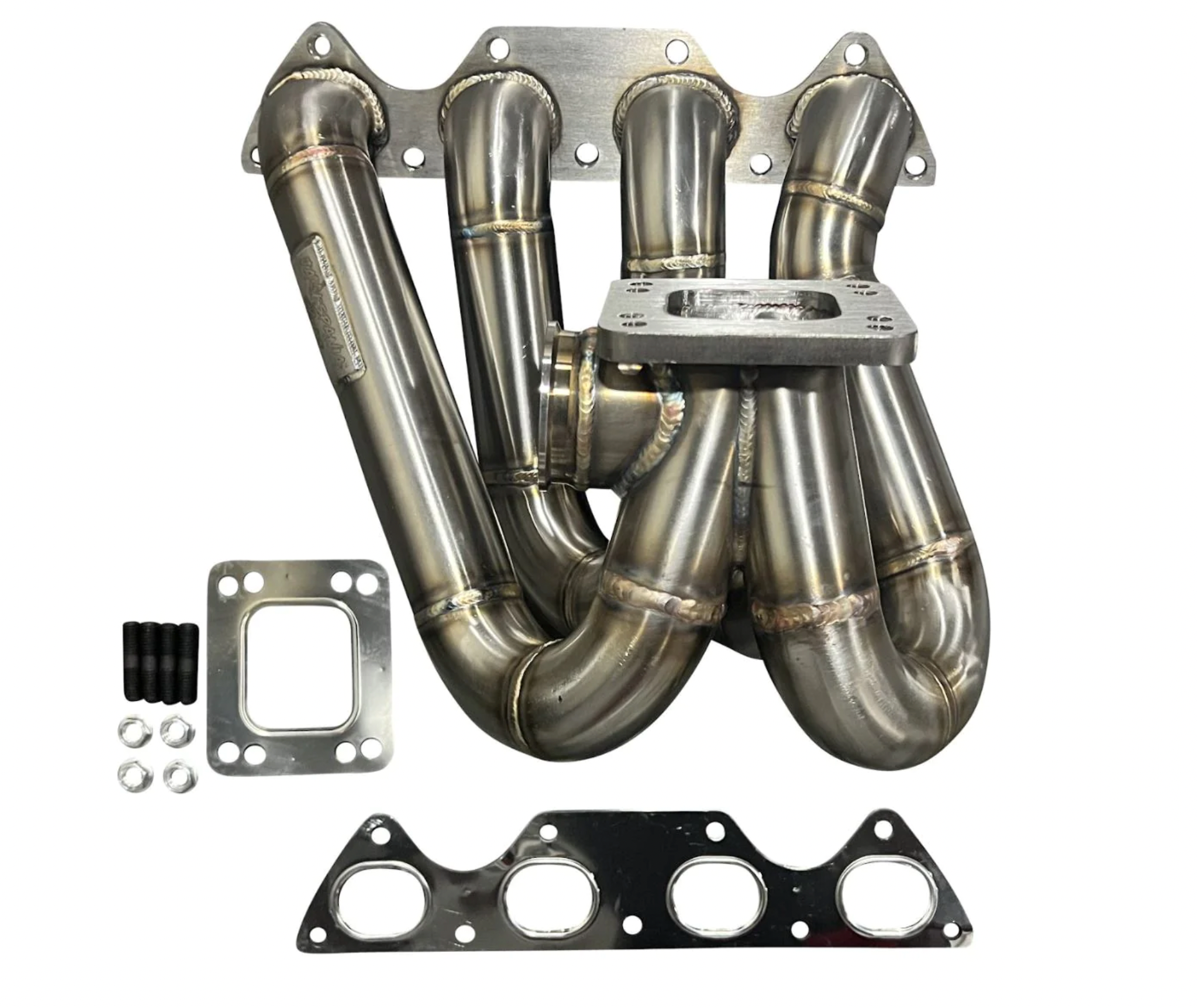
Credit: jackspaniaracing.shop
Key Differences In Design
When you think about exhaust manifolds, it’s easy to assume they’re all the same, especially within the D Series category. But the reality is, the design differences can be pivotal. Not all manifolds are created equal, and understanding these distinctions can help you make an informed choice. Let’s explore the key differences in design that set D Series exhaust manifolds apart.
Material Variations
The material used in an exhaust manifold significantly impacts its performance and durability. Some are made from cast iron, which is known for its strength and resistance to heat, making it a popular choice for stock manifolds.
Others opt for stainless steel, offering superior corrosion resistance and a lighter weight. This choice can enhance the performance of your vehicle by reducing the load on the engine. Consider which material suits your driving needs and environment.
Structural Differences
Structural design is another key factor. Some manifolds have a tubular design, which can improve exhaust flow and efficiency. This can result in better performance and fuel economy.
In contrast, log-style manifolds are more compact and often easier to install. They might not provide the same flow efficiency but can be a practical choice for tight engine bays. Think about your vehicle’s layout and installation ease when deciding.
Flow Characteristics
Flow characteristics determine how well exhaust gases are expelled from the engine. A manifold with smooth bends and equal-length tubes can optimize the flow, reducing back pressure and enhancing performance.
It’s like a well-coordinated dance, where every move matters. On the other hand, uneven or abrupt bends might hinder flow, affecting your car’s power output. Consider how much performance enhancement you’re seeking versus convenience.
Have you ever wondered how these differences impact your daily drive? Choosing the right exhaust manifold can transform your driving experience. Take a moment to assess your priorities and vehicle needs before making your decision. Remember, it’s not just about fitting the part; it’s about fitting the part that fits your lifestyle.
Impact On Engine Performance
The exhaust manifold is a crucial part of your engine that can greatly influence its performance. If you’re tinkering with D Series engines, you might wonder: are all D Series exhaust manifolds the same? Understanding the impact on engine performance can help you make better choices for your vehicle.
Power Output
Different exhaust manifolds can lead to variations in power output. A well-designed manifold can enhance the flow of exhaust gases, providing a slight boost in horsepower. You might notice a more responsive throttle or a smoother acceleration. It’s akin to giving your engine room to breathe, allowing it to perform at its peak.
Consider how a change in manifold design could affect your driving experience. Have you ever felt your car struggle on steep hills? A manifold that optimizes exhaust flow might be the upgrade you need.
Fuel Efficiency
Fuel efficiency isn’t just about saving money at the pump; it’s also about maximizing engine performance. A poorly designed exhaust manifold can cause inefficient combustion, wasting fuel. By selecting the right manifold, you could potentially improve your miles per gallon.
Imagine driving a long distance without constantly worrying about refueling. Are you making the most of every drop of fuel in your tank?
Heat Management
Heat management is another factor where exhaust manifolds play a vital role. A manifold that manages heat well ensures your engine doesn’t overheat. Excessive heat can lead to engine damage, shortening its lifespan.
Think about those times when you’ve been stuck in traffic on a hot day. Wouldn’t you prefer an engine that remains cool and reliable, ensuring peace of mind?
In conclusion, not all D Series exhaust manifolds are the same. It’s essential to consider these aspects to enhance your vehicle’s performance. What changes could you make today to improve your engine’s efficiency and longevity?
Compatibility And Fitment
Exhaust manifolds play a crucial role in engine performance. They guide exhaust gases from the engine to the exhaust system. Not all D Series exhaust manifolds fit every engine model. Understanding compatibility ensures optimal engine performance.
Engine Variants
D Series engines have various models. Each model may require a specific exhaust manifold. Differences in engine design affect manifold fitment. Always check the engine variant before purchasing a manifold.
Modification Considerations
Car enthusiasts often modify their vehicles. Modifications can alter the exhaust manifold requirements. Custom exhaust setups may need unique manifold designs. Consider all modifications when choosing a manifold.
Installation Challenges
Installing an exhaust manifold can present challenges. Space constraints in the engine bay often complicate the process. Misaligned bolts or incorrect manifold size can cause issues. Proper tools and patience are essential for a successful installation.
Market Options And Availability
Finding the right exhaust manifold for your D Series engine is crucial. The market offers various options catering to different needs and preferences. Whether you seek performance enhancements or reliability, understanding what’s available is essential. This section will explore the choices, diving into OEM and aftermarket options, popular brands, and cost implications.
Oem Vs Aftermarket
OEM exhaust manifolds come from the original car manufacturer. They ensure a perfect fit and maintain vehicle integrity. They often offer reliable performance, but may not boost power. Aftermarket options cater to performance enthusiasts. These manifolds often provide better airflow and increased horsepower. They come in various designs and materials, offering flexibility.
Popular Brands
Several brands dominate the exhaust manifold market. Brands like Skunk2 and PLM offer high-performance solutions. They focus on improving engine efficiency and power output. Megan Racing and DC Sports also provide quality aftermarket manifolds. They are known for durability and performance enhancements. Researching brand reputation is crucial before making a purchase.
Cost Implications
OEM manifolds often have a higher price tag. They guarantee fit and longevity, justifying the cost. Aftermarket options range from budget-friendly to premium-priced. Basic models offer some performance gains at a lower cost. High-end aftermarket manifolds can be quite expensive. Investing more can lead to significant performance improvements.

Credit: www.ebay.com
Choosing The Right Exhaust Manifold
Finding the ideal exhaust manifold for your D Series engine can be challenging. Each manifold offers unique benefits, catering to different needs. Understanding these differences helps make informed decisions. It ensures your vehicle performs at its best.
Performance Goals
Consider what you want from your vehicle. Do you need more power? Or is better fuel efficiency your aim? Some manifolds boost horsepower. Others enhance torque. Choose based on your driving style. Racing enthusiasts often prefer high-performance manifolds. Daily drivers may opt for efficiency-focused options.
Budget Constraints
Cost plays a crucial role in manifold choice. High-performance options can be expensive. Basic versions are more affordable. Balance performance with budget. Investing in quality might save money long-term. Cheaper manifolds may wear out faster. This leads to more frequent replacements.
Long-term Durability
Durability affects the lifespan of your exhaust manifold. Quality materials last longer. They resist wear and tear effectively. Stainless steel is a popular choice. It withstands high temperatures. Cast iron is durable but heavier. Choose materials based on your vehicle’s needs. Long-lasting manifolds reduce maintenance costs. They ensure consistent performance over time.

Credit: www.tegiwa.com
Frequently Asked Questions
Are D Series Exhaust Manifolds Interchangeable?
No, not all D Series exhaust manifolds are interchangeable. Variations exist due to engine design differences. Compatibility depends on specific D Series models and years. Always check the fitment specifications before purchasing or swapping manifolds to ensure proper installation and performance.
Do Exhaust Manifolds Affect Engine Performance?
Yes, exhaust manifolds impact engine performance. They influence exhaust flow and back pressure, affecting power output. Properly designed manifolds can enhance performance, while inefficient ones may hinder it. Choosing the right manifold for your D Series engine is crucial for optimal functioning.
How Can I Identify My D Series Manifold?
Identifying your D Series manifold involves checking part numbers and model compatibility. Look for markings on the manifold itself or consult your vehicle’s documentation. Online forums and manufacturer databases can also aid in identifying the correct manifold for your engine model.
Are Aftermarket Manifolds Better Than Oem?
Aftermarket manifolds can offer performance improvements over OEM versions. They often feature enhanced designs for better exhaust flow. However, quality varies, and some may not fit as precisely as OEM parts. Research thoroughly and consider reputable brands for optimal performance gains.
Conclusion
Choosing the right D series exhaust manifold matters. Each has unique features. Different designs affect performance and compatibility. Some boost power; others enhance efficiency. Your car’s needs should guide your choice. Consider factors like fit, material, and your driving style.
Research and compare options before deciding. Investing time in understanding these differences pays off. The right manifold can improve your car’s performance and lifespan. Make an informed decision for the best results. Your vehicle will thank you.
Related pick: Check today's price on Amazon