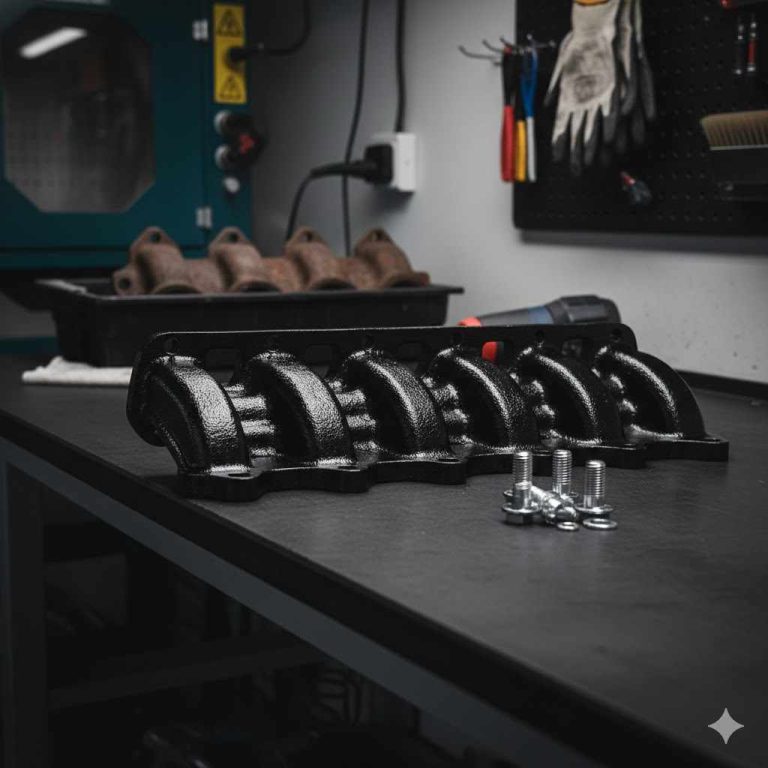
Are Exhaust Manifold Heat Shields Necessary: Essential Insights
Have you ever popped the hood of your car and wondered about all the different parts and pieces? Among the many components, the exhaust manifold heat shield might not stand out at first glance.

Dorman
Dorman 674-905HS Exhaust Manifold Heat Shield Compatible…
- Effective replacement - designed to match the fit and function of the stock exhaust manifold heat shield on specific vehicle appli…
- Durable construction - this heat shield is made of stamped steel to withstand underhood heat and conditions
- Cost-effective solution - replaces a damaged or missing heat shield without replacing the exhaust manifold
As an Amazon Associate I earn from qualifying purchases.
However, this unassuming part plays a vital role in your vehicle’s performance and safety. You might be asking yourself, “Are exhaust manifold heat shields really necessary? ” By the end of this article, you’ll understand why this small part could make a big difference in your driving experience.
Dive in to discover how it protects both your car and your wallet, and why neglecting it could lead to costly repairs. Stay with us to learn how this component affects your vehicle’s efficiency and longevity, and make sure your car remains in top shape.
Purpose Of Exhaust Manifold Heat Shields
Exhaust manifold heat shields might seem like a mundane part of your vehicle, but they hold significant importance. You might wonder why they’re necessary, especially if you’ve never experienced an issue without one. Let’s delve into their purpose and why they are crucial for your car’s performance and your safety.
Heat Management:Exhaust manifold heat shields primarily serve to manage the intense heat produced by the engine. Without them, the extreme temperatures can affect nearby components, potentially causing damage or reducing their lifespan.
Protection for Vital Parts:Imagine driving on a scorching summer day, your engine working hard. The heat shield prevents the heat from reaching sensitive parts like wiring and hoses, preserving their integrity. Without it, you risk melting or warping these components.
Preventing Heat Transfer:Have you ever noticed how hot the hood of your car can get? Heat shields minimize the heat transfer from the manifold to the hood and other areas. This keeps your vehicle cooler and more efficient.
Safety And Comfort
Ensuring Passenger Comfort:A well-functioning heat shield also contributes to the comfort inside your vehicle. It prevents excess heat from permeating the cabin, ensuring a pleasant ride even on long journeys.
Reducing Fire Risk:Have you considered the risk of a fire without adequate heat protection? The heat shield acts as a barrier, reducing the risk of combustible materials catching fire due to high temperatures.
Cost Vs. Benefit
Longevity of Car Parts:You might think skipping a heat shield saves money. However, the long-term costs of replacing damaged components far outweigh the initial investment in a heat shield.
Energy Efficiency:A car running at optimal temperature is more fuel-efficient. This means you save money on gas and contribute to a greener environment. Isn’t that a worthwhile trade-off?
Final Thoughts
Would you risk the safety and performance of your vehicle for a minor upfront cost? An exhaust manifold heat shield is a small investment that pays off in significant ways, from safety to efficiency. The next time you check under your car’s hood, give a nod to the humble heat shield—it’s working hard to keep your ride smooth and safe.
Benefits Of Heat Shields
Exhaust manifold heat shields play a crucial role in vehicle performance. They protect engine components from excessive heat. This helps in maintaining engine efficiency and longevity. By reducing heat in the engine bay, they prevent damage and enhance safety. Essential for optimal vehicle function.
When you pop the hood of your car, you might not immediately notice the humble heat shield. Yet, this small component plays a crucial role in protecting your engine’s performance and longevity. Let’s dive into the benefits that exhaust manifold heat shields bring to the table.
Heat Reduction
Heat is the enemy of most engine components. An exhaust manifold heat shield keeps excess heat away from sensitive parts. This means your engine bay stays cooler, reducing the risk of overheating. Ever felt the scorching heat radiating from your car after a long drive? A heat shield helps manage that heat, making your vehicle safer to handle and maintain. It effectively redirects the heat away, ensuring your car’s components are not subjected to unnecessary thermal stress.
Component Protection
Car engines are intricate systems with various components working in harmony. Excessive heat can damage important parts, such as wiring, hoses, and plastic components. A heat shield acts as a barrier, protecting these vital parts from heat damage. Imagine your car’s components like a well-rehearsed orchestra. Heat shields ensure that the instruments (components) don’t warp under pressure, maintaining the symphony of your engine. This protection extends the lifespan of engine parts, saving you from frequent repairs and replacements.
Improved Performance
Does the idea of squeezing extra performance from your car excite you? Heat shields can help achieve that. By keeping the engine bay cooler, they improve air intake efficiency, leading to better combustion. A cooler engine bay also means the engine can operate at optimal temperatures. This improves fuel efficiency and power output, enhancing your driving experience. So, if you’re looking to get the most out of your ride, don’t overlook the importance of a good heat shield. Next time you think about car maintenance, consider the benefits that a heat shield offers. Have you experienced performance issues that a heat shield might solve? Let us know your thoughts!
Types Of Heat Shields
Exhaust manifold heat shields play a crucial role in ensuring the longevity and efficiency of your vehicle’s exhaust system. They protect other engine components from excessive heat and keep the exhaust gases at optimal temperatures for better performance. But did you know that there are different types of heat shields available, each with unique benefits? Choosing the right one can make all the difference in your vehicle’s performance. Let’s dive into the types of heat shields you can consider.
Metal Heat Shields
Metal heat shields are among the most common options. They are typically made from stainless steel or aluminum. Their main advantage is durability, as metal can withstand high temperatures without warping or degrading.
Have you ever touched a metal surface after it’s been exposed to heat? It cools down quickly, right? That’s exactly why metal heat shields are preferred. They dissipate heat fast, protecting your engine components from damage.
While metal shields might be slightly heavier, they offer a robust solution for those looking for long-term protection. If you’re aiming for a durable option, this might be your go-to.
Composite Heat Shields
Composite heat shields are made from a mix of materials like fiberglass or carbon fibers. They offer a lightweight alternative to metal shields. If you’re concerned about adding weight to your vehicle, composites might be appealing.
Imagine having a shield that’s easy to install and doesn’t weigh your vehicle down. Composite shields provide this convenience while still offering effective protection against heat.
But be cautious; composites may not be as durable as metals in extremely high temperatures. Consider your driving conditions before opting for this type.
Ceramic Heat Shields
Ceramic heat shields stand out for their excellent thermal insulation properties. These shields are known for their ability to handle extremely high temperatures. They’re often used in racing cars where heat management is crucial.
Have you ever seen a potter work with ceramic? It can withstand intense heat without cracking. Ceramic shields share this trait, making them perfect for high-performance applications.
While they might be more expensive, if you want top-notch heat management, ceramic shields could be worth the investment. Are you willing to pay a bit more for superior protection?
Ultimately, your choice of heat shield depends on your vehicle’s needs and your budget. Whether you prioritize durability, weight, or thermal management, there’s a heat shield out there that fits your requirements. Make an informed decision and keep your engine running smoothly!
Credit: www.spyderchat.com
Installation Considerations
When you’re ready to install an exhaust manifold heat shield, there are several key considerations to keep in mind to ensure your vehicle runs smoothly and safely. Understanding these elements can save you time and money, while maximizing the performance of your car. Let’s dive into the specifics of installation considerations.
Fit And Compatibility
Not all heat shields are created equal. Your vehicle’s make and model play a crucial role in determining the right fit. Always check the manufacturer’s specifications to ensure compatibility. A poorly fitted shield can lead to rattling noises and even damage over time. Have you ever tried to fit a puzzle piece where it didn’t belong? It’s frustrating and ineffective. The same goes for heat shields.
Material Selection
The material of the heat shield can impact its effectiveness and durability. Common materials include aluminum, stainless steel, and fiberglass. Each has unique properties that cater to different needs. For instance, aluminum is lightweight and corrosion-resistant. Stainless steel is durable but heavier. Consider the climate you drive in and your vehicle’s specific demands when choosing a material. Does your car face harsh weather conditions? Material choice matters.
Professional Vs. Diy Installation
Are you a hands-on car enthusiast, or do you prefer leaving it to the pros? DIY installation can save money but might require specific tools and expertise. If you’re confident in your skills, tackle the installation yourself. However, professional installation ensures precision and peace of mind. It’s worth weighing the pros and cons. Think about your comfort level with tools and vehicle mechanics. Are you ready to take on this challenge, or would professional expertise save you from potential headaches?
Common Issues And Solutions
Exhaust manifold heat shields play a crucial role in protecting engine components from excessive heat. Without them, nearby parts may suffer damage or wear out quickly. Installing these shields can prevent heat-related issues, extending the lifespan of your vehicle’s engine and enhancing overall performance.
When it comes to maintaining your vehicle, the exhaust manifold heat shield might not be the first thing on your mind. However, neglecting it can lead to several issues. Let’s dive into some common problems and practical solutions to keep your vehicle running smoothly.
Heat Shield Damage
Heat shields can suffer damage due to intense heat and vibrations over time. You might notice cracks or holes in the shield, which can reduce its effectiveness. Regular checks can help you spot damage early. If you notice any signs of wear, replacing the heat shield is often the best solution.
Noise And Vibration
Have you ever been puzzled by strange noises coming from your vehicle? A loose or damaged heat shield might be to blame. It can cause rattling sounds, especially at high speeds. Tightening loose bolts or replacing the shield can often eliminate this annoyance.
Corrosion Problems
Exhaust manifold heat shields are prone to corrosion, especially if you live in an area with lots of moisture or road salt. This can weaken the shield, reducing its ability to protect other components. To combat this, consider applying a rust-resistant coating to the shield. Regular cleaning can also extend its lifespan. Why wait until these issues become severe? Addressing them early can save you time and money. Have you ever dealt with a heat shield problem? Share your experiences in the comments.
Cost Vs. Benefits
Exhaust manifold heat shields play a crucial role in vehicle performance. Many car owners wonder if they are worth the cost. Let’s explore the cost versus benefits. This will help you make an informed decision.
Initial Investment
Buying a heat shield isn’t too expensive. Most heat shields are affordable. They fit into most budgets. The initial cost varies by model. Some high-end vehicles may need pricier shields. But, for most vehicles, a heat shield is a manageable cost. Investing in a good one can save you money later.
Long-term Savings
Heat shields protect other engine parts. They keep excess heat away. This can reduce the chance of damage. Repairing heat-damaged parts is costly. A heat shield helps you avoid these repairs. It also improves fuel efficiency. By reducing heat, your engine works better. This means you use less fuel over time. Long-term, this can lead to significant savings.
Impact On Vehicle Resale
A well-maintained vehicle sells faster. Buyers look for signs of care. An installed heat shield is a good sign. It shows the owner valued the vehicle. This can increase resale value. It can also speed up the sale process. People are willing to pay more for a well-cared vehicle. A heat shield can be a small investment with big returns.
Alternatives To Heat Shields
When it comes to protecting your exhaust manifold from heat, traditional heat shields are just one option. But what if you’re looking for alternatives? Perhaps you’re restoring a classic car or customizing your vehicle for better performance. Understanding the alternatives can help you make an informed decision that suits your needs. Let’s dive into some of the popular substitutes for heat shields and see how they stack up.
Heat Resistant Paint
Heat resistant paint is a simple yet effective solution. You can easily apply it yourself, saving both time and money. Unlike bulky shields, paint offers a sleek finish, preserving the aesthetic of your engine bay. But, does it actually work? Yes, many car enthusiasts swear by it for reducing surface temperatures.
Think of it as a protective layer, much like sunscreen for your exhaust manifold. However, you might need to reapply it over time. It’s a practical option if you want to keep things straightforward.
Thermal Wraps
Thermal wraps offer another interesting alternative. Imagine wrapping your manifold like a burrito with a high-temp fabric. These wraps are known for their ability to insulate heat effectively. They can reduce engine bay temperatures, which might enhance performance.
On the flip side, they require a bit of skill to apply correctly. Have you ever tried wrapping a gift perfectly? It can be tricky! Still, if you’re up for the challenge, thermal wraps could be your go-to.
Custom Fabrication
If you enjoy hands-on projects, custom fabrication might catch your interest. Here, you design and create a heat shield tailored to your vehicle. It’s like crafting a bespoke suit for your car. This option allows for maximum customization, ensuring perfect fit and function.
Yet, it demands technical know-how and access to fabrication tools. Are you up for creating something unique? This option could be rewarding if you love DIY and want something truly personalized.
Have you considered any of these alternatives? Each option offers unique benefits and challenges. Understanding your needs and skills can lead you to the perfect solution for your exhaust manifold. So, what will you choose?
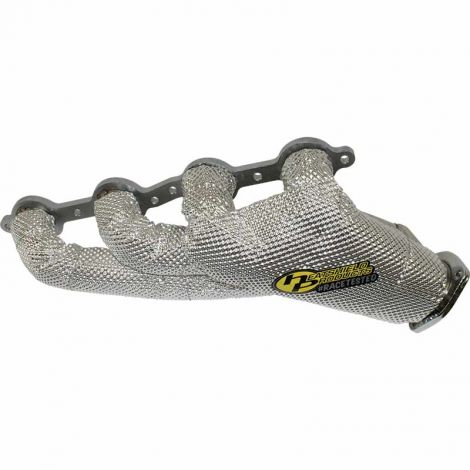
Credit: heatshieldproducts.com
Expert Opinions
Understanding the role of exhaust manifold heat shields can be complex. Expert opinions offer valuable insights into their necessity. From engineers to mechanics, each expert provides a unique perspective. This section delves into their insights and experiences.
Automotive Engineer Insights
Automotive engineers emphasize the importance of heat shields. They protect vital engine parts from excessive heat. Without them, engine components may wear out faster. Engineers often highlight their role in enhancing vehicle performance. By managing heat, heat shields ensure engine efficiency. They also help maintain optimal operating temperatures.
Mechanic Perspectives
Mechanics often deal with heat shield issues directly. They see the damage caused by missing or faulty shields. Mechanics report frequent problems due to excessive heat exposure. They stress the shield’s role in preventing engine damage. Many mechanics recommend regular checks on heat shield conditions. Keeping them intact can save costly repairs.
Consumer Feedback
Consumers often share their experiences with heat shields. Many notice reduced engine noise with effective shields. Some mention a decrease in engine compartment heat. Feedback often highlights improved driving comfort. Consumers appreciate the added protection for engine parts. They value the peace of mind heat shields offer. Proper functioning shields enhance overall vehicle reliability.

Credit: zircotec.com
Frequently Asked Questions
What Is An Exhaust Manifold Heat Shield?
An exhaust manifold heat shield is a protective component that covers the exhaust manifold. It helps prevent heat damage and shields nearby engine parts from excessive heat. It also reduces the risk of heat transferring to the vehicle cabin.
Why Are Heat Shields Important?
Heat shields are crucial for protecting vehicle components from high temperatures. They prevent engine overheating and protect sensitive parts like wiring and hoses. Without them, heat can cause damage, leading to costly repairs and reduced engine performance.
Can You Drive Without A Heat Shield?
Driving without a heat shield can lead to engine damage. Excessive heat may harm nearby components, causing wear and potential failure. It can also affect your car’s performance and increase the risk of fire hazards.
How Does A Heat Shield Improve Performance?
A heat shield maintains optimal engine temperature, improving efficiency and performance. It prevents heat from affecting other engine parts, ensuring smooth operation. By keeping temperatures stable, it contributes to better fuel economy and engine longevity.
Conclusion
Exhaust manifold heat shields play a crucial role in vehicle safety. They protect vital components from heat damage. Without them, engine parts may wear out faster. This can lead to costly repairs. Heat shields also help maintain engine efficiency. They ensure optimal performance by keeping temperatures stable.
Skipping on a heat shield? Not a good idea. It’s a small investment for long-term benefits. Many drivers overlook this essential component. Don’t be one of them. Prioritize your engine’s health. Ensure your vehicle runs smoothly. Stay informed. Make wise choices for your car’s longevity.
Related pick: Check today's price on Amazon