How Important Are MK4 Jetta Heat Shields?
If you own a MK4 Volkswagen Jetta, you might wonder about its heat shields. Many car owners, especially those new to DIY car care, find questions about vehicle parts confusing. Understanding their purpose can seem tricky at first.

MOTOKU
MOTOKU A/C Heat Control Air Conditioning Switch…
- Compatible with: 1999, 2000, 2001, 2002, 2003, 2004 for Volkswagen Jetta Mk4
- Compatible with: 1999, 2000, 2001, 2002, 2003, 2004, 2005 for Volkswagen Golf Mk4
- Compatible with: 1998, 1999, 2000, 2001, 2002, 2003, 2004 for Volkswagen Passat B5
As an Amazon Associate I earn from qualifying purchases.
But don’t worry, this guide will break down How Important Are MK4 Jetta Heat Shields? in simple steps. We’ll cover everything you need to know to keep your Jetta running smoothly and safely. Get ready to learn what these parts do and why they matter.
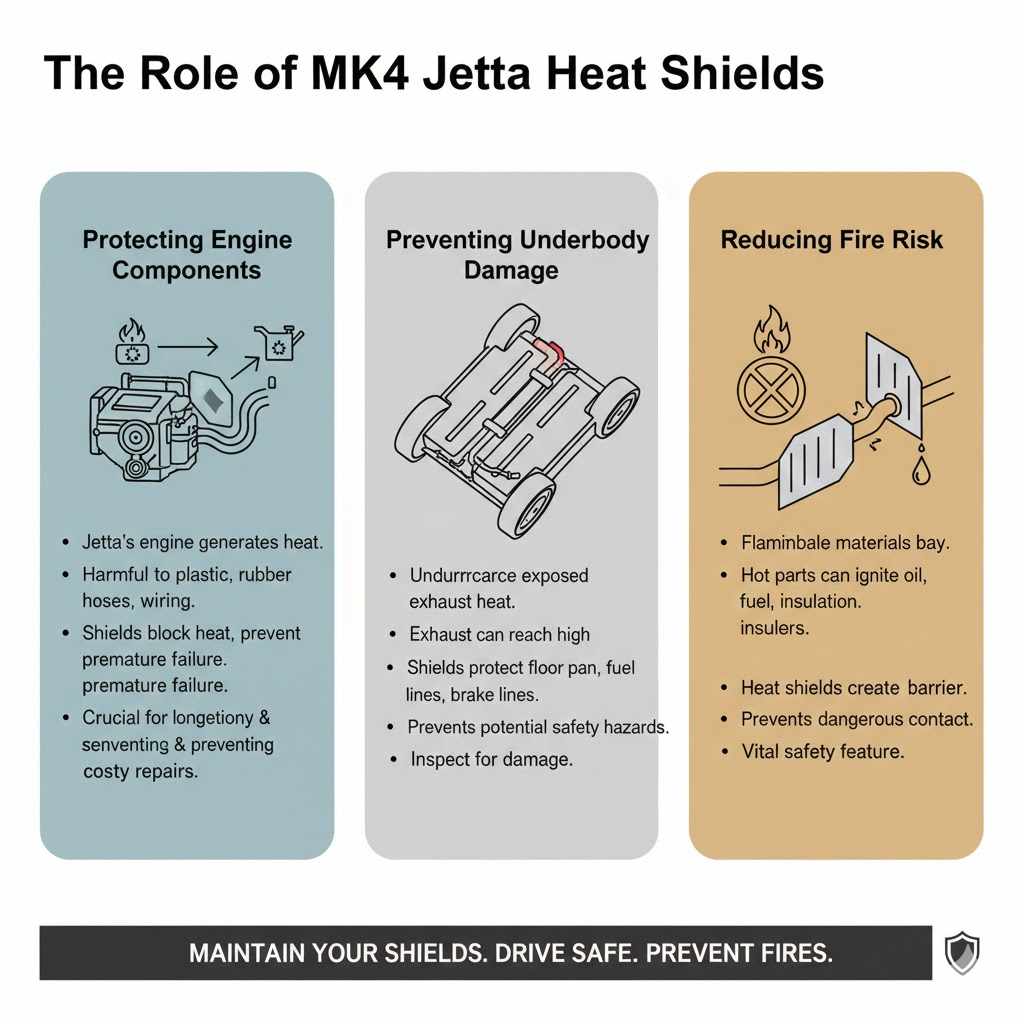
The Role of MK4 Jetta Heat Shields
Heat shields are often overlooked parts of a vehicle, but they play a vital role in protecting various components from excessive heat. For your MK4 Jetta, these shields are essential for maintaining safety and preventing damage to surrounding parts. They act like a barrier, keeping high temperatures away from sensitive areas. This is especially important in an engine bay where numerous hot components are working together. Ignoring their condition can lead to unexpected issues down the road.
Protecting Engine Components
Your Jetta’s engine generates a lot of heat during operation. This heat can be harmful to plastic parts, rubber hoses, and electrical wiring if not managed properly. Heat shields are strategically placed to block this heat. They prevent premature aging and failure of these nearby components, which could otherwise become brittle and crack. This protection is key to the longevity of your engine’s supporting systems.
Keeping engine components cool is not just about performance; it’s also about preventing costly repairs. For example, a heat shield near the exhaust manifold protects crucial wiring that could melt if exposed to prolonged high temperatures. This simple barrier can save you from needing to replace melted harnesses, a job that can be both time-consuming and expensive.
Preventing Underbody Damage
The underside of your car is also exposed to heat, particularly from the exhaust system. Exhaust systems can reach very high temperatures as they expel hot gases from the engine. Heat shields positioned beneath the vehicle protect the floor pan, fuel lines, and brake lines from this intense heat. Without them, these vital parts could be damaged, leading to potential safety hazards like fuel leaks or compromised braking systems.
Imagine driving on a hot day; the components under your car are already dealing with external heat. Now add the extreme heat from the exhaust. A properly functioning heat shield acts as a crucial insulator, creating a buffer zone.
This prevents the metal of your floor pan from becoming excessively hot, which could affect the comfort inside the cabin and, more importantly, the integrity of the materials underneath.
A damaged heat shield on the underside could allow heat to transfer directly to the fuel tank or lines. Over time, this excessive heat can degrade the fuel system components, making them more prone to leaks. A fuel leak is a serious fire hazard, making the inspection and maintenance of these heat shields a top priority for vehicle safety.
Reducing Fire Risk
One of the most critical functions of heat shields is to reduce the risk of fire. The engine compartment and exhaust system are areas where flammable materials like oil, fuel, and insulation are present. If hot exhaust components or engine parts come into direct contact with these materials, a fire can ignite. Heat shields create a barrier that prevents this dangerous contact, acting as a vital safety feature.
Consider a scenario where oil leaks onto a hot exhaust pipe. Without a heat shield in place, the oil could easily ignite. The heat shield, however, would deflect the direct heat from the exhaust pipe, preventing the oil from reaching its ignition point.
This simple physical barrier significantly lowers the likelihood of a fire starting from such a common occurrence.
The Federal Bureau of Investigation (FBI) has noted that vehicle fires can sometimes be linked to exhaust system issues. While heat shields aren’t the sole cause, their absence or damage can contribute to conditions where a fire becomes more probable. Statistics from the National Fire Protection Association (NFPA) indicate that vehicles are a significant source of fires annually, underscoring the importance of all safety systems, including heat management.
Common Issues With MK4 Jetta Heat Shields
Over time, heat shields can degrade, become damaged, or even detach from their mounting points. This is due to constant exposure to heat, vibrations from the road, and environmental factors like moisture and salt. Recognizing these common issues is the first step in addressing them. Many owners encounter these problems, making them familiar challenges for MK4 Jetta drivers.
Corrosion and Rust
Metal heat shields are susceptible to rust and corrosion, especially in areas with harsh weather conditions or where road salt is used. Rust can weaken the metal, leading to holes or even complete disintegration. A corroded heat shield may lose its effectiveness as a barrier and can also break apart, creating road hazards.
Rust often starts in small areas, perhaps where the shield is scratched or where water collects. Over months and years, this rust spreads, eating away at the metal. Eventually, the shield can become so weak that it falls off.
If a section breaks away while driving, it can cause damage to other vehicles or even become lodged in your own car’s undercarriage, leading to further issues.
A visual inspection can often reveal the extent of rust. Look for flaky orange or brown patches, especially around the edges and mounting points. If you see significant rust, it’s a sign that replacement is likely needed soon.
Ignoring even minor rust can lead to a larger problem, transforming a small issue into a costly repair.
Loose or Missing Fasteners
Heat shields are attached using various bolts, clips, and hangers. Over time, these fasteners can loosen due to vibration, or they might rust and break. When fasteners fail, the heat shield can become loose, rattle against other parts, or hang precariously. In severe cases, the entire shield can detach and fall off.
A loose heat shield can create an annoying rattling noise while driving. This noise often gets louder at certain speeds or when going over bumps. It’s not just a sound issue; it indicates that the shield is not secured and could potentially fall off.
This also means it’s not performing its protective function effectively.
Sometimes, a heat shield might be missing entirely. This could be because it fell off and was never replaced, or it may have been removed during previous repairs and not put back on. If you’re unsure if your heat shields are all present, it’s a good idea to check them.
A quick look underneath your car can reveal if any are missing their protective coverings.
Damage from Impact
The heat shields, especially those on the underside of the vehicle, are exposed to potential impacts from road debris, speed bumps, or curbs. A significant impact can bend, tear, or puncture a heat shield. This damage compromises its ability to protect the components it’s meant to shield and can also create sharp edges that could cause further damage or injury.
If you’ve recently hit a large pothole or scraped the bottom of your car, it’s wise to inspect the heat shields. Even if there isn’t a visible rattle, the shield might have sustained internal damage that could affect its integrity. A bent shield might not sit flush anymore, leaving gaps for heat to escape or be directed improperly.
A damaged heat shield can also become a snag point for other debris. If a piece of plastic or road gunk gets caught on a bent or torn shield, it could pull it further loose or even tear it off completely. This highlights how even minor visible damage can lead to more significant problems over time.
How To Identify MK4 Jetta Heat Shield Problems
Identifying problems with your MK4 Jetta’s heat shields doesn’t require a mechanic’s expertise. Simple observations and sounds can often point to an issue. Being aware of what to listen and look for can help you catch problems early, before they become major concerns.
Listen for Unusual Noises
The most common sign of a failing heat shield is an unusual noise. This often starts as a metallic rattling or buzzing sound. The noise might be more noticeable at certain speeds, when accelerating, or when going over bumps. It’s the sound of a loose or vibrating heat shield.
Think of it like a loose piece of metal flapping in the wind. As you drive, air flows under your car, and this can cause a loose heat shield to vibrate or flap against other parts of the exhaust system or the car’s chassis. This vibration is what creates the rattling sound you might hear.
Sometimes, the noise might sound like a ticking or scraping, especially if the shield is bent and rubbing against something. If you hear any new or persistent metallic noises coming from under your car, it’s worth investigating. Don’t just turn up the radio; try to pinpoint the source of the sound.
Visual Inspection Under the Car
A simple visual inspection can reveal a lot about the condition of your heat shields. Safely raise your car on jack stands or use a car lift. Once the car is secure, look at the exhaust system and around the engine bay for the metallic shields. Check for signs of rust, damage, or missing fasteners.
When you’re looking, pay attention to how the shields are attached. Are all the bolts and clips in place? Are the shields sitting flat against the exhaust or other components, or are they hanging loose?
Look for any holes, tears, or bending in the metal. Also, check if any shields appear to be missing entirely.
It’s also a good idea to gently try to wiggle the shields. If one feels very loose or moves excessively, it’s a strong indicator that its mounting points are failing or have failed. This hands-on check can confirm what your ears might have already told you about a potential problem.
Check Engine Light
While not a direct indicator, a malfunctioning heat shield could indirectly contribute to issues that trigger the check engine light. For instance, if a heat shield fails near an oxygen sensor, it could lead to inaccurate readings due to temperature fluctuations, eventually causing the sensor to report a problem. However, this is a less common and indirect symptom.
Heat shields are primarily mechanical components. They don’t have sensors themselves. But, if a heat shield fails and causes a significant temperature issue in a specific area of the exhaust system, that issue might affect the performance of sensors like oxygen sensors or catalytic converters.
These sensors are directly monitored by the car’s computer, which will illuminate the check engine light if it detects a fault.
If your check engine light comes on, and you also notice rattling sounds or visual signs of damage to your heat shields, it’s a good idea to have both issues checked. Sometimes, addressing the heat shield problem might resolve the underlying cause of the check engine light.
Repairing and Replacing MK4 Jetta Heat Shields
Addressing issues with MK4 Jetta heat shields is usually straightforward. Depending on the problem, you might be able to repair a damaged shield, or it may be more practical to replace it entirely. Proper repair or replacement ensures your car remains safe and protected from excessive heat.
DIY Repair Options
For minor issues like small holes or loose fasteners, some DIY repairs are possible. You can often use high-temperature exhaust repair tape or a specialized metal patch kit to fix small holes. For loose shields, replacing missing bolts or adding new clamps can sometimes secure them.
Exhaust repair tape is a strong, heat-resistant tape that can be wrapped around damaged areas of a heat shield. It hardens when exposed to heat, creating a durable patch. Make sure to clean the area thoroughly before applying the tape for the best adhesion.
If a heat shield is just slightly bent, you might be able to gently bend it back into place using tools, ensuring it sits flush again. However, be careful not to over-bend or crack the metal, as this can lead to further damage. Always ensure any repair is secure and won’t come loose.
When to Replace a Heat Shield
If a heat shield is heavily rusted, significantly damaged, or has fallen off and is beyond simple repair, replacement is the best course of action. Heat shields are relatively inexpensive parts, and replacing them is often a DIY-friendly job for many car owners.
When purchasing a replacement heat shield, ensure it’s specifically designed for your MK4 Jetta model and year. Using the correct part guarantees proper fitment and effective heat protection. You can find these parts at auto parts stores or online.
If you’re not comfortable working under your car or performing mechanical tasks, it’s always best to take it to a qualified mechanic. They have the tools and experience to replace the heat shield correctly and safely. The cost of professional replacement is often worth the peace of mind.
Installation Tips
When installing a new heat shield, always work on a cool exhaust system. Ensure the vehicle is securely supported on jack stands. Follow the manufacturer’s instructions for the specific heat shield you are installing. Pay close attention to the type and size of fasteners required, as they are critical for a secure fit.
One common mistake is overtightening bolts, which can strip threads or crack mounting brackets. It’s better to secure the heat shield firmly without excessive force. Make sure all mounting points are clean and free of rust before attaching the new shield.
For many heat shields, especially those around the catalytic converter or muffler, special spring bolts or locking nuts are used. These are designed to handle the expansion and contraction of the exhaust system due to heat changes. Using the correct type of hardware is crucial for a long-lasting installation.
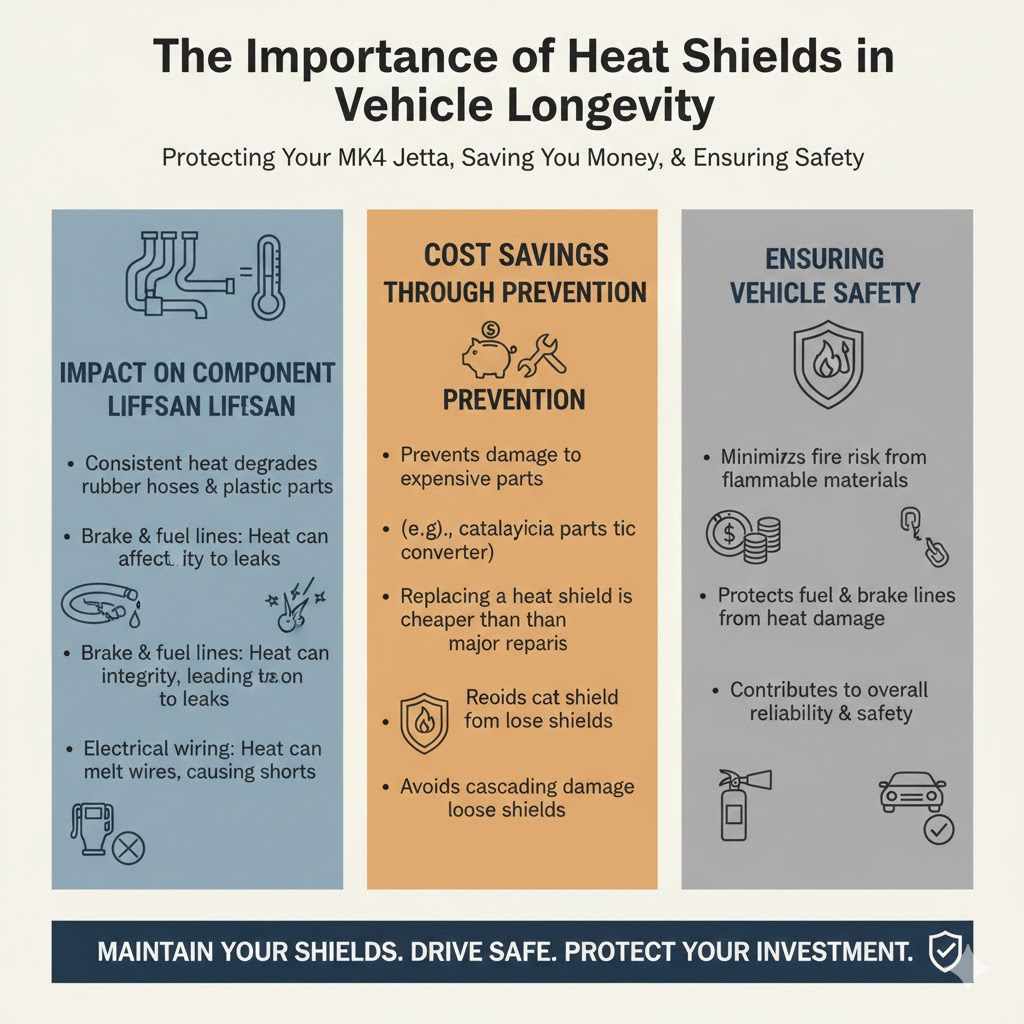
The Importance of Heat Shields in Vehicle Longevity
MK4 Jetta heat shields are more than just pieces of metal; they are critical components that contribute to the overall longevity and safety of your vehicle. By protecting sensitive parts from extreme temperatures, they help prevent premature wear and tear, reducing the likelihood of costly repairs and potential hazards.
Impact on Component Lifespan
Consider the impact of consistent, high heat on rubber hoses and plastic components. Over time, this heat can degrade these materials, making them brittle and prone to cracking or failure. A functioning heat shield acts as a shield, moderating the temperature these components are exposed to. This protection can significantly extend their lifespan.
For example, brake lines and fuel lines are often routed near hot exhaust components. Extreme heat can affect the integrity of these lines, potentially leading to leaks or reduced performance. Heat shields ensure these vital systems remain at a safe operating temperature, preventing degradation and ensuring reliable operation.
Similarly, electrical wiring harnesses can be damaged by excessive heat. Wires can melt or insulation can crack, leading to short circuits or complete electrical system failures. Heat shields prevent this by creating a thermal barrier, safeguarding the electrical systems that control everything from your ignition to your dashboard lights.
Cost Savings Through Prevention
While replacing a heat shield might involve a small upfront cost, it can save you a considerable amount of money in the long run. By preventing damage to more expensive components like engine wiring, fuel lines, or even the catalytic converter, heat shields act as a preventative measure. These are repairs that can easily run into hundreds or even thousands of dollars.
For instance, a catalytic converter can be damaged by excessive heat, which can be caused by a failing heat shield that isn’t properly deflecting heat away from it. Replacing a catalytic converter is a significant expense. A relatively inexpensive heat shield replacement could prevent such a costly issue from arising.
Furthermore, early detection and repair of heat shield issues can prevent secondary problems. A loose shield might rattle and cause damage to other parts of the exhaust system. Addressing the heat shield promptly avoids the cascading effect of minor issues turning into major, expensive repairs.
Ensuring Vehicle Safety
Above all, heat shields are a safety feature. They minimize the risk of engine fires by preventing direct contact between hot exhaust components and flammable materials. They also protect critical systems like fuel lines and brake lines from heat damage that could compromise their function, thereby ensuring your vehicle operates safely on the road.
A compromised fuel line due to heat can lead to fuel leaks, creating a serious fire hazard. Likewise, brake lines exposed to excessive heat might not function as effectively, potentially impacting your ability to stop safely. Heat shields are a silent guardian, working to prevent these dangerous scenarios.
The presence and proper function of heat shields contribute to your car’s overall reliability and safety. Regular checks can help you identify and fix minor issues before they escalate into safety concerns, giving you peace of mind every time you drive your MK4 Jetta.
Frequently Asked Questions
Question: How often should I check my MK4 Jetta heat shields
Answer: It is a good idea to check your MK4 Jetta heat shields at least once a year during routine maintenance or whenever you notice unusual rattling noises from under your car.
Question: Can I drive my Jetta if a heat shield is missing
Answer: While you can drive your Jetta without a heat shield, it is not recommended for extended periods as it increases the risk of component damage from heat and can pose a fire hazard.
Question: Are MK4 Jetta heat shields universal
Answer: No, MK4 Jetta heat shields are typically specific to the exact location on the exhaust system or engine bay and your Jetta’s model year. It’s important to get the correct part.
Question: What causes heat shields to fail
Answer: Heat shields can fail due to rust and corrosion, damage from road impacts, and the loosening or breaking of their mounting fasteners over time.
Question: Can a damaged heat shield affect my car’s performance
Answer: Directly, a damaged heat shield usually doesn’t affect engine performance. However, by failing to protect other components from heat, it can indirectly lead to issues that impact performance and trigger warning lights.
Summary
MK4 Jetta heat shields are vital for protecting your car. They prevent damage to engine parts, the underside, and reduce fire risks. Ignoring them can lead to costly repairs and safety issues. Regular checks and timely repairs or replacements are key to keeping your Jetta running safely and extending its life. Ensure yours are in good condition for peace of mind.
Related pick: Check today's price on Amazon