Do Air Filter Heat Shields Really Make a Difference?
Thinking about car upgrades? One question that pops up a lot is: Do Air Filter Heat Shields Really Work? It can seem tricky for beginners to decide. Are they worth it? This post will break it down simply. We’ll explore the main questions, explain the parts clearly, and then show you how to decide if a heat shield is right for your car. Let’s get started!
The Basics of Engine Air Intake Systems
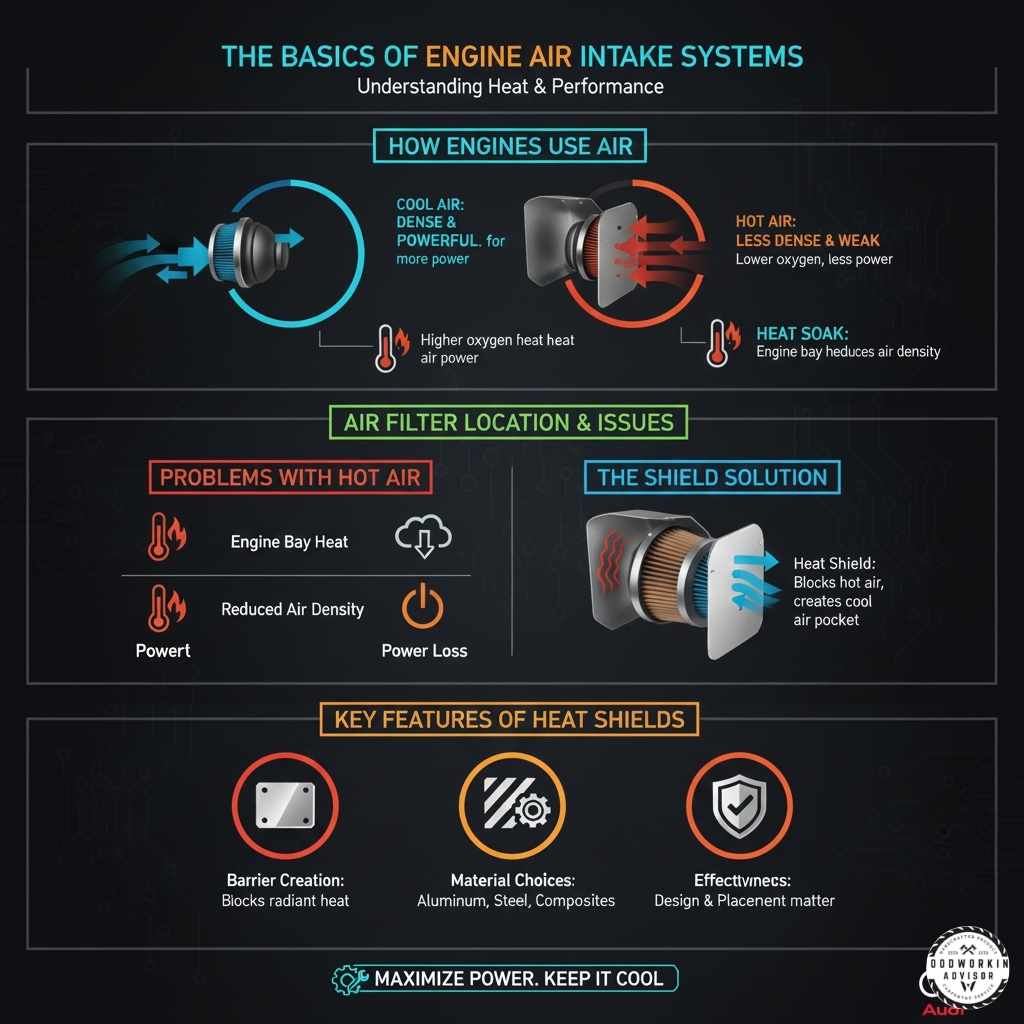
To really explore if air filter heat shields work, it helps to start with the basics. Your car’s engine needs air to burn fuel and make power. This air gets pulled in through the air intake system. This system includes the air filter, the intake tubing, and sometimes a throttle body or mass airflow sensor. The goal is to get clean, cool air to the engine. Heat can hurt engine performance because hot air is less dense than cool air. Less dense air means your engine gets less oxygen, which can impact power.
Air Filter Location and Potential Issues
Where your air filter sits is important. In many cars, the air filter is in the engine bay. This area can get hot, especially when the engine is running. Heat from the engine, exhaust, and surrounding components can warm up the air before it enters the filter. Hotter air reduces the efficiency of combustion and causes a loss of power, a phenomenon known as “heat soak.” Additionally, a poorly placed air filter can draw in hot air from radiators or the exhaust manifold.
- Engine Bay Heat: The engine bay can be a very hot environment. Running a car heats up the engine and its surroundings, including the air filter.
- Air Density: Hot air is less dense than cool air. This means there are fewer oxygen molecules in a given volume of hot air.
- Power Loss: Because of the lower oxygen content, hot air reduces the power your engine can produce. The engine won’t burn fuel as effectively.
- Filter Material: The type of air filter material affects how well it deals with heat. Some materials are better at resisting heat than others.
How Air Filter Heat Shields Work
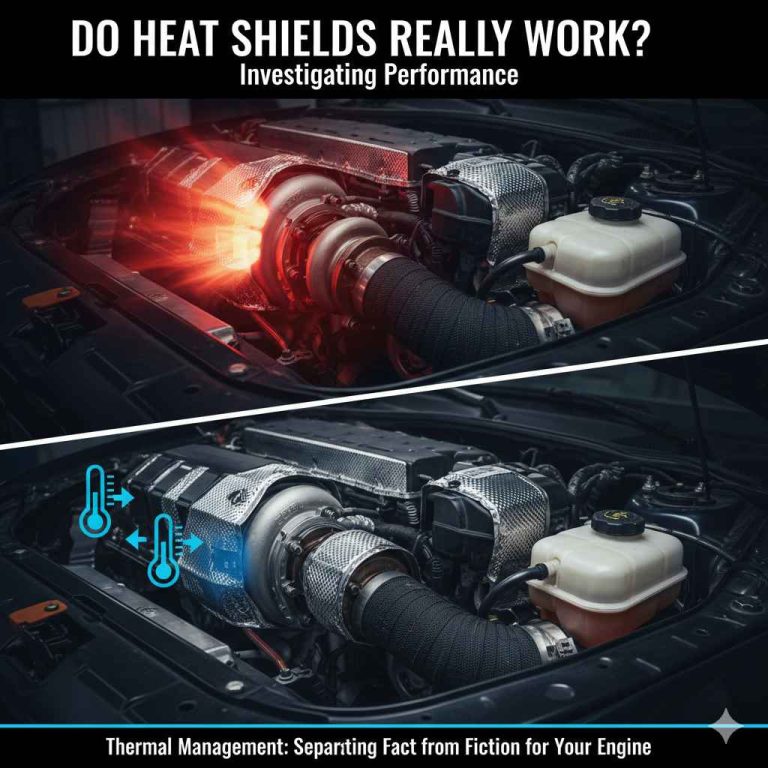
Air filter heat shields try to solve the heat problem. These shields are physical barriers usually made of metal or heat-resistant plastic. They block hot air from reaching the air filter. They create a cooler air pocket around the filter, similar to a barrier to the engine’s heat. This helps keep the air entering the engine cooler, so the engine can perform better. The shield design varies. Some shields are simple plates, while others enclose the filter entirely.
- Barrier Creation: The main job of a heat shield is to block hot air from reaching the filter.
- Material Choices: Heat shields are made from different materials. Common materials include aluminum, steel, and even composite materials.
- Placement and Design: A heat shield’s location is important. It must be close enough to the air filter to block heat.
- Effectiveness: How well a heat shield works depends on its design, material, and placement.
Examining the Benefits of Heat Shields
One of the main questions for car fans is: “Do Air Filter Heat Shields Really Work?” Let’s look at the advantages. Heat shields can help improve engine performance. They can also protect the air filter and improve engine lifespan. The best thing is you can gain power and save on fuel.
Power and Performance Advantages
The primary benefit of a heat shield is increased engine power. By blocking hot air, a shield helps the engine take in cooler, denser air. Cooler air improves combustion efficiency, giving the engine more power. You may experience better acceleration. On a dyno, a properly installed heat shield often shows gains in horsepower and torque. However, the exact amount of power gain depends on the car, the quality of the heat shield, and how hot the engine bay usually gets. Simple modifications can lead to performance increases.
- Increased Horsepower: Cooler air means more oxygen, leading to better combustion and more horsepower.
- Improved Torque: Torque, the engine’s twisting force, can also improve with a heat shield.
- Better Acceleration: With more power, the car should accelerate faster.
- Throttle Response: Some people find that a heat shield makes the engine respond to the throttle more quickly.
Protecting the Air Filter and Engine
Aside from performance, heat shields offer protection. They help keep the air filter from drying out or degrading because of heat. Hot air can cause some filter materials to break down faster. A heat shield helps prolong the life of the filter, saving you money on replacements. The cooler air also helps protect engine components by reducing heat stress. This can contribute to longer engine life, as well.
- Air Filter Lifespan: A heat shield can help your air filter last longer by protecting it from heat.
- Component Protection: By reducing heat in the engine bay, the shield may help other engine parts last longer.
- Preventing Heat Degradation: Heat can cause plastic or rubber components to break down over time.
- Cost Savings: A longer-lasting air filter means fewer replacements, saving money.
Potential Fuel Economy Improvements
While the main goal of a heat shield is power, some drivers see better fuel efficiency. A more efficient engine burns fuel more effectively. This leads to better gas mileage. However, fuel economy gains are often small and depend on how you drive. Driving style, engine type, and the quality of the heat shield all play a role in fuel efficiency. The main benefit is the improvement in engine performance due to the cooler air.
- Improved Combustion: Cooler air can lead to more complete fuel combustion.
- Better Efficiency: Even small improvements in combustion can help fuel efficiency.
- Driving Style Matters: How you drive greatly affects how much fuel you use.
- Long-Term Savings: Over time, any fuel savings can add up.
What to Consider When Choosing a Heat Shield
When selecting a heat shield, it’s important to consider several aspects. These elements help you make the best choice for your vehicle. Important factors are the materials used to construct the heat shield, proper installation, and your budget.
Heat Shield Material Choices
The materials a heat shield is made of affect how well it works. Aluminum is popular because it’s lightweight and good at reflecting heat. Stainless steel is also used. It is durable and corrosion-resistant. Composite materials, like carbon fiber, are more expensive, but are also lightweight and offer good heat protection. The best material depends on your priorities, such as durability, cost, and how much heat protection you need. Make sure it can withstand high temperatures.
- Aluminum: Aluminum is light and reflects heat well. It is a good choice for many applications.
- Stainless Steel: Stainless steel is durable and resists corrosion.
- Composite Materials: These may include carbon fiber or similar materials, and offer great heat protection.
- Material Thickness: The thickness of the material can affect how well it blocks heat.
Installation and Fitment
Correct installation is key to a heat shield’s effectiveness. The shield must fit properly around the air filter. A poor fit can reduce its effectiveness. Read the instructions carefully. Ensure all fasteners are tight. If you aren’t confident doing the installation, seek professional help. Make sure the heat shield won’t interfere with other components. A good fit will give the best performance and prevent issues. Improper placement can reduce the shield’s effectiveness.
- Proper Fit: The heat shield must fit correctly to block heat effectively.
- Clear Instructions: Always follow the manufacturer’s instructions for installation.
- Secure Fasteners: Make sure all fasteners are tight.
- Professional Help: If you are not comfortable with the installation, consider asking for professional assistance.
Budget Considerations
Heat shields come in a range of prices. Prices vary based on the materials, design, and brand. Less expensive options use basic materials. Premium heat shields may use advanced materials and have more complex designs. Consider how much you are willing to spend. Balance your budget with your goals for performance and protection. Think about the overall value. Do not only consider the initial cost. Consider its benefits, such as durability and performance gains. You can find quality options at various price points.
- Price Range: Heat shields range in price.
- Material Costs: Materials like carbon fiber often cost more.
- Value for Money: Don’t only focus on price; consider the heat shield’s benefits.
- Long-Term Costs: Consider the potential for cost savings from increased performance and engine protection.
Real-World Examples and Case Studies
To really answer the question “Do Air Filter Heat Shields Really Work?” we need examples. Practical experiences show the impact of heat shields. These examples include what results users achieved and how they installed them.
Case Study 1: Performance Gains on a Sports Car
A sports car owner wanted to improve performance. The owner installed a custom air intake system. They added an aluminum heat shield. Before the shield, the car ran at a certain speed on the track. After installing the heat shield, the car was timed on the track again. Testing showed the car accelerated more quickly. It also gained a few horsepower and improved throttle response. The owner reported feeling the difference while driving. This example shows that heat shields can make a difference in track performance.
- Car Type: Sports car with a custom air intake system.
- Modification: Installation of an aluminum heat shield.
- Results: Improved acceleration, increased horsepower, and better throttle response.
- Outcome: Noticeable improvement in track performance and driving experience.
Case Study 2: Reducing Heat Soak in a Daily Driver
A driver of a daily car noticed heat soak. This was especially obvious in slow city driving. The owner installed a heat shield around their air filter. The shield was designed to block heat from the engine and exhaust. After installation, they tested the car in city traffic. They reported less engine hesitation. The engine ran more consistently. Fuel economy slightly improved. The shield reduced heat soak. It improved the car’s everyday performance. This demonstrated a real benefit.
- Car Type: A typical daily driver, experiencing heat soak.
- Modification: Installation of a heat shield to reduce heat exposure.
- Results: Reduced engine hesitation, improved engine consistency, and slightly better fuel economy.
- Outcome: Enhanced everyday performance in city driving conditions.
Case Study 3: Dyno Testing and Air Temperature Measurements
A group of car enthusiasts decided to measure the impact of a heat shield scientifically. They used a dynamometer (dyno). They measured air intake temperatures with and without the shield. They tested the car on the dyno. They measured horsepower and torque. They found that the heat shield reduced air intake temperatures. The car then produced more horsepower. This test proved that heat shields helped. These tests give a real-world example of how heat shields work.
- Testing Method: Dynamometer testing with temperature measurements.
- Measurements: Air intake temperatures, horsepower, and torque.
- Findings: Reduced air intake temperatures, leading to higher horsepower.
- Conclusion: Heat shields were shown to increase performance.
Do Air Filter Heat Shields Really Work? – Scenarios
Imagine different situations to help you see the value of heat shields.
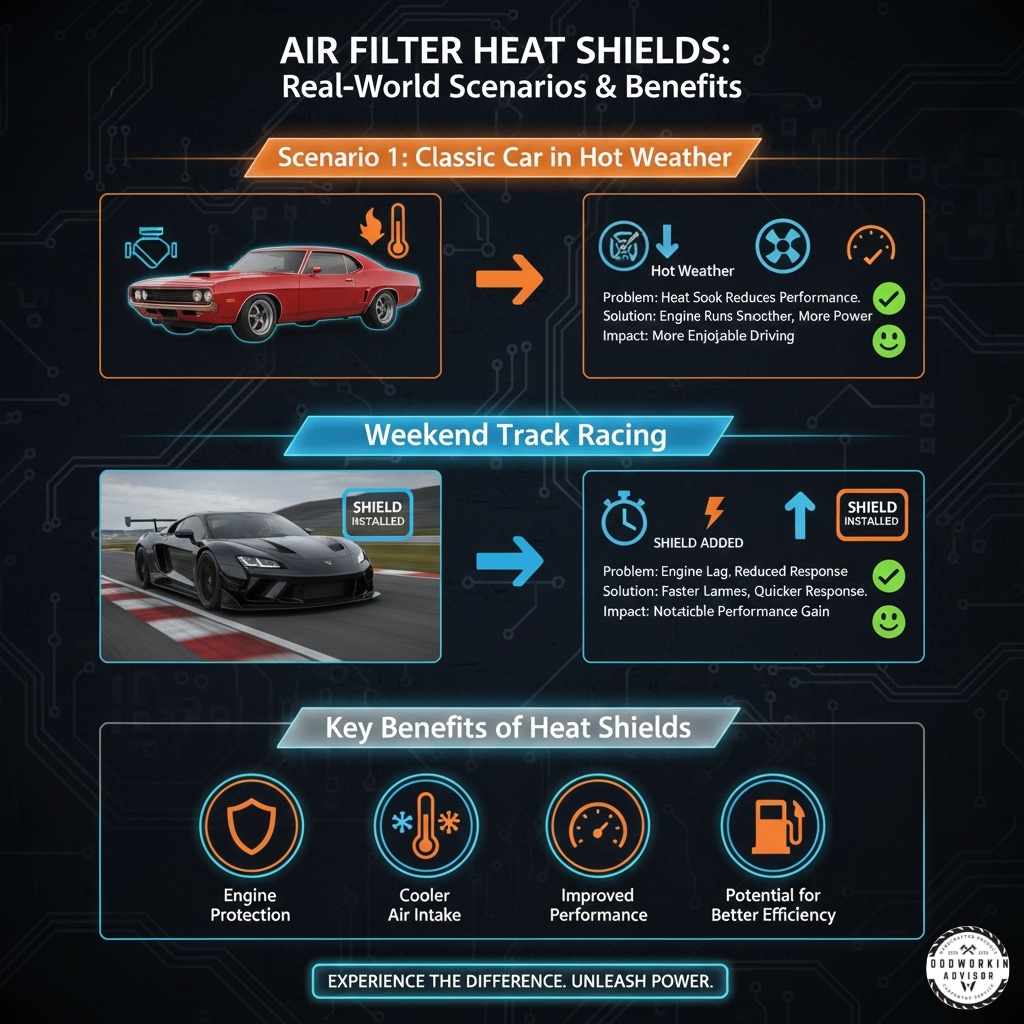
- Scenario 1: You have a classic car. You want to make your engine run better in hot weather. You install a heat shield. You can feel a difference. The engine runs more smoothly when the weather is warm. You notice that your car has a little more pep. This can make the car more enjoyable.
- Scenario 2: You enjoy racing your car on the weekends. You want to gain some extra power without making big changes to your car. You decide to add a heat shield. You take your car to the track. You see that your lap times get a little faster. You notice the engine responds more quickly. This is a noticeable improvement.
Frequently Asked Questions
Question: How do I know if my car needs a heat shield?
Answer: If you notice your car loses power in hot weather or when sitting in traffic, a heat shield could help. Consider where your air filter is located. If it’s near the engine or exhaust, a heat shield may be a good idea.
Question: Can I install a heat shield myself?
Answer: Yes, in many cases, you can install a heat shield yourself. They often come with easy-to-follow instructions. However, it’s best to have some basic mechanical skills. If you are unsure, you can seek help from a mechanic.
Question: What’s the best material for a heat shield?
Answer: Aluminum is a popular choice because it’s lightweight and reflects heat well. Stainless steel is also durable and corrosion-resistant. Composites like carbon fiber offer great heat protection but are more expensive.