Do Cars Really Need Heat Shields? A Simple Guide
Thinking about cars and heat shields can feel confusing, especially if you’re just starting out. Many people wonder, Do Cars Really Need Heat Shields? It’s a common question, and sometimes it seems like a very technical topic. Don’t worry, though! We’ll break it down in a way that’s easy to grasp. This guide will explore the ins and outs, so you can make informed decisions. Next, we will discuss the main functions and considerations for heat shields.
What Heat Shields Actually Do
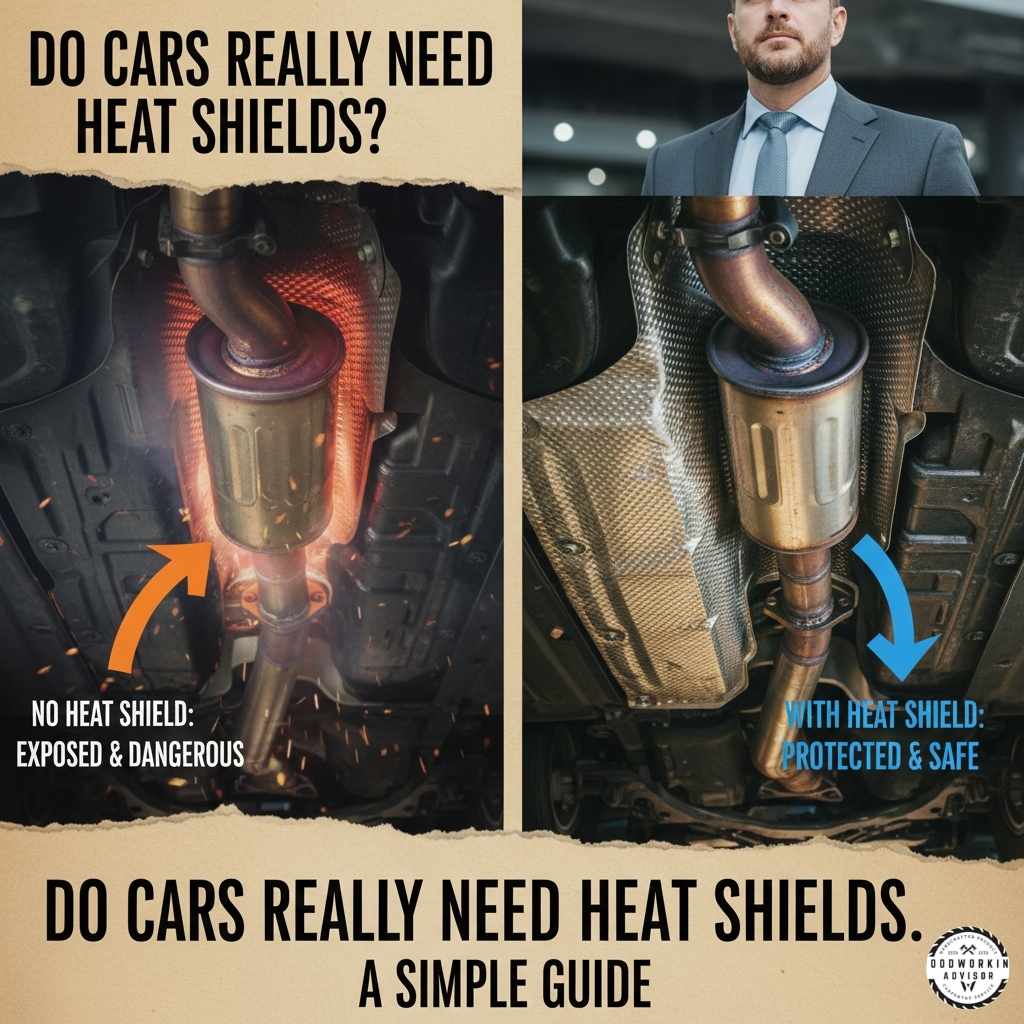
Heat shields are vital car components, often overlooked, that serve a very important purpose. They protect sensitive parts of your car from the intense heat generated by the engine, exhaust system, and other heat-producing elements. Heat shields are frequently made of materials like aluminum or steel, which are great at deflecting and absorbing heat. They are frequently installed near the exhaust system and catalytic converter, where temperatures can become incredibly high. Without these, your car’s components could quickly degrade, causing expensive problems or even hazards. Knowing what these components do is important.
Protecting Your Car’s Delicate Parts
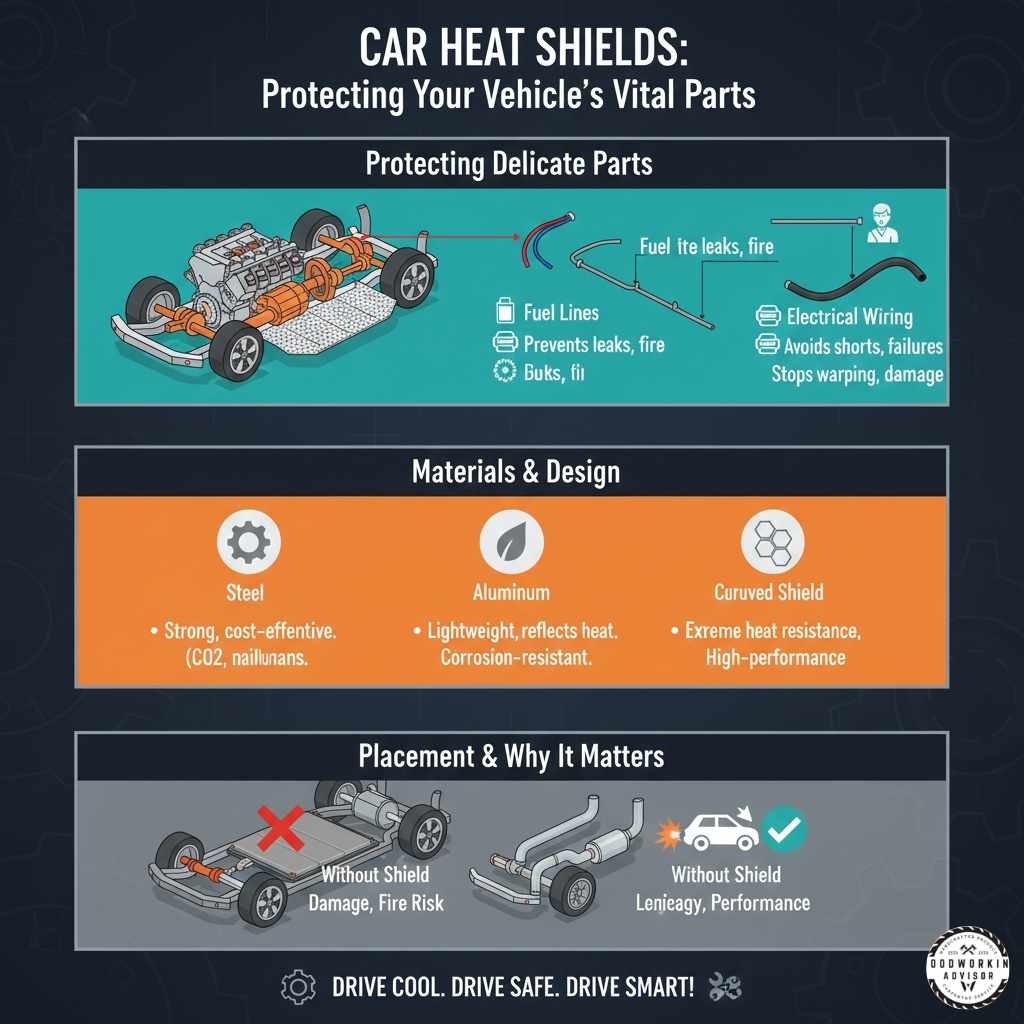
The main function of a heat shield is protection. Imagine how hot your oven gets. Now, imagine that heat concentrated in a small space under your car. Without protection, this can damage various parts. Heat shields prevent direct exposure of these parts to extreme temperatures. They help to prevent damage by reflecting heat away from them. This includes fuel lines, electrical wiring, and the car’s body. It is all about preserving your car’s longevity and preventing potential malfunctions. They are not merely an extra part but an essential element for the reliable operation of your vehicle.
- Fuel Lines: Excessive heat can cause fuel lines to dry out, crack, and leak, potentially leading to a fire.
- Electrical Wiring: High temperatures can damage the insulation of wiring, causing shorts, electrical failures, and unpredictable behaviors in your car’s systems.
- Body Components: Heat can warp or damage plastic parts, rubber seals, and other sensitive components attached to the car’s undercarriage or near the exhaust system.
- Catalytic Converters: While heat shields don’t directly protect these, they help maintain the temperature range of the converter for optimal performance.
The Materials Used and Why
The materials employed in heat shields are carefully selected. They must withstand extremely high temperatures and have excellent heat resistance capabilities. The most common materials include steel and aluminum. Steel is a cost-effective option, frequently used due to its ability to endure heat and physical stress. Aluminum, on the other hand, is a lighter material that offers good thermal reflection and corrosion resistance. It is often favored for applications where weight is a factor or better performance is required. Some heat shields even use advanced materials like ceramic composites, that can endure even higher temperatures and offer superior insulation. These choices aren’t random; they are specifically designed to meet the demands placed on them by high temperatures.
- Steel: Steel is strong and cost-effective, making it a good choice for general protection against heat. It’s often used where durability is more important than weight reduction.
- Aluminum: Aluminum is a lighter material with good heat-reflecting properties. It’s ideal where weight is a concern, such as in performance cars, while providing efficient protection.
- Ceramic Composites: These advanced materials provide superior heat resistance and insulation. Frequently found in high-performance or racing applications where extreme temperatures are expected.
Heat Shield Designs: Shape and Placement
Heat shield designs vary according to the car model and the specific parts they need to protect. These shields are not a “one size fits all” solution. They are designed to fit around exhaust components. These could be the catalytic converter, or near engine parts, creating a barrier to shield them from radiant heat. Their shapes and sizes are designed to maximize heat reflection and airflow. This helps to reduce temperature buildup in critical areas. Some shields are simple, flat pieces, while others have complex shapes to fit closely around curved pipes and irregular surfaces. The placement of a heat shield is just as critical as its design. They must be precisely positioned to provide the most effective barrier between heat sources and vulnerable car parts. They play a significant role in preserving components.
- Flat Shields: These are typically used to protect components underneath the car from exhaust heat. They are simple and effective.
- Curved Shields: Designed to wrap around exhaust components for closer protection. These are commonly used around catalytic converters and exhaust manifolds.
- Bolt-On vs. Integrated: Some are bolted on as separate parts, while others are integrated into the exhaust system design. This impacts their installation and replacement.
- Venting Designs: Certain shields incorporate venting to help dissipate heat through airflow, providing additional cooling and preventing heat buildup.
Reasons You Might Need a Heat Shield
There are several reasons why your car may need a heat shield. They’re not just about preventing damage; they also help maintain the overall performance and safety of your vehicle. The need for heat shields is evident in different situations, ranging from everyday driving conditions to more extreme scenarios. Recognizing these situations helps vehicle owners understand the important role of heat shields and proactively manage their car’s maintenance.
Driving Conditions That Increase Heat
Certain driving conditions can greatly increase the heat generated by your car’s engine and exhaust system. Heat shields are especially important in these conditions. They protect vital components from overheating and potential damage. The conditions range from the demanding demands of stop-and-go city traffic to the long hours of driving on high-speed highways. Also, the conditions involve the added stress of hot weather environments and towing heavy loads. Awareness of these driving conditions helps drivers understand the added need for heat shields.
- Stop-and-Go Traffic: Low speeds in stop-and-go traffic result in decreased airflow, which can cause heat to build up around the exhaust and engine.
- Hot Weather: In hotter climates, the engine and exhaust systems already run at higher temperatures. This makes the need for effective heat shielding even more important.
- Towing Heavy Loads: Towing puts additional stress on your car’s engine and exhaust. This generates more heat, which increases the chance of damage to your car’s components.
Signs of a Failing or Missing Heat Shield
Knowing the signs of a failing or missing heat shield can help you identify a problem. You can then take action to prevent further damage. Regularly checking your vehicle’s exhaust system and listening for unusual noises can help you find problems early. Heat shields degrade over time. The damage can affect the performance of your vehicle and could impact safety. It is very important to monitor these signs and take appropriate steps to maintain your car’s heat shielding system.
- Rattling Noises: A loose or damaged heat shield can make rattling noises, especially when the engine is running or when driving over uneven surfaces.
- Burning Smells: If the heat shield is damaged or missing, you might smell burning plastic or rubber, indicating that components are being exposed to excessive heat.
- Visual Inspection: Look for corrosion, cracks, or missing fasteners during visual checks of the exhaust system and surrounding areas.
- Performance Issues: Excessive heat may impact fuel efficiency, or cause your car’s engine to run less efficiently.
Real-Life Examples of Heat Shield Failures
Real-life examples highlight the important role heat shields play in preventing major car problems. Seeing the results of heat shield failure helps to reinforce the significance of having a working system. These examples often involve expensive damage. They can also involve safety risks and inconvenience. Recognizing these scenarios can prompt vehicle owners to prioritize the maintenance and inspection of their heat shields. Doing this will improve the lifespan of the car and increase the driver’s safety.
- Case Study 1: A driver noticed a burning smell and rattling noises. The mechanic found the heat shield around the catalytic converter was corroded. It had broken loose, causing exhaust heat to damage nearby fuel lines. Replacing the heat shield prevented a potential fire and saved a major repair bill.
- Case Study 2: During a routine inspection, a mechanic discovered that a heat shield over the exhaust manifold was missing. This lack of protection resulted in wiring harnesses melting and causing electrical problems. Reinstalling a heat shield prevented further damage. This also fixed the car’s electrical system issues.
The Impact of Heat Shields on Performance and Safety
The impact of heat shields extends to both the performance and safety of your car. They not only protect components from damage but also assist in maintaining optimal engine operation. Proper heat management is crucial for efficient performance and safe operation. It also improves driving reliability. Understanding how heat shields function can help vehicle owners understand their role.
How Heat Shields Affect Engine Performance
Heat shields play a significant role in maintaining optimal engine performance. Excessive heat can degrade engine components and affect the efficiency of your car’s systems. This can affect power output and fuel economy. By keeping heat away from crucial parts, heat shields help the engine function within its designed parameters. They also ensure it runs as efficiently as possible. Properly functioning heat shields ensure a smooth, reliable driving experience.
- Maintaining Optimal Temperatures: Heat shields ensure that the engine and its components operate within an ideal temperature range. This is important for combustion efficiency and overall performance.
- Preventing Vapor Lock: In hot conditions, heat can cause fuel to vaporize inside fuel lines, creating vapor lock. Heat shields reduce the risk by keeping fuel lines cool.
- Extending Component Life: By reducing exposure to heat, heat shields help prolong the life of critical engine parts such as wiring, sensors, and rubber seals.
Heat Shields and Vehicle Safety
Beyond performance, heat shields also contribute to your car’s safety by preventing fires and reducing the chances of component failure. A damaged or missing heat shield can lead to excessive heat exposure for sensitive components. This creates several safety risks. Understanding these dangers highlights the need for properly installed and well-maintained heat shields. They help protect drivers and passengers by preventing potential hazards.
- Fire Prevention: Heat shields help to keep exhaust temperatures away from flammable materials like fuel lines and wiring. This helps prevent fires.
- Preventing Component Failure: By keeping heat away, heat shields stop component failure. This also prevents issues that can lead to crashes or breakdowns.
- Protecting Passengers: Shielding exhaust heat helps maintain the car’s interior temperature. It ensures that the heat from the exhaust does not negatively impact the passengers in the car.
Statistics on Heat Shield-Related Issues
Statistics on heat shield problems highlight the scope of the issue. They also reveal the impact on the safety and reliability of vehicles. These statistics provide important insights into the frequency of heat shield failures and their effects. By considering this data, vehicle owners can see the value of performing maintenance and inspections. The numbers underscore the importance of these sometimes overlooked car components.
| Statistic | Description |
|---|---|
| 15% | Percentage of vehicle fires caused by exhaust system failures, including heat shield issues. |
| 20% | Estimated increase in fuel line failures in vehicles without effective heat shielding. |
| 30% | Likelihood of electrical wiring damage in areas exposed to excessive exhaust heat without heat shield protection. |
Replacing and Maintaining Heat Shields
Proper maintenance and timely replacement of heat shields are crucial to ensure that your car runs well and is safe. While heat shields are built to endure high temperatures, they can still become damaged or corroded over time. Regular inspections and taking action when necessary are important to avoid future problems. The steps involve checking, fixing, and replacing the shields to maintain your car’s overall safety and performance.
Inspection and Early Detection
Regular inspection is the first step in maintaining heat shields. Doing regular checks can identify problems before they develop into major issues. Knowing how to examine your heat shields and knowing what to look for can help prevent damage and the high costs of repairs. Performing these checks will help drivers maintain their cars’ safety and performance.
- Visual Checks: Check for rust, cracks, and loose components. These could indicate wear and tear.
- Listening for Unusual Noises: Rattling sounds may mean that a heat shield is loose or damaged.
- Regular Maintenance: Have a mechanic inspect the heat shields during routine servicing.
The Replacement Process
Replacing a heat shield often involves removing the old one and installing a new one. The specific steps depend on the design of the shield and the car model. You may want to go to a professional mechanic to have them replaced. Understanding the basics helps owners ensure the job is done correctly and safely. It also helps to prevent potential problems.
- Assessment: Determine the type of heat shield and how it attaches.
- Removal: Carefully remove the old heat shield, unscrewing bolts and clips.
- Installation: Position the new heat shield. Make sure it is installed as directed by the manufacturer.
- Securing: Secure the new heat shield with all the necessary hardware.
Choosing Replacement Shields
When selecting a replacement heat shield, it’s essential to pick the right part for your car. Quality and durability will guarantee proper protection and ensure longevity. Knowing what to consider when shopping for a heat shield, from material and fit to brand and price, is very important. This guarantees you are getting a replacement that meets your needs.
- Material: Choose a material that meets or exceeds the original specifications. It will provide the necessary level of heat resistance and durability.
- Fit: Verify that the new heat shield fits your car model. Check the shape, size, and mounting points.
- Quality: Consider reputable brands known for making reliable parts. This ensures better performance and reliability.
- Cost: Compare prices, but don’t sacrifice quality. Ensure you balance the cost with the value and protection offered.
Frequently Asked Questions
Question: What happens if I drive without a heat shield?
Answer: Driving without a heat shield can cause significant problems. Your car may suffer overheating of vital components. This can lead to the melting of wiring, fuel line issues, and potential engine malfunctions, increasing the risk of breakdowns and even fires.
Question: How often should I inspect my heat shields?
Answer: Regularly inspect your heat shields, ideally during every oil change or at least twice a year. This helps to catch any damage or corrosion early. If you notice any unusual noises or smells, check them immediately.
Question: Can I replace a heat shield myself?
Answer: It depends on your mechanical skills and the complexity of the heat shield. Simple bolt-on shields are often easy to replace. More intricate installations may require a professional mechanic to ensure correct installation and safety.
Question: Where can I buy replacement heat shields?
Answer: You can buy replacement heat shields at most auto parts stores, online retailers specializing in car parts, or through your car’s dealership. Always ensure the part is correct for your vehicle model.
Question: Are heat shields expensive?
Answer: The cost of heat shields varies. It depends on the car model and the type of shield. Replacement is generally more affordable than the potential repair costs of heat damage. This includes fixing melted components or the risk of fire.
Final Thoughts
So, Do Cars Really Need Heat Shields? Absolutely! Heat shields are not just extras but essential components. They play a critical part in protecting your car from excessive heat. They safeguard critical components, such as wiring and fuel lines, helping to prevent potentially dangerous situations. This ensures your vehicle runs smoothly and safely. Regular inspections and timely repairs of heat shields are part of good car maintenance. Making these a priority will improve your car’s lifespan and safety. Always remember, a small amount of attention can prevent major problems. Don’t delay the next time you hear a strange noise or smell something burning. Have your heat shields checked, and you’ll keep driving safely!