How Long Do Exhaust Clamps Last
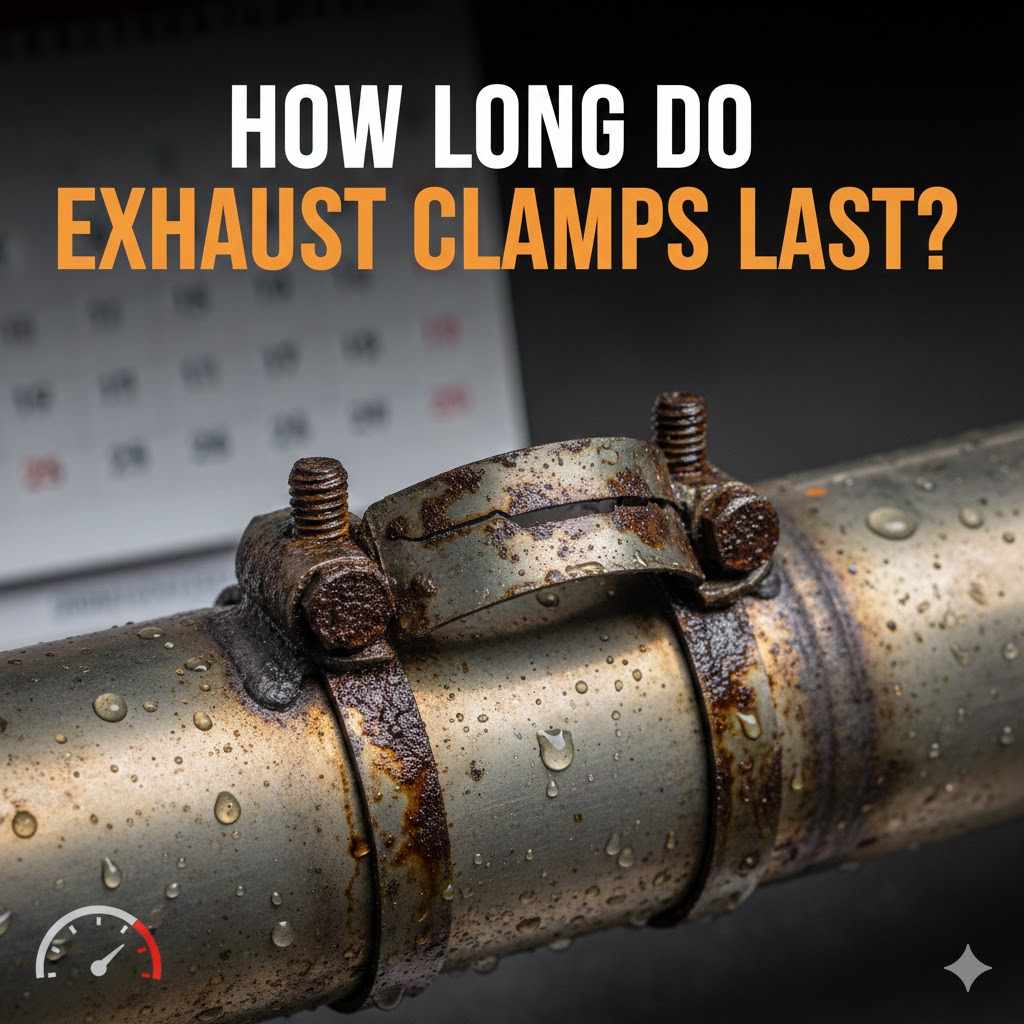
When you’re fixing your car, one question that pops up is about exhaust clamps. You might wonder, How Long Do Exhaust Clamps Last? It’s a common puzzle, especially if you’re new to car repairs. Don’t worry, figuring this out is simpler than it seems.
We’ll walk you through it step by step.
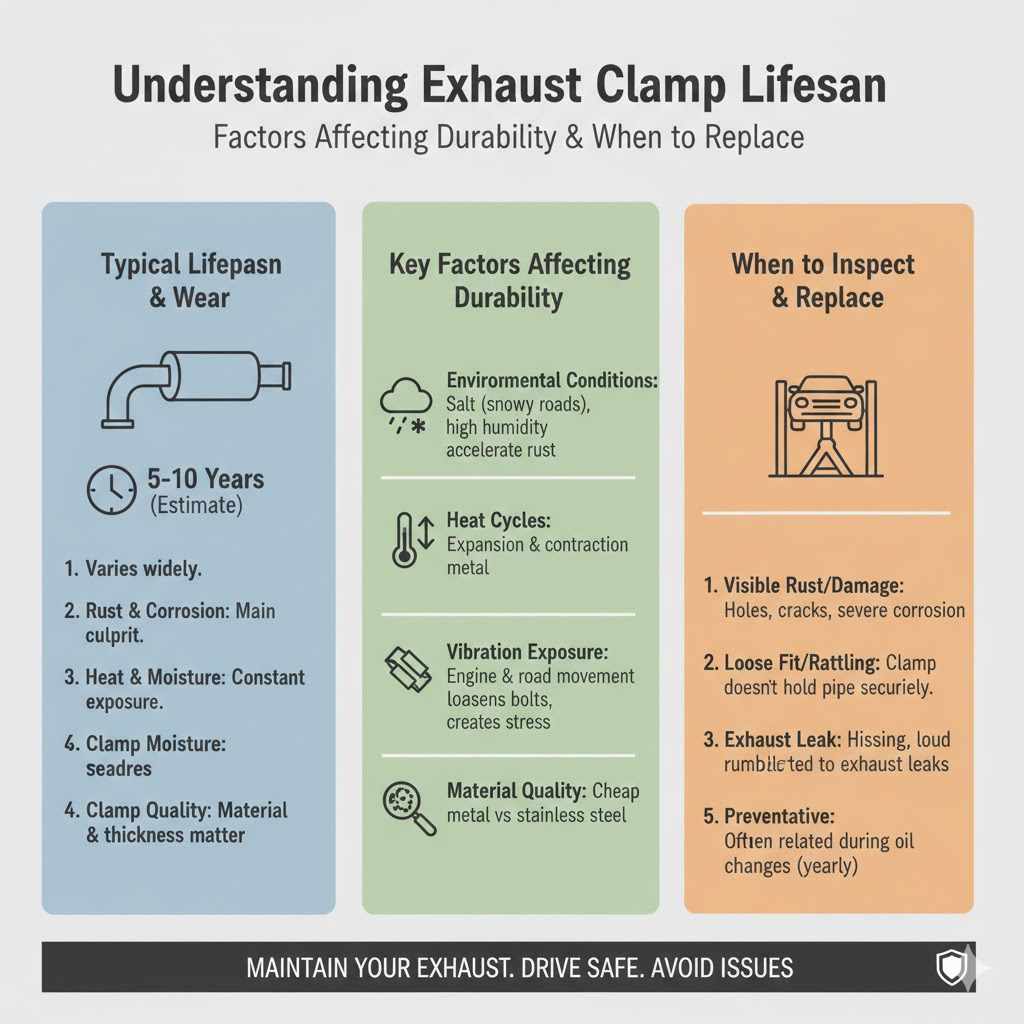
Understanding Exhaust Clamp Lifespan
This section explores the main factors that determine how long an exhaust clamp will keep your exhaust system secure. We will look at the typical life expectancy and what causes them to wear out. Understanding these points helps you know when it’s time for a replacement.
This knowledge can save you trouble down the road and keep your car running smoothly.
Typical Lifespan of Exhaust Clamps
Most exhaust clamps are built to last a good while. On average, you can expect a quality exhaust clamp to last anywhere from 5 to 10 years. However, this is a broad estimate.
Many factors influence this lifespan, and some clamps might fail sooner or last much longer.
Several things can make a clamp wear out faster. The most common reason is rust and corrosion. Exhaust systems get hot and wet, especially when it rains or when driving through puddles.
This moisture can cause the metal of the clamp to degrade over time.
The quality of the clamp itself also plays a big part. Cheaper, thin metal clamps might not hold up as well as those made from thicker, higher-grade stainless steel. The type of material used during manufacturing directly impacts its ability to resist rust and maintain its strength.
Factors Affecting Clamp Durability
The environment your car lives in significantly impacts how long exhaust clamps last. Cars that are constantly exposed to salt, like in snowy regions, will see their clamps corrode much faster. The salt acts like a catalyst for rust, eating away at the metal.
Another key factor is the heat cycle of the exhaust system. Clamps are repeatedly heated and cooled. This expansion and contraction can weaken the metal over time.
If the clamp is already stressed from rust or improper fit, this thermal cycling can lead to cracks or failure.
Vibrations from the engine and road also take a toll. Constant shaking can loosen bolts on the clamp or cause stress points to form, eventually leading to breakage. A secure fit from the start helps reduce the impact of these vibrations.
- Rust and Corrosion
The hot, wet conditions around the exhaust system are perfect for rust to form. Over time, this can eat holes in the clamp or weaken its grip. It’s a major reason why clamps fail. - Material Quality
Clamps made from cheap metal will rust and weaken much faster than those made from sturdy stainless steel. Better materials mean a longer life for your clamp. - Environmental Conditions
Driving in areas with a lot of salt on the roads, or in very humid climates, can speed up rust. The elements are tough on metal parts. - Heat Cycles
The constant heating and cooling of the exhaust system causes the metal to expand and contract. This repeated stress can lead to fatigue and eventual failure of the clamp. - Vibration Exposure
Engine and road vibrations constantly shake the exhaust system. This movement can loosen clamp bolts or create weak spots in the clamp itself.
Signs of a Failing Exhaust Clamp
Knowing when your exhaust clamp is starting to fail is important. Ignoring these signs can lead to bigger problems, like a disconnected exhaust pipe. We’ll cover the common sounds and visual cues to watch out for.
Spotting these early means you can fix the issue before it causes serious damage or makes your car unsafe to drive.
Audible Warnings
The most common warning sign is noise. When an exhaust clamp is loose or failing, you’ll often hear a rattling or buzzing sound coming from under your car. This sound gets louder when you accelerate or go over bumps.
You might also hear a loud hissing or puffing sound. This happens when exhaust gases escape through a gap created by a failing clamp. It’s a clear sign that the seal is broken.
This can make your exhaust sound much louder than usual, like a race car.
Sometimes, you might hear a metallic clanking sound. This can occur if the exhaust pipe is hitting the car’s frame because the clamp has failed to hold it in place. This is a serious issue that needs immediate attention to prevent further damage to your car.
Visual Indicators
Visually inspecting your exhaust system is also very helpful. Look for signs of rust or corrosion on the clamp itself. If you see large patches of orange or brown, it means the metal is breaking down.
Check if the clamp is still tight. Try to wiggle the exhaust pipe where the clamp is. If it moves easily, the clamp is likely loose or has failed.
You might also see a gap between the clamp and the exhaust pipes it’s holding together.
Sometimes, you’ll see black soot around the clamp or the pipe connection. This soot is exhaust gas that has leaked out. It’s a strong visual clue that the seal is not intact and the clamp is not doing its job properly.
- Rattling or Buzzing Sounds
These noises often mean a clamp is loose and the exhaust pipes are vibrating against each other or the car’s body. It’s a common early warning. - Hissing or Puffing Noises
This sound indicates that exhaust gases are escaping. A bad seal at the clamp connection is usually the culprit, making your exhaust much louder. - Metallic Clanking
If the exhaust pipe is hanging loose due to a failed clamp, it can hit other parts of the car, causing a clanking sound. This needs immediate attention. - Visible Rust or Corrosion
Look for orange or brown spots on the clamp. This is rust, a sign that the metal is degrading and weakening. - Loose or Gapped Clamp
The clamp should fit snugly. If you can easily move the pipes or see a gap where the clamp should be, it’s failing. - Soot Marks
Black soot around the connection points means exhaust gas is leaking out. This is a clear visual sign of a poor seal.
Replacing Exhaust Clamps
Replacing a faulty exhaust clamp is a task many people can do themselves. It’s a straightforward process that doesn’t require advanced mechanical skills. This section will guide you through the steps.
You’ll learn what tools you need and how to get the job done safely and correctly. A successful replacement means your exhaust system stays sealed and quiet.
Tools and Materials Needed
Before you start, gather your tools. You will likely need a socket wrench or a combination wrench that fits the nuts and bolts on your clamp. The size will vary depending on the clamp.
A penetrating oil, like WD-40, is very useful for loosening rusted bolts.
You’ll also need a new exhaust clamp. Make sure you get the correct size for your exhaust pipes. Measure the diameter of the pipes where the clamp will fit.
It’s best to buy a clamp made of stainless steel, as it resists rust better. Safety glasses and gloves are also a must for protecting yourself.
Having a wire brush can help clean any rust or debris from the pipe ends before installing the new clamp. This ensures a snug fit and a good seal. A jack and jack stands might be necessary if you need to lift your car to get better access to the clamp.
Always use jack stands for safety; never rely only on a jack.
Step-by-Step Replacement Process
First, make sure your car’s exhaust system is cool. Working on a hot exhaust can cause burns. If needed, safely lift your car and secure it with jack stands.
Locate the clamp that needs replacing.
Spray penetrating oil on the bolts of the old clamp. Let it sit for a few minutes to work its way in, especially if they are rusty. Use your wrench to loosen and remove the nuts and bolts.
If they are too tight, you might need to apply more force or heat (carefully).
Once the old clamp is off, clean the ends of the exhaust pipes with a wire brush. This removes any rust or carbon buildup. Slide the new clamp over the ends of the pipes, making sure it’s positioned correctly where the old one was.
Tighten the bolts on the new clamp evenly. You want it snug, but don’t overtighten, as this can crush the pipes or damage the clamp. Make sure the clamp is straight and centered.
Lower the car if it was lifted. Start the engine to check for leaks by listening for any unusual noises.
- Ensure the exhaust is cool to avoid burns. Safely lift and support the vehicle if needed.
- Locate the old clamp and apply penetrating oil to its bolts. Let it soak.
- Use the correct wrench to loosen and remove the clamp’s nuts and bolts.
- Remove the old clamp. Clean the exhaust pipe ends with a wire brush.
- Position the new clamp correctly over the exhaust pipe connection.
- Tighten the new clamp’s bolts evenly. Avoid overtightening.
- Lower the vehicle if it was raised. Start the engine and check for exhaust leaks.
Preventative Maintenance for Exhaust Clamps
To make your exhaust clamps last longer, a little preventative care goes a long way. This section covers simple steps you can take to protect your clamps from rust and wear. Keeping them in good shape means you won’t have to replace them as often, saving you time and money.
Good maintenance also ensures your exhaust system stays safe and quiet.
Regular Inspections
Make it a habit to look at your exhaust system during oil changes or when you get your tires rotated. A quick visual check can spot problems early. Look for rust, loose bolts, or any soot marks around the clamps.
Listen for any new noises coming from the exhaust. A slight rattle or increased loudness can be the first sign of a clamp issue. Addressing these sounds quickly can prevent a small problem from becoming a large repair.
If you live in an area with harsh weather, especially salt, consider a more thorough inspection at least twice a year. This helps catch corrosion before it becomes severe.
Cleaning and Protection
After washing your car, especially if you drove through salt or mud, rinse the exhaust system thoroughly. This removes corrosive agents that can damage the clamps over time.
There are products available that can help protect metal parts from rust. Some people apply a high-temperature anti-seize compound to the clamp bolts. This not only makes them easier to remove in the future but can also offer some rust protection.
Ensure you use products designed for high-heat exhaust applications.
Consider upgrading to stainless steel clamps if yours are made of regular steel. While they cost more upfront, their resistance to rust means they will last much longer, saving you money in the long run.
- Visual Checks
Periodically look for rust, damage, or looseness on your exhaust clamps. This is the easiest way to catch problems early. - Listen for Noises
Pay attention to any new sounds from your exhaust. Rattles or increased noise can indicate a clamp is failing. - Rinse After Harsh Conditions
If you drive through salt or mud, rinse your exhaust system to remove corrosive substances. - Apply Anti-Seize
Using anti-seize on clamp bolts can prevent rust and make future removal easier. - Upgrade to Stainless Steel
Stainless steel clamps are more resistant to rust and will last much longer than standard steel clamps.
Case Studies and Real-World Examples
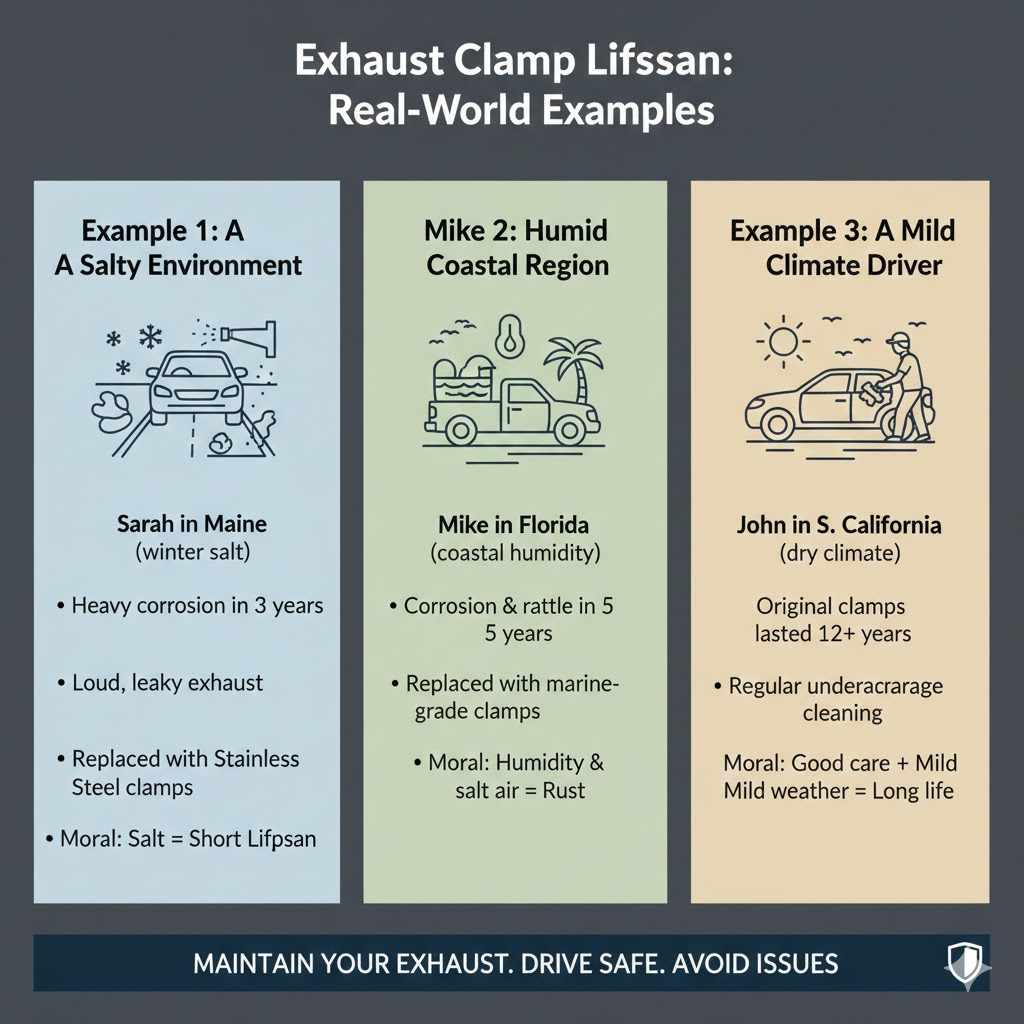
Looking at real-world experiences can offer valuable insights into exhaust clamp longevity. These examples show how different conditions affect clamp life and what outcomes people have faced. Understanding these situations helps paint a clearer picture of what to expect for your own vehicle.
Example 1 A Salty Environment
Sarah lives in Maine, where roads are heavily salted during winter. She
Example 2 A Humid Coastal Region
Mike owns a pickup truck and lives near the coast in Florida. The high humidity and salt in the air caused his original exhaust clamps to corrode. He noticed a rattling noise and a louder exhaust sound after about five years.
Upon inspection, he found rust pitting on the clamps and a small leak. He
Example 3 A Mild Climate Driver
John drives his car primarily in Southern California, which has a dry and mild climate. He has owned his car for 12 years, and its original exhaust clamps are still in place and functioning well. He has performed regular maintenance, including cleaning the underside of his car.
This case highlights how a lack of extreme weather conditions and good basic care can greatly extend the lifespan of exhaust clamps.
Frequently Asked Questions
Question: How often should I check my exhaust clamps?
Answer: It’s a good idea to check your exhaust clamps at least twice a year, or whenever you have your car serviced. If you live in an area with harsh weather, more frequent checks are recommended.
Question: Can a loose exhaust clamp cause my car to fail emissions tests?
Answer: Yes, a leak from a loose or failed exhaust clamp can allow exhaust gases to escape before they are processed by the catalytic converter, potentially causing your car to fail emissions tests.
Question: Are all exhaust clamps the same?
Answer: No, exhaust clamps come in different types (like U-bolt, band, and saddle clamps) and are made from various materials, such as standard steel, galvanized steel, and stainless steel. Stainless steel is generally the most durable.
Question: What is the difference between a clamp and a hanger?
Answer: An exhaust clamp is used to connect two pipes or secure a pipe to a component. An exhaust hanger is a rubber or metal piece that supports the weight of the entire exhaust system and suspends it from the car’s frame.
Question: Is it safe to drive with a failing exhaust clamp?
Answer: Driving with a failing exhaust clamp is not recommended. It can lead to loud noises, exhaust leaks which are harmful, and the exhaust pipe could detach completely, causing damage to your vehicle and a safety hazard.
Summary
Exhaust clamps typically last 5 to 10 years, but this varies based on material, environment, and heat cycles. Signs of failure include rattling noises and visible rust. Replacing them involves simple tools.
Regular checks and using stainless steel clamps help them last longer.