Does DPMS AR-15 Have Aluminum Heat Shields?
It’s common for new AR-15 owners to wonder about specific parts, and the question Does DPMS AR-15 Have Aluminum Heat Shields? comes up a lot. Sometimes, figuring out AR-15 components can feel a bit confusing when you’re just starting. But don’t worry!
We’re here to make it super simple. We’ll break down exactly what you need to know about heat shields on DPMS AR-15 models, step by step. Get ready to learn the straightforward answer.
Understanding AR-15 Heat Shields
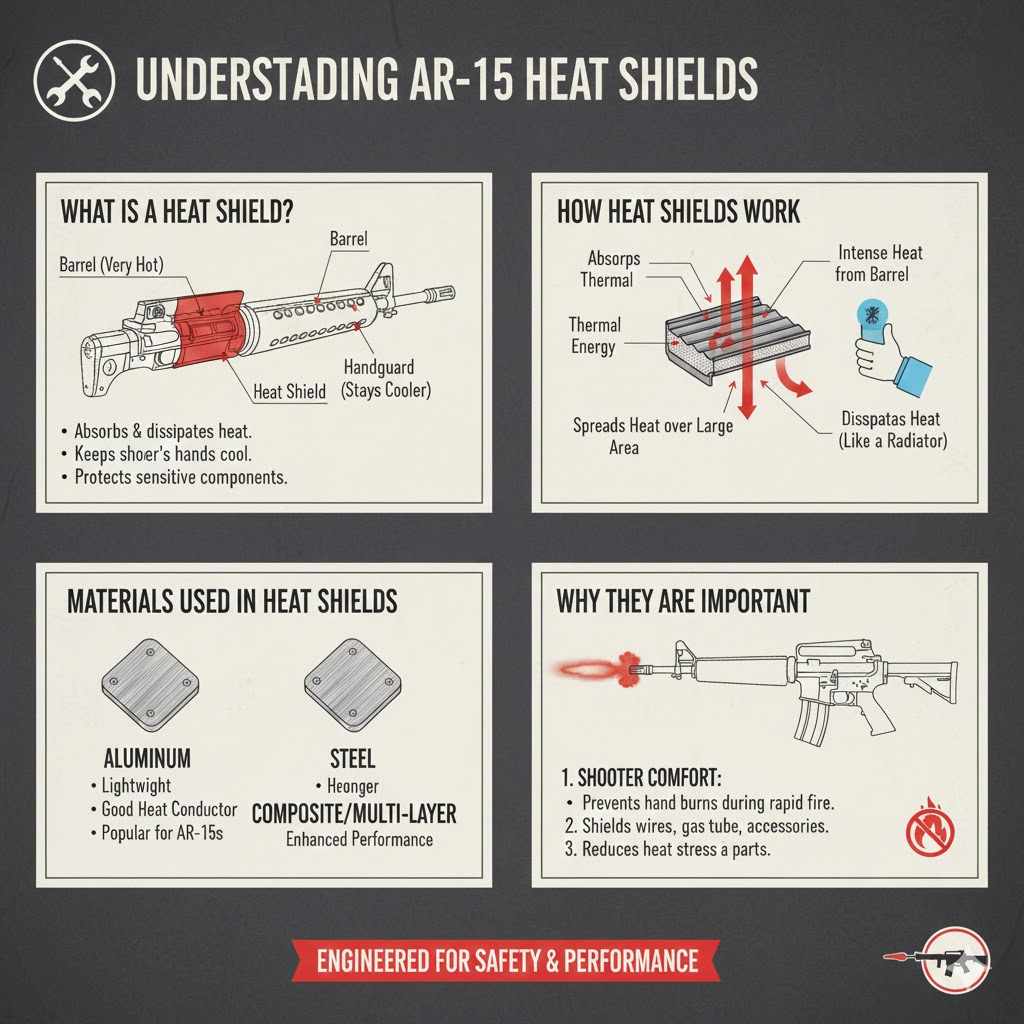
Heat shields in AR-15 rifles are an important part of managing the heat generated during firing. They are typically located between the barrel and the handguard. Their main job is to help keep the shooter’s hands cooler and to protect sensitive components from excessive heat.
Understanding what they are and how they work is key to appreciating firearm design. This section will explore their basic function and why they are a topic of interest for many AR-15 owners.
What is a Heat Shield?
A heat shield is a component designed to absorb and dissipate heat. In the context of an AR-15, it’s often a metal insert that sits inside the handguard. When you fire your rifle, especially in rapid succession, the barrel and gas system get very hot.
This heat can radiate outwards.
The heat shield acts as a barrier. It intercepts a good portion of this radiant heat before it can reach the handguard directly. This makes holding the rifle more comfortable and can also help prevent damage to materials that might be less heat-resistant.
They are often made from various materials, including aluminum or steel. The type of material can affect its heat absorption and dissipation capabilities. Different rifle designs might incorporate heat shields in slightly different ways, but the core purpose remains the same: managing heat effectively.
How Heat Shields Work
The process of a heat shield working is quite straightforward. When the firearm is discharged, hot gases and intense heat are produced. This heat travels through the barrel and the components surrounding it.
The heat shield is positioned to catch this heat. It absorbs some of the thermal energy. Then, it spreads this absorbed heat over a larger surface area.
This spreading, or dissipation, helps to cool the shield down faster than if the heat were concentrated in one spot.
Think of it like a radiator in a car. It takes heat from the engine and spreads it out to the air. A heat shield does a similar job for your handguard.
It creates a buffer, making the outside of the handguard cooler to touch.
Materials Used in Heat Shields
Heat shields can be made from a few common materials, each with its own properties. Aluminum is frequently used because it’s lightweight and a good conductor of heat, meaning it can absorb and spread heat relatively quickly.
Steel is another option. It’s stronger and can withstand higher temperatures, but it’s also heavier. Some shields might be made of composite materials or have multiple layers to improve their performance.
The choice of material often depends on the rifle’s design, intended use, and cost considerations. For AR-15s, aluminum is a popular choice for its balance of weight and thermal conductivity.
DPMS AR-15 Models and Heat Shields
When people ask Does DPMS AR-15 Have Aluminum Heat Shields?, they are often trying to understand the specific features of a rifle they own or are considering buying. DPMS is a well-known manufacturer of AR-15 platforms. Their rifles come in many configurations, and whether a heat shield is included can depend on the specific model and the handguard system it uses.
This section will clarify this by looking at typical DPMS designs.
DPMS Handguard Systems
DPMS produces a variety of AR-15 rifles. These rifles can be equipped with different types of handguards. Older designs or simpler models might feature a more basic handguard.
More modern or tactical-oriented DPMS models often come with more advanced handguard systems. These can include free-float handguards or those with modular attachment points like M-LOK or KeyMod. The design of the handguard itself plays a big role in whether a heat shield is integrated or necessary.
For example, a rifle with a very basic, two-piece drop-in handguard might have internal heat shields. However, a rifle with a free-float handguard, which is designed to have minimal contact with the barrel, might have heat management built into its structure differently, or might rely on the handguard material itself to dissipate heat.
Aluminum Heat Shields in DPMS Rifles
To directly answer the question, many DPMS AR-15 models that feature traditional two-piece handguards do indeed have aluminum heat shields. These shields are typically thin, stamped pieces of aluminum that fit inside the handguard.
They are designed to sit on the inside surface of the handguard. This placement allows them to absorb heat radiating from the barrel. The aluminum construction helps to spread this heat, preventing it from making the outer handguard too hot to hold.
However, not all DPMS AR-15s will have them. If a DPMS rifle comes with a modern, monolithic, or free-float handguard system, the heat management strategy might be different. These advanced handguards often use thicker materials or have internal designs that manage heat without the need for separate, inserted heat shields.
Identifying Heat Shields on Your DPMS AR-15
If you own a DPMS AR-15 and want to know if it has heat shields, a visual inspection is usually the easiest way. You’ll need to remove the handguard to see inside.
Look for thin, often stamped, pieces of metal that are fitted along the inner walls of the handguard. These are commonly made of aluminum and may have a somewhat textured or stamped appearance. They are not structural components but rather inserts.
If your rifle has a modern free-float handguard, you likely won’t find these separate inserts. Instead, the handguard itself is engineered for heat dissipation. Always consult your rifle’s manual if you’re unsure about its specific components.
Alternative Heat Management Systems
While aluminum heat shields are a common feature, especially in older or simpler AR-15 designs, modern rifle manufacturing has introduced other ways to manage heat. If a DPMS AR-15 or any other rifle doesn’t have traditional heat shields, it’s often because it employs these alternative systems. Exploring these helps paint a fuller picture of heat management in firearms.
Modern Handguard Materials and Designs
Many contemporary AR-15 handguards are made from materials like aluminum alloys, carbon fiber, or even specialized polymers. These materials are chosen for their strength, weight, and thermal properties.
For example, high-quality aluminum alloy handguards are often thicker than basic ones and are designed with internal channels or vents. These features help air circulate around the barrel, carrying heat away more efficiently. Carbon fiber handguards are very light and can also offer good heat resistance.
The design of these modern handguards, such as a free-float system, also plays a role. A free-float handguard doesn’t touch the barrel except at the receiver. This separation allows the barrel to cool more effectively because it’s not surrounded by the handguard material.
Ventilation and Airflow
Effective ventilation is a critical aspect of heat management in any firearm. Handguards that incorporate numerous vents or slots allow for better airflow. As the rifle heats up, this airflow helps to carry heat away from the barrel and the handguard.
This is particularly important during sustained firing. Without adequate airflow, heat can build up rapidly, making the handguard uncomfortably hot and potentially affecting the rifle’s performance. Some handguards are designed with specific vent patterns to maximize this cooling effect.
The placement and size of these vents are usually determined through testing and design optimization. The goal is to create a system that cools the rifle efficiently without compromising the handguard’s structural integrity or shooter comfort.
Ceramic Coatings and Thermal Barriers
Some advanced firearm components utilize special coatings to manage heat. Ceramic coatings, for instance, can be applied to barrels or other parts to help insulate them or reflect heat.
These coatings can reduce the amount of heat that transfers to surrounding components, including the handguard. While not a direct replacement for a heat shield, they contribute to the overall thermal management of the firearm.
In some high-performance or specialized firearms, thermal barrier materials might be incorporated into the handguard design. These materials are specifically engineered to resist or reflect heat, providing an additional layer of protection against high temperatures.
Benefits of Heat Shields
Even with modern advancements, traditional heat shields still offer clear advantages, especially for certain AR-15 configurations. They are a simple, effective, and often cost-efficient way to improve the shooting experience. Understanding these benefits can help you appreciate their value.
Shooter Comfort
The most immediate benefit of a heat shield is improved shooter comfort. When firing an AR-15, especially during a series of shots, the handguard can become quite warm.
A heat shield acts as a barrier, absorbing and dissipating much of this heat. This means the outer surface of the handguard stays cooler, allowing you to maintain a firm and comfortable grip without the risk of burning your hands. This is crucial for prolonged shooting sessions or tactical scenarios where consistent handling is important.
Without a heat shield, a hot handguard can force a shooter to adjust their grip or even stop firing to let the rifle cool down, which is undesirable.
Component Protection
Excessive heat can potentially damage various parts of a firearm. While AR-15 components are generally built to withstand operational temperatures, extreme heat can accelerate wear and tear or affect the performance of certain materials.
A heat shield helps to protect the handguard itself, as well as any accessories or sensitive electronics that might be mounted to it. It also provides a buffer for the shooter’s hands, preventing discomfort or minor burns.
This protection is especially valuable in environments where the rifle might be exposed to high ambient temperatures or subjected to rapid firing.
Cost-Effectiveness
For many AR-15 manufacturers, including DPMS, incorporating heat shields into a standard two-piece handguard is a very cost-effective method for heat management.
These shields are typically made from stamped aluminum, which is an inexpensive material. The manufacturing process for stamped metal parts is also generally efficient, keeping production costs low. This allows manufacturers to include this feature without significantly increasing the overall price of the rifle.
When compared to the cost of developing and manufacturing entirely new handguard systems with advanced materials or complex designs, heat shields offer a practical and affordable solution for many users.
When to Consider Upgrading Your Handguard
While DPMS AR-15s with heat shields are perfectly functional, there are times when upgrading the handguard might be beneficial. This decision often depends on your shooting style, the rifle’s intended use, and your personal preferences for ergonomics and features.
Intense Firing Schedules
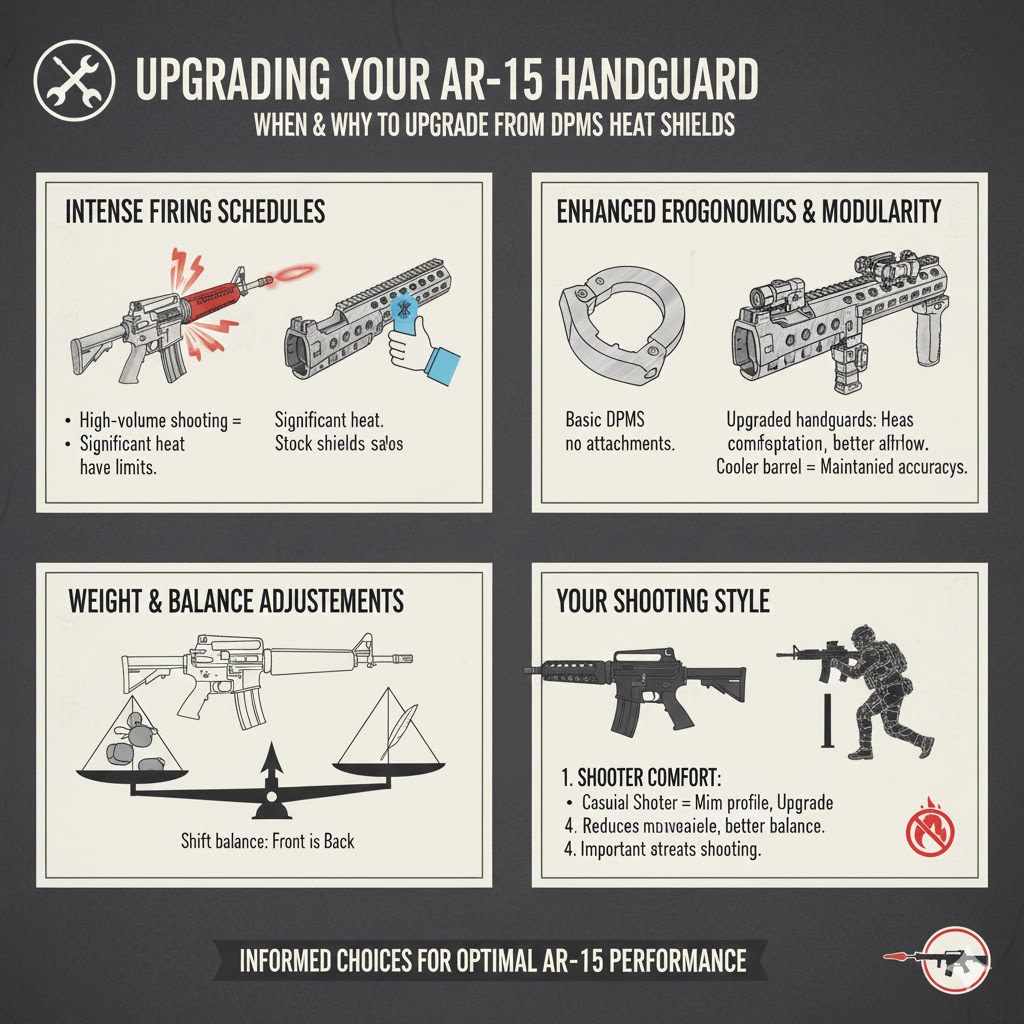
If you frequently engage in high-volume shooting, such as at a competitive shooting event or during extensive training drills, the heat generated can become significant. While heat shields help, they have limits.
Modern free-float handguards are often engineered with superior heat dissipation capabilities. They might incorporate better airflow, use more advanced materials, or have designs that keep the barrel cooler overall. For those who shoot a lot, a handguard upgrade can offer a more comfortable and consistent experience.
An upgraded handguard can help maintain accuracy during strings of fire because it keeps the barrel cooler and more stable.
Desire for Enhanced Ergonomics and Modularity
Many modern handguards offer a significant upgrade in terms of ergonomics and modularity. They often feature slimmer profiles, more comfortable gripping surfaces, and accessory mounting systems like M-LOK or KeyMod.
These systems allow you to easily attach lights, lasers, grips, bipods, and other accessories exactly where you need them. If your current DPMS handguard is basic and lacks these features, an upgrade can greatly enhance the rifle’s utility and your shooting comfort.
The ability to customize your rifle with accessories exactly to your needs is a major draw for many AR-15 owners.
Weight and Balance Adjustments
Handguard weight can significantly impact the overall balance and handling of an AR-15. Some older or simpler handguards, even with heat shields, can be heavier than necessary.
Upgrading to a lighter handguard, such as one made from carbon fiber or a minimalist aluminum design, can make the rifle feel more maneuverable. This can be especially important for dynamic shooting disciplines or for individuals who carry their rifle for extended periods.
The goal of an upgrade might be to shift the rifle’s balance point forward or backward, depending on shooter preference.
Frequently Asked Questions
Question: Does my DPMS AR-15 automatically come with aluminum heat shields?
Answer: Not all DPMS AR-15 models come with aluminum heat shields. It depends on the specific handguard system installed. Many traditional two-piece handguards will have them, but more modern or specialized handguards might manage heat differently.
Question: How can I check if my DPMS AR-15 has heat shields?
Answer: You can check by removing the handguard and looking for thin metal inserts along the inside walls of the handguard. These are typically aluminum and serve as heat shields.
Question: Are aluminum heat shields essential for all AR-15s?
Answer: Aluminum heat shields are beneficial for comfort and some component protection, especially in basic handguards. However, modern handguards often have integrated heat management systems that make separate shields less necessary.
Question: Can I add heat shields to a DPMS AR-15 that doesn’t have them?
Answer: It’s possible to add them if your handguard design allows for it. You would need to find compatible heat shield inserts that fit your specific handguard. Sometimes, upgrading the entire handguard is a better solution.
Question: Do all DPMS AR-15 handguards have some form of heat management?
Answer: Yes, all AR-15 handguards are designed with some level of heat management in mind, whether through materials, vents, or integrated shields. The effectiveness of this management can vary greatly by design.
Wrap Up
In short, many DPMS AR-15 models, particularly those with traditional two-piece handguards, do feature aluminum heat shields. These shields are important for shooter comfort and basic heat protection. If your rifle doesn’t have them, modern handguards offer alternative, often superior, heat management solutions.