Are Heat Shields Suppossed To Touch Flanges? Essential Guide
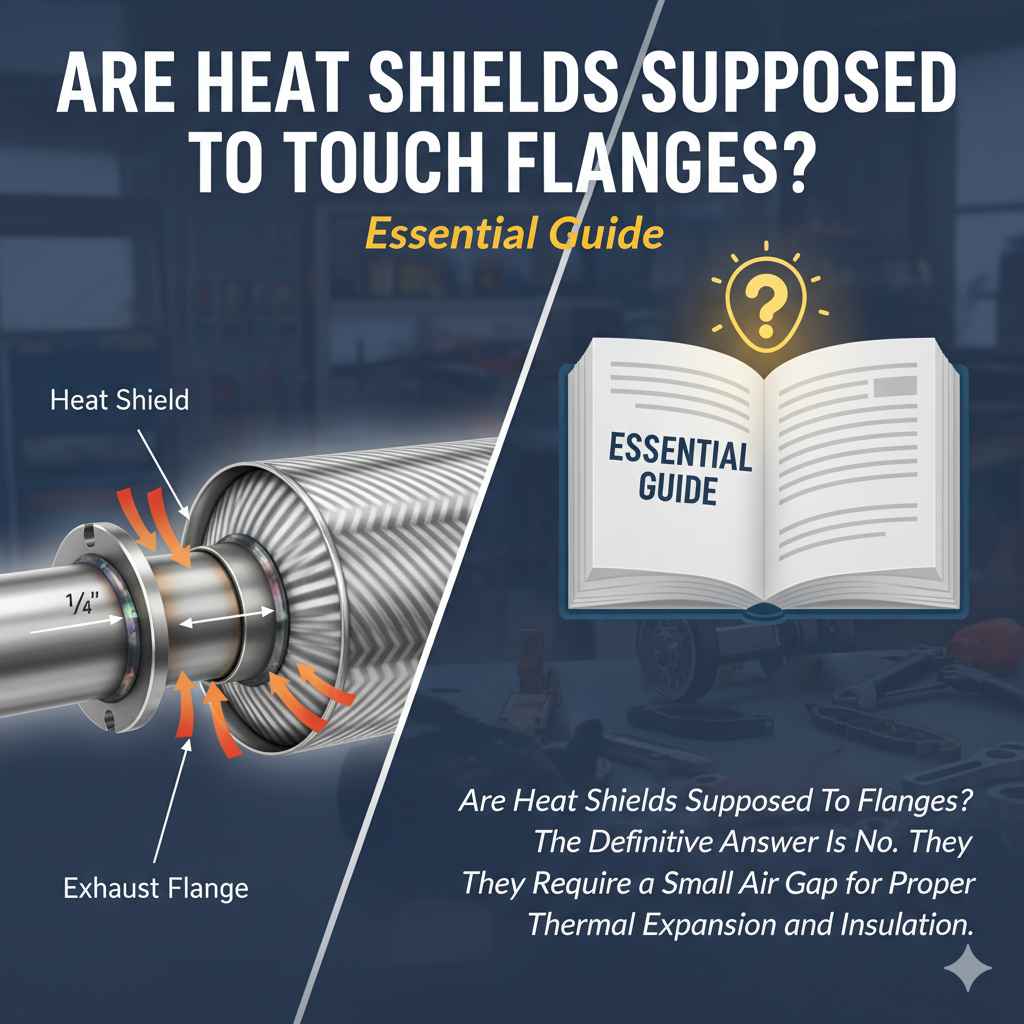
Generally, heat shields are not supposed to touch exhaust flanges directly. While minor contact might not cause immediate issues, it can lead to annoying rattles, heat transfer problems, and even damage over time. Proper installation ensures a small gap for optimal performance and quiet operation.
Hey there, fellow car owners! Monowar Shohag here. If you’ve been peeking under your car and noticed a shiny metal shield near your exhaust pipes, you might be wondering about its job and how it should sit. Specifically, you might be asking: are heat shields supposed to touch flanges? It’s a common question, and the answer can be a little tricky. Sometimes they seem to be touching, other times there’s a gap. Don’t worry, understanding this is key to keeping your car running smoothly and quietly. We’ll break down exactly what’s going on and what you need to know, so you can feel confident about your exhaust system.
In this guide, we’ll explore the relationship between heat shields and exhaust flanges, why a little space might be a good thing, and what to do if yours are making contact. Let’s get your exhaust system sorted!
Understanding Exhaust Heat Shields and Flanges
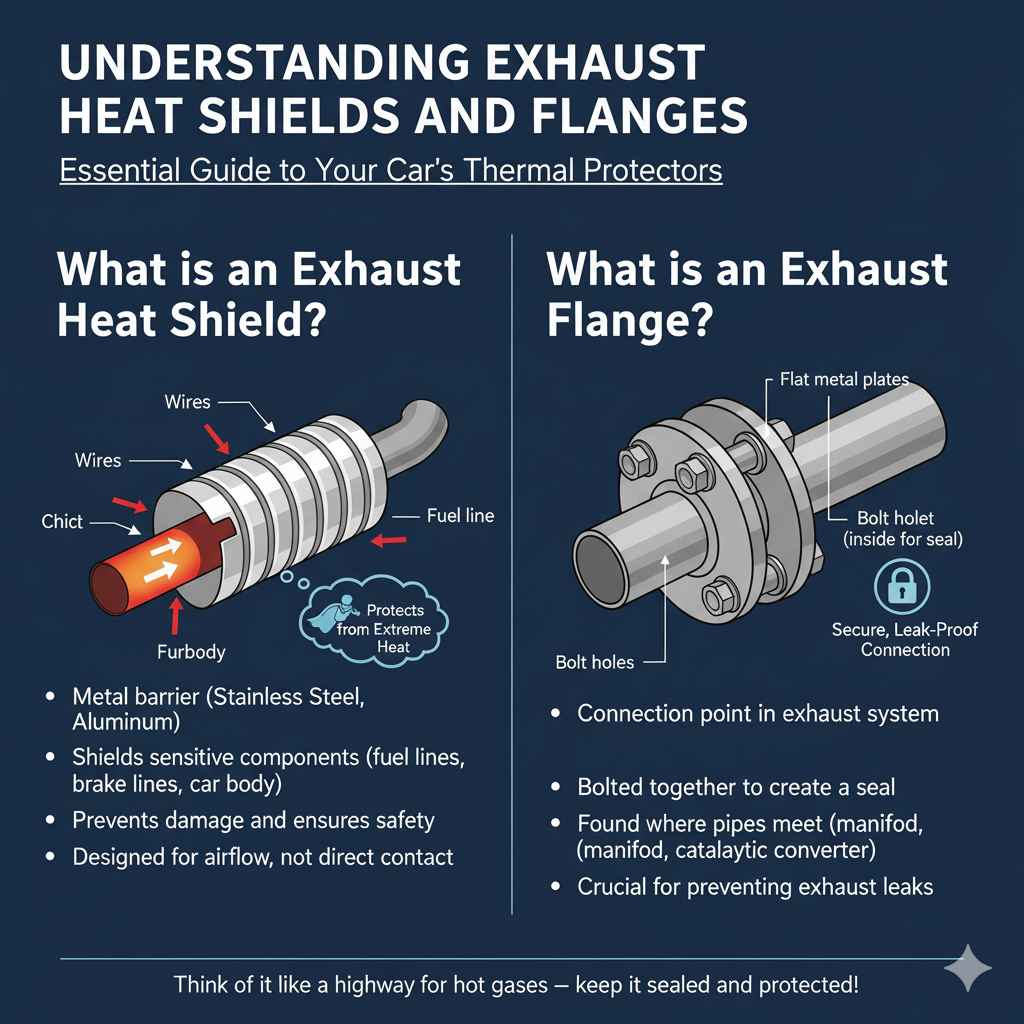
Before we dive into whether they should touch, let’s get a quick handle on what these parts are. Think of your car’s exhaust system as a highway for hot gases leaving your engine. This highway gets pretty hot, leading to concerns about heat escaping where it shouldn’t.
What is an Exhaust Heat Shield?
A heat shield, also known as a heat shield or heat deflector, is a piece of metal designed to protect other parts of your car from the extreme heat generated by the exhaust system. It’s like a cape for your hot exhaust pipes, keeping sensitive components nearby (like fuel lines, brake lines, or the car’s underbody) from getting too warm. This is crucial for safety and to prevent damage to these other vital parts of your vehicle.
Heat shields are usually made from materials like stainless steel or aluminum because they can withstand high temperatures. They are often shaped to fit snugly around parts of the exhaust, but their placement is designed for a reason.
What is an Exhaust Flange?
Exhaust flanges are essentially the connection points in your exhaust system. They are typically flat metal plates that are bolted together, creating a seal. You’ll find flanges where different sections of the exhaust pipe meet, such as where the exhaust manifold connects to the downpipe, or where the catalytic converter connects to the next section of pipe. These flanges are part of creating a strong, leak-proof connection for the exhaust gases.
They usually have holes for bolts and studs to pass through, allowing them to be securely fastened. The seal created by flanges is critical to prevent exhaust leaks, which can be noisy and dangerous.
Are Heat Shields Supposed to Touch Flanges? The Verdict.
Now for the big question: should these two parts be in direct contact? In most ideal scenarios, no, heat shields are not supposed to be pressed tightly against exhaust flanges. Here’s why:
- Vibration and Rattling: Your exhaust system vibrates quite a bit when the engine is running. If a heat shield is touching a flange, this vibration can cause them to rub against each other, leading to a persistent and annoying rattling or buzzing noise. This noise can be particularly noticeable at certain engine speeds.
- Heat Transfer: While heat shields are designed to deflect heat, direct contact can still transfer a significant amount of heat to the flange and the components connected to it. This can, in turn, heat up parts that are not designed to withstand such high temperatures, even if they are typically near the exhaust.
- Stress and Damage: Constant contact and vibration can put stress on both the heat shield and the flange. Over time, this can lead to cracks in the flange, damage to the heat shield itself, or even wear on the mounting points.
- Installation Purpose: Heat shields are usually designed with a specific gap in mind, allowing them to do their job effectively without interfering with the bolted connections that ensure a proper exhaust seal.
However, it’s important to note that some exhaust system designs might have very close tolerances, and a slight, occasional touch might be unavoidable or considered normal by the manufacturer. The key is whether this contact is causing problems like noise or potential damage.
Why You Might See Contact (and What It Means)
If you’re looking under your car and seeing your heat shield making contact with an exhaust flange, there are several common reasons why this might be happening:
- Loose or Damaged Mounting: The most frequent cause is that the heat shield’s mounting hardware (bolts, nuts, or clamps) has become loose or broken. Shields are typically attached with small brackets or bolts, and if these fail, the shield can sag or shift.
- Corrosion and Rust: Over time, exposure to the elements, water, and road salt can cause the mounting points or the heat shield itself to rust. This rust can weaken the structure, allowing it to droop and touch other components.
- Impact Damage: Hitting something on the road (like a speed bump, debris, or a pothole) can bend or dislodge a heat shield, causing it to come into contact with the exhaust flanges or pipes.
- Exhaust System Sagging: If the rubber hangers or metal brackets that support the entire exhaust system are worn or broken, the whole system can sag. This can bring the heat shield into contact with flanges it would normally clear.
- Aftermarket Modifications: Sometimes, aftermarket performance exhaust systems might have slightly different clearances or mounting designs than the original equipment.
Understanding these reasons helps you diagnose the problem. If there’s contact, it’s usually a sign that something needs attention rather than a designed-in feature.
The Importance of Proper Heat Shield Installation
Getting heat shields installed correctly is more than just bolting them on. It’s about ensuring your exhaust system functions safely and efficiently. A properly installed heat shield:
- Protects Vital Components: It effectively deflects heat away from sensitive parts of your car, preventing premature wear or outright failure.
- Reduces Noise: By keeping a proper distance, it prevents rattling and buzzing noises from your exhaust system.
- Maintains Performance: While indirectly, by preventing overheating in surrounding areas, it helps maintain the optimal operating temperature for various car systems.
- Ensures Durability: When mounted correctly, it’s less likely to suffer from vibration-induced stress or impact damage.
Manufacturers specify clearances and mounting methods for a reason. When these are ignored, or when components wear out, problems can arise. For instance, the National Highway Traffic Safety Administration (NHTSA) often reports on issues related to vehicle underbody components, highlighting the importance of proper function for safety.
Common Issues Caused by Heat Shield-to-Flange Contact
When a heat shield is touching an exhaust flange, it’s not just a minor annoyance. It can lead to several problems, some of which can affect your car’s safety and longevity.
1. Annoying Rattling Noises
This is often the first symptom you’ll notice. As mentioned, the constant vibration from the engine and exhaust system makes the heat shield rub against the flange. This can create a metallic buzzing, rattling, or scraping sound. It might be intermittent or constant and can vary with engine RPM. Many drivers find these sounds incredibly irritating, especially on long drives.
2. Accelerated Wear and Tear
Direct contact and vibration can cause metal fatigue and wear on both the heat shield and the flange.
Heat Shield Degradation: The shield’s mounting points can break, or the shield itself can develop cracks.
Flange Damage: The flange, which is critical for a good seal, can also experience stress. Repeated banging can lead to minor deformation or cracking, which might eventually cause exhaust leaks.
3. Heat Transfer Issues
While the shield’s primary job is to shield, when it’s touching, it acts as a conductor. This allows heat to transfer more directly to the flange and the associated exhaust components. This can sometimes lead to:
- Increased temperatures in areas not designed for them.
- Potential damage to nearby sensors or wiring that are routed close to the exhaust.
- Reduced lifespan of gaskets or seals if they are subjected to excessive heat.
4. Potential for Exhaust Leaks
This is a more serious consequence. If the constant vibration and contact damage the flange, it can lead to cracks. A cracked flange can result in exhaust gases leaking out at the connection point. Exhaust leaks are bad because:
- They are noisy.
- They can allow toxic exhaust fumes (like carbon monoxide) to enter the cabin, which is a serious health hazard.
- They can affect engine performance and fuel efficiency.
- They can cause the check engine light to come on.
For more information on the dangers of exhaust leaks, resources like the U.S. Environmental Protection Agency (EPA) provide insights into vehicle emissions and their impact.
Troubleshooting: Checking for Heat Shield Contact
It’s a good idea to periodically check under your car. Here’s how to see if your heat shields are making contact:
What You’ll Need:
- Jack and Jack Stands: For safely lifting your vehicle.
- Wheel Chocks: To prevent the car from rolling.
- Gloves: To protect your hands.
- Flashlight: To see in dark areas.
- Gloves or Oven Mits: To carefully touch or tap components after the exhaust has cooled.
- Optional: A small pry bar or flathead screwdriver: To gently test for looseness.
Steps to Check:
- Safety First: Park your car on a level surface. Engage the parking brake and place wheel chocks behind the rear wheels.
- Cool Down: Ensure the exhaust system has cooled down completely. Exhaust components can get extremely hot and cause severe burns. This can take several hours after driving.
- Lift the Vehicle: Using your jack, carefully lift the front or rear of the vehicle (depending on where you suspect the issue) and secure it with jack stands. Never work under a vehicle supported only by a jack. For more on safe vehicle lifting, you can refer to guides from organizations like NHTSA on vehicle safety.
- Inspect Visually: Grab your flashlight and carefully examine the heat shields around your exhaust pipes, especially near the flanges. Look for any signs of contact, such as shiny, scraped metal on the shield or flange, or soot marks indicating rubbing.
- Gentle Wiggle Test: With the exhaust completely cool, gently try to wiggle the heat shield. Does it feel loose? Does it move easily and touch the flange when you push it? Also, check the exhaust pipes and flanges themselves. Do they seem unusually low or loose? This could indicate a problem with the exhaust hangers or mounts.
- Listen (Carefully): If the heat shield is loose, you might be able to replicate the rattle by gently tapping on it with something non-damaging (like a rubber mallet handle). This can help confirm if it’s the source of noise.
Fixing Heat Shield Contact: DIY Solutions
If you’ve found that your heat shield is indeed touching an exhaust flange, don’t panic! Many of these issues can be addressed with some basic tools and a bit of know-how. Here are common fixes:
1. Tighten Loose Mounts
Often, the simplest solution is to tighten the hardware holding the heat shield in place.
Look for bolts, nuts, or clamps that secure the heat shield. They might be rusted or just loose.
Use the appropriate wrench or socket to tighten them. Be careful not to overtighten, as this can strip threads or break rusty bolts.
If bolts are rusted solid, you might need to use a penetrating oil (like WD-40 or PB Blaster) and let it soak, or carefully cut them off and replace them.
2. Replace Damaged Brackets or Hardware
If the mounting brackets are rusted and broken, or bolts are too corroded to be reused, you’ll need to replace them. You can often find universal heat shield mounting kits at auto parts stores. Follow the instructions on the kit, ensuring the shield is positioned with adequate clearance.
3. Use High-Temperature Wire or Straps
Sometimes, you can re-secure a sagging heat shield using specialized high-temperature exhaust repair clamps or even stainless steel wire.
Wrap the wire or strap around the heat shield and a more stable part of the exhaust pipe (but not the flange itself).
Twist or tighten the wire/strap to pull the heat shield away from the flange and secure it in its new position.
Ensure you use materials rated for high temperatures found in exhaust systems.
4. Bending the Heat Shield (with Caution)
In some cases, a slight bend in the heat shield itself might provide the necessary clearance.
This is best done when the exhaust is completely cool.
Use gentle, steady pressure to carefully bend the heat shield away from the flange. Avoid sharp, jerky movements that could cause it to crack or break.
This is usually a temporary fix or for very minor adjustments. If the shield is severely deformed, replacement might be a better option.
5. Addressing Exhaust Hanger Issues
If the problem is that the entire exhaust system is sagging, the heat shield might be fine, but the exhaust hangers are worn out.
Exhaust hangers are rubber or metal components that suspend the exhaust system.
Inspect these hangers for cracks, tears, or signs of stretching.
Replacing exhaust hangers is usually a straightforward job for a DIYer, but requires lifting the vehicle safely.
6. Using Heat Shield Spacers or Washers
If the original mounting points are intact but just slightly too close, you can sometimes add a washer or a specialized heat shield spacer between the shield and its mounting bracket to increase the gap. Ensure the spacer is made of a material that can withstand exhaust temperatures, like stainless steel.
Important Note: Always ensure that whatever fix you use maintains a safe clearance from the exhaust flange and doesn’t create new points of contact or stress. For tasks involving significant exhaust work or if you’re unsure, consulting a professional mechanic is always a wise choice.
DIY vs. Professional Repair: When to Call in the Experts
While many heat shield issues are DIY-friendly, there are times when it’s best to trust the professionals.
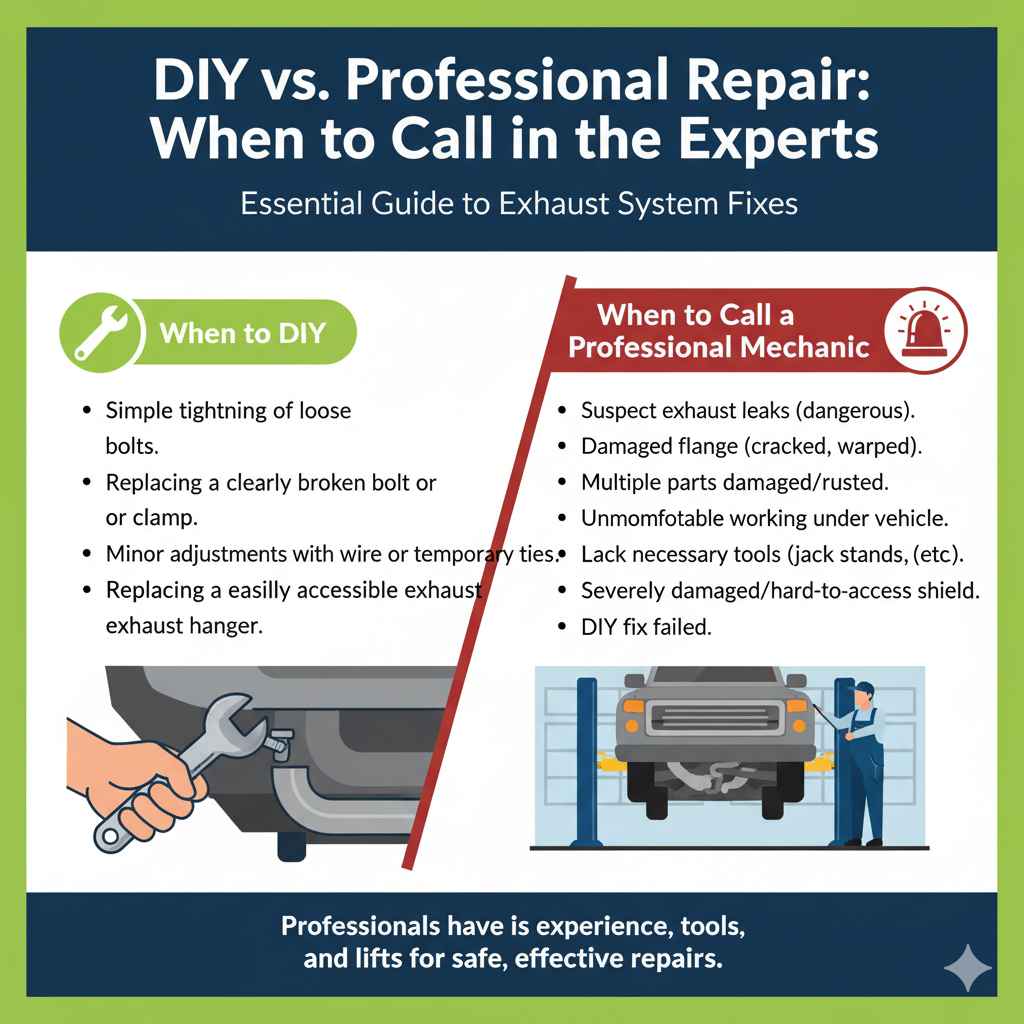
When to DIY:
- Simple tightening of loose bolts.
- Replacing a clearly broken bolt or clamp with a similar part.
- Minor adjustments with wire or temporary ties.
- Replacing an easily accessible exhaust hanger.
When to Call a Professional Mechanic:
- If you suspect exhaust leaks: These can be dangerous and require proper diagnosis.
- If the flange itself is damaged (cracked or warped): Replacing flanges often involves dealing with stubborn bolts and ensuring a perfect seal, which requires specialized tools and expertise.
- If multiple parts of the exhaust system are damaged or heavily rusted.
- If you’re uncomfortable working under the vehicle or lack the necessary tools (like jack stands, breaker bars, etc.).
- If the heat shield is severely damaged or difficult to access.
- If you’ve attempted a DIY fix and the problem persists or worsens.
A professional has the experience, tools, and lifts to diagnose and repair exhaust system issues safely and effectively. They can also ensure that all repairs meet safety and emissions standards.
Preventative Maintenance for Your Exhaust System
Taking a few simple steps can help prevent future headaches with your heat shields and exhaust system:
- Regular Inspections: Make it a habit to glance under your car periodically, especially after driving over rough terrain or through deep puddles. Look for anything hanging loose or unusual noises.
- Address Rust Early: If you live in an area with road salt, pay attention to exhaust components. Minor rust can sometimes be treated or sealed before it becomes critical.
- Listen for Changes: Be aware of any new noises your car is making, especially rattling or scraping sounds from underneath. Address them promptly before they become bigger problems.
- Wash Your Undercarriage: Especially after driving in salty conditions, rinsing the underside of your car can help remove corrosive materials.
Proactive care can save you money and stress in the long run.
Frequently Asked Questions (FAQ)
Q1: Will a rattling heat shield affect my car’s performance?
A1: Generally, a rattling heat shield itself won’t directly impact your car’s engine performance or fuel efficiency. However, if the rattling is due to the heat shield causing damage to an exhaust flange, that could eventually lead to exhaust leaks, which can affect performance.