Are Heat Shields Usually Coated: Proven Protection
Yes, heat shields are often coated to enhance their protective capabilities, durability, and aesthetic appeal. These coatings provide crucial benefits like rust prevention, improved heat reflection, and resistance to corrosion, making them a vital part of their proven protection.

XINPENGLIU
Fuel Line Heat Shield Insulation Heat Shielded…
- 【 fuel line heat shield Wide Application】—— Heat Shield Fire Sleeve Designed of silicone rubber coated fiberglass. Quality materia…
- 【fuel line insulation Withstand High Temp】——Fire Heat Shield Sleeve can Withstands 800 degrees F continuous heat and 2200 degrees…
- 【wire heat shield Good Performance】—— Insulating Sleeving Insulation Silicone layer can be cleaned and protects against abrasion,…
As an Amazon Associate I earn from qualifying purchases.
Ever noticed that shiny, sometimes black, layer on your car’s exhaust heat shields and wondered what it’s for? You’re not alone! Many car owners see these shields and might think they’re just plain metal. But the truth is, most heat shields come with a special coating. This coating isn’t just for looks; it plays a big role in keeping things safe and your car running smoothly. Let’s dive into why these coatings are important and what they do. We’ll break down the types of coatings, how they work, and what it means for your car’s protection.
Understanding Heat Shields and Their Purpose
Before we talk about coatings, let’s quickly cover what heat shields are and why your car has them. Heat shields, especially those found around exhaust systems, catalytic converters, and turbochargers, are designed to protect other vehicle components from extreme heat. Your car’s exhaust system can get incredibly hot, reaching temperatures that could damage nearby parts like the fuel tank, wiring, or the car’s underbody. Heat shields act as a barrier, deflecting or absorbing this intense heat.
Think of them like a chef’s oven mitts for your car’s sensitive parts. They are typically made from metal, commonly stainless steel or aluminum, because these materials can withstand high temperatures. However, even robust metals can be improved upon. This is where coatings come into play, adding an extra layer of defense and performance.

Why Are Heat Shields Usually Coated? The Proven Benefits
The simple answer is: coatings significantly boost the effectiveness and lifespan of heat shields. They are not just an afterthought; they are a critical part of the design for proven protection. Here’s a breakdown of the key advantages:
- Corrosion and Rust Prevention: This is perhaps the most common reason for coatings. Metal exposed to moisture, salt (from roads in winter), and general environmental elements can quickly rust. A good coating seals the metal surface, preventing these corrosive agents from reaching it.
- Enhanced Heat Reflection: Some coatings are specifically designed to reflect radiant heat away from the shield’s surface. This is particularly important for components that need to stay as cool as possible.
- Increased Durability: Coatings can add a layer of toughness, protecting the heat shield itself from minor abrasions, impacts from road debris, and general wear and tear.
- Thermal Management: Certain advanced coatings can help manage heat more effectively, either by reflecting it or by changing their thermal properties under high heat.
- Aesthetics: While not the primary function for exhaust heat shields, some coatings provide a clean, finished look, often in black or silver.
Common Types of Heat Shield Coatings
Not all heat shields are coated with the same material. The type of coating used often depends on the specific application, the materials the heat shield is made from, and the level of protection required. Here are some of the most common types you’ll find:
1. Ceramic Coatings
Ceramic coatings are highly regarded for their ability to withstand extreme temperatures and their excellent insulating properties. They are often applied to exhaust components, including heat shields, because they can:
- Reflect Radiant Heat: Ceramic coatings are excellent at reflecting heat energy, keeping the underlying metal cooler and protecting surrounding components more effectively.
- Provide Corrosion Resistance: They form a very hard, inert barrier that prevents rust and corrosion.
- Withstand High Temperatures: Many ceramic coatings can handle temperatures well over 1,000°F (538°C) and sometimes much higher.
These coatings are often applied using a spray process and then cured at high temperatures. You might see them as a smooth, often gray or black finish. For more information on ceramic coatings and their application, resources like the Sandia National Laboratories’ research on thermal barrier coatings offer deep insights, although it is a technical document.
2. High-Temperature Paints and Sprays
These are probably the most common and accessible types of coatings for heat shields, especially for aftermarket applications or DIY repairs. They are designed to:
- Prevent Rust: Their primary function is to stop rust from forming on the metal surface.
- Offer Basic Heat Resistance: While not as robust as ceramic, these paints can typically withstand temperatures in the range of 500-1200°F (260-650°C), which is sufficient for most exhaust heat shield applications.
- Provide a Clean Look: They are available in various colors, most commonly black and silver, to match or enhance the appearance of the exhaust system.
These are often silicone-based or an acrylic formula with high-temperature pigments. They are applied like regular spray paint but require proper surface preparation. You can find many DIY-friendly versions at auto parts stores.
3. Aluminized Coatings
Aluminizing involves coating steel with aluminum. This is a common process for exhaust components, including heat shields, because it offers a great balance of properties:
- Excellent Corrosion Resistance: The aluminum layer acts as a sacrificial barrier, protecting the steel underneath from corrosion.
- Good Heat Reflectivity: Aluminum itself is a fairly good reflector of heat.
- Cost-Effective: It’s often more affordable than full ceramic coatings.
The process typically involves dipping the steel into molten aluminum or spraying molten aluminum onto the surface. After application, it often has a distinct silver, slightly textured appearance.
4. Stainless Steel (Naturally Resistant)
While not a coating in the traditional sense, many heat shields are made from stainless steel for a reason. Stainless steel has inherent properties that make it resistant to corrosion and heat:
- Built-in Protection: The “stainless” quality comes from chromium, which forms a passive oxide layer on the surface, protecting it from rust.
- High Temperature Tolerance: Stainless steel alloys are specifically designed to maintain their strength and integrity at high temperatures.
Even when made of stainless steel, some manufacturers might still apply a coating for extra protection, especially in harsh environments or for specific aesthetic reasons.
Heat Shield Coatings vs. Uncoated Heat Shields
It’s important to understand the difference in performance and longevity when comparing coated versus uncoated heat shields. Uncoated metal, even stainless steel, will eventually succumb to the harsh conditions under a vehicle. Here’s a quick comparison:
| Feature | Coated Heat Shield | UnCoated Heat Shield |
|---|---|---|
| Corrosion Resistance | High (depends on coating type) | Moderate (stainless steel is better than plain steel) |
| Heat Reflection | Enhanced (especially with ceramic/aluminized) | Basic (material dependent) |
| Durability | Increased (protection against minor damage) | Standard (susceptible to wear) |
| Lifespan | Generally Longer | Generally Shorter |
| Maintenance | Lower (less prone to rust/damage) | Higher (may require cleaning or rust treatment) |
As you can see, coatings offer significant advantages. An uncoated heat shield might suffice for a while, but over time, exposure to heat, moisture, and road salt will degrade it. A coated shield is engineered for a longer, more effective service life.
How to Identify Heat Shield Coatings
Identifying the type of coating on your heat shield can be straightforward by looking at its appearance and understanding its material context:
- Shine and Texture: A bright, somewhat dull silver finish often indicates an aluminized coating. A very smooth, dark (often black or dark gray) finish could be a high-temperature paint or ceramic coating. Stainless steel usually has a consistent, metallic sheen.
- Location and Temperature: Heat shields closest to the exhaust manifold or catalytic converter typically experience the highest temperatures and are more likely to have specialized ceramic or thick aluminized coatings. Shields further down the exhaust might have simpler paints.
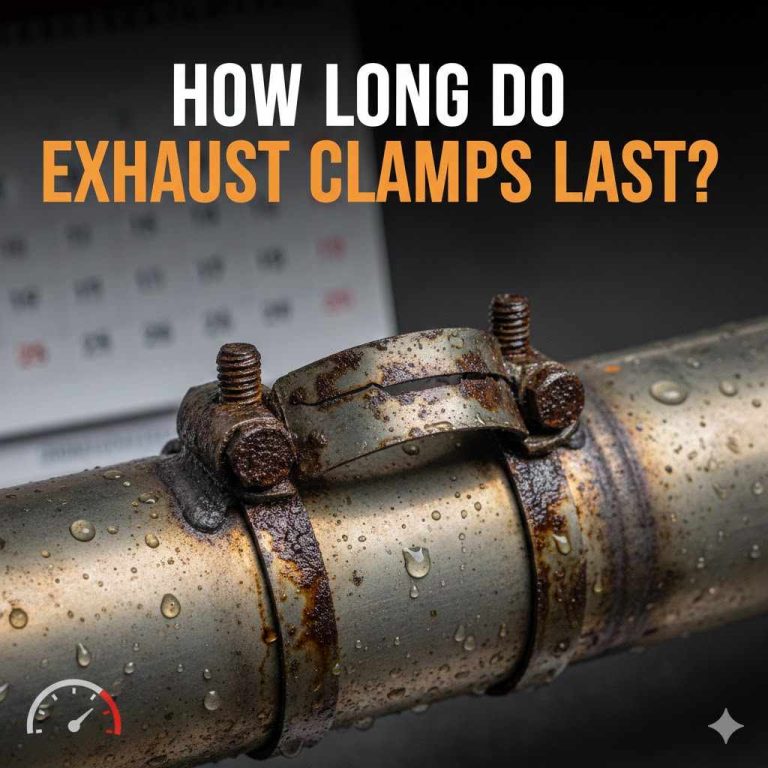
- Age and Wear: Look for signs of wear. If a coating is chipped or flaking, you might see the base metal underneath. Rust blooming around chips or edges is a strong indicator that the base metal is susceptible to corrosion and the coating’s integrity is compromised.
Maintaining Your Coated Heat Shields
Even with protective coatings, proper maintenance can extend the life of your heat shields. The primary goal is to keep them clean and free from excessive moisture and corrosive substances.
DIY Cleaning Tips
- Safety First: Ensure your car is parked on a level surface, the engine is completely cool, and wear safety glasses and gloves.
- Gentle Washing: Use a hose with mild soap and a soft brush or cloth to clean the heat shields. Avoid high-pressure washing directly on coatings, as it could potentially damage weakened areas over time.
- Drying: After washing, allow the heat shields to air dry thoroughly. You can also use a leaf blower or compressed air for quicker drying if you have access to them.
- Inspect for Damage: While cleaning, carefully inspect the coating for any signs of chipping, peeling, rust, or severe corrosion. Minor damage might be repairable, but significant degradation may necessitate replacement.
When to Consider Repair or Replacement
If you discover significant damage, rust, or loose sections on your heat shields, it’s time to think about repair or replacement. Damaged heat shields are less effective and can pose a safety risk.
- Minor Rust or Scratches: For small areas of surface rust or minor scratches on a painted heat shield, you might be able to clean the area thoroughly, apply a rust converter if necessary, and then re-coat it with a high-temperature spray paint.
- Significant Damage: If the metal is heavily corroded, has holes, or the coating is extensively flaking off, replacement is usually the best and safest option. The integrity of the shield is compromised, and it won’t provide adequate protection.
For replacement, you can often purchase direct-fit heat shields from auto parts stores or dealerships. Installation can sometimes be a DIY job, but if you’re unsure, consulting a professional mechanic is always a good idea.
The Role of Heat Shields in Vehicle Performance and Safety
It’s easy to overlook heat shields, but their role is crucial for both your car’s longevity and your safety. An intact, functional heat shield system helps in several ways:
- Preventing Fires: By keeping extreme exhaust heat away from the fuel tank and lines, heat shields are a critical fire prevention component.
- Maintaining Optimal Operating Temperatures: While the engine needs to be hot, other components like the fuel system and transmission have optimal temperature ranges. Heat shields help prevent these from overheating, ensuring efficient operation.
- Protecting Sensitive Electronics: Modern vehicles are packed with wiring and electronic control units (ECUs) that are sensitive to heat. Heat shields protect these vital components from heat-related damage, which can be costly to repair.
- Reducing Noise: Some heat shields also contribute to muffling exhaust noise, improving the overall driving experience.
A failing or missing heat shield can lead to overheating of nearby components, reduced performance, increased fuel consumption, and, in the worst-case scenario, a fire hazard. The coatings on these shields are essential to their continued effectiveness in performing these vital functions.
Exploring Advanced Heat Shield Materials and Technologies
While ceramic and high-temp paints are common, the automotive industry is always innovating. Research and development continually push the boundaries for better heat management solutions. Some advanced technologies and materials being explored or used in high-performance applications include:
- Nanocoatings: These ultra-thin coatings can offer superior thermal barrier properties and durability at the molecular level.
- Fiberglass and Composites: In some applications, heat shields are made from composite materials or are wrapped in high-temperature fiberglass insulation, often with a protective outer layer. These can offer excellent insulation and a lighter solution.
- Vacuum-Formed Insulation: Some systems use vacuum-formed ceramic fibers to create lightweight, highly insulating heat shields.
These advanced solutions often come with a higher price tag but offer significantly improved performance, making them popular in racing, performance vehicles, or in areas where extreme heat management is critical. For instance, NASA’s work on thermal protection systems for spacecraft, while on a different scale, showcases the incredible potential and complexity of heat management technologies, offering insights through resources like NASA’s Langley Research Center on Thermal Protection Systems.
DIY Heat Shield Coating Application: A Beginner’s Guide
If your heat shield coating is damaged, and you’re feeling handy, you might consider reapplying a high-temperature coating yourself. It’s a doable task for beginners with the right preparation and product.
Tools and Materials You’ll Need:
- Wire brush and/or sandpaper (medium and fine grit)
- Brake cleaner or degreaser
- High-temperature spray paint (rated for at least 1200°F / 650°C, typically found in automotive or hardware stores)
- Masking tape and newspaper/rags
- Safety glasses
- Gloves
- Mask
Step-by-Step Application Process:
- Preparation is Key:
- Allow the exhaust system to cool completely.
- Thoroughly clean the heat shield. Use a wire brush or sandpaper to remove all rust, loose paint, and debris.
- Clean the surface with brake cleaner or degreaser to remove any grease, oil, or residual dust. Let it dry completely.
- Masking:
- Use masking tape and newspaper to protect surrounding areas of your car (body panels, suspension components, etc.) from overspray.
- Applying the Paint:
- Shake the spray can vigorously for at least one to two minutes as per the manufacturer’s instructions.
- Start with a light, even coat. Hold the can about 8-12 inches away from the surface.
- Apply multiple thin coats rather than one thick coat. Allow 10-15 minutes of drying time between coats.
- Ensure complete coverage, paying attention to edges and any areas that were previously damaged.
- Curing:
- Most high-temperature paints require a curing process, usually involving heat. This often means running the engine for a specified period (e.g., 10-20 minutes) once the paint is dry to the touch.
- Be aware that the paint may emit some fumes or smoke during the initial curing process. Ensure good ventilation and that no flammable materials are nearby.
- Refer to the specific product instructions for the recommended curing procedure.
Always follow the instructions on the product label for the best results and safety. Choosing the right high-temperature spray paint is crucial; regular paint will not withstand the heat.

Frequently Asked Questions (FAQs)
Q1: Do all cars have heat shields on their exhaust systems?
Most modern vehicles do have heat shields installed around critical exhaust components like the catalytic converter and muffler. They are a safety requirement to prevent heat damage to the undercarriage and fuel system.
Q2: What happens if my heat shield is missing or damaged?
A missing or damaged heat shield can lead to overheating of surrounding parts, potential fire hazards, performance issues, and reduced vehicle lifespan. It’s important to address any problems promptly.
Q3: How long do heat shield coatings typically last?
The lifespan of a heat shield coating depends heavily on the quality of the coating, the environmental conditions (like road salt exposure), and the operating temperatures. High-quality ceramic or factory coatings can last for many years, while DIY sprays might need reapplication every few years, especially in harsh climates.
Q4: Can I use regular spray paint on a heat shield if the coating is damaged?
No, you should never use regular spray paint on a heat shield. Exhaust systems reach temperatures far too high for regular paint, which will quickly burn off, peel, or become discolored.
Q5: Are stainless steel heat shields better than coated mild steel heat shields?
Stainless steel heat shields offer excellent inherent corrosion and heat resistance without a coating. Coated mild steel heat shields rely on the coating for protection. While a good coating can make mild steel perform very well, stainless steel is generally more durable and less prone to degradation over the very long term due to its material properties.
Related pick: Check today's price on Amazon